
Moraea fugax
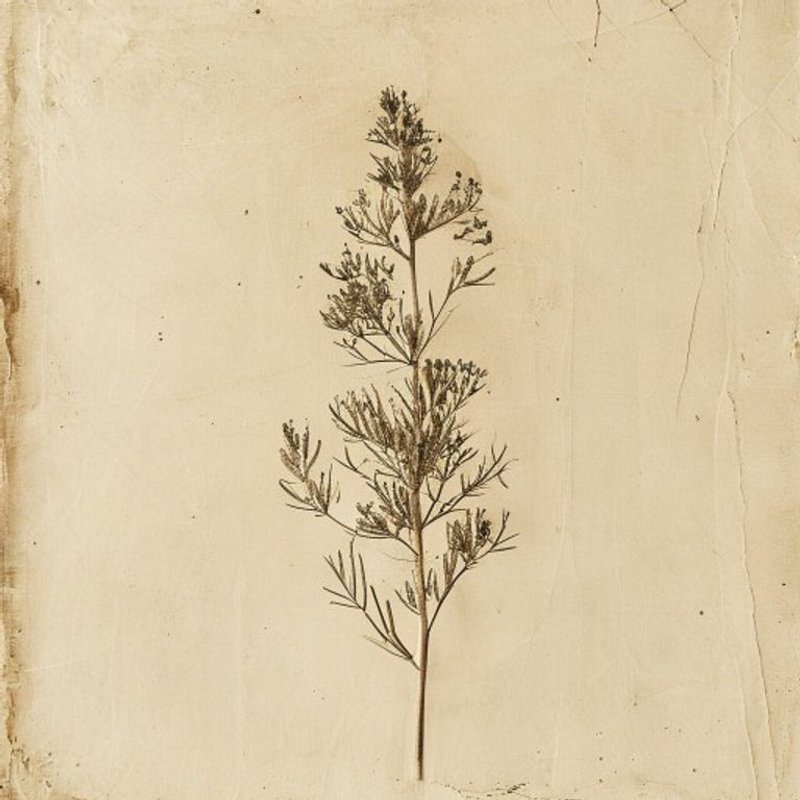
IOverview
Overview
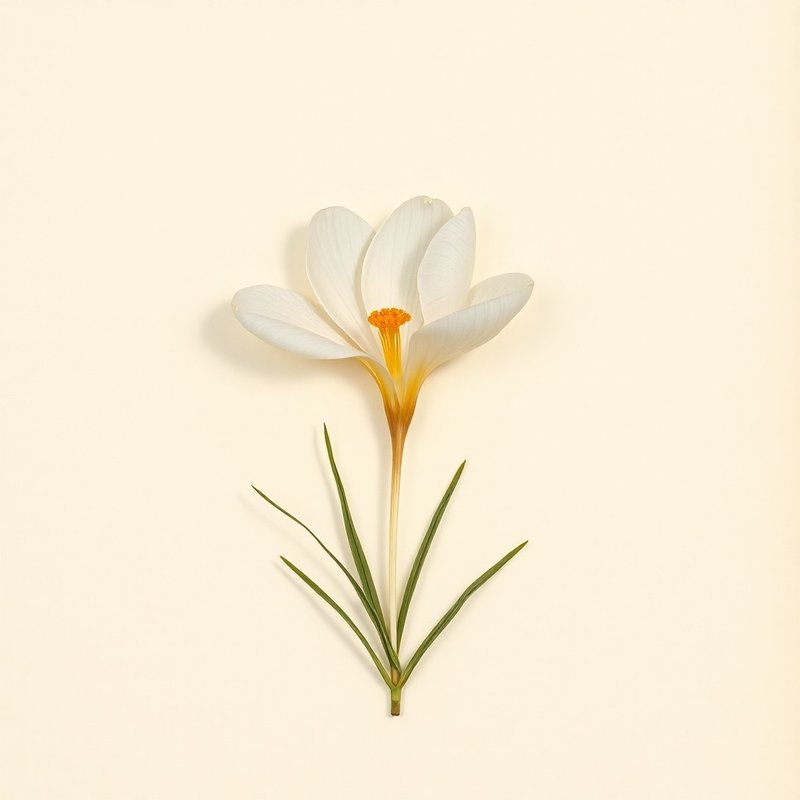
Moraea fugax, a member of the Iridaceae family, is native to the Cape Provinces in South Africa. This plant is known for its ornamental value and is also edible, with its roots being a valuable culinary ingredient. The roots of Moraea fugax can be eaten raw or cooked, with boiling enhancing their flavor and texture. This plant thrives in full sun and prefers light, sandy soils that can be either dry or moist. Standing at about 0.5 meters tall, Moraea fugax is distinguished by its adaptability to various conditions, making it hardy in zones 8-11. It has been introduced into Western Australia, expanding its presence beyond its native range. While the roots are the edible part, the plant's vibrant blooms add a unique touch to landscapes. Although Moraea fugax is not known for medicinal uses, caution should be exercised when handling any plant part, especially when preparing it for consumption.
What is Moraea fugax?
Moraea fugax, a member of the Iridaceae family, is native to the Cape Provinces in South Africa. This plant is known for its ornamental value and is also edible, with its roots being a valuable culinary ingredient. The roots of Moraea fugax can be eaten raw or cooked, with boiling enhancing their flavor and texture.
VCultivation
Cultivation
How to grow Moraea fugax for the first time
Start with Moraea fugax by planting it in a sunny spot and providing well-draining soil.
- 1
What you'll need
Moraea fugax bulbs, potting mix, container or garden bed.
- 2
Best time to plant
Plant Moraea fugax in autumn for spring growth.
- 3
Soil and container prep
Use a light, well-draining soil. Ensure containers have drainage holes.
- 4
Sowing or transplanting
Plant bulbs 5-10 cm deep with the pointed end up in the soil.
- 5
First two weeks
Water sparingly to avoid rotting the bulbs. Keep them in a cool, shaded place until shoots appear.
- 6
Ongoing care
Provide full sun and water only when the soil is dry. Fertilize lightly once growth starts.
- 7
Harvest or pruning
After flowering, cut back spent flowers but keep leaves to nourish bulbs for next year.
VIEdible & utility
Edible & utility
VIIDistribution
1 native · 1 introduced
Distribution
1 native · 1 introducedIXSpecimen gallery
1 image
Specimen gallery
1 imageXSee also
8 related
See also
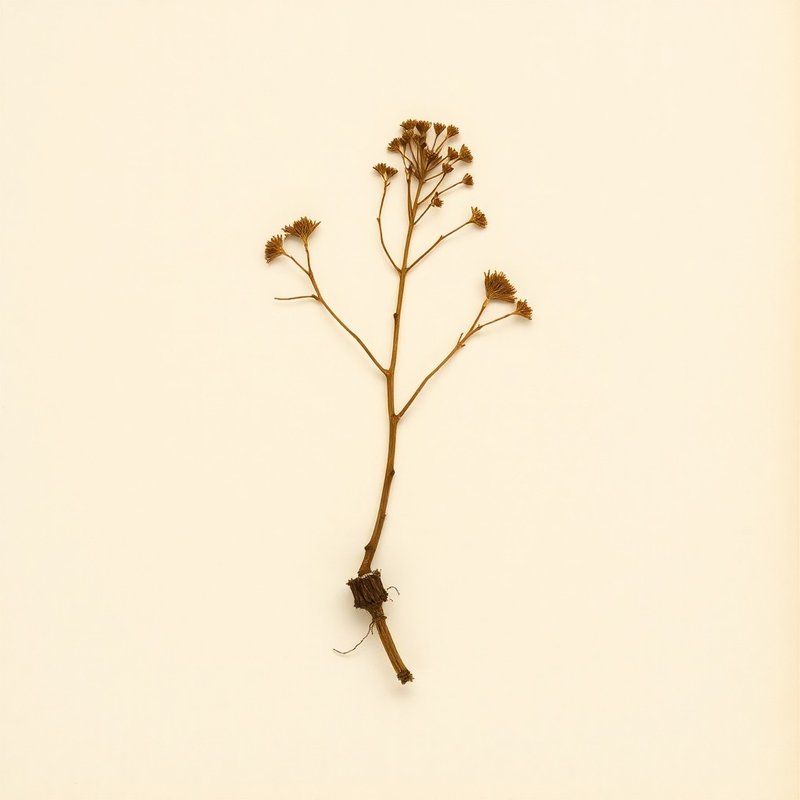
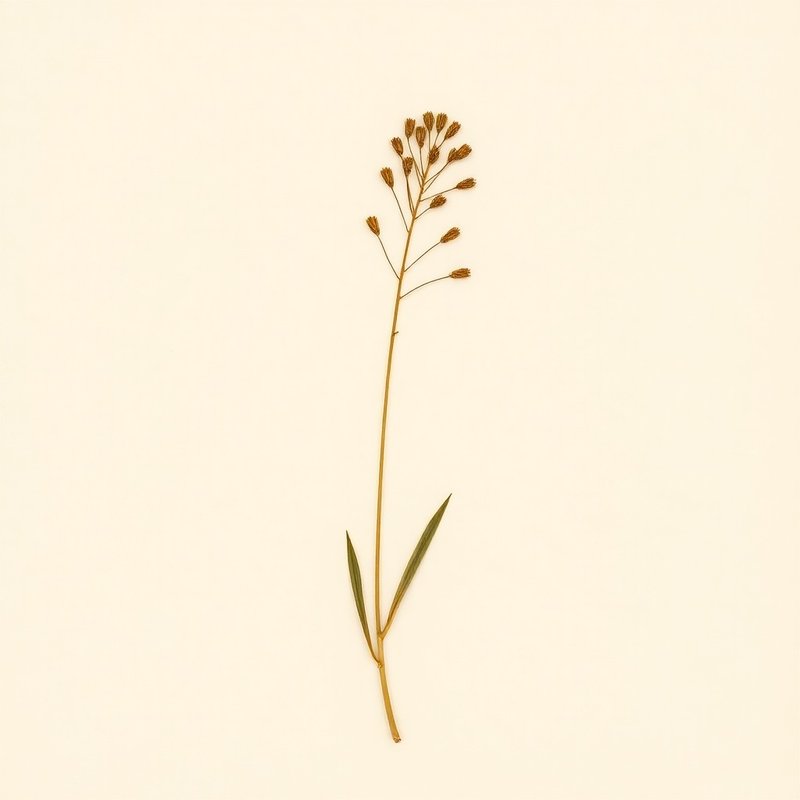
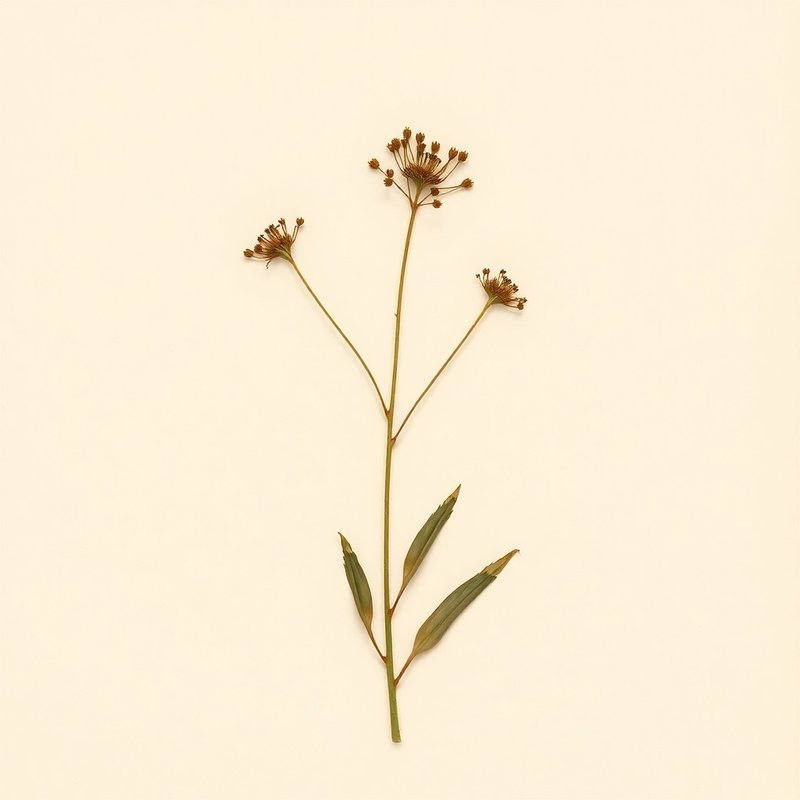
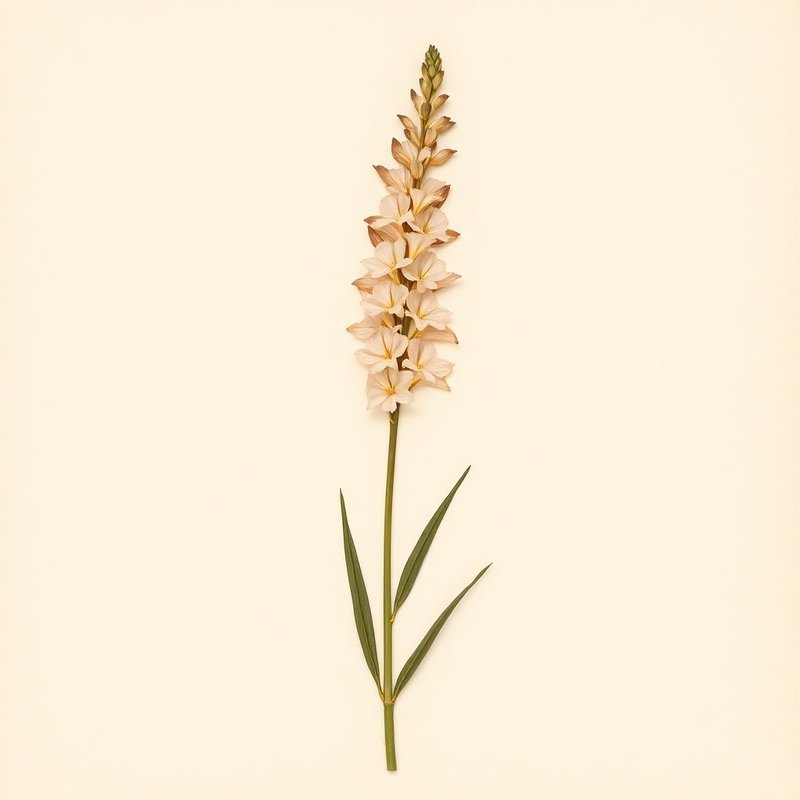
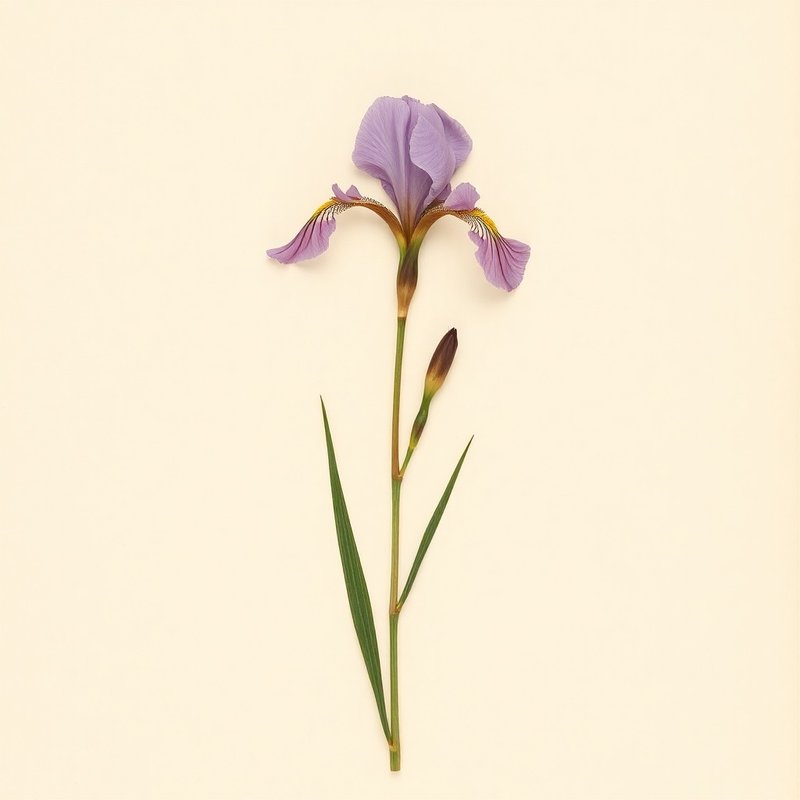
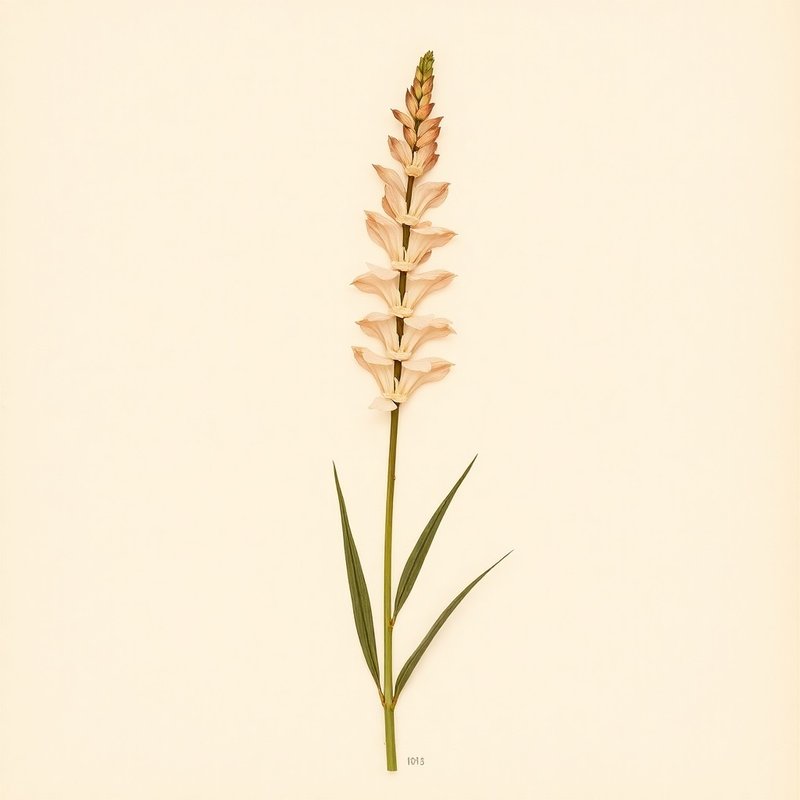
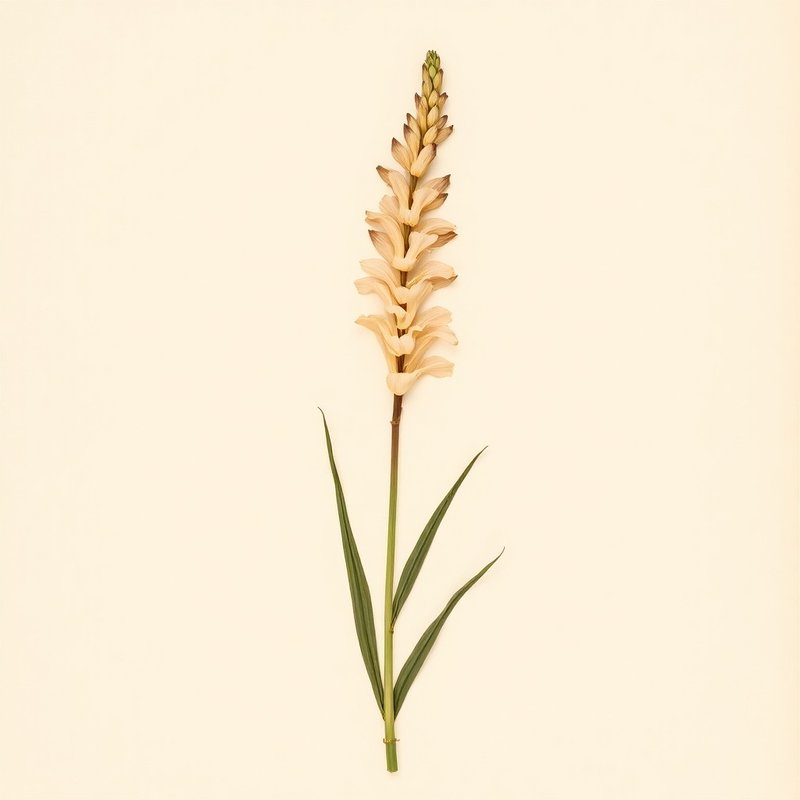
8 relatedPlants you might compare or use together — scored by shared family (Iridaceae), common use cases, and growing requirements.
Explore further
About this entry
- Last updated
- Citation
- How to cite this entry · Submit a correction
Continue reading
Get archive updates
Occasional email when substantial new content lands — plant profiles, seasonal growing notes, folk-remedy additions. Free, no tracking, unsubscribe anytime.