
Guibourtia coleosperma
IOverview
Overview
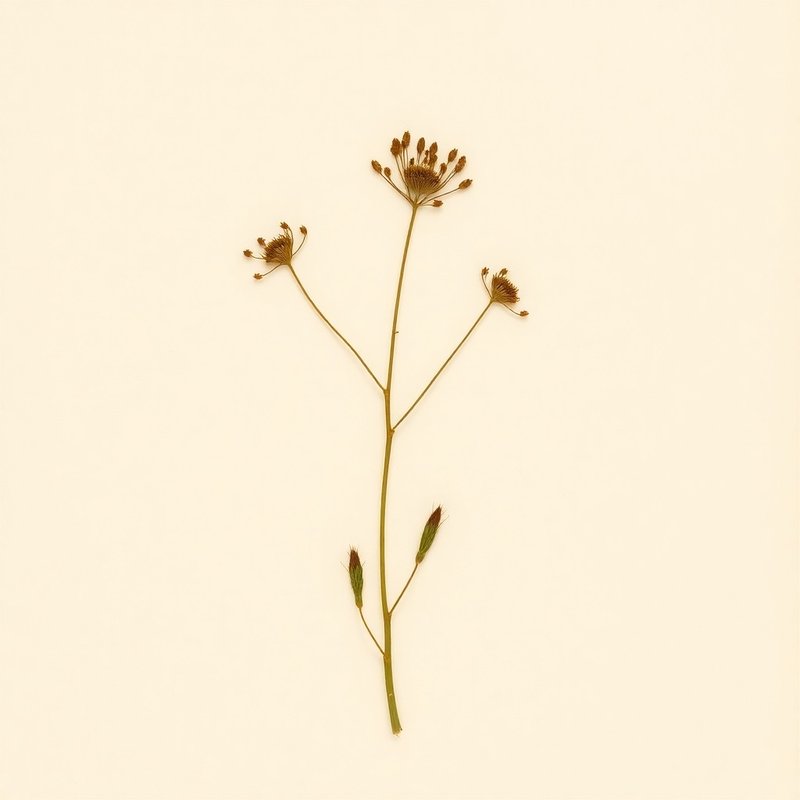
Guibourtia coleosperma, a member of the Fabaceae family, is an evergreen tree native to Angola, Botswana, Caprivi Strip, Namibia, Zambia, Zaïre, and Zimbabwe. This tree can grow up to 20 meters in height and thrives in light conditions, requiring full sun. It prefers moist environments with well-draining soil that is either light (sandy) or medium in texture, and is hardy in zones 10-12. The edible parts of the Guibourtia coleosperma include its fruit and seed, making it a valuable resource in its native range. The fruits can be eaten raw or used in various preparations, while the seeds are typically roasted before consumption. This tree is an important part of the landscape in its native regions, providing both ornamental and edible benefits. While it is not known for medicinal uses, its presence in the ecosystem is significant.
What is Guibourtia coleosperma?
Guibourtia coleosperma, a member of the Fabaceae family, is an evergreen tree native to Angola, Botswana, Caprivi Strip, Namibia, Zambia, Zaïre, and Zimbabwe. This tree can grow up to 20 meters in height and thrives in light conditions, requiring full sun.
VCultivation
Cultivation
How to grow Guibourtia coleosperma for the first time
Start with a simple, low-maintenance tree that thrives in full sun and moist soil.
- 1
What you'll need
Skip seeds or young saplings, potting mix suitable for trees.
- 2
Best time to plant
Plant Skip during the rainy season when moisture is abundant.
- 3
Soil and container prep
Use a well-draining soil with plenty of sand. Ensure containers are large enough for growth.
- 4
Sowing or transplanting
Direct sow seeds in moist, sandy soil or transplant young saplings into prepared pots.
- 5
First two weeks
Keep the soil consistently moist and provide partial shade if necessary to avoid sunburn.
- 6
Ongoing care
Water regularly but allow the top inch of soil to dry out between watering. Fertilize lightly with a balanced tree fertilizer.
- 7
Harvest or pruning
Skip is not commonly harvested for fruit or seeds, so focus on maintaining its health and shape through regular pruning.
- 8
Common mistakes
Overwatering, planting in heavy soil, neglecting to prune, and exposing young plants to direct sunlight.
VIEdible & utility
Edible & utility
VIIDistribution
7 native · 0 introduced
Distribution
7 native · 0 introducedIXSpecimen gallery
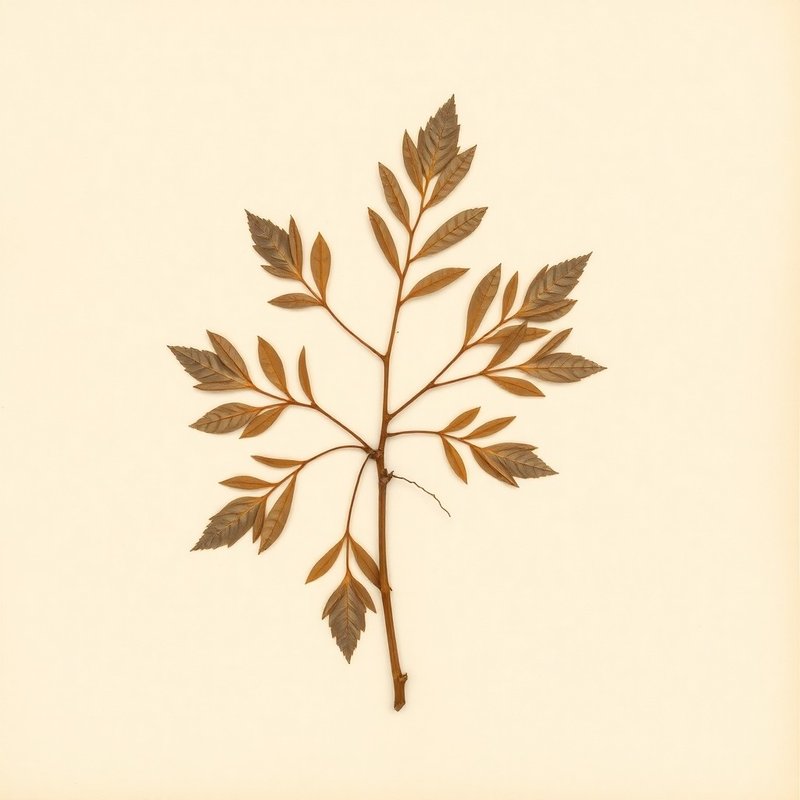
1 image
Specimen gallery
1 imageXSee also
8 related
See also
8 relatedPlants you might compare or use together — scored by shared family (Fabaceae), common use cases, and growing requirements.
Explore further
About this entry
- Last updated
- Citation
- How to cite this entry · Submit a correction
Continue reading
Get archive updates
Occasional email when substantial new content lands — plant profiles, seasonal growing notes, folk-remedy additions. Free, no tracking, unsubscribe anytime.