
Mallow
Hibiscus syriacus
Educational content — not medical, botanical, or professional advice. Always consult a qualified clinician before using any herbal preparation — especially during pregnancy, breastfeeding, while on medication, or for children. How we source & review →

Pl. 3AA5 — Hibiscus syriacus
Hibiscus syriacusHibiscus syriacusHibiscus syriacusHibiscus syriacusHibiscus syriacusHibiscus syriacusHibiscus syriacusHibiscus syriacusHibiscus syriacusHibiscus syriacusHibiscus syriacusHibiscus syriacusHibiscus syriacusHibiscus syriacus
IOverview
Overview
The Mallow is a perennial plant belonging to the Hibiscus family. Native to China's South-Central and Southeast regions, as well as Taiwan, it thrives in moist environments with partial sun to full sun. This adaptable species can be found growing in light sandy soils, medium-rich soils, or heavy clay soils. It is valued for its edible parts, including the flowers, leaves, and root, which are utilized by local populations. One distinctive feature of the Mallow is its ability to grow as a tree or shrub, reaching heights of up to 3 meters in width. Its robust habit allows it to tolerate a range of hardiness levels, from 5 to 9.
Quick answers
What is Mallow?
The Mallow is a perennial plant belonging to the Hibiscus family. Native to China's South-Central and Southeast regions, as well as Taiwan, it thrives in moist environments with partial sun to full sun. This adaptable species can be found growing in light sandy soils, medium-rich soils, or heavy clay soils.
What is Mallow used for?
Traditionally used for topical & skin, digestion. Each claim is evidence-rated — see Section II for full citations.
Best for
Top 2 evidence-ranked uses of Mallow
Clinicaluses · safety · chemistry · dosagemedicinal profile
IIBenefits & evidence
2 claims · 0 sources
Benefits & evidence
2 claims · 0 sources- Mallow is traditionally used in topical applications to support skin health, particularly for conditions like eczema and minor wounds.
The plant contains mucilage which forms a protective layer on the skin, helping to retain moisture and reduce inflammation. However, the exact mechanism of action is not fully characterised.
- Mallow has been traditionally used in Chinese medicine for digestive issues, often prepared as a decoction to soothe the stomach and intestines.
The mucilage content in mallow acts as a demulcent, providing soothing effects on irritated tissues of the gastrointestinal tract. However, the specific compounds responsible are not fully characterised.
Growingconditions · propagation · uses
VCultivation
Cultivation
To cultivate Mallow successfully, it's essential to provide full sun to partial shade, as the plant thrives in these conditions. The soil should be well-drained, with a preference for light sandy or medium textures. Watering should be moderate, but the plant can tolerate moist conditions. Hardy in temperate regions, Mallow is typically grown as a perennial, reaching heights of 3 meters and widths of 3 meters. It's a tree or shrub habit. For propagation, edible parts such as flowers, leaves, and root can be used.
Light
Full sun, Partial sun/shade
Water
Moist
Soil
Light (sandy), Medium, Heavy (clay)
Hardiness
5-9
Life cycle
Perennial
Habit
Tree, Shrub
Mature size
3 m × 3 m
For first-time growers
How to grow Mallow for the first time
8steps
Start with a simple, low-maintenance shrub that will thrive in your garden.
- 1
What you'll need
A healthy Mallow plant or seeds, suitable soil, and a planting site.
- 2
Best time to plant
Plant Mallow in spring after the last frost or in early fall.
- 3
Soil and container prep
Ensure the soil is well-draining with a pH between 6.0 and 7.5, and prepare containers if needed.
- 4
Sowing or transplanting
Transplant young plants from nursery pots to your garden bed or sow seeds directly in the ground after danger of frost has passed.
- 5
First two weeks
Water regularly to keep soil moist, and protect new growth with a light mulch if needed.
- 6
Ongoing care
Provide full sun to partial shade, water when the top inch of soil feels dry, and prune in late winter for shape and size control.
- 7
Harvest or pruning
Prune Mallow in late winter to encourage new growth and maintain its shape. You can also harvest flowers and leaves as needed.
- 8
Common mistakes
Overwatering, planting in heavy clay soil, not providing enough sunlight, and neglecting winter protection.
VIEdible & utility
Edible & utility
Edible parts:FlowersLeavesRoot
Edible uses: Oil, Tea
Other uses:DyeFiberHairHedgerowoil
Contextrange · companions · related
VIIDistribution
3 native · 27 introduced
Distribution
3 native · 27 introducedDistribution across3 continents· 3 native· 27 introduced
Europe1 region
introduced (1)Russia
Asia3 regions
native (2)ChinaTaiwan
introduced (1)India
Africa1 region
introduced (1)Cameroon
Broader regions
introduced:Connecticut, Delaware, East Himalaya, Illinois, Indiana, Juan Fernández Is., Kansas, Kentucky, Louisiana, Maryland, Marianas, Mexico Central, Mexico Gulf, Mexico Northeast, Mexico Southeast, Mexico Southwest, Mississippi, Missouri, Nebraska, New York, North Carolina, District of Columbia, Bermuda, Alabama
IXSpecimen gallery
1 image
Specimen gallery
1 imageXSee also
8 related
See also
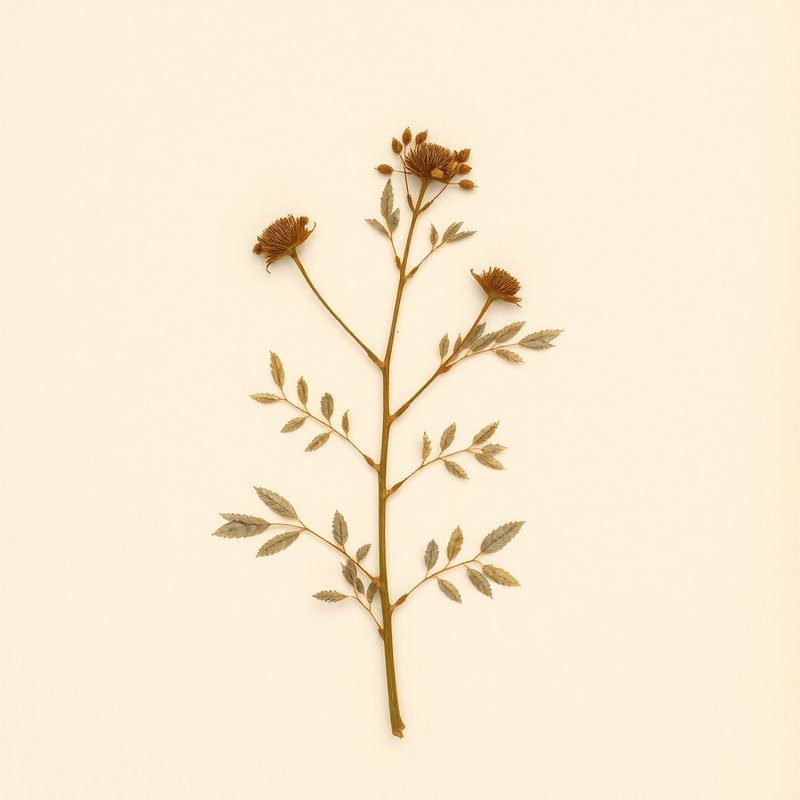
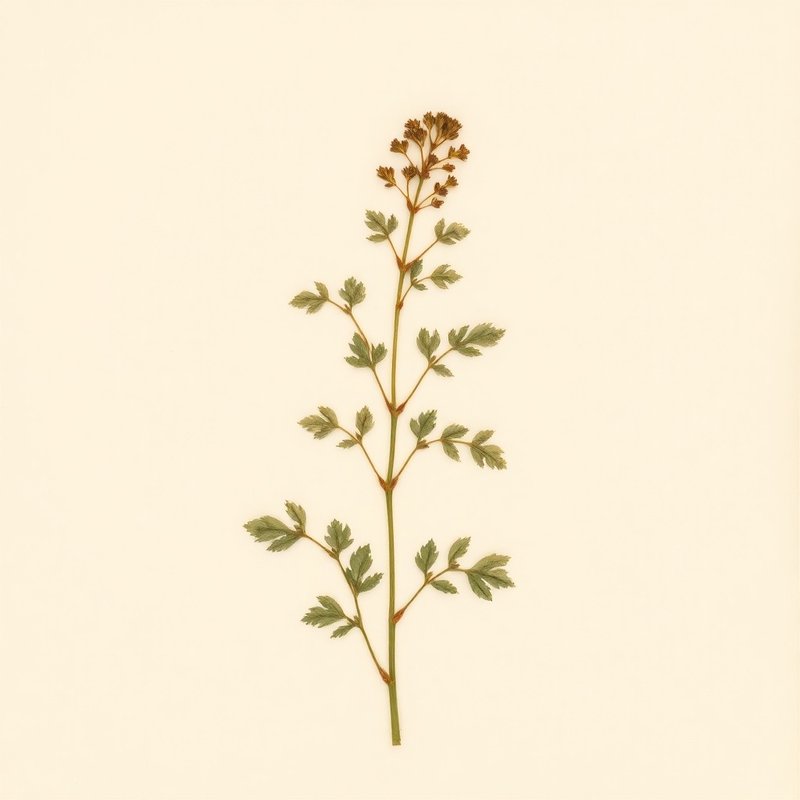
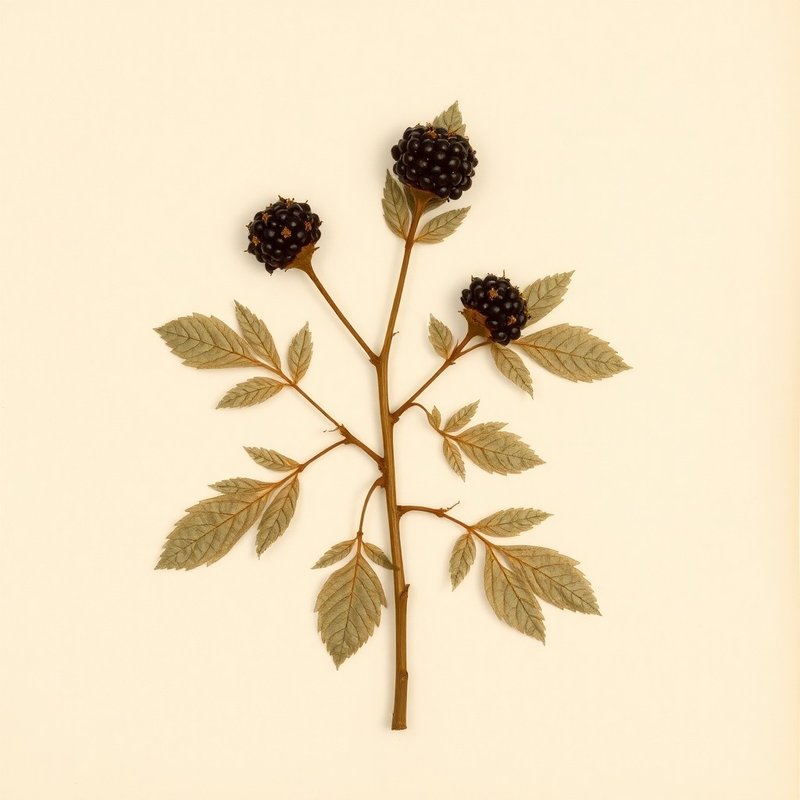
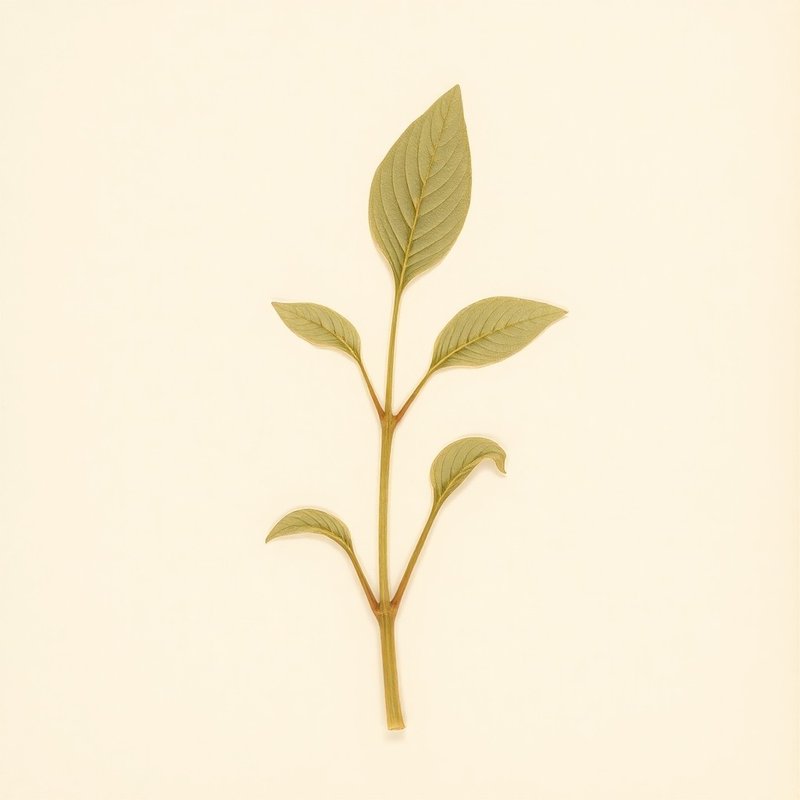
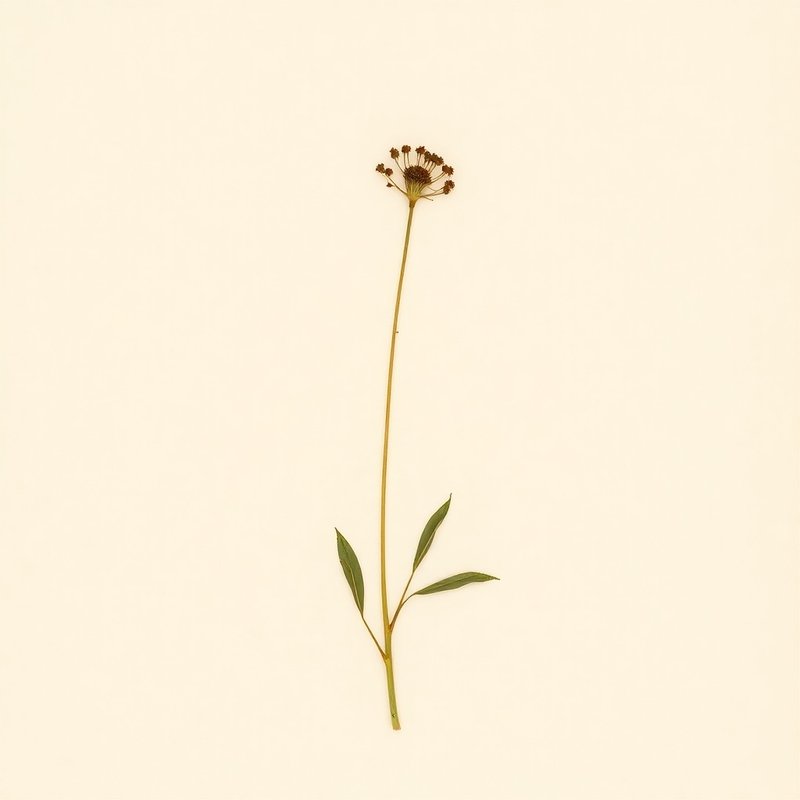
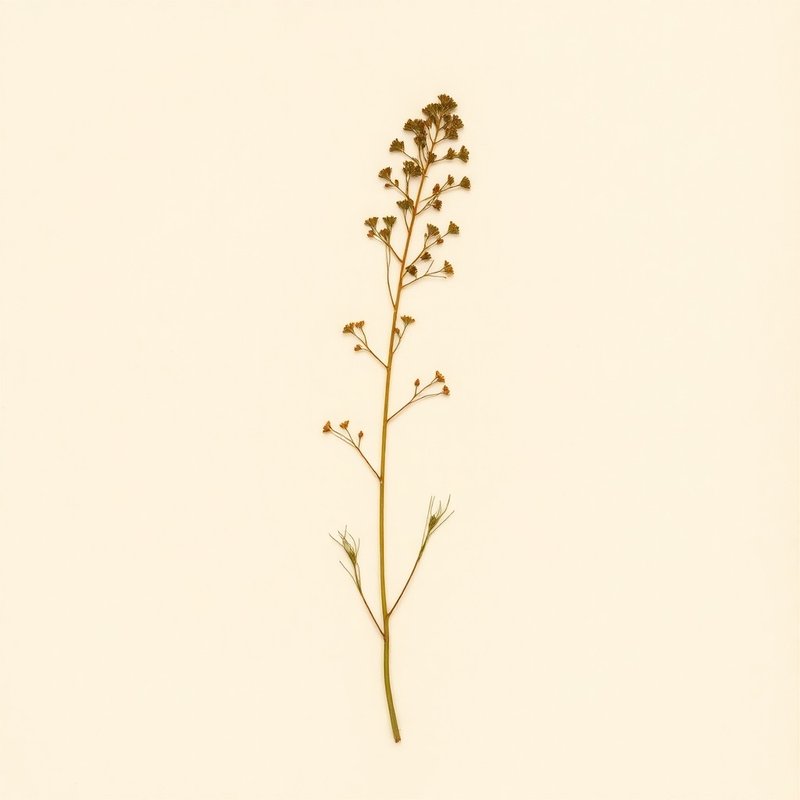
8 relatedPlants you might compare or use together — scored by shared family, common use cases, and growing requirements.
shared use cases
Different families, similar therapeutic role — good for comparing.


XI
Explore further
Companion planting
Compare with similar plants
Growing zone
XII
About this entry
- Last updated
- Citation
- How to cite this entry · Submit a correction
Back to the cataloguePlant id · 3aa51da3-7028-4bc8-9ada-0c48ba260045
Decision aid
Choosing between Mallow and something else?
Continue reading
❦❦❦❦
Endpaper · archive updates
Get archive updates
Occasional email when substantial new content lands — plant profiles, seasonal growing notes, folk-remedy additions. Free, no tracking, unsubscribe anytime.