
Ixeris repens
IOverview
Overview
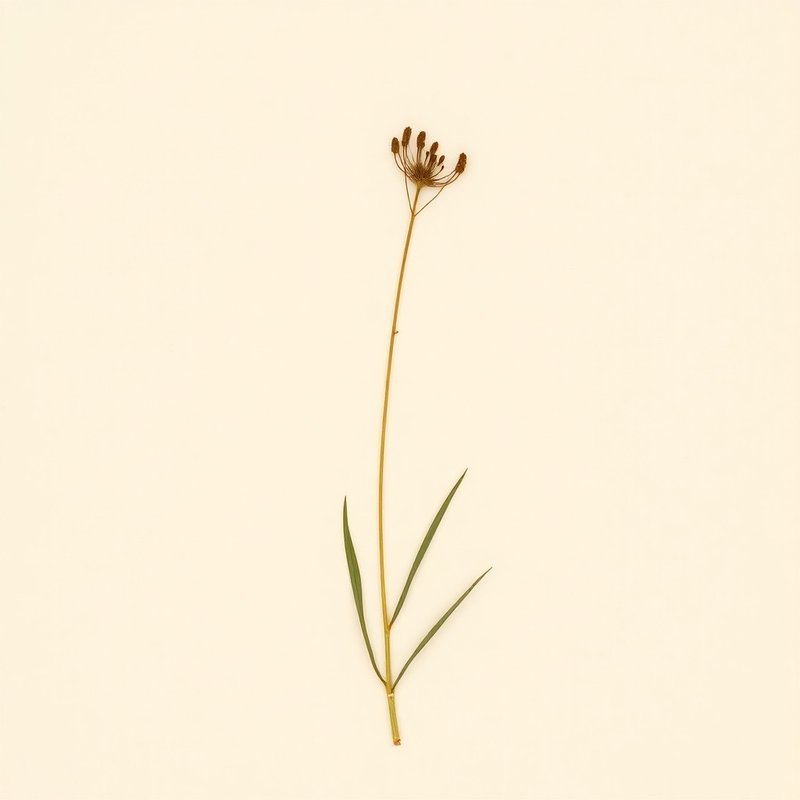
Ixeris repens, a perennial plant belonging to the Asteraceae family, is native to regions including China North-Central, China Southeast, Japan, Korea, Kamchatka, Kuril Islands, Manchuria, Nansei-shoto, Sakhalin, Taiwan, and Vietnam. This plant thrives in moist conditions with light to partial sun exposure, adapting well to various soil types ranging from sandy to clay. Known for its edible leaves, Ixeris repens can be consumed raw or cooked and is often used in salads or as a steamed side dish. Additionally, it has a history of medicinal use, making it a valuable plant with both culinary and traditional healing applications. Its ability to grow in diverse habitats makes it an interesting subject for botanical studies and potentially useful in horticultural settings. While it is adaptable, ensuring adequate moisture and avoiding waterlogged conditions is crucial for optimal growth.
What is Ixeris repens?
Ixeris repens, a perennial plant belonging to the Asteraceae family, is native to regions including China North-Central, China Southeast, Japan, Korea, Kamchatka, Kuril Islands, Manchuria, Nansei-shoto, Sakhalin, Taiwan, and Vietnam.
VCultivation
Cultivation
How to grow Ixeris repens for the first time
Start with a simple and light approach to growing Skip, focusing on basic care.
- 1
What you'll need
A small pot or garden bed, seeds or young plants.
- 2
Best time to plant
Plant in spring after the last frost or in autumn before the first freeze.
- 3
Soil and container prep
Use a well-draining soil mix suitable for perennials. Ensure containers have drainage holes.
- 4
Sowing or transplanting
Direct sow seeds outdoors after danger of frost, or start indoors 4-6 weeks before planting outside.
- 5
First two weeks
Water regularly to keep the soil moist but not waterlogged. Monitor for pests and diseases.
- 6
Ongoing care
Provide full sun to partial shade. Water when the top inch of soil feels dry. Fertilize sparingly in spring.
- 7
Harvest or pruning
Prune after flowering to encourage new growth and maintain a neat appearance.
- 8
Common mistakes
Overwatering, planting in heavy clay soil, neglecting to prune, not providing enough sunlight, using too much fertilizer.
VIEdible & utility
Edible & utility
VIIDistribution
12 native · 0 introduced
Distribution
12 native · 0 introducedIXSpecimen gallery
1 image
Specimen gallery
1 imageXSee also
8 related
See also
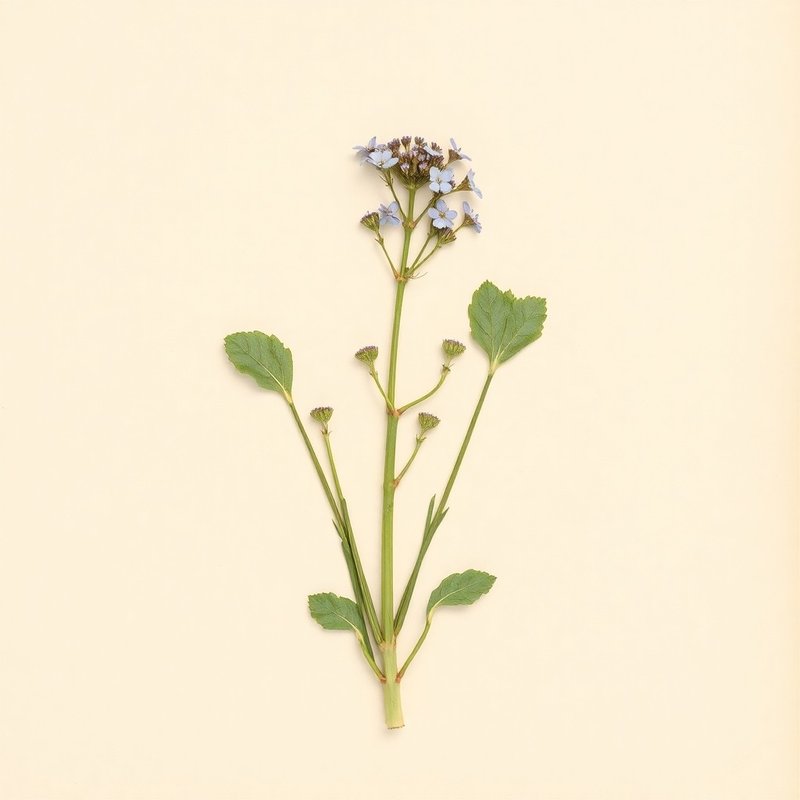
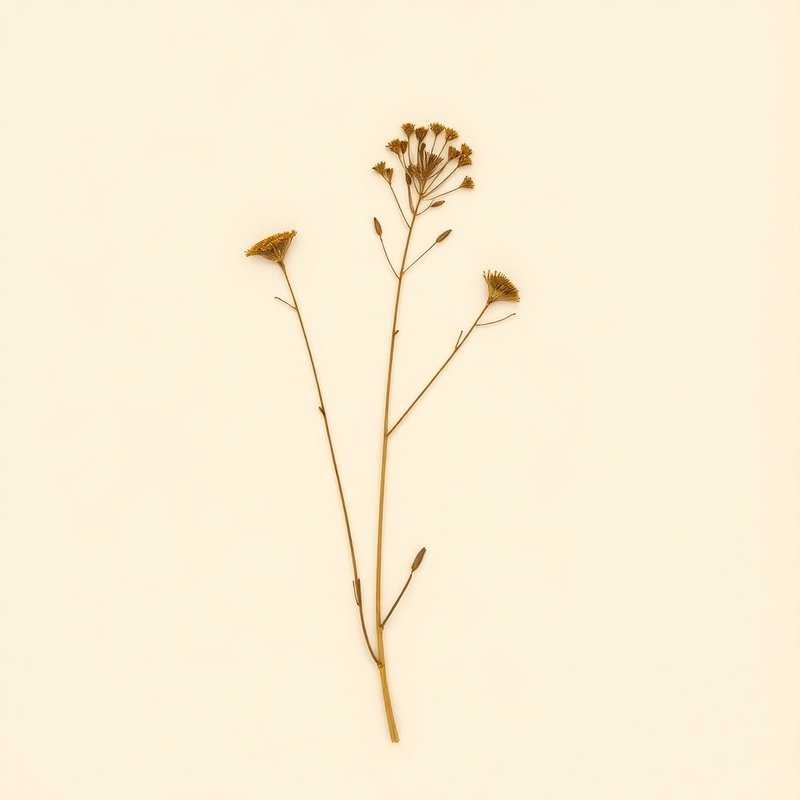
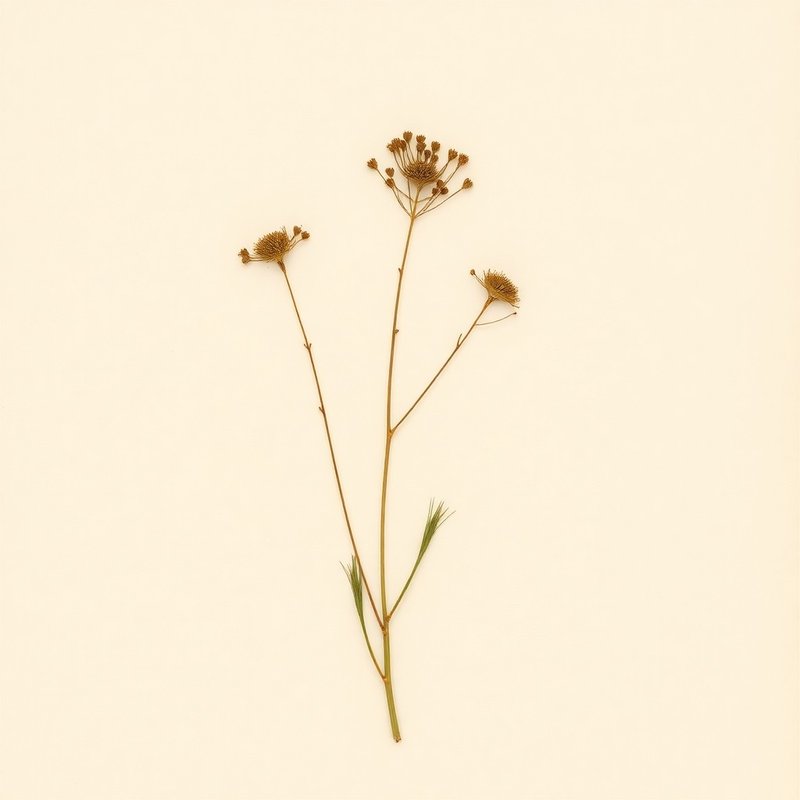
8 relatedPlants you might compare or use together — scored by shared family (Asteraceae), common use cases, and growing requirements.
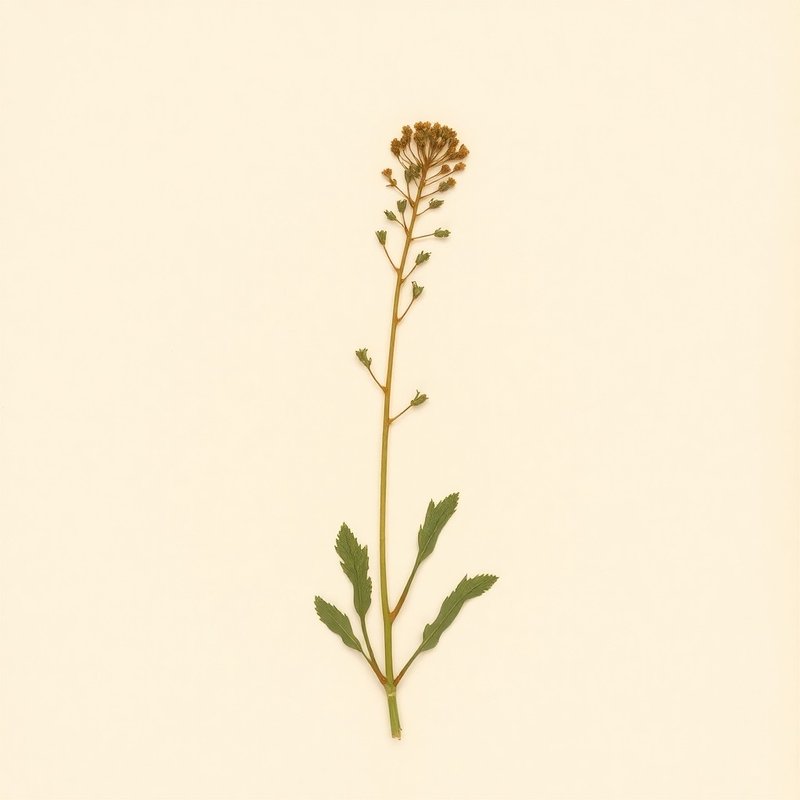
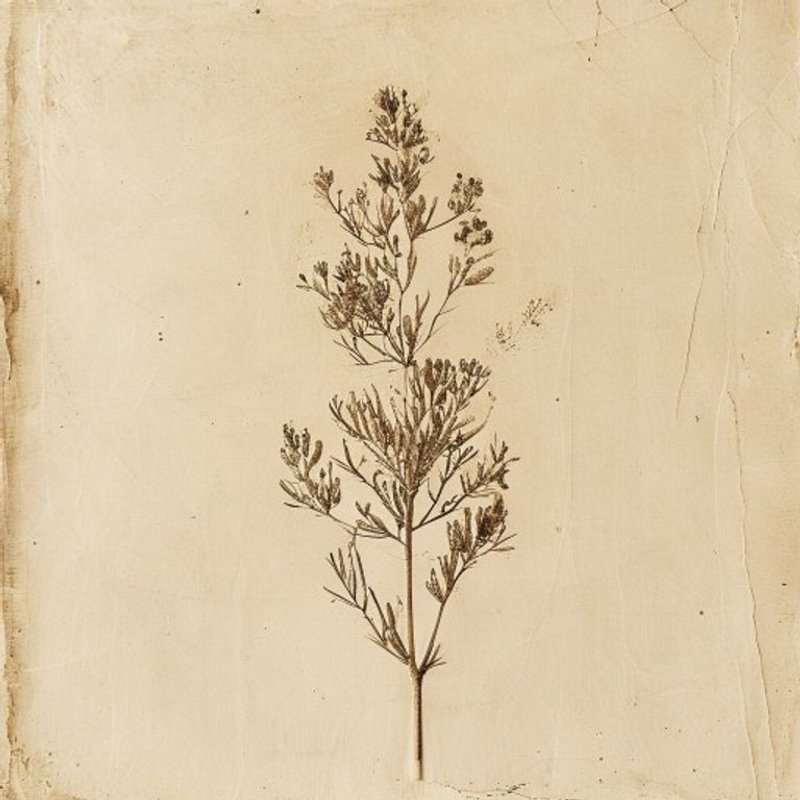
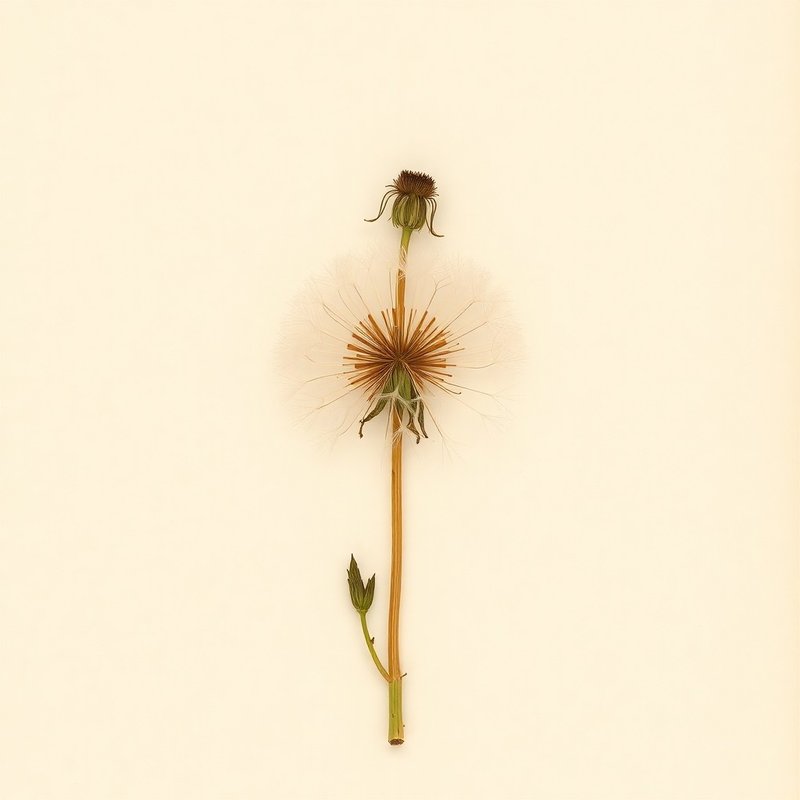
Explore further
About this entry
- Last updated
- Citation
- How to cite this entry · Submit a correction
Continue reading
Get archive updates
Occasional email when substantial new content lands — plant profiles, seasonal growing notes, folk-remedy additions. Free, no tracking, unsubscribe anytime.