
Ashe Juniper
Juniperus ashei
Educational content — not medical, botanical, or professional advice. Always consult a qualified clinician before using any herbal preparation — especially during pregnancy, breastfeeding, while on medication, or for children. How we source & review →
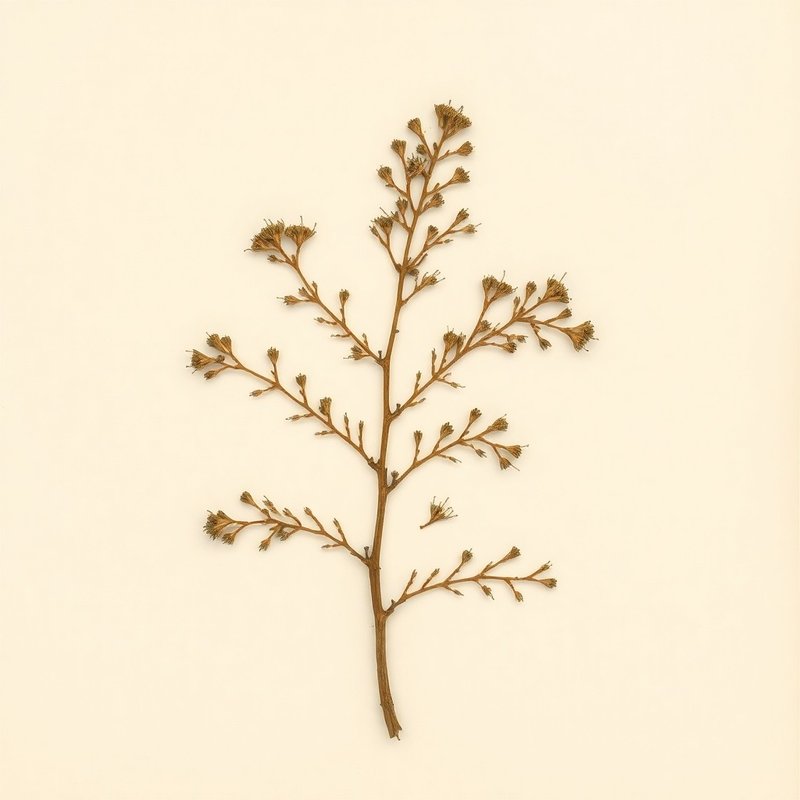
Pl. A83E — Juniperus ashei
Juniperus asheiJuniperus asheiJuniperus asheiJuniperus asheiJuniperus asheiJuniperus asheiJuniperus asheiJuniperus asheiJuniperus asheiJuniperus asheiJuniperus asheiJuniperus asheiJuniperus asheiJuniperus ashei
IOverview
Overview
Ashe Juniper, scientifically known as Juniperus ashei, is a tree or shrub native to the central and eastern United States and northeastern Mexico. Found in habitats ranging from Arkansas to Texas and Oklahoma, this plant thrives in full sun with varying soil types—light (sandy), medium, and heavy (clay)—and can tolerate dry to moist conditions. Hardy in zones 7-9, Ashe Juniper grows up to 6 meters tall. Its fruit is edible, making it a valuable resource for those familiar with its use. This juniper species adds ornamental value to landscapes while also providing sustenance when needed.
Quick answers
What is Ashe Juniper?
Ashe Juniper, scientifically known as Juniperus ashei, is a tree or shrub native to the central and eastern United States and northeastern Mexico.
What is Ashe Juniper used for?
Traditionally used for digestion, immune support. Each claim is evidence-rated — see Section II for full citations.
Best for
Top 2 evidence-ranked uses of Ashe Juniper
Clinicaluses · safety · chemistry · dosagemedicinal profile
IIBenefits & evidence
2 claims · 0 sources
Benefits & evidence
2 claims · 0 sources- Juniper berries, including those from the Juniperus genus, have been traditionally used in European and Native American medicine to support digestion. A decoction of the fruit may help alleviate digestive discomfort.
The mechanism involves juniperin and other terpenoids which stimulate gastric secretions and improve digestion. However, specific pathways are not fully characterised.
- Juniper berries have been traditionally used in European herbal medicine to support the immune system. A tea made from dried juniper berries may help maintain overall health.
The mechanism involves flavonoids and other polyphenols which exhibit antioxidant properties, potentially supporting immune function. However, specific pathways are not fully characterised.
Growingconditions · propagation · uses
VCultivation
Cultivation
Ashe Juniper thrives in full sun and prefers well-drained soil that can be light (sandy), medium, or heavy (clay). It is moderately drought-tolerant but will benefit from moist conditions during dry spells. This tree or shrub grows up to 6 meters tall and is hardy in zones 7-9, making it suitable for temperate regions. Propagate through seeds or cuttings. The fruit of Ashe Juniper is edible.
Light
Full sun
Water
Dry, Moist
Soil
Light (sandy), Medium, Heavy (clay)
Hardiness
7-9
Habit
Tree, Shrub
Mature size
6.0 m tall
For first-time growers
How to grow Ashe Juniper for the first time
7steps
Start with planting Ashe Juniper in a sunny spot, as it thrives in full sun and can adapt to various soil types.
- 1
What you'll need
Ashe Juniper saplings or seeds, garden gloves, trowel.
- 2
Best time to plant
Plant in spring or fall when the weather is cooler and more stable.
- 3
Soil and container prep
Prepare soil that is well-draining; it can be light (sandy), medium, or heavy (clay). Ensure containers have good drainage holes.
- 4
Sowing or transplanting
Transplant saplings directly into the ground or start seeds in a container with moist, well-draining soil. Sow seeds shallowly and keep them moist.
- 5
First two weeks
Water regularly to keep the soil consistently moist but not waterlogged. Monitor for signs of stress such as wilting.
- 6
Harvest or pruning
Prune Ashe Juniper in late winter or early spring to remove dead branches and promote healthy growth.
- 7
Common mistakes
Overwatering, planting in poorly drained soil, neglecting to prune, not providing enough sunlight.
VIEdible & utility
Edible & utility
Edible parts:Fruit
Edible uses: The Ashe Juniper's fruit is edible and can be eaten raw or used to make tea. The berries, which are the ripe fruits, have a mild flavor and are sometimes consumed for their unique taste.
Other uses:Lumber
Contextrange · companions · related
VIIDistribution
5 native · 0 introduced
Distribution
5 native · 0 introducedDistribution across0 continents· 5 native
Broader regions
native:Arkansas, Mexico Northeast, Missouri, Oklahoma, Texas
IXSpecimen gallery
1 image
Specimen gallery
1 imageXSee also
8 related
See also
8 relatedPlants you might compare or use together — scored by shared family, common use cases, and growing requirements.
shared use cases
Different families, similar therapeutic role — good for comparing.


XI
Explore further
Companion planting
Health goals
Compare with similar plants
Growing zone
XII
About this entry
- Last updated
- Citation
- How to cite this entry · Submit a correction
Back to the cataloguePlant id · a83e7692-6a56-4b36-b3b9-54ca48ee26fa
Decision aid
Choosing between Ashe Juniper and something else?
Continue reading
❦❦❦❦
Endpaper · archive updates
Get archive updates
Occasional email when substantial new content lands — plant profiles, seasonal growing notes, folk-remedy additions. Free, no tracking, unsubscribe anytime.