
Prickly lettuce
IOverview
Overview
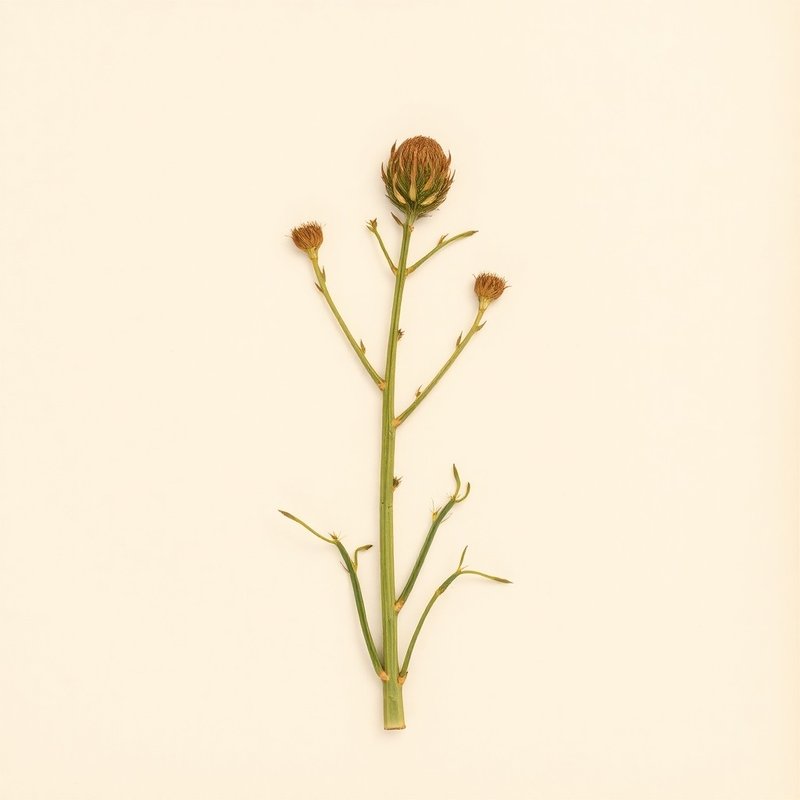
Prickly lettuce (Lactuca sibirica), a perennial plant belonging to the Asteraceae family, is native to a diverse range of regions including Altay, Amur, Baltic States, Belarus, Buryatiya, Central European Russia, China North-Central, Chita, and many other areas across Eastern Europe and Asia. Thriving in moist, light to medium soil, this hardy species prefers full sun to partial shade. The plant can grow up to 1 meter tall and is easily recognizable by its spiny leaves, which distinguish it from other lettuces. Edible and medicinal, prickly lettuce is valued for its leaves, which can be consumed raw in salads or cooked as a vegetable. The leaves are typically gathered from perennial plants growing in the plant's native range, which includes various regions across Asia and Europe. Its adaptability to different climates and soils makes it a versatile addition to gardens and natural landscapes. Medicinally, prickly lettuce has been used for its potential health benefits, though specific claims should be approached with caution. The plant's leaves contain compounds that may have various effects, but no definitive medical recommendations or dosages are provided here. Always consult a healthcare professional for medical advice.
What is Prickly lettuce?
Prickly lettuce (Lactuca sibirica), a perennial plant belonging to the Asteraceae family, is native to a diverse range of regions including Altay, Amur, Baltic States, Belarus, Buryatiya, Central European Russia, China North-Central, Chita, and many other areas across Eastern Europe and Asia.
IV·bMixology suggestions
2 drafts
Mixology suggestions
2 draftsVCultivation
Cultivation
How to grow Prickly lettuce for the first time
Prickly lettuce is a hardy perennial that's easy to grow for beginners, especially in partial sun and moist soil.
- 1
What you'll need
Seeds or seedlings of Prickly lettuce.
- 2
Best time to plant
Plant seeds in early spring or late summer for a continuous harvest.
- 3
Soil and container prep
Choose a location with light to partial sun, and prepare soil that is well-draining and rich in organic matter.
- 4
Sowing or transplanting
Direct sow seeds 0.5 inches deep, spacing them about 6-8 inches apart. Alternatively, start seedlings indoors and transplant when they have two sets of true leaves.
- 5
First two weeks
Keep the soil consistently moist during germination. Thin plants to ensure adequate space as they grow.
- 6
Ongoing care
Water regularly, especially in dry periods, and mulch around the base for moisture retention. Remove any weeds that compete with your lettuce.
- 7
Harvest or pruning
Prune or harvest outer leaves as needed to encourage new growth. Cut back plants after a few months if they start to bolt.
- 8
Common mistakes
Overcrowding, not providing enough water, and allowing the plant to bolt are common issues beginners should avoid.
VIEdible & utility
Edible & utility
VIIDistribution
34 native · 0 introduced
Distribution
34 native · 0 introducedIXSpecimen gallery
1 image
Specimen gallery
1 imageXSee also
8 related
See also
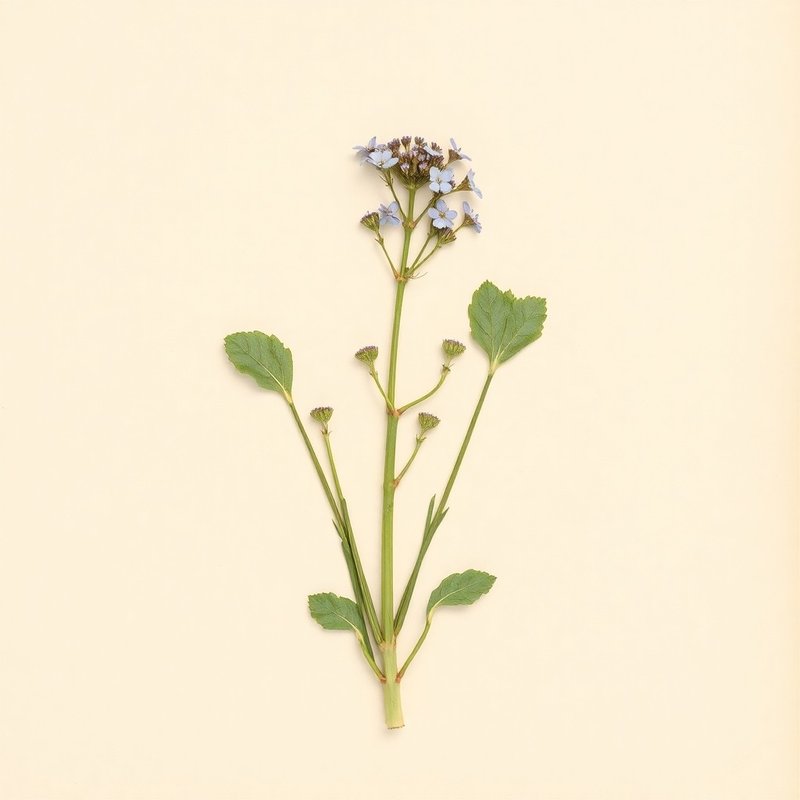
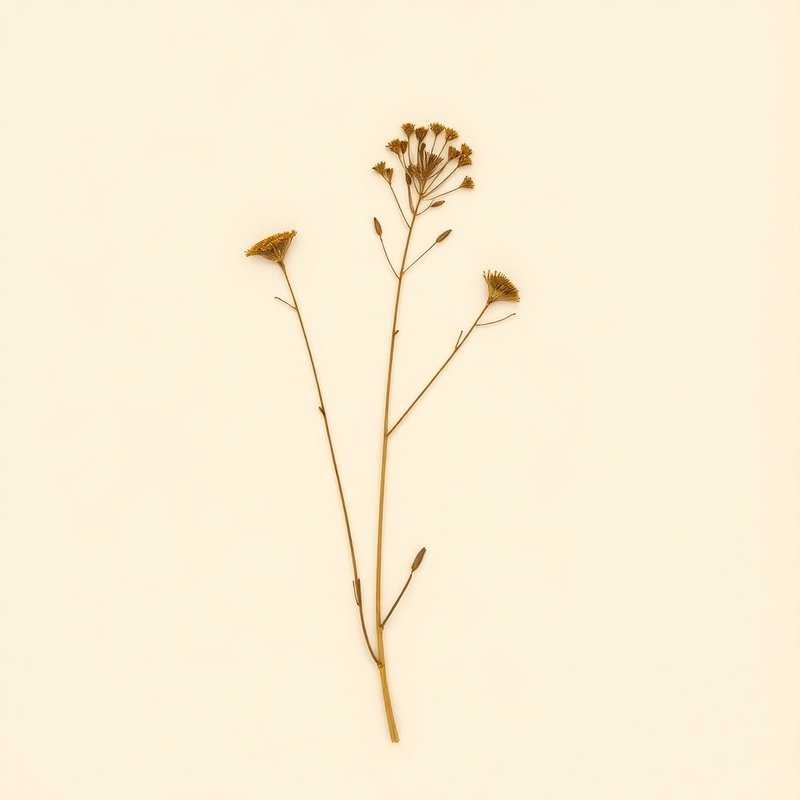
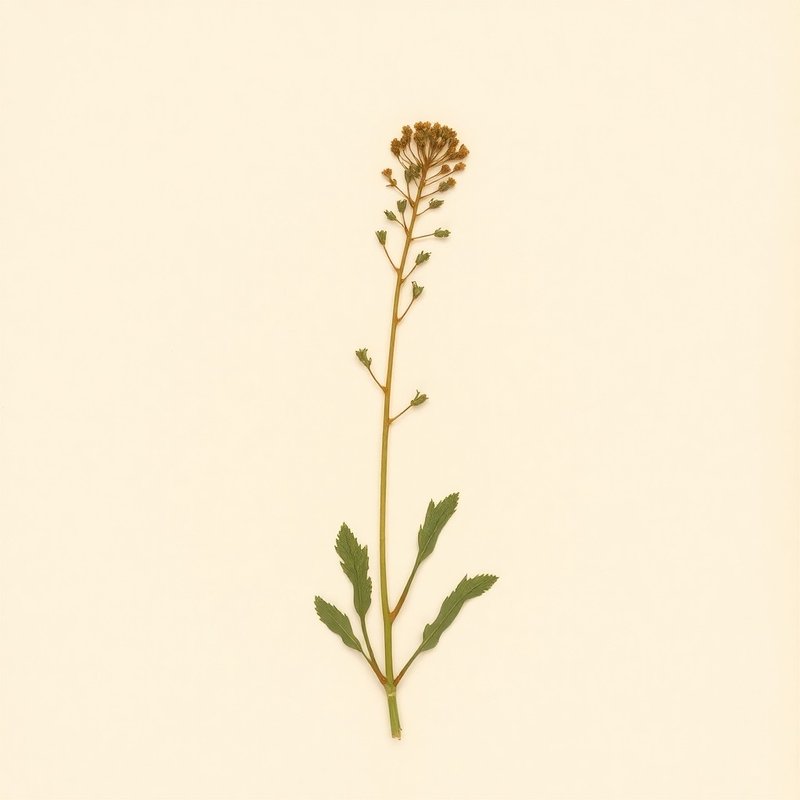
8 relatedPlants you might compare or use together — scored by shared family (Asteraceae), common use cases, and growing requirements.



Explore further
About this entry
- Last updated
- Citation
- How to cite this entry · Submit a correction
Continue reading
Get archive updates
Occasional email when substantial new content lands — plant profiles, seasonal growing notes, folk-remedy additions. Free, no tracking, unsubscribe anytime.