
Bay tree
IOverview
Overview
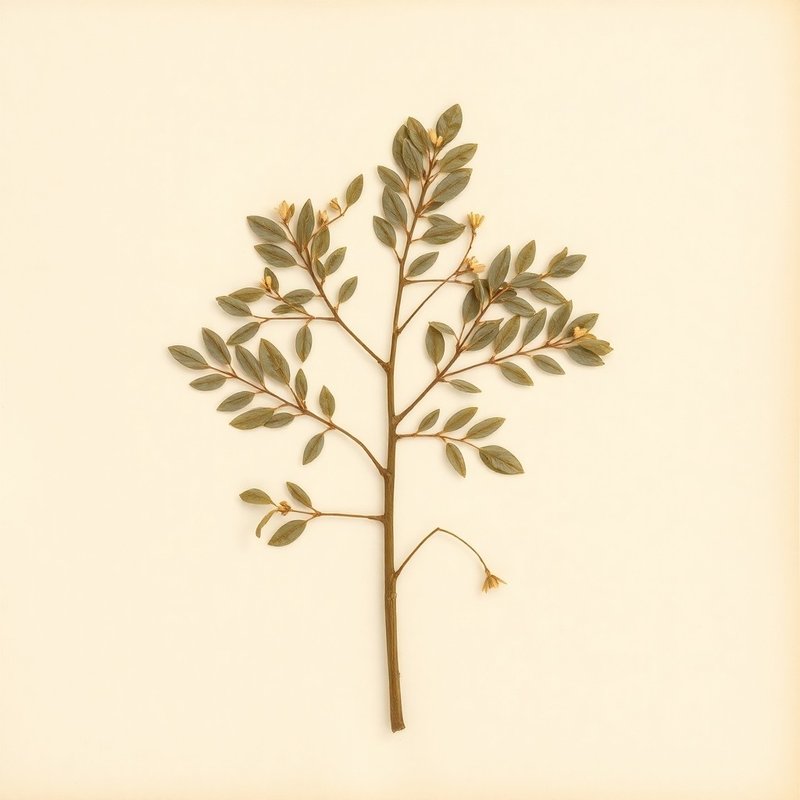
The Bay tree is a perennial evergreen tree native to the Mediterranean region, specifically in Albania, Algeria, and surrounding islands. This member of the Lauraceae family is widely cultivated for its edible fruit and leaves, which are used in various culinary and medicinal applications. A distinctive feature of the Bay tree is its aromatic foliage, with dark green, glossy leaves that have a strong, pungent scent often associated with cooking and perfumery. The tree's tall stature, reaching up to 12 meters in height, also makes it a notable presence in landscapes and gardens throughout its native range.
What is Bay tree?
The Bay tree is a perennial evergreen tree native to the Mediterranean region, specifically in Albania, Algeria, and surrounding islands. This member of the Lauraceae family is widely cultivated for its edible fruit and leaves, which are used in various culinary and medicinal applications.
What is Bay tree used for?
Traditionally used for digestion, stress & anxiety. Each claim is evidence-rated — see Section II for full citations.
IIBenefits & evidence
2 claims · traditional-use context
Benefits & evidence
2 claims · traditional-use context- Bay leaves have a long history in traditional medicine for aiding digestion, often used as an infusion or decoction. They are traditionally believed to help alleviate digestive discomfort and promote gastric health.
The presence of compounds like cineole and eugenol may contribute to the plant's carminative effects by relaxing smooth muscle tissue in the gastrointestinal tract. However, specific mechanisms remain under investigation.
▲ ModerateDigestion → - Traditional-use note: Bay tree appears in herbal sources around calming and relaxation traditions, often as a tea. PlantSage presents this as ethnobotanical context, not as medical advice.
Traditional context only. This reviewed claim keeps the original moderate confidence level, but avoids treatment, disease, dosage, or guaranteed-effect language.
▲ ModerateStress & anxiety →
IV·bMixology suggestions
1 draft
Mixology suggestions
1 draftVCultivation
Cultivation
How to grow Bay tree for the first time
Start with a young bay tree for the best beginner experience.
- 1
What you'll need
A young bay tree, well-draining soil, and a container or garden spot.
- 2
Best time to plant
Plant in spring when temperatures are mild and stable.
- 3
Soil and container prep
Use a pot with drainage holes and fill it with well-draining, slightly acidic soil (pH 5.5–6.5).
- 4
Sowing or transplanting
Transplant the young bay tree from its nursery pot to your chosen container or garden spot.
- 5
First two weeks
Water regularly, keeping the soil moist but not waterlogged. Place in a sunny location.
- 6
Ongoing care
Provide full sun and regular watering, especially during dry periods. Fertilize once or twice a year with a balanced plant food.
- 7
Harvest or pruning
Prune to maintain shape in late winter or early spring before new growth starts.
- 8
Common mistakes
Overwatering, planting in heavy soil, and not providing enough sunlight are common pitfalls for bay trees.
VIEdible & utility
Edible & utility
VIIDistribution
19 native · 11 introduced
Distribution
19 native · 11 introducedIXSpecimen gallery
1 image
Specimen gallery
1 imageXSee also
8 related
See also
8 relatedPlants you might compare or use together — scored by shared family, common use cases, and growing requirements.

Explore further
About this entry
- Last updated
- Citation
- How to cite this entry · Submit a correction
Continue reading
Get archive updates
Occasional email when substantial new content lands — plant profiles, seasonal growing notes, folk-remedy additions. Free, no tracking, unsubscribe anytime.