
Limonium tetragonum
IOverview
Overview
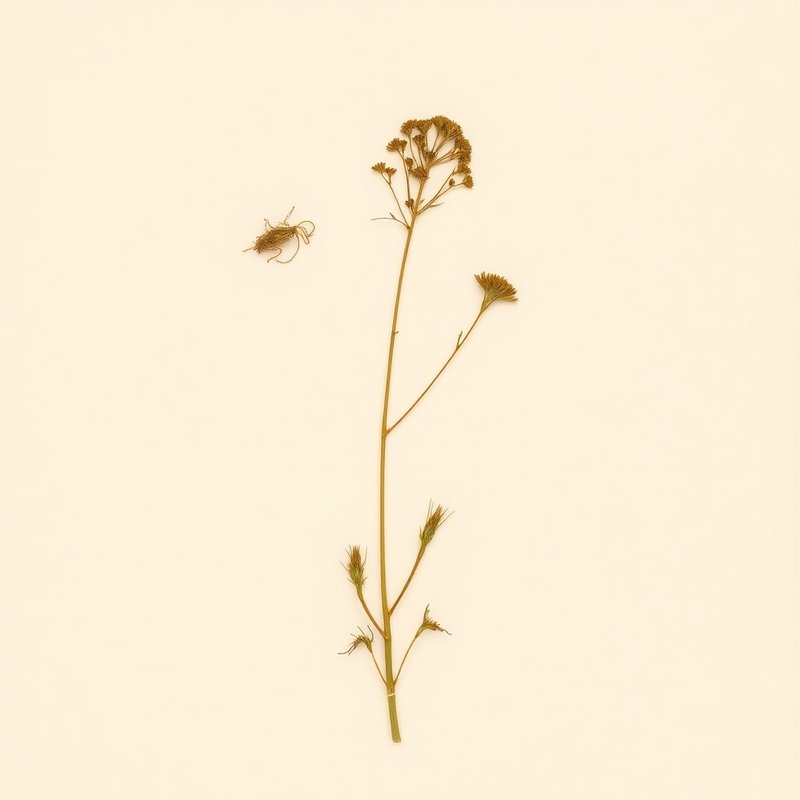
Limonium tetragonum, commonly known as sea lavender, is a biennial forb or herb native to Japan, Korea, Nansei-shoto, New Caledonia, Primorye, and introduced to Alabama and Bermuda. This plant thrives in full sun and prefers moist soil that can range from light (sandy) to heavy (clay), with an optimal pH between 6 and 8.5. It is hardy in USDA zones 5-9 and grows to a height of about 0.5 meters. Known for its ornamental value, sea lavender also has edible leaves that can be used in culinary applications. The distinctive feature of this plant includes its four-sided stems, which are a hallmark of the species. The leaves, which can be eaten raw in salads or cooked as a vegetable side dish, add a unique flavor to dishes. While primarily used for its ornamental and culinary purposes, sea lavender does not have known medicinal benefits.
What is Limonium tetragonum?
Limonium tetragonum, commonly known as sea lavender, is a biennial forb or herb native to Japan, Korea, Nansei-shoto, New Caledonia, Primorye, and introduced to Alabama and Bermuda.
VCultivation
Cultivation
How to grow Limonium tetragonum for the first time
Skip is a straightforward biennial plant for beginners, focusing on basic care and maintenance.
- 1
What you'll need
Seeds or young plants, a container with drainage holes, potting soil.
- 2
Best time to plant
Plant in spring after the last frost for outdoor growth.
- 3
Soil and container prep
Use well-draining soil with a pH between 6 and 8.5; ensure containers are at least 10 inches wide.
- 4
Sowing or transplanting
Direct sow seeds in the garden or start them indoors 4-6 weeks before outdoor planting; transplant young plants carefully.
- 5
First two weeks
Water regularly to keep soil moist but not waterlogged; avoid direct sunlight for a few days after planting.
- 6
Ongoing care
Provide full sun and regular watering, especially during dry spells. Deadhead flowers as needed to encourage more blooms.
- 7
Harvest or pruning
Prune dead leaves and spent flower heads to maintain plant health; cut back plants in late fall after the first frost.
- 8
Common mistakes
Overwatering, planting in heavy soil, neglecting to prune, not providing enough sunlight, sowing too early in spring.
VIEdible & utility
Edible & utility
VIIDistribution
31 native · 0 introduced
Distribution
31 native · 0 introducedIXSpecimen gallery
1 image
Specimen gallery
1 imageXSee also
8 related
See also
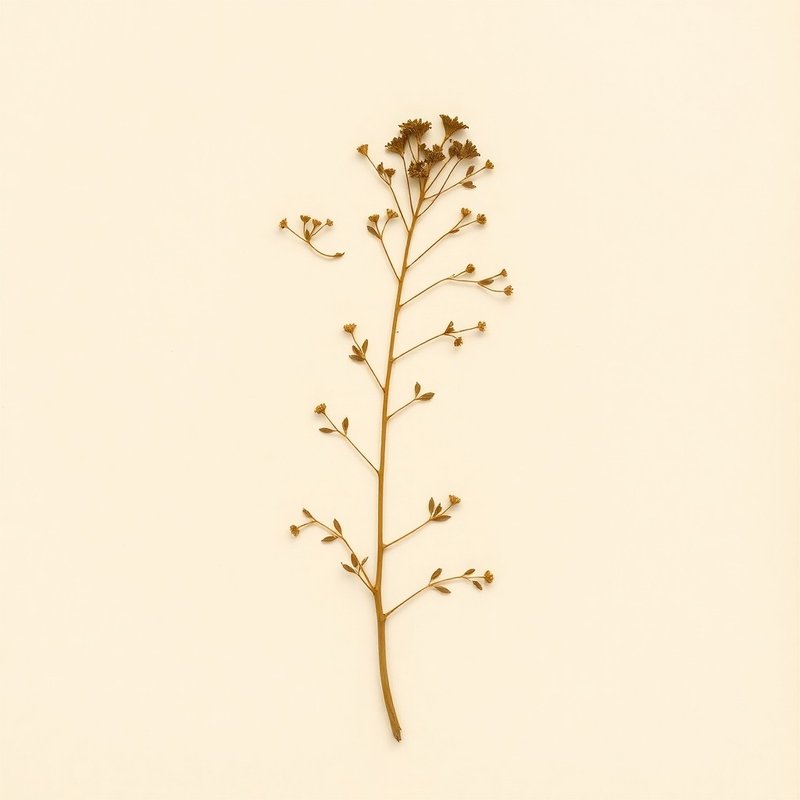
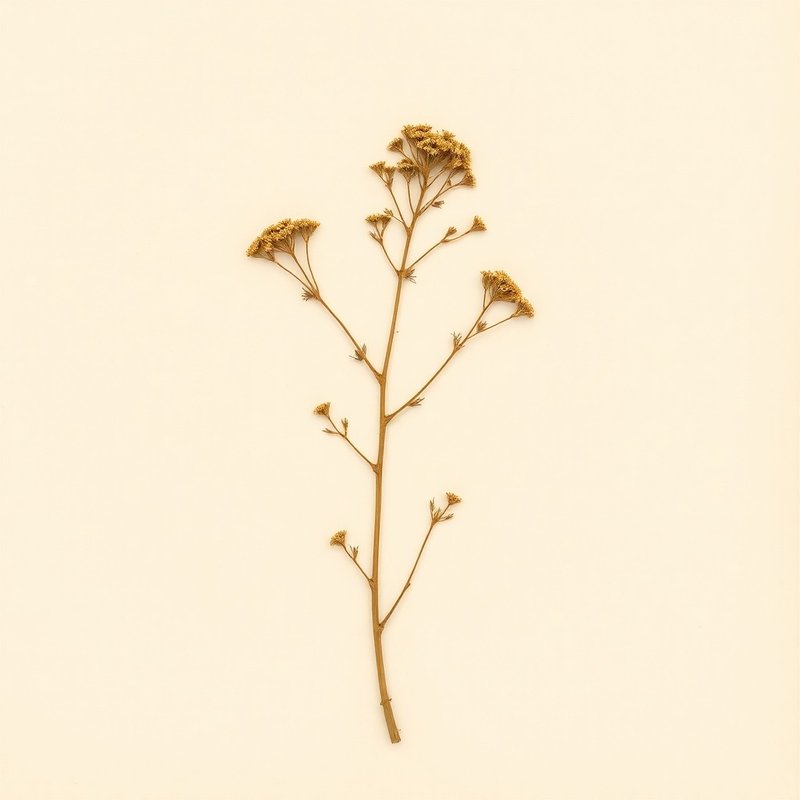
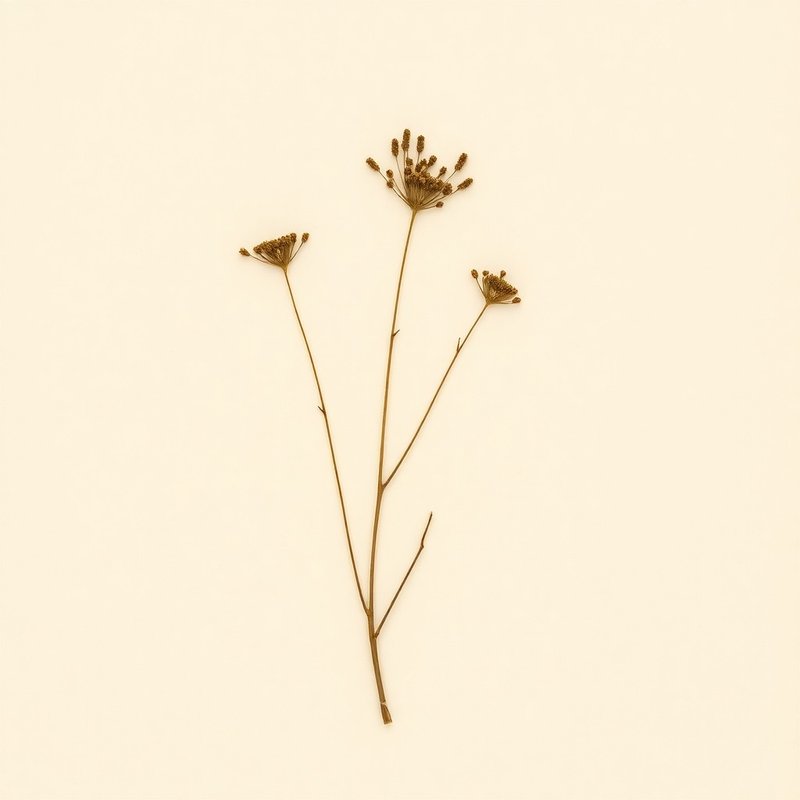
8 relatedPlants you might compare or use together — scored by shared family (Caryophyllaceae), common use cases, and growing requirements.

Explore further
About this entry
- Last updated
- Citation
- How to cite this entry · Submit a correction
Continue reading
Get archive updates
Occasional email when substantial new content lands — plant profiles, seasonal growing notes, folk-remedy additions. Free, no tracking, unsubscribe anytime.