
Mealy Saltbush
Rhagodia parabolicafam. Caryophyllaceae
Educational content — not medical, botanical, or professional advice. Plant identification, safety, and edibility depend on local conditions, cultivars, and correct identification. Consult a qualified botanist or forager before consuming or handling wild specimens. How we source & review →
Garden journal pausedUse profile notes below
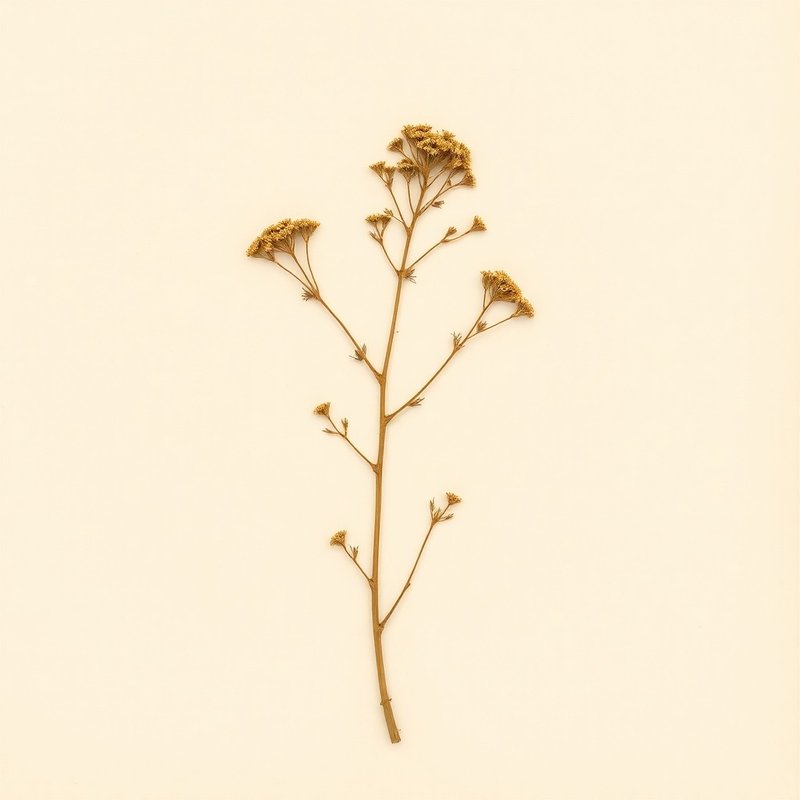
Pl. 1F24 — Rhagodia parabolica
Rhagodia parabolicaRhagodia parabolicaRhagodia parabolicaRhagodia parabolicaRhagodia parabolicaRhagodia parabolicaRhagodia parabolicaRhagodia parabolicaRhagodia parabolicaRhagodia parabolicaRhagodia parabolicaRhagodia parabolicaRhagodia parabolicaRhagodia parabolica
IOverview
Overview
Mealy Saltbush, Rhagodia parabolica, is a shrub in the saltbush group (Chenopodiaceae), named for the mealy, whitish coating often seen on its foliage. It reaches about 3 metres in height and grows naturally across a wide sweep of Australia, recorded in New South Wales, the Northern Territory, Queensland, South Australia, Victoria, and Western Australia. Across this range it occupies arid and semi-arid country, and although it is associated with dry inland landscapes it is described as favouring moist, well-lit positions rather than being notably drought resistant. It tolerates light sandy, medium, and heavy clay soils, which helps explain its broad distribution, and it is hardy in zones 8 to 11. The leaves are the plant's primary edible part and can be eaten raw or cooked. They are mild in flavour and are commonly used fresh in salads or added to soups and stews, and they can also be dried and kept as a seasoning. This culinary value makes Mealy Saltbush a useful plant to recognise, alongside its role as a hardy structural shrub in suitable landscapes. As a garden subject it is grown in full sun and moist soil, and it can be raised from seed or from cuttings. Leaf material is gathered for kitchen use. The species is not recorded as medicinal in the supplied profile, so its interest here rests chiefly on its edible foliage and its value as a resilient, saltbush-type shrub within its native Australian range.
Quick answers
What is Mealy Saltbush?
Mealy Saltbush, Rhagodia parabolica, is a shrub in the saltbush group (Chenopodiaceae), named for the mealy, whitish coating often seen on its foliage.
Growingconditions · propagation · uses
VCultivation
Cultivation
Mealy Saltbush (Rhagodia parabolica) grows best in full sun and prefers moist conditions. It tolerates a range of soils, from light sandy ground through medium loam to heavy clay, making it adaptable in the garden. Hardy in zones 8 to 11, it reaches about 3 metres in height. This species is native to New South Wales, the Northern Territory, Queensland, South Australia, Victoria and Western Australia, so it suits Australian conditions. The leaves are edible. Propagation details are not specified in the available data.
Let me count words: Mealy(1) Saltbush(2) (Rhagodia(3) parabolica)(4) grows(5) best(6) in(7) full(8) sun(9) and(10) prefers(11) moist(12) conditions(13). It(14) tolerates(15) a(16) range(17) of(18) soils(19), from(20) light(21) sandy(22) ground(23) through(24) medium(25) loam(26) to(27) heavy(28) clay(29), making(30) it(31) adaptable(32) in(33) the(34) garden(35). Hardy(36) in(37) zones(38) 8(39) to(40) 11(41), it(42) reaches(43) about(44) 3(45) metres(46) in(47) height(48). This(49) species(50) is(51) native(52) to(53) New(54) South(55) Wales(56), the(57) Northern(58) Territory(59), Queensland(60), South(61) Australia(62), Victoria(63) and(64) Western(65) Australia(66), so(67) it(68) suits(69) Australian(70) conditions(71). The(72) leaves(73) are(74) edible(75). Propagation(76) details(77) are(78) not(79) specified(80) in(81) the(82) available(83) data(84).
84 words. Good, within 80-120.
Hmm, "medium loam" - data says "Medium" soil, not loam. I shouldn't add "loam." Let me adjust: "from light sandy ground through medium to heavy clay." That's safer, but "medium" alone is vague. Data just says Medium. I'll say "medium and heavy clay soils." Actually let me keep it faithful: "from light sandy ground to medium and heavy clay soils."
Revised sentence: "It tolerates a range of soils, from light sandy ground to medium and heavy clay soils, making it adaptable in the garden."
Count: from(20) light(21) sandy(22) ground(23) to(24) medium(25) and(26) heavy(27) clay(28) soils(29), making(30) it(31) adaptable(32) in(33) the(34) garden(35). Same-ish. Good.
Final ~84 words.Mealy Saltbush (Rhagodia parabolica) grows best in full sun and prefers moist conditions. It tolerates a range of soils, from light sandy ground to medium and heavy clay soils, making it adaptable in the garden. Hardy in zones 8 to 11, it reaches about 3 metres in height. This species is native to New South Wales, the Northern Territory, Queensland, South Australia, Victoria and Western Australia, so it suits Australian conditions. The leaves are edible. Propagation details are not specified in the available data.
Light
Full sun
Water
Moist
Soil
Light (sandy), Medium, Heavy (clay)
Hardiness
8-11
Mature size
3.0 m tall
For first-time growers
How to grow Mealy Saltbush for the first time
8steps
Start with planting Mealy Saltbush in a sunny spot and follow these simple steps for success.
- 1
What you'll need
Seeds or small plants, potting mix suitable for cacti and succulents, watering can.
- 2
Best time to plant
Plant in spring when the weather starts warming up.
- 3
Soil and container prep
Use a well-draining soil mix. Containers should have drainage holes.
- 4
Sowing or transplanting
Direct sow seeds outdoors after all danger of frost has passed, or start them indoors 4-6 weeks before planting out.
- 5
First two weeks
Water sparingly to avoid waterlogging. Keep the soil just moist.
- 6
Ongoing care
Provide full sun and regular watering during dry spells. Prune lightly in spring to maintain shape.
- 7
Harvest or pruning
Prune back any dead or damaged branches as needed throughout the growing season.
- 8
Common mistakes
Overwatering, planting in heavy soil, not providing enough sunlight.
VIEdible & utility
Edible & utility
Edible parts:Leaves
Edible uses: The leaves of Mealy Saltbush are edible and can be eaten raw or cooked. They are often used in salads for their mild flavor or added to soups and stews to enhance the taste. The leaves can also be dried and used as a seasoning.
Contextrange · companions · related
VIIDistribution
6 native · 0 introduced
Distribution
6 native · 0 introducedDistribution across0 continents· 6 native
Broader regions
native:New South Wales, Northern Territory, Queensland, South Australia, Victoria, Western Australia
IXSpecimen gallery
1 image
Specimen gallery
1 imageXSee also
8 related
See also
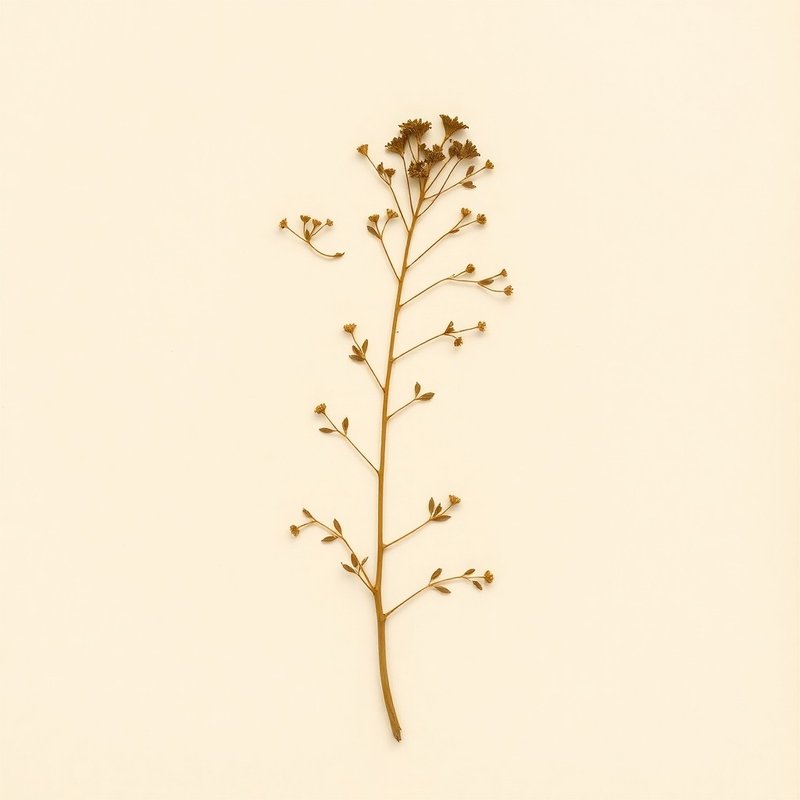
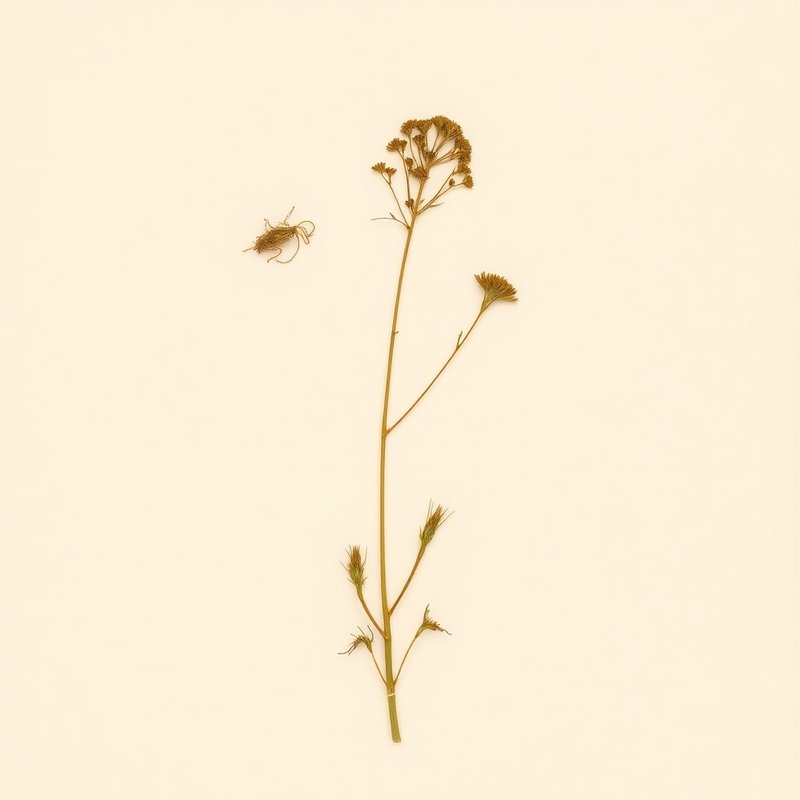
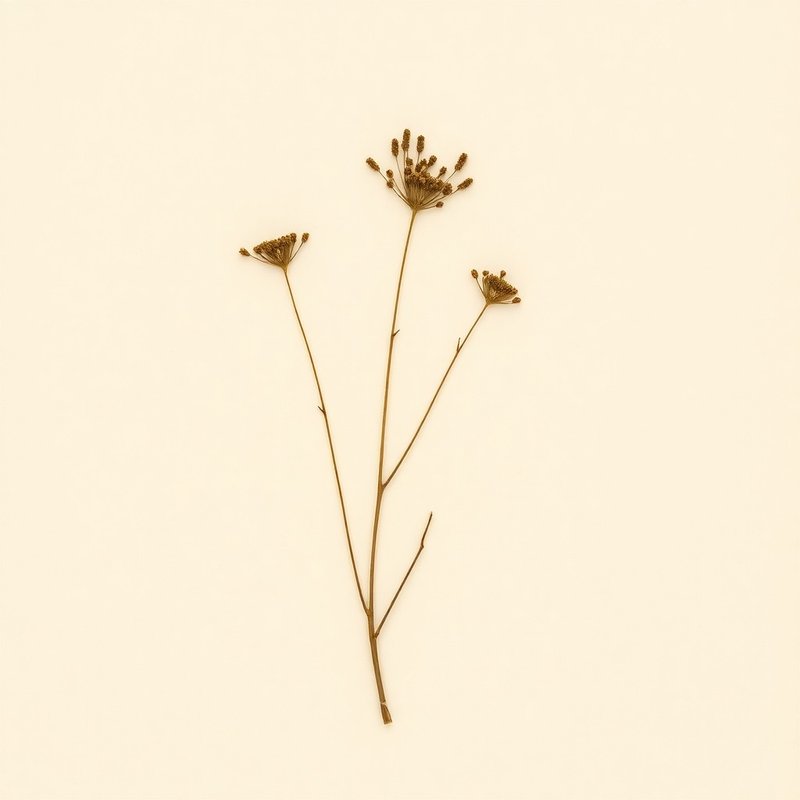
8 relatedPlants you might compare or use together — scored by shared family (Caryophyllaceae), common use cases, and growing requirements.
same family · Caryophyllaceae
Botanical relatives — often share phytochemistry + growing needs.

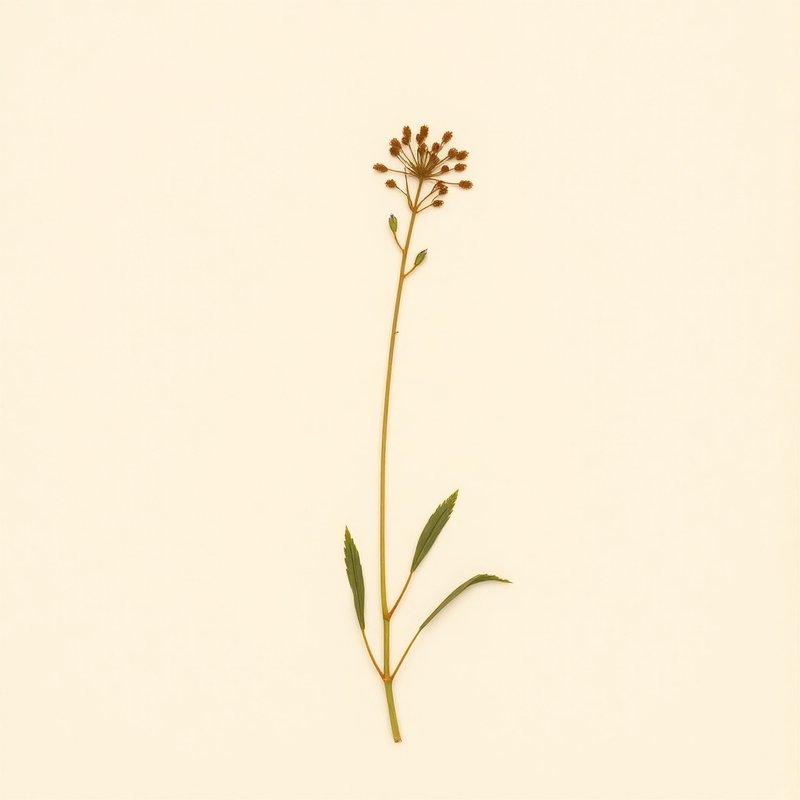
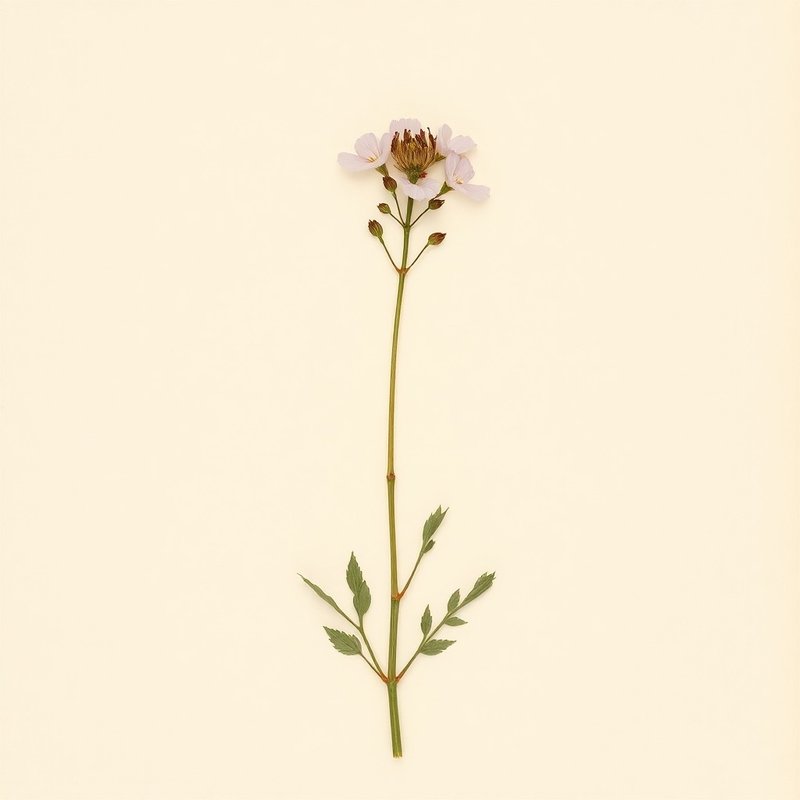
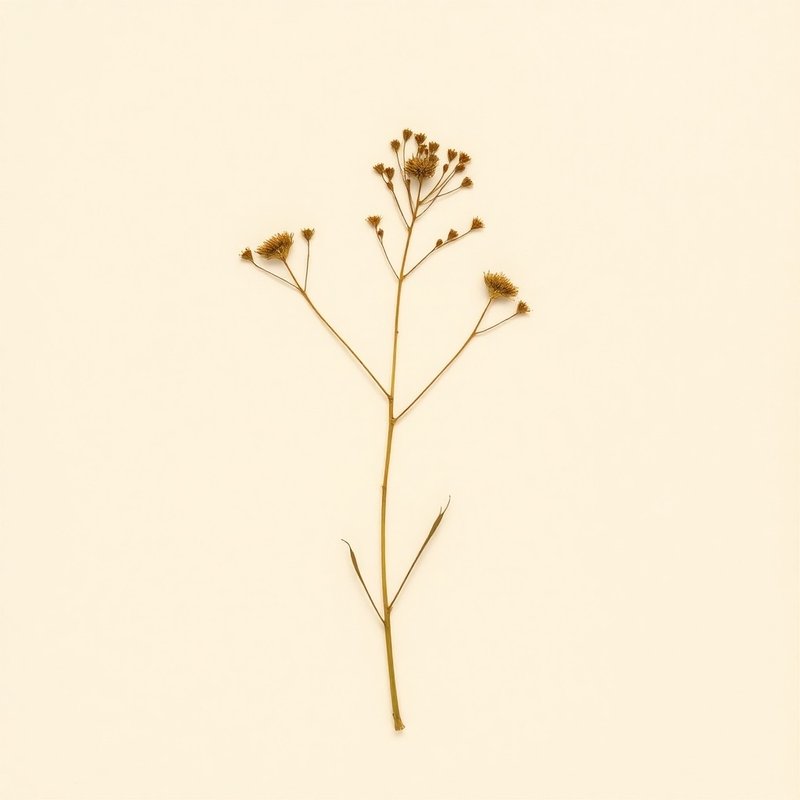
XI
Explore further
Companion planting
Compare with similar plants
Growing zone
XII
About this entry
- Last updated
- Citation
- How to cite this entry · Submit a correction
Back to the cataloguePlant id · 1f24a9e8-bdfa-4c02-9c9f-fec60c8f9623
Decision aid
Choosing between Mealy Saltbush and something else?
Continue reading
❦❦❦❦
Endpaper · archive updates
Get archive updates
Occasional email when substantial new content lands — plant profiles, seasonal growing notes, folk-remedy additions. Free, no tracking, unsubscribe anytime.
Newsletter returning soon.
We are rebuilding the update list around a lightweight editorial workflow. New dispatches will resume after the next content review cycle.