
Lupinus hirsutus
Lupinus hirsutusfam. Fabaceae
Educational content — not medical, botanical, or professional advice. Always consult a qualified clinician before using any herbal preparation — especially during pregnancy, breastfeeding, while on medication, or for children. How we source & review →
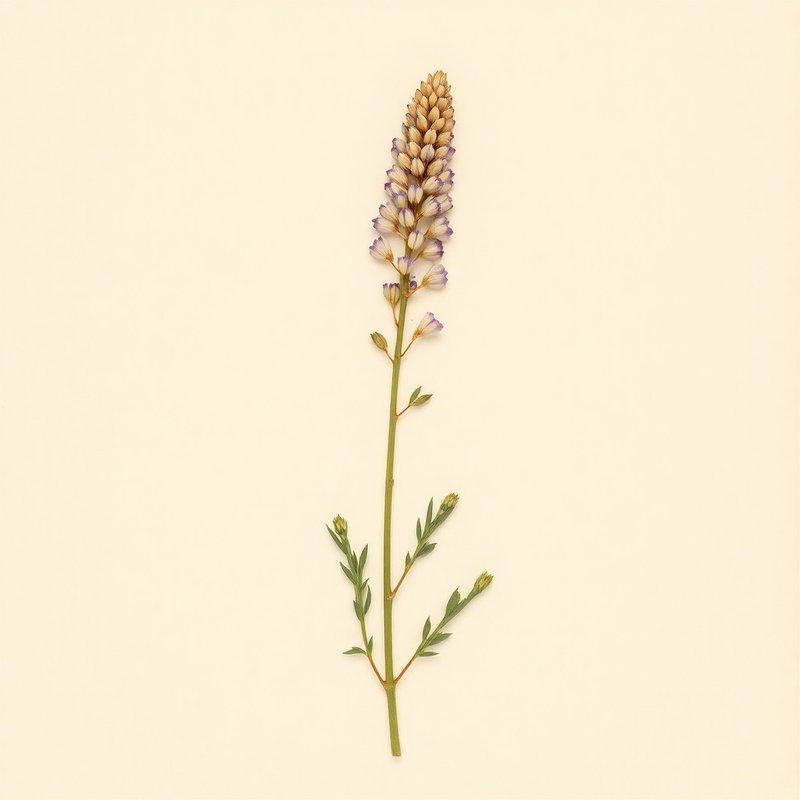
Pl. 2281 — Lupinus hirsutus
Lupinus hirsutusLupinus hirsutusLupinus hirsutusLupinus hirsutusLupinus hirsutusLupinus hirsutusLupinus hirsutusLupinus hirsutusLupinus hirsutusLupinus hirsutusLupinus hirsutusLupinus hirsutusLupinus hirsutusLupinus hirsutus
IOverview
Overview
Lupinus hirsutus, a member of the Fabaceae family, is an annual plant native to regions including Albania, East Aegean Islands, Greece, Kriti, Lebanon-Syria, Palestine, and Turkey. Known for its light requirements of full sun and adaptability to various soil types—ranging from light (sandy) to heavy (clay)—this plant thrives in moist conditions. Both edible and medicinal, L. hirsutus is valued for its seeds, which can be consumed directly or processed into various food products. Its versatility extends to traditional medicine where it has documented uses, making it a noteworthy species within its native range. One distinctive feature of this plant is its ability to grow in diverse environments, contributing to its widespread presence across the Mediterranean and Middle Eastern regions.
Quick answers
What is Lupinus hirsutus?
Lupinus hirsutus, a member of the Fabaceae family, is an annual plant native to regions including Albania, East Aegean Islands, Greece, Kriti, Lebanon-Syria, Palestine, and Turkey.
IV·bMixology suggestions
2 drafts
Mixology suggestions
2 draftsEditorial drafts. These pairings are AI-suggested from traditional herbal lore. Always verify with a qualified herbalist before brewing.
Digestive Ease
digestiontincture
Used for digestive issues in traditional herbal practices.
Growingconditions · propagation · uses
VCultivation
Cultivation
Lupinus hirsutus thrives in full sun and prefers moist but well-drained soil that can be light (sandy), medium, or heavy (clay). This annual plant is native to regions like Albania, Greece, and Turkey, making it adaptable to similar climates. For cultivation, ensure the soil remains consistently moist while providing ample sunlight. Given its hardiness in temperate regions, it should perform well in a wide range of garden settings without specific zone requirements. Harvest seeds for edible use.
Light
Full sun
Water
Moist
Soil
Light (sandy), Medium, Heavy (clay)
Life cycle
Annual
For first-time growers
How to grow Lupinus hirsutus for the first time
8steps
Start with planting Skip seeds in a sunny spot, and follow these simple steps for success.
- 1
What you'll need
Skip seeds, a small trowel or your hands, and a packet of information on growing conditions.
- 2
Best time to plant
Plant Skip seeds in early spring when the soil is moist and warm enough for planting.
- 3
Soil and container prep
Choose a location with well-draining soil that can be light (sandy), medium, or heavy (clay). Ensure the area gets full sun.
- 4
Sowing or transplanting
Sow seeds 1-2 inches deep in rows spaced about 6-8 inches apart. Water gently after planting.
- 5
First two weeks
Keep the soil moist but not waterlogged during germination, which can take up to three weeks.
- 6
Ongoing care
Water regularly and mulch around plants to retain moisture and suppress weeds. Fertilize sparingly if needed.
- 7
Harvest or pruning
Prune dead flowers after blooming to encourage more blooms, but wait until the plant is well-established before harvesting seeds.
- 8
Common mistakes
Overwatering, planting in poorly drained soil, and not providing enough sunlight are common pitfalls.
VIEdible & utility
Edible & utility
Edible parts:Seed
Edible uses: The seeds of Lupinus hirsutus are edible and can be eaten raw or cooked. They are often prepared by roasting to enhance their flavor. Skip the detailed preparation steps as per the given data.
Other uses:Dynamic accumulatorNitrogen fixer
Contextrange · companions · related
VIIDistribution
22 native · 8 introduced
Distribution
22 native · 8 introducedDistribution across3 continents· 22 native· 8 introduced
Europe8 regions
native (7)AlbaniaCyprusFranceGreeceItalyPortugalSpain
introduced (1)Russia
Asia6 regions
native (2)PalestineTurkey
introduced (4)BangladeshIndiaNepalPakistan
Africa5 regions
native (4)AlgeriaLibyaMoroccoTunisia
introduced (1)Tanzania
Broader regions
native:East Aegean Is., Kriti, Lebanon-Syria, Yugoslavia, Turkey-in-Europe
introduced:Cape Provinces, New South Wales
IXSpecimen gallery
1 image
Specimen gallery
1 imageXSee also
8 related
See also
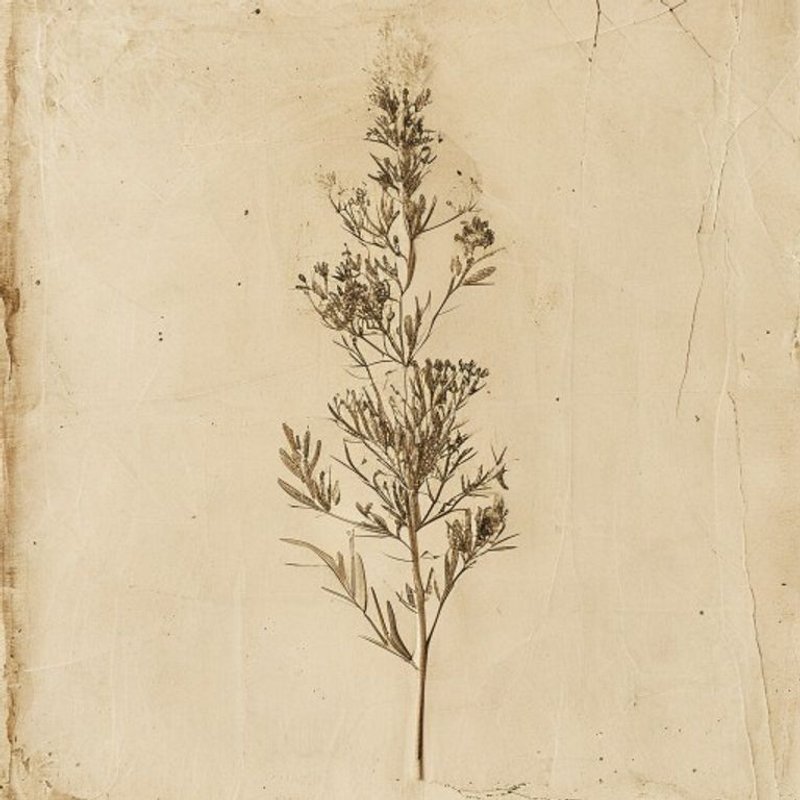
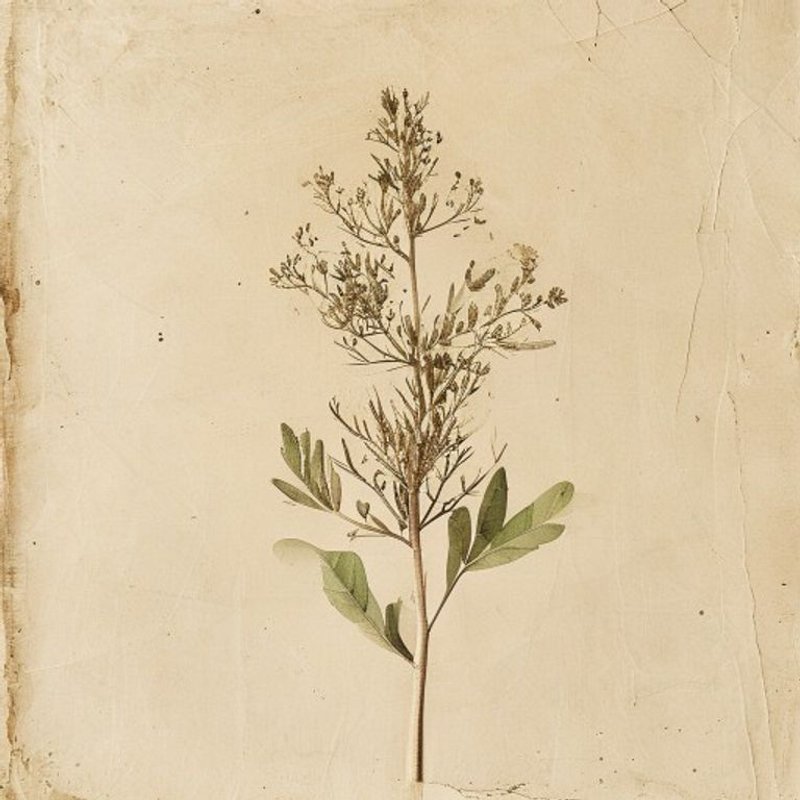
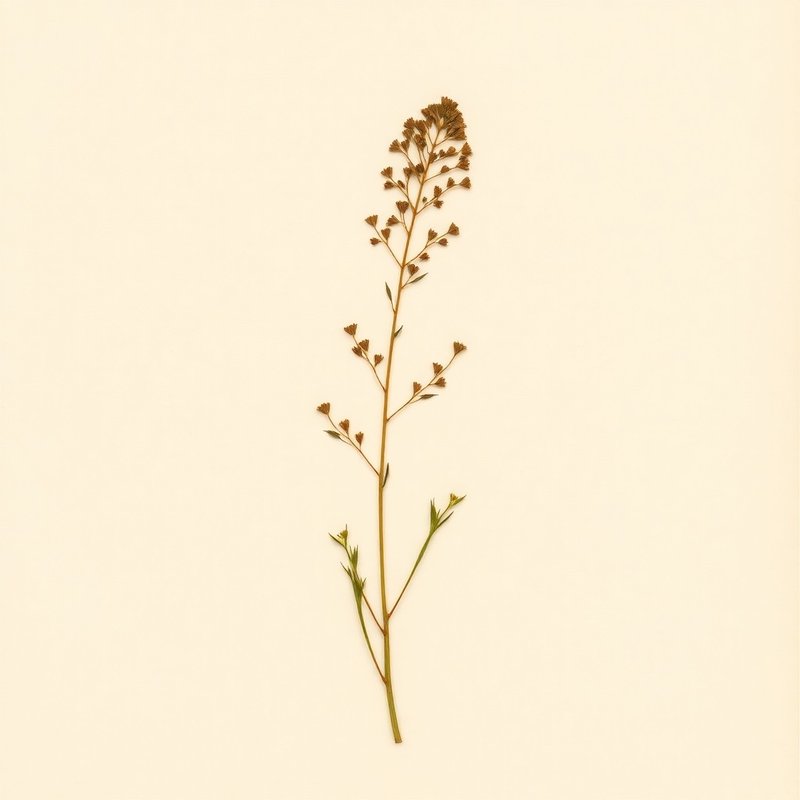
8 relatedPlants you might compare or use together — scored by shared family (Fabaceae), common use cases, and growing requirements.
same family · Fabaceae
Botanical relatives — often share phytochemistry + growing needs.

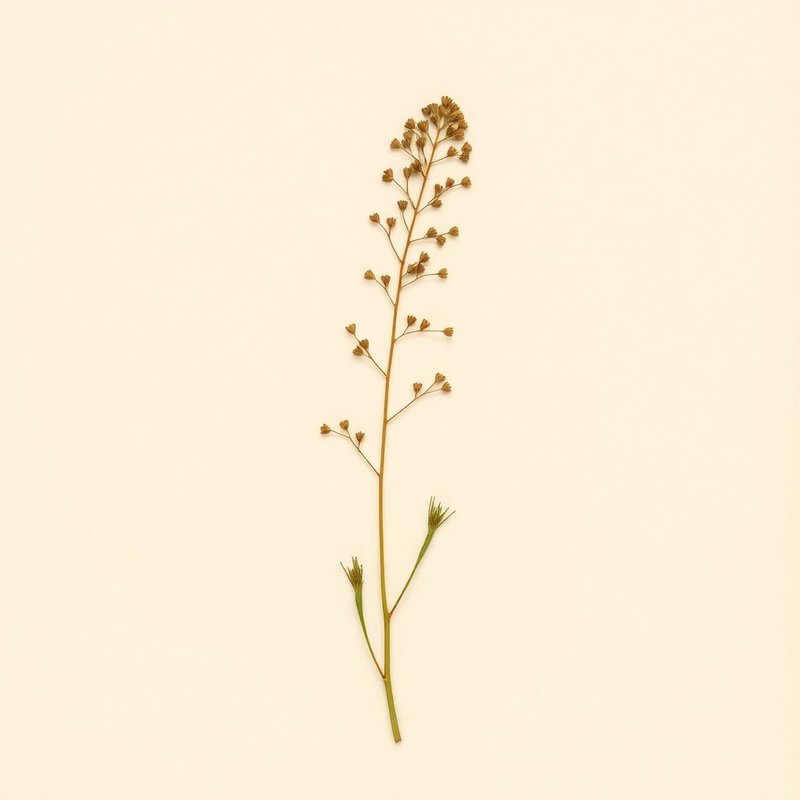
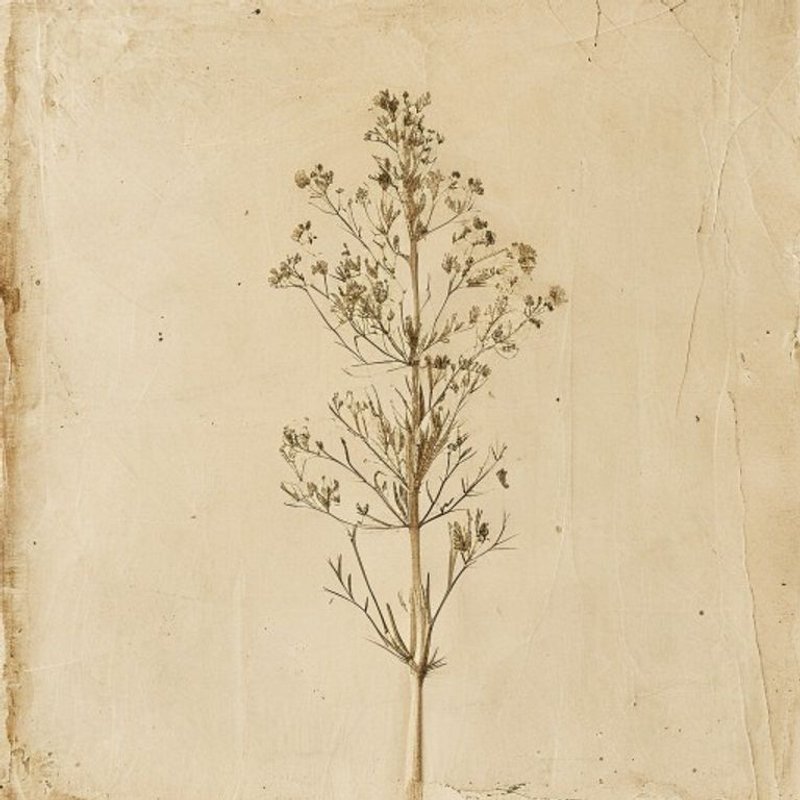
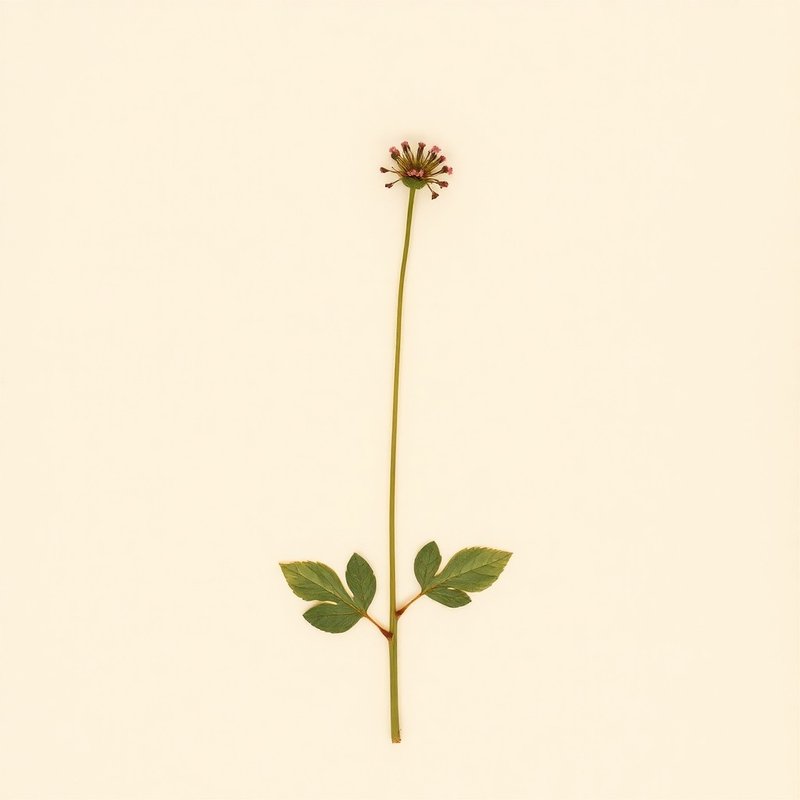
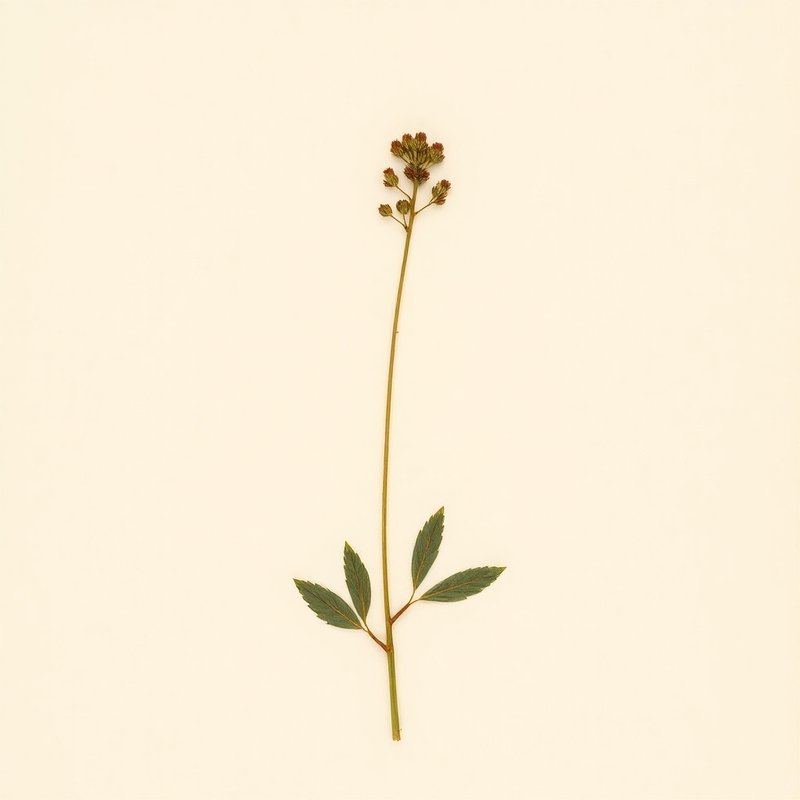
XI
Explore further
Companion planting
Compare with similar plants
XII
About this entry
- Last updated
- Citation
- How to cite this entry · Submit a correction
Back to the cataloguePlant id · 22814b33-d5b7-4c5e-9525-f4132314bf05
Decision aid
Choosing between Lupinus hirsutus and something else?
Continue reading
❦❦❦❦
Endpaper · archive updates
Get archive updates
Occasional email when substantial new content lands — plant profiles, seasonal growing notes, folk-remedy additions. Free, no tracking, unsubscribe anytime.