
Moon Trefoil
IOverview
Overview
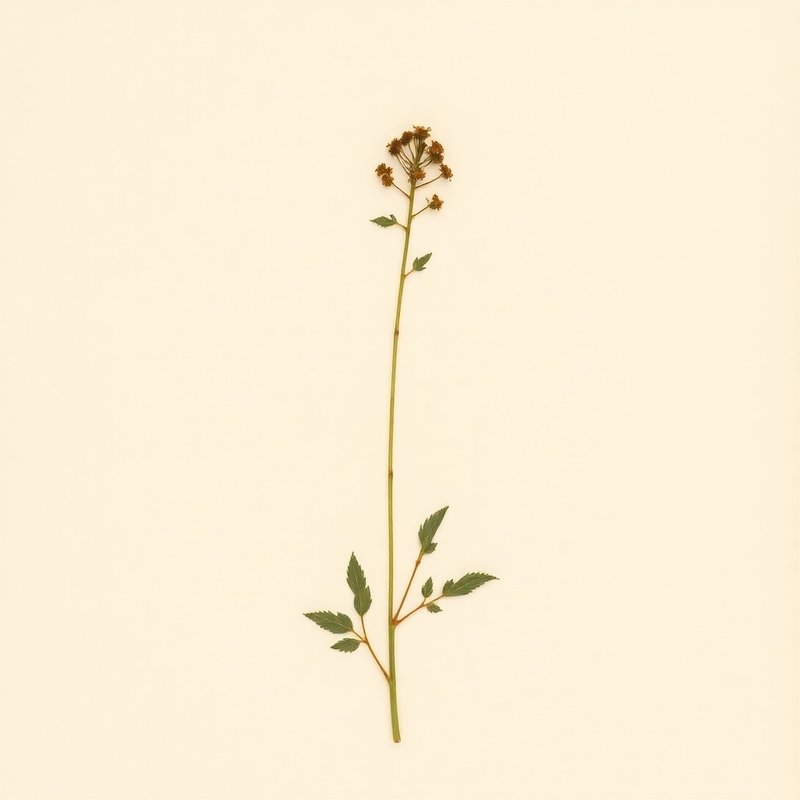
Moon Trefoil, scientifically known as Medicago arborea, is a shrub belonging to the Fabaceae or leguminosae family. Native to Mediterranean regions including Albania, Baleares, East Aegean Islands, Greece, Italy, Kriti, Sardegna, Sicilia, and Spain, as well as Turkey, this plant has also been introduced to various other areas such as Algeria, Canary Islands, Chile, China, Cyprus, France, Morocco, New Zealand, Palestine, Portugal, Queensland, Tasmania, Tunisia, and Uruguay. Moon Trefoil is both edible and medicinal, with its leaves and shoots often used in salads for their mild flavor. It thrives in a variety of soil types, including light (sandy), medium, and heavy (clay) soils, with a pH range of 6.5 to 7. This plant can grow up to 2 meters tall and is known for its distinctive light green foliage, which adds ornamental value to gardens. Moon Trefoil is a nitrogen fixer and can improve soil fertility, making it a valuable addition to agricultural landscapes. While it is generally safe, caution should be exercised when using any plant for medicinal purposes, as individual reactions may vary.
What is Moon Trefoil?
Moon Trefoil, scientifically known as Medicago arborea, is a shrub belonging to the Fabaceae or leguminosae family.
IV·bMixology suggestions
2 drafts
Mixology suggestions
2 draftsVCultivation
Cultivation
How to grow Moon Trefoil for the first time
Moon Trefoil is a hardy plant that can be grown by beginners with basic care.
- 1
What you'll need
Seeds or seedlings, a garden fork, and a rake.
- 2
Best time to plant
Plant in spring after the last frost or in fall before the first freeze.
- 3
Soil and container prep
Prepare soil that is well-draining with a pH between 6.5 and 7, and loosen it to a depth of about 30 cm.
- 4
Sowing or transplanting
Direct sow seeds 1-2 cm deep in rows spaced 30-45 cm apart, or transplant seedlings into the prepared soil.
- 5
First two weeks
Water regularly to keep the soil moist but not waterlogged. Monitor for pests and diseases.
- 6
Ongoing care
Water deeply once a week, depending on rainfall. Fertilize with compost in early spring. Mulch around plants to retain moisture.
- 7
Harvest or pruning
Prune back after flowering to encourage new growth and prevent the plant from becoming too leggy.
- 8
Common mistakes
Overwatering, planting in heavy clay soil, neglecting to mulch, and not providing enough light.
VIEdible & utility
Edible & utility
VIIDistribution
10 native · 16 introduced
Distribution
10 native · 16 introducedIXSpecimen gallery
1 image
Specimen gallery
1 imageXSee also
8 related
See also
8 relatedPlants you might compare or use together — scored by shared family (Fabaceae), common use cases, and growing requirements.





Explore further
About this entry
- Last updated
- Citation
- How to cite this entry · Submit a correction
Continue reading
Get archive updates
Occasional email when substantial new content lands — plant profiles, seasonal growing notes, folk-remedy additions. Free, no tracking, unsubscribe anytime.