
Megacarpaea delavayi
IOverview
Overview
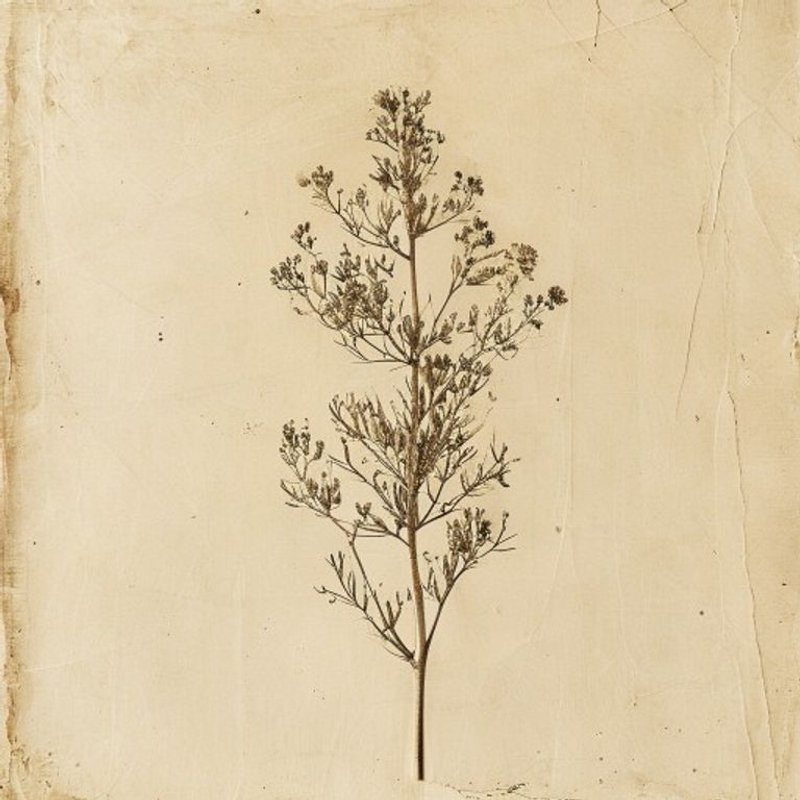
Megacarpaea delavayi, a perennial plant from the Fabaceae family, is native to the mountainous regions of China's North-Central and South-Central areas, as well as parts of Myanmar, Qinghai, and Tibet. This plant thrives in full sun and prefers moist, well-draining soil that is either light (sandy) or medium in texture. Standing at approximately 0.8 meters tall, Megacarpaea delavayi is known for its edible roots, which can be prepared in various ways, including cooking or drying for later use. The plant's adaptability to harsh climates makes it a valuable resource in local cuisines and contributes to its significance as both an ornamental and culinary plant. While not medicinal, its edible roots provide a sustainable food source in its native habitat. For cultivation, ensure the plant receives ample sunlight and maintains consistent moisture levels, as it prefers moist, well-draining soil. Propagation can be achieved through root cuttings.
What is Megacarpaea delavayi?
Megacarpaea delavayi, a perennial plant from the Fabaceae family, is native to the mountainous regions of China's North-Central and South-Central areas, as well as parts of Myanmar, Qinghai, and Tibet.
VCultivation
Cultivation
How to grow Megacarpaea delavayi for the first time
Start with a simple planting approach to grow Megacarpaea delavayi as an easy-to-care-for perennial.
- 1
What you'll need
A small plant or seeds, a pot if container gardening, and basic tools like a trowel.
- 2
Best time to plant
Plant in spring when the soil is moist but not waterlogged.
- 3
Soil and container prep
Use light, well-draining soil. Ensure containers have drainage holes.
- 4
Sowing or transplanting
Transplant a small plant or sow seeds directly into the ground after danger of frost passes.
- 5
First two weeks
Water regularly to keep the soil moist but not soggy, and protect from strong sun.
- 6
Ongoing care
Provide full sun exposure. Water when the top inch of soil feels dry. Prune lightly in spring.
- 7
Harvest or pruning
Prune to maintain shape and remove dead growth as needed, usually in early spring.
- 8
Common mistakes
Overwatering, planting in heavy soils, and not providing enough sunlight are common issues.
VIEdible & utility
Edible & utility
VIIDistribution
5 native · 0 introduced
Distribution
5 native · 0 introducedIXSpecimen gallery
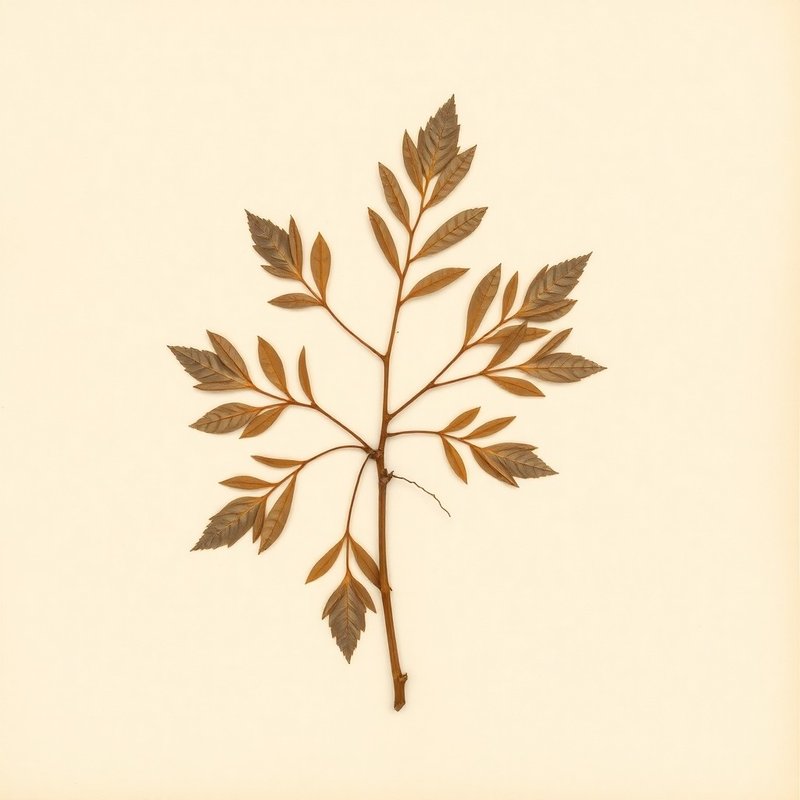
1 image
Specimen gallery
1 imageXSee also
8 related
See also
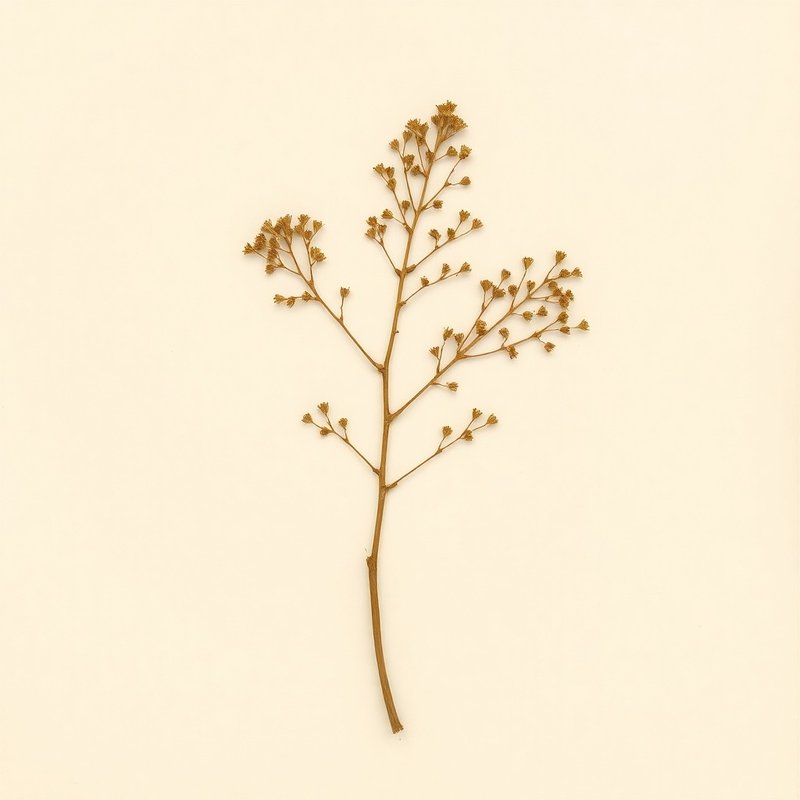
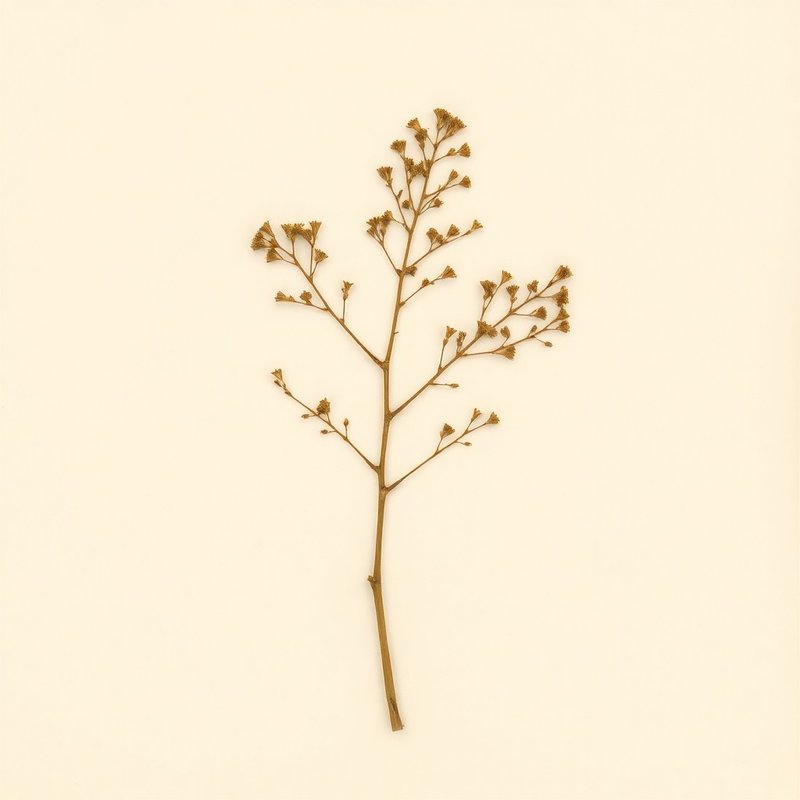
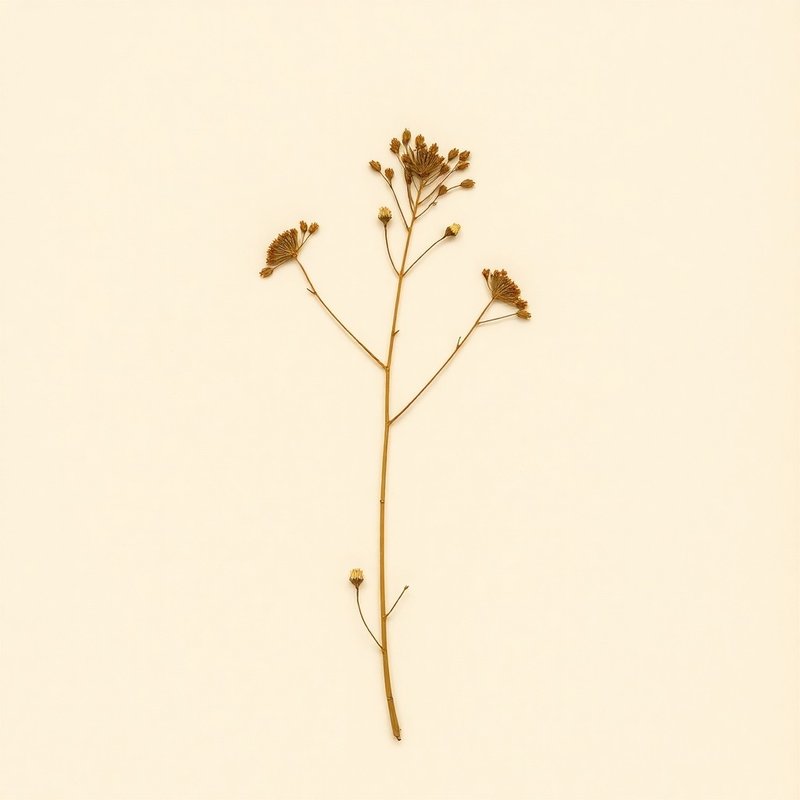
8 relatedPlants you might compare or use together — scored by shared family (Fabaceae), common use cases, and growing requirements.
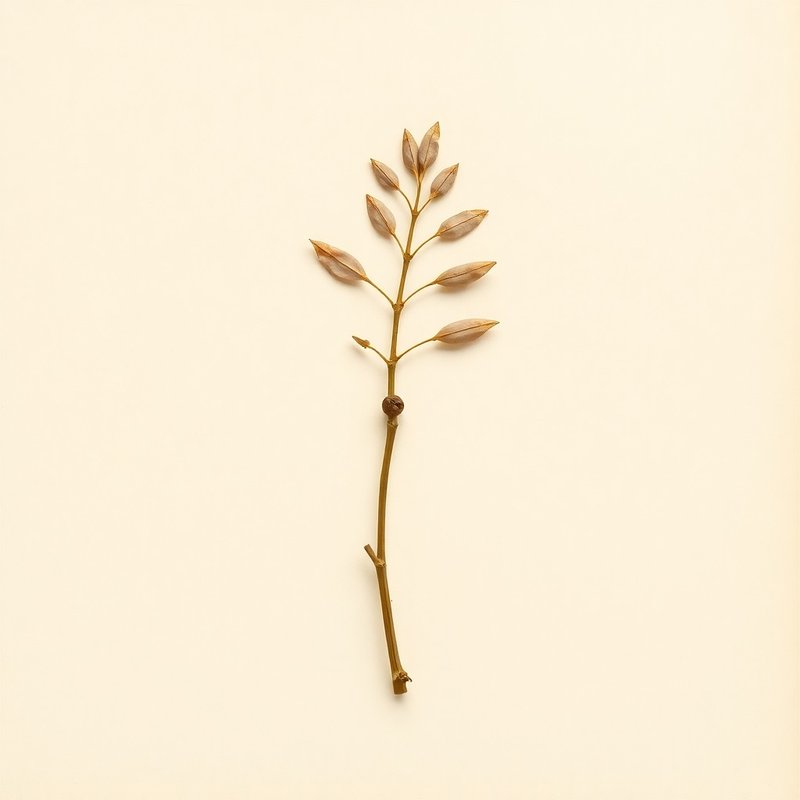
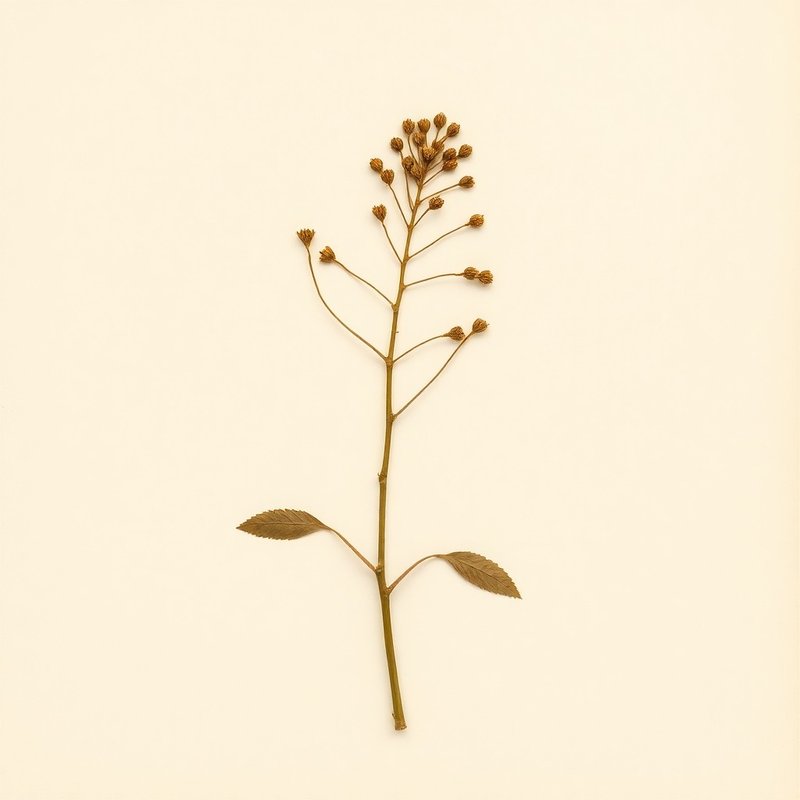
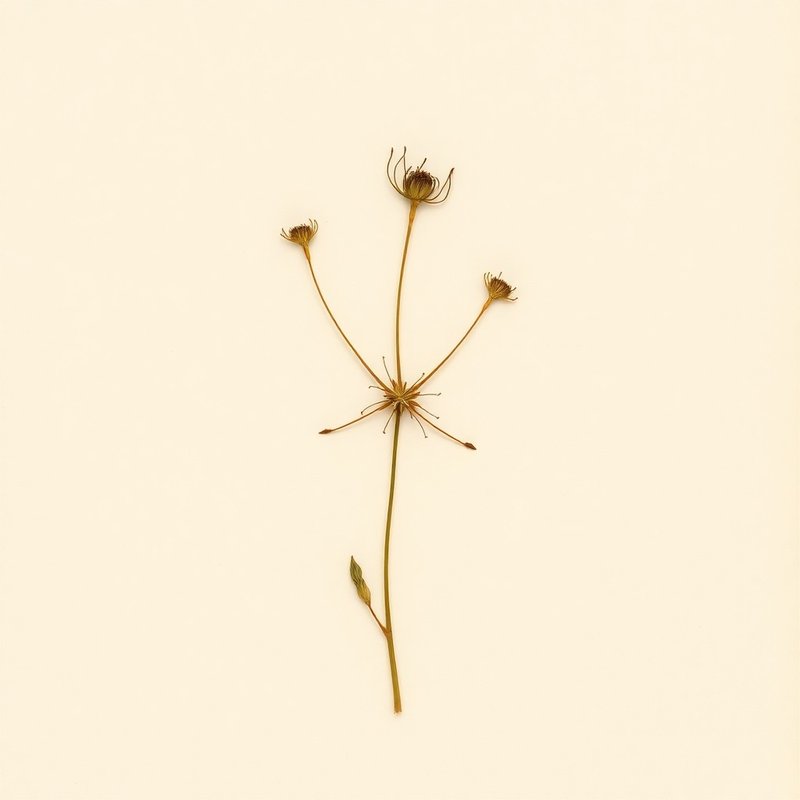
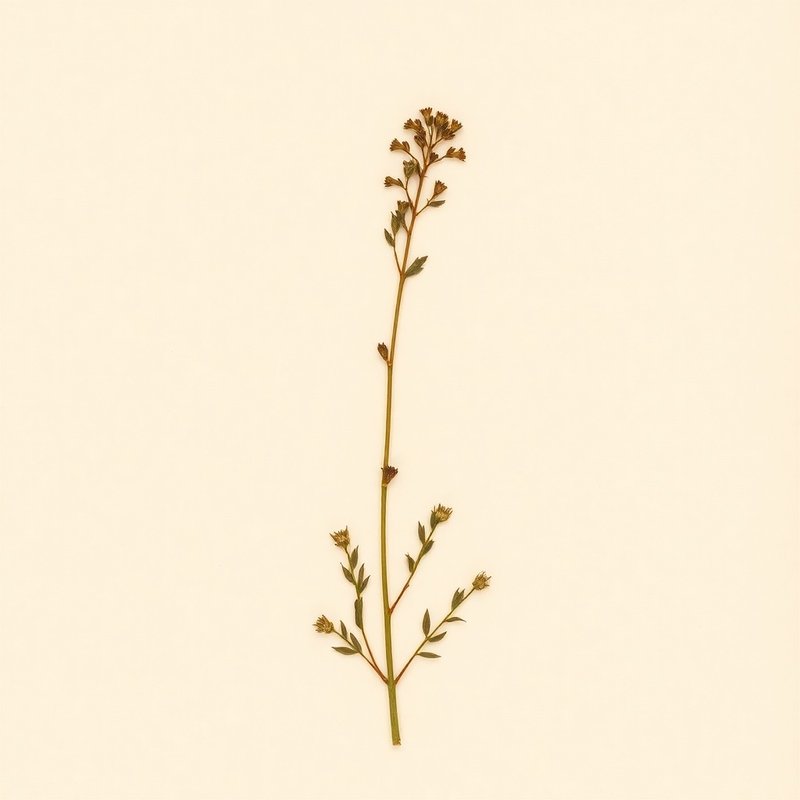
Explore further
About this entry
- Last updated
- Citation
- How to cite this entry · Submit a correction
Continue reading
Get archive updates
Occasional email when substantial new content lands — plant profiles, seasonal growing notes, folk-remedy additions. Free, no tracking, unsubscribe anytime.