
Monkey Musk
Mimulus luteusfam. Scrophulariaceae
Educational content — not medical, botanical, or professional advice. Always consult a qualified clinician before using any herbal preparation — especially during pregnancy, breastfeeding, while on medication, or for children. How we source & review →

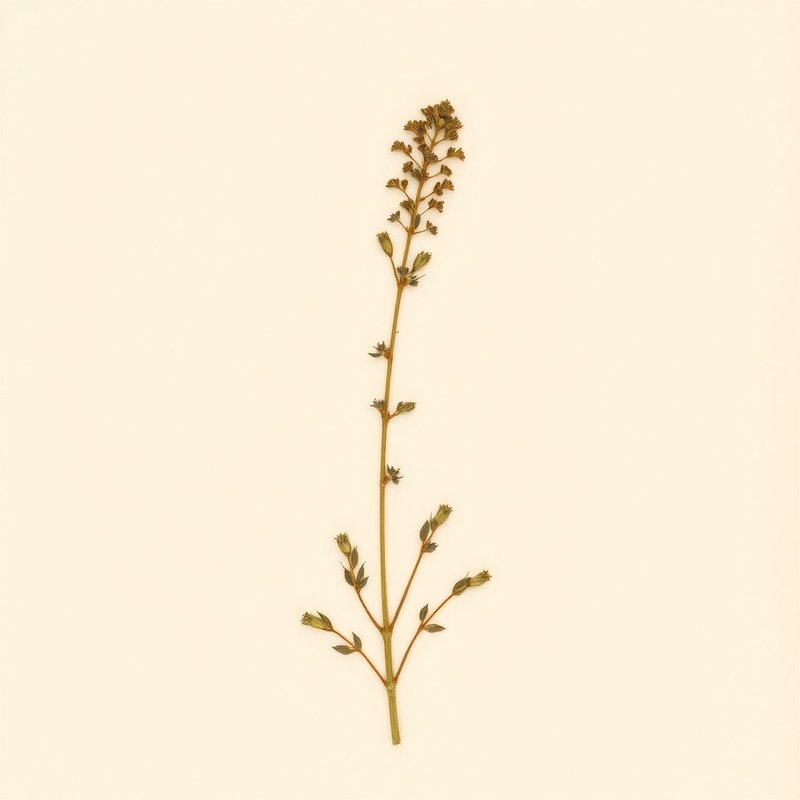
Pl. C049 — Mimulus luteus
Mimulus luteusMimulus luteusMimulus luteusMimulus luteusMimulus luteusMimulus luteusMimulus luteusMimulus luteusMimulus luteusMimulus luteusMimulus luteusMimulus luteusMimulus luteusMimulus luteus
IOverview
Overview
Monkey Musk (Mimulus luteus), a member of the Scrophulariaceae family, is native to the central and southern regions of Chile and northwest Argentina. Known for its ornamental value and use in traditional medicine, this plant thrives in moist, wet conditions with light to partial sun exposure. It grows well in various soil types—light (sandy), medium, and heavy (clay)—and is hardy in zones 6-9, making it a perennial choice for gardens. The edible parts include the leaves, which can be enjoyed raw or cooked. This plant's distinctive feature lies in its light yellow flowers that resemble small trumpets, often attracting pollinators like bees and butterflies.
Quick answers
What is Monkey Musk?
Monkey Musk (Mimulus luteus), a member of the Scrophulariaceae family, is native to the central and southern regions of Chile and northwest Argentina. Known for its ornamental value and use in traditional medicine, this plant thrives in moist, wet conditions with light to partial sun exposure.
IV·bMixology suggestions
2 drafts
Mixology suggestions
2 draftsEditorial drafts. These pairings are AI-suggested from traditional herbal lore. Always verify with a qualified herbalist before brewing.
Calm Mind
focustincture
Used traditionally to soothe the mind and enhance concentration.
Restful Night
sleeptea
Traditional bedtime infusion for restful sleep.
Growingconditions · propagation · uses
VCultivation
Cultivation
Monkey Musk thrives in full to partial sun and prefers moist to wet soil that is light (sandy), medium, or heavy (clay). It grows best in hardiness zones 6-9 and can be propagated through division. The plant reaches a height of about 0.3 meters and is perennial. Its edible leaves can be harvested for use.
Light
Full sun, Partial sun/shade
Water
Moist, Wet
Soil
Light (sandy), Medium, Heavy (clay)
Hardiness
6-9
Life cycle
Perennial
Mature size
0.3 m tall
For first-time growers
How to grow Monkey Musk for the first time
8steps
Start with planting Monkey Musk in a sunny spot with moist soil, and you'll have a rewarding experience.
- 1
What you'll need
Seeds or small plants, garden tools for digging, containers if starting indoors.
- 2
Best time to plant
Plant in spring after the last frost or in fall before the first freeze.
- 3
Soil and container prep
Prepare soil that is light (sandy), medium, or heavy (clay) with good drainage. Ensure containers have holes for excess water to escape.
- 4
Sowing or transplanting
Start seeds indoors 6-8 weeks before the last frost date, then transplant outdoors after danger of frost passes. Alternatively, plant small outdoor plants directly in the garden.
- 5
First two weeks
Water regularly to keep soil moist but not waterlogged. Monitor for pests and diseases, treating if necessary.
- 6
Ongoing care
Provide full sun or partial shade, depending on local climate. Water when soil feels dry 1-2 inches below the surface. Deadhead flowers to encourage more blooms.
- 7
Harvest or pruning
Prune dead or yellowing leaves to maintain plant health and appearance. Cut back spent flower stems for a tidier look.
- 8
Common mistakes
Overwatering, planting in too much shade, neglecting regular pruning, not providing enough sunlight.
VIEdible & utility
Edible & utility
Edible parts:Leaves
Edible uses: The leaves of the Monkey Musk plant (Mimulus luteus) are edible and can be consumed fresh or cooked. They are often used in salads for their mild flavor or added to soups and stews to enhance the dish. Skip the raw consumption as cooking may improve digestibility.
Contextrange · companions · related
VIIDistribution
5 native · 3 introduced
Distribution
5 native · 3 introducedDistribution across1 continent· 5 native· 3 introduced
Europe1 region
introduced (1)United Kingdom
Broader regions
native:Argentina Northwest, Chile Central, Chile North, Chile South, Argentina South
introduced:Victoria, Jawa
IXSpecimen gallery
1 image
Specimen gallery
1 imageXSee also
8 related
See also
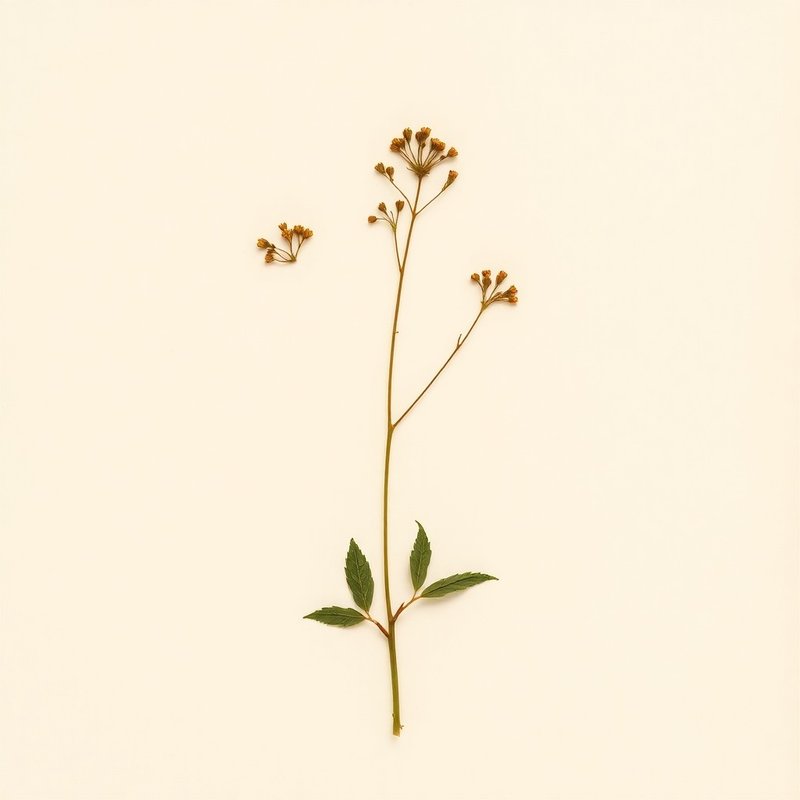
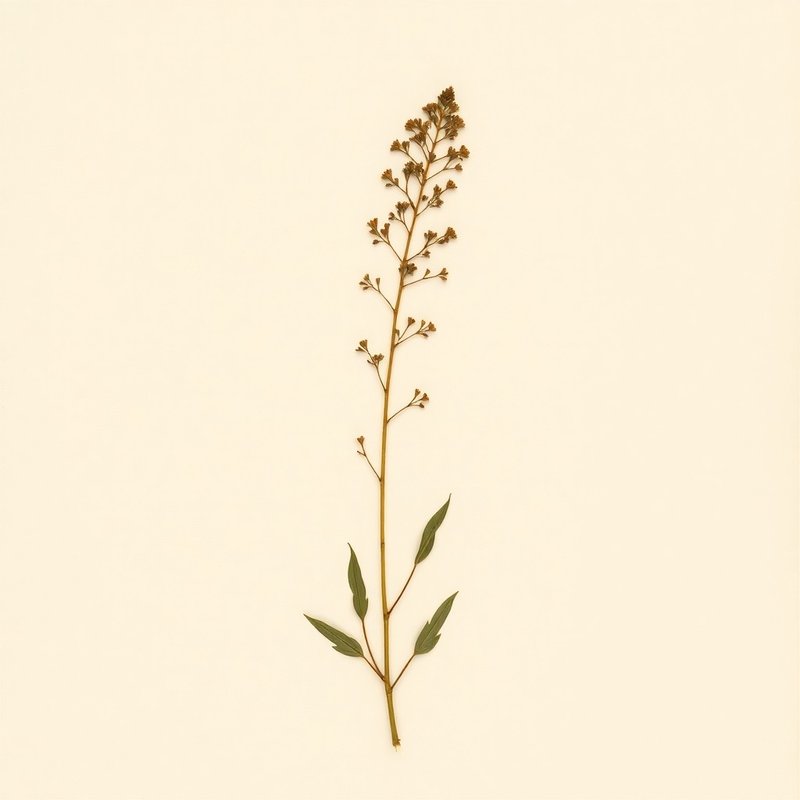
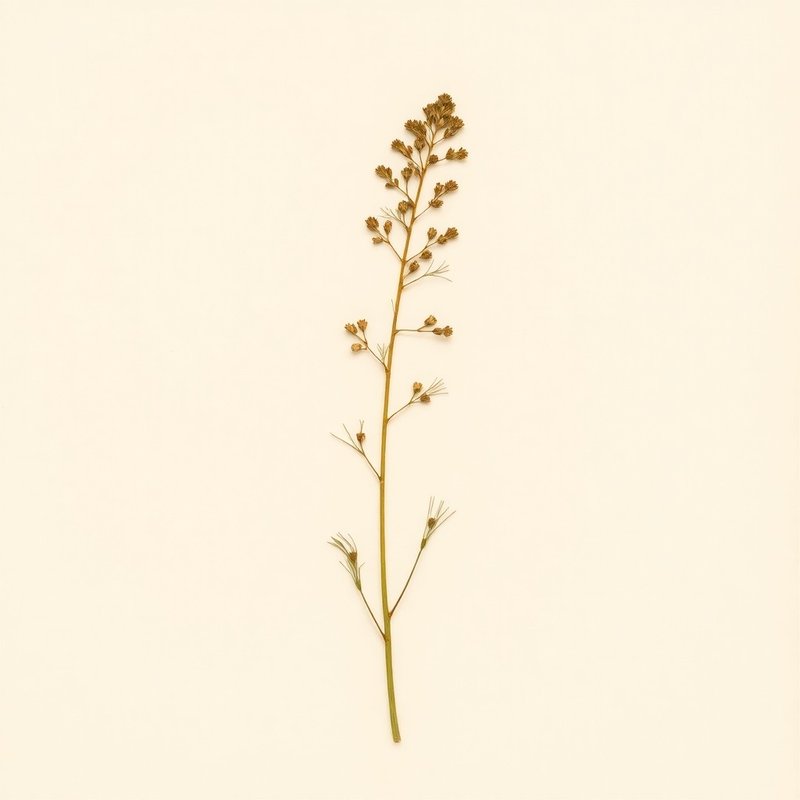
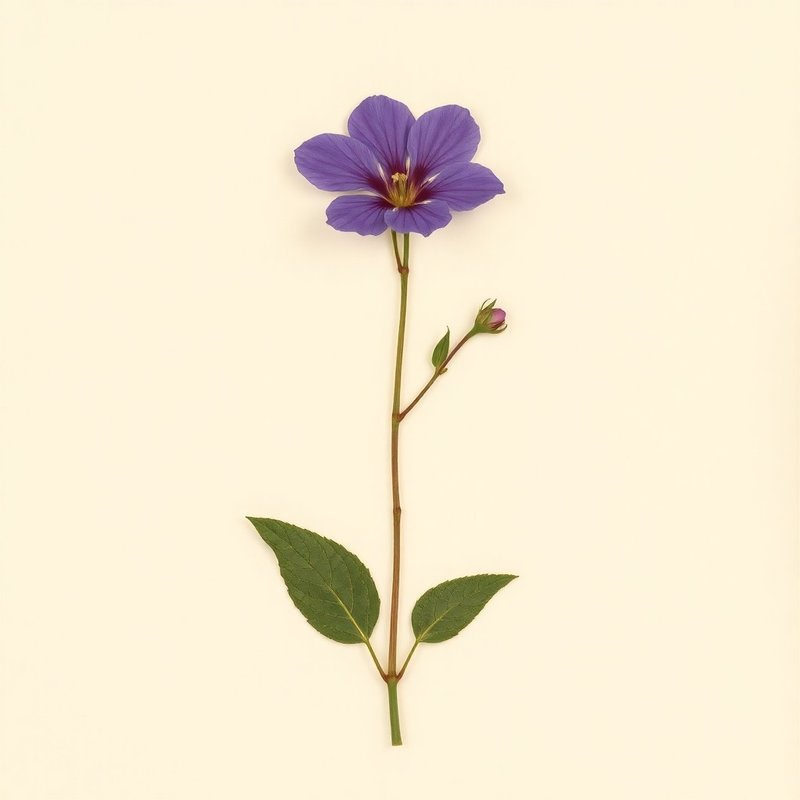
8 relatedPlants you might compare or use together — scored by shared family (Scrophulariaceae), common use cases, and growing requirements.
same family · Scrophulariaceae
Botanical relatives — often share phytochemistry + growing needs.



XI
Explore further
Companion planting
Compare with similar plants
Growing zone
XII
About this entry
- Last updated
- Citation
- How to cite this entry · Submit a correction
Back to the cataloguePlant id · c0493c09-add3-4300-9006-7b020ae2952e
Decision aid
Choosing between Monkey Musk and something else?
Continue reading
❦❦❦❦
Endpaper · archive updates
Get archive updates
Occasional email when substantial new content lands — plant profiles, seasonal growing notes, folk-remedy additions. Free, no tracking, unsubscribe anytime.