
Adder's Tongue
Ophioglossum vulgatumfam. Ophioglossaceae
Educational content — not medical, botanical, or professional advice. Plant identification, safety, and edibility depend on local conditions, cultivars, and correct identification. Consult a qualified botanist or forager before consuming or handling wild specimens. How we source & review →
Garden journal pausedUse profile notes below
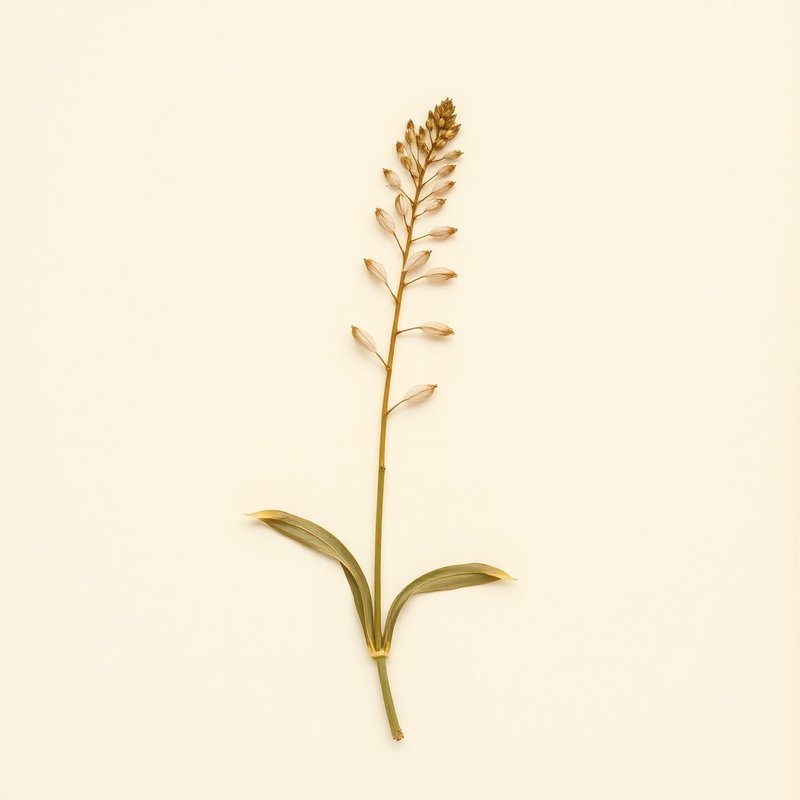
Pl. 855F — Ophioglossum vulgatum
Ophioglossum vulgatumOphioglossum vulgatumOphioglossum vulgatumOphioglossum vulgatumOphioglossum vulgatumOphioglossum vulgatumOphioglossum vulgatumOphioglossum vulgatumOphioglossum vulgatumOphioglossum vulgatumOphioglossum vulgatumOphioglossum vulgatumOphioglossum vulgatumOphioglossum vulgatum
IOverview
Overview
Adder's Tongue (Ophioglossum vulgatum) is a distinctive fern found across Europe, Asia, and North America, including regions such as Albania, Austria, Alabama, Arkansas, and parts of the United States. This plant thrives in diverse habitats, often growing in moist conditions with light to heavy soil types, preferring a pH range of 7–7.5. It is hardy in zones 4-8, reaching heights of about 0.3 meters. The adder's tongue fern gets its name from the unique shape of its fertile fronds, which resemble an adder’s tongue, making it both ornamental and interesting to observe. The leaves are edible and can be enjoyed raw or lightly cooked in salads or as a garnish. They have a moist texture that works well when steamed briefly but should not be overcooked to preserve their delicate taste. This fern is native to numerous regions such as Albania, Austria, Belarus, Belgium, Bulgaria, and many others listed above. Adder's Tongue prefers partial shade to full sunlight with a light requirement of 7 out of 10. It thrives in moist conditions but can tolerate varying soil types, from sandy to clay. Cultivation is relatively straightforward; it can be propagated by dividing the rhizomes or sowing spores in spring. Keep the soil consistently moist during the growing season for best results. While not medicinal, its ornamental value and edible leaves make it a valuable addition to gardens and natural settings.
Quick answers
What is Adder's Tongue?
Adder's Tongue (Ophioglossum vulgatum) is a distinctive fern found across Europe, Asia, and North America, including regions such as Albania, Austria, Alabama, Arkansas, and parts of the United States.
Growingconditions · propagation · uses
VCultivation
Cultivation
Adder's Tongue prefers moist conditions and thrives in light (sandy), medium, or heavy (clay) soils with a pH of 7 to 7.5. It requires partial shade to full sunlight, with a light requirement of 7 out of 10. The plant is hardy in temperate regions within zones 4-8 and grows to about 0.3 meters tall. For propagation, divide the rhizomes or sow spores in spring. Keep the soil consistently moist during the growing season for best results.
Light
7/10
Water
Moist
Soil
Light (sandy), Medium, Heavy (clay)
Hardiness
4-8
Mature size
0.3 m tall
Soil pH
7–7.5
Seasonal calendar
Northern hemisphere · UTC month is November
winterspringsummerautumnwinter
BloomJFMAMJJASOND
For first-time growers
How to grow Adder's Tongue for the first time
8steps
Start with Adder's Tongue as a simple, low-maintenance plant for your beginner garden.
- 1
What you'll need
Adder's Tongue plants or rhizomes, potting soil suitable for moisture retention, and containers with drainage holes.
- 2
Best time to plant
Plant in spring when the soil is moist but not waterlogged.
- 3
Soil and container prep
Use a well-draining potting mix with a pH of 7-7.5, ensuring containers have adequate drainage holes.
- 4
Sowing or transplanting
Transplant rhizomes directly into the soil at a depth of about 2 cm, spacing them 10-15 cm apart.
- 5
First two weeks
Keep the soil consistently moist and place the container in partial shade to avoid direct sunlight.
- 6
Ongoing care
Water regularly to maintain moisture levels but avoid overwatering. Provide light shade during hot summer months.
- 7
Harvest or pruning
Prune dead leaves to keep the plant looking tidy, but do not harvest edible parts as they are not commonly used.
- 8
Common mistakes
Overwatering, planting in full sun, and neglecting to provide adequate drainage.
VIEdible & utility
Edible & utility
Edible parts:Leaves
Edible uses: The adder's tongue plant is edible and its leaves are typically consumed raw or lightly cooked. The leaves have a moist texture and work well in salads or as a garnish. They can also be steamed briefly to enhance their flavor. Skip the deep cooking, as it may alter the delicate taste.
Contextrange · companions · related
VIIDistribution
113 native · 0 introduced
Distribution
113 native · 0 introducedDistribution across3 continents· 113 native
Europe25 regions
native (25)AlbaniaAustriaBelarusBelgiumBulgariaCyprusDenmarkFinlandFranceGermanyGreeceHungaryIrelandItalyNetherlandsNorwayPolandPortugalRomaniaRussiaSpainSwedenSwitzerlandUkraineUnited Kingdom
Asia7 regions
native (7)ChinaGeorgiaIranJapanKazakhstanSouth KoreaTurkey
Africa15 regions
native (15)AlgeriaBurundiEthiopiaKenyaLesothoLiberiaMadagascarMalawiMoroccoMozambiqueRwandaTanzaniaUgandaZambiaZimbabwe
Broader regions
native:Alabama, Altay, Argentina South, Arizona, Arkansas, Baltic States, Buryatiya, Cape Provinces, Chile South, Czechoslovakia, Delaware, District of Columbia, Free State, Illinois, Indiana, Kamchatka, Kansas, Kentucky, Krasnoyarsk, Kriti, KwaZulu-Natal, Lebanon-Syria, Louisiana, Maryland, Masachusettes, Massachusetts, Mexico Central, Mexico Gulf, Mexico Northeast, Mexico Northwest, Mexico Southeast, Mexico Southwest, Michigan, Mississippi, Missouri, New Jersey, North Carolina, Northern Provinces, Ohio, Oklahoma, Pennsylvania, Réunion, Sakhalin, South Carolina, Tadzhikistan, Tennessee, Texas, Transcaucasus, Tuva, Virginia, West Virginia, Wisconsin, Yugoslavia, Zaïre
IXSpecimen gallery
1 image
Specimen gallery
1 imageXSee also
2 related
See also
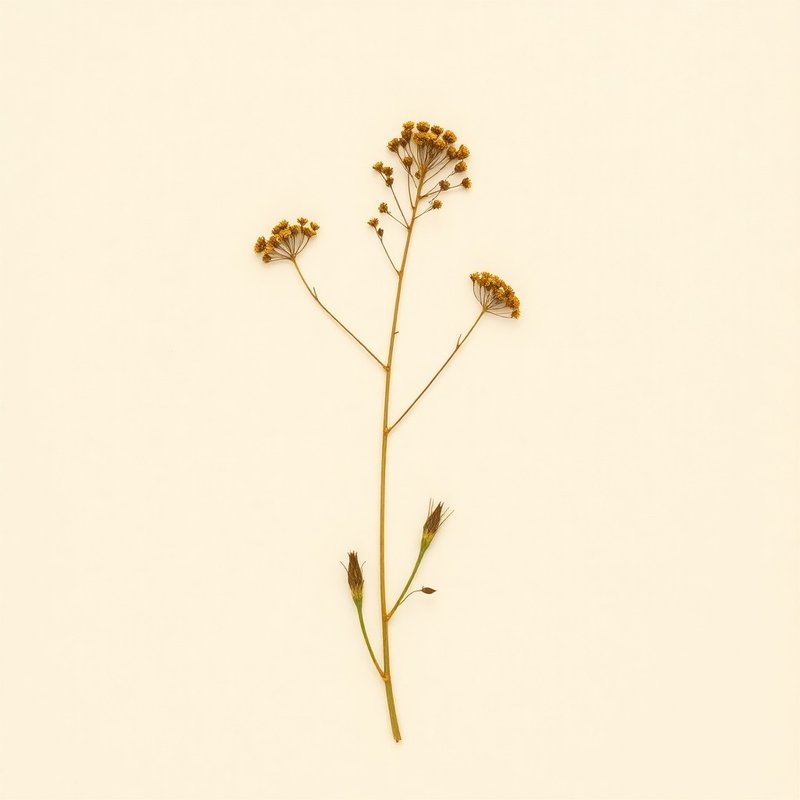
2 relatedPlants you might compare or use together — scored by shared family (Ophioglossaceae), common use cases, and growing requirements.
same family · Ophioglossaceae
Botanical relatives — often share phytochemistry + growing needs.

XI
Explore further
Companion planting
Compare with similar plants
Growing zone
XII
About this entry
- Last updated
- Citation
- How to cite this entry · Submit a correction
Back to the cataloguePlant id · 855f6313-0adf-40a7-a32d-b9b58c9e2a5a
Decision aid
Choosing between Adder's Tongue and something else?
Continue reading
❦❦❦❦
Endpaper · archive updates
Get archive updates
Occasional email when substantial new content lands — plant profiles, seasonal growing notes, folk-remedy additions. Free, no tracking, unsubscribe anytime.
Newsletter returning soon.
We are rebuilding the update list around a lightweight editorial workflow. New dispatches will resume after the next content review cycle.