
Velvet prickly pear
IOverview
Overview
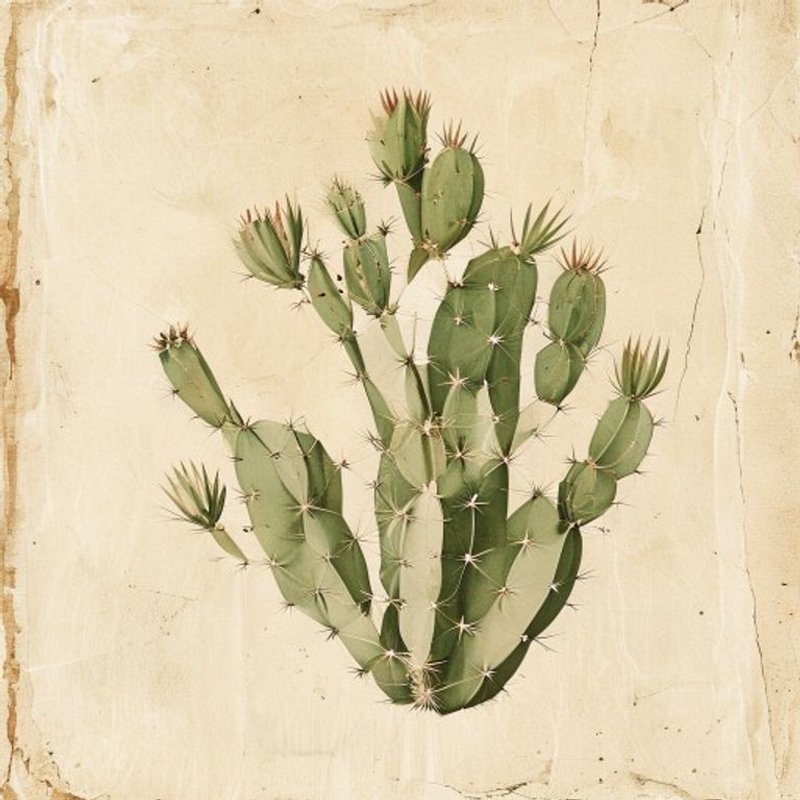
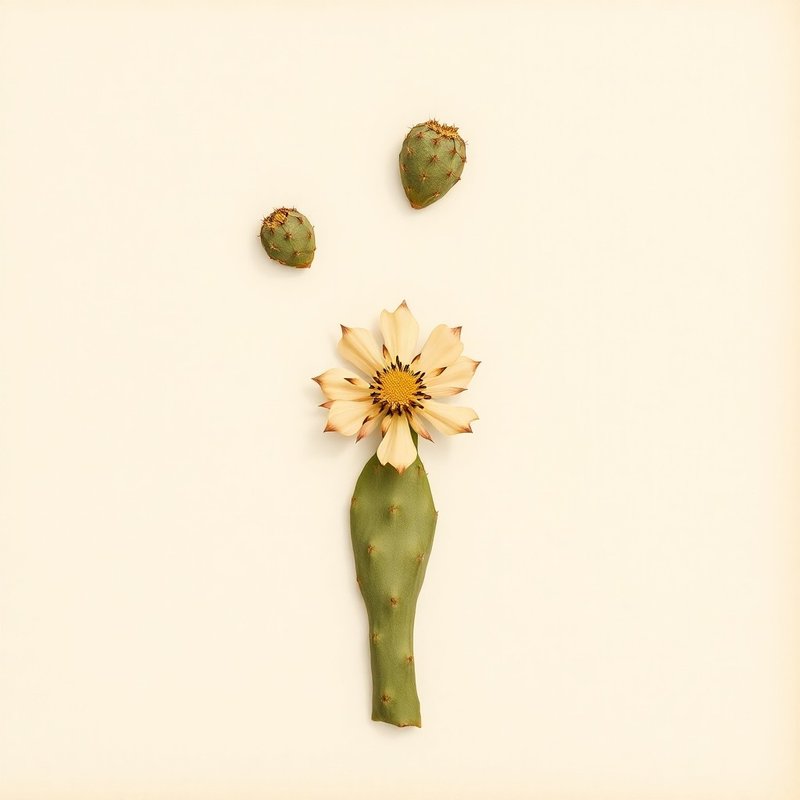
The Velvet prickly pear (Opuntia tomentosa), a member of the Cactaceae family, is a tree or shrub that can grow up to 4.5 meters in height. Native to regions including Guatemala, Honduras, Mexico Central, Mexico Gulf, Mexico Northeast, Mexico Northwest, and Mexico Southwest, this plant thrives in full sun and prefers soil that is either light (sandy) or medium. It is hardy in USDA zones 9-12 and can tolerate both dry and slightly moist conditions. The Velvet prickly pear is known for its edible fruit, which can be eaten raw or used in various preparations such as jams, jellies, and juices. The fruit is also sometimes dried for later use. One distinctive feature of this plant is its soft, woolly covering, which gives it a velvety appearance and distinguishes it from other cacti species. While not medicinal, the Velvet prickly pear has practical uses, including fencing and as animal feed. However, it should be noted that it has the potential to become a weed in certain areas.
What is Velvet prickly pear?
The Velvet prickly pear (Opuntia tomentosa), a member of the Cactaceae family, is a tree or shrub that can grow up to 4.5 meters in height.
VCultivation
Cultivation
How to grow Velvet prickly pear for the first time
Start with a simple and low-maintenance approach to growing Velvet prickly pear.
- 1
What you'll need
A small plant or cutting, well-draining soil mix, a container or garden bed.
- 2
Best time to plant
Plant in spring when the weather is warming up and there's no risk of frost.
- 3
Soil and container prep
Use a cactus potting mix or mix regular soil with sand for drainage. Ensure the container has holes for excess water.
- 4
Sowing or transplanting
Transplant carefully to avoid damaging the plant's pads, which can be brittle.
- 5
First two weeks
Water sparingly but thoroughly every 10-14 days. Place in a sunny spot and keep it warm.
- 6
Ongoing care
Provide full sun exposure and water only when the soil is dry to the touch, about once a month during summer.
- 7
Harvest or pruning
Prune any dead pads in late winter. Harvest fruits as they turn bright red, typically in late summer to early fall.
- 8
Common mistakes
Overwatering, planting in poorly drained soil, and not providing enough sunlight are common pitfalls.
VIEdible & utility
Edible & utility
VIIDistribution
7 native · 7 introduced
Distribution
7 native · 7 introducedIXSpecimen gallery
1 image
Specimen gallery
1 imageXSee also
8 related
See also
8 relatedPlants you might compare or use together — scored by shared family (Cactaceae), common use cases, and growing requirements.
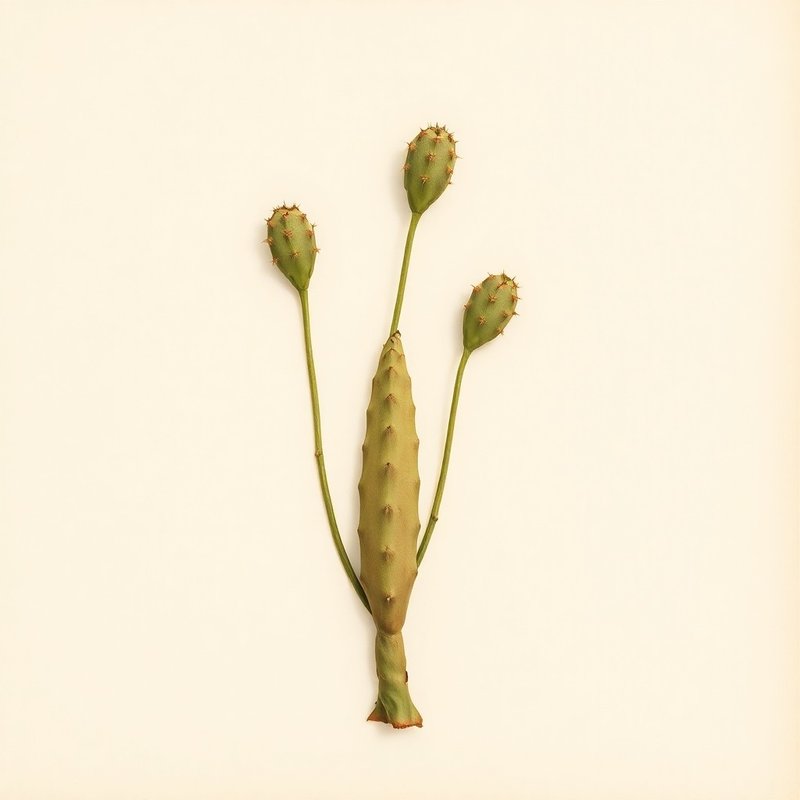
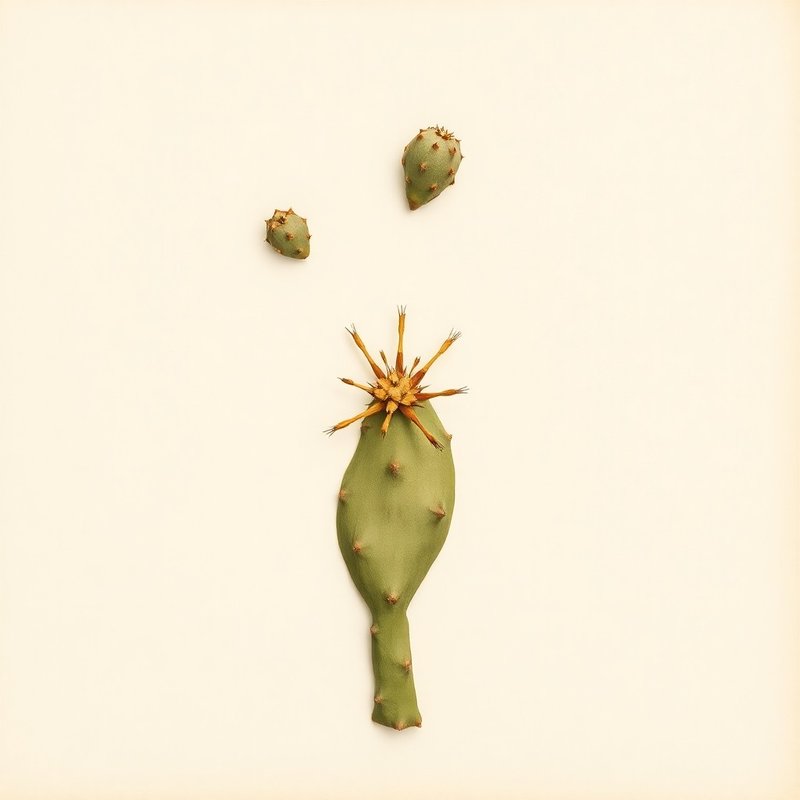
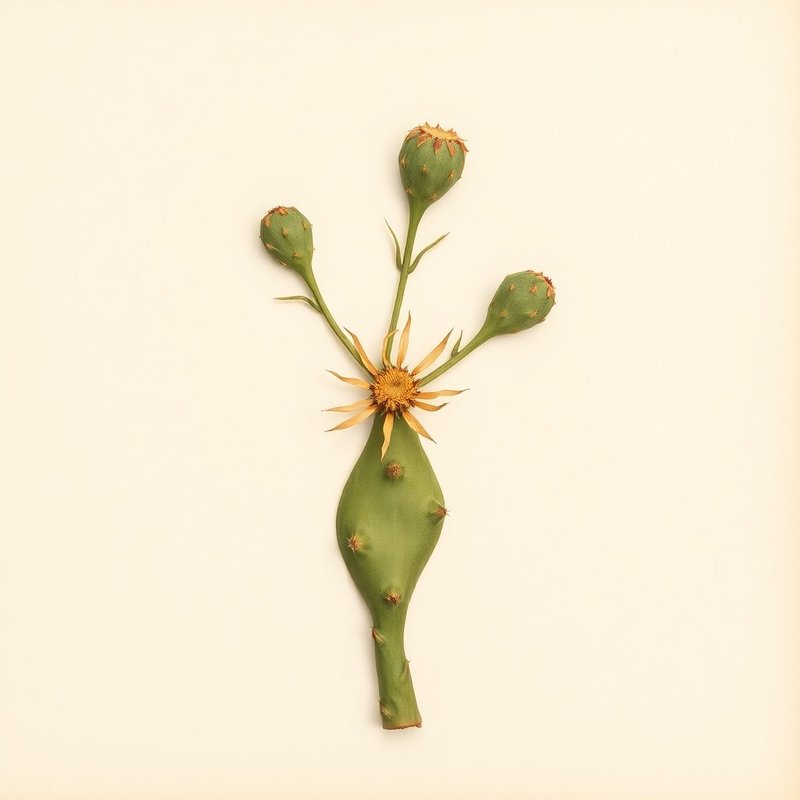
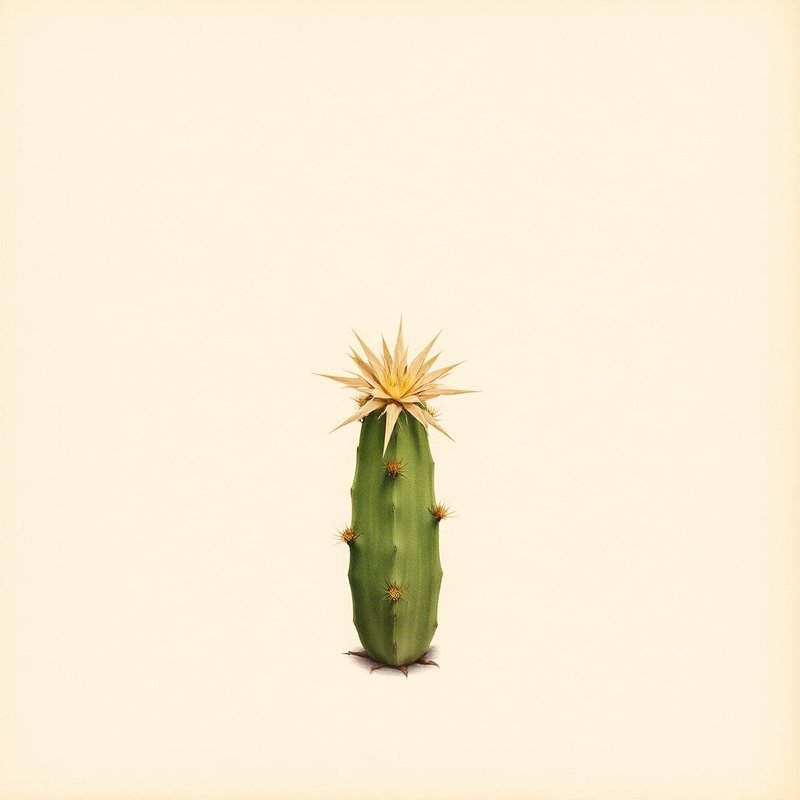
Explore further
About this entry
- Last updated
- Citation
- How to cite this entry · Submit a correction
Continue reading
Get archive updates
Occasional email when substantial new content lands — plant profiles, seasonal growing notes, folk-remedy additions. Free, no tracking, unsubscribe anytime.