
Dillen prickly pear
Opuntia dilleniifam. Cactaceae
Educational content — not medical, botanical, or professional advice. Plant identification, safety, and edibility depend on local conditions, cultivars, and correct identification. Consult a qualified botanist or forager before consuming or handling wild specimens. How we source & review →
Garden journal pausedUse profile notes below
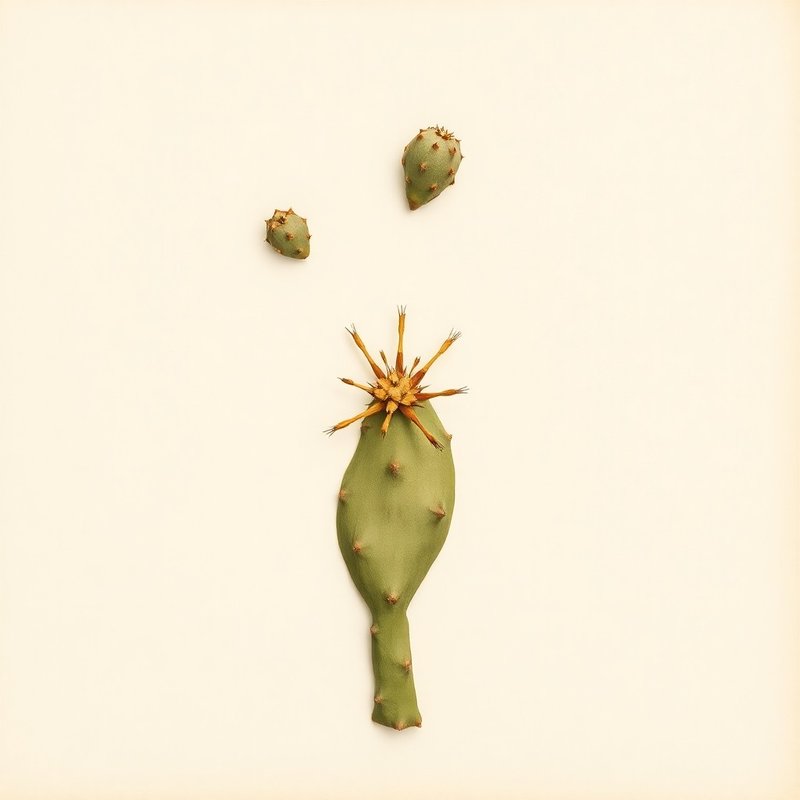
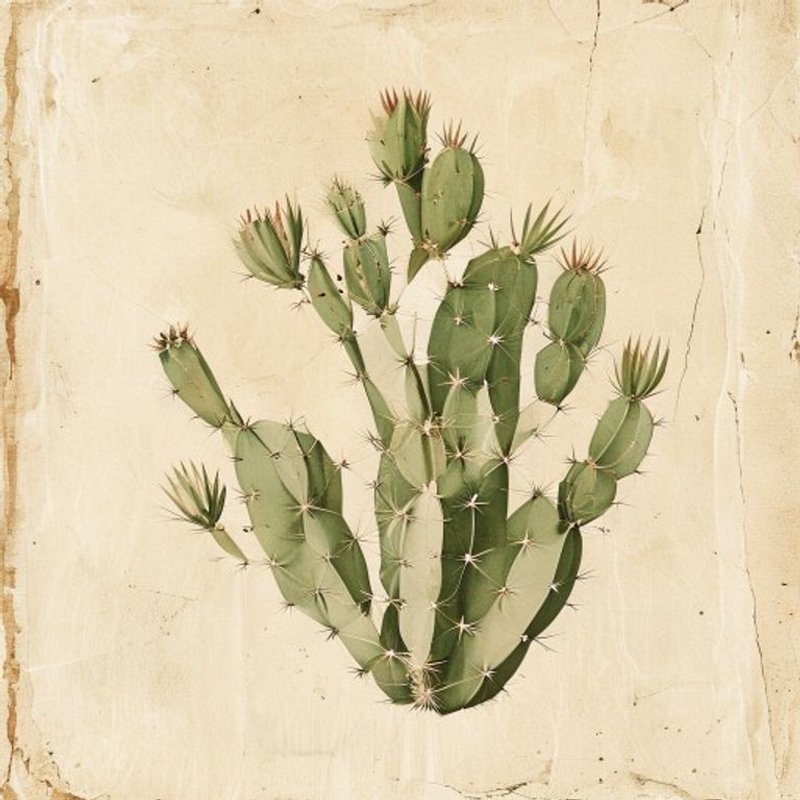
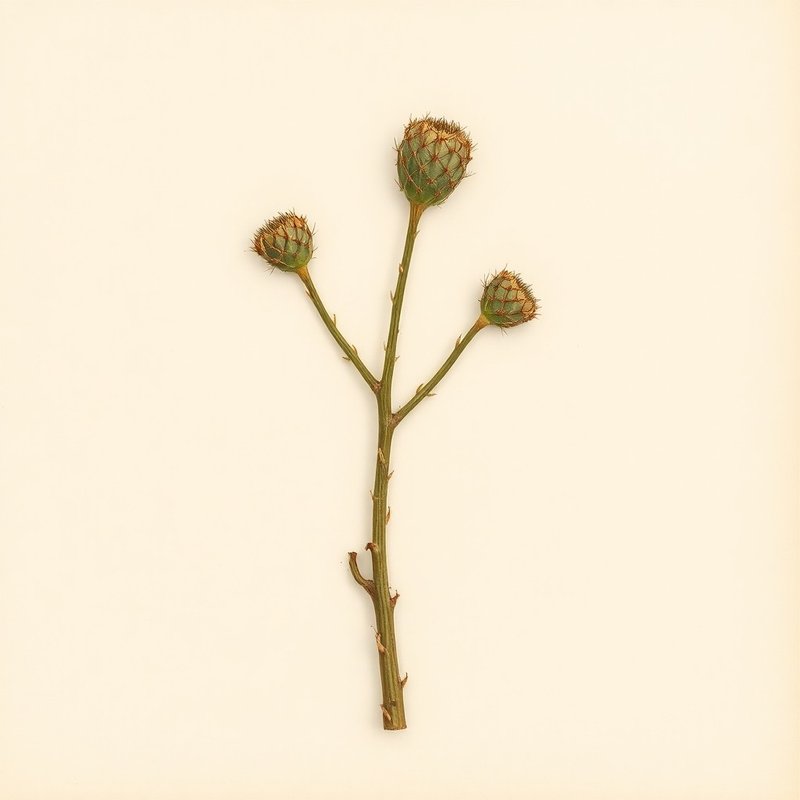
Pl. 5583 — Opuntia dillenii
Opuntia dilleniiOpuntia dilleniiOpuntia dilleniiOpuntia dilleniiOpuntia dilleniiOpuntia dilleniiOpuntia dilleniiOpuntia dilleniiOpuntia dilleniiOpuntia dilleniiOpuntia dilleniiOpuntia dilleniiOpuntia dilleniiOpuntia dillenii
IOverview
Overview
Dillen prickly pear (Opuntia dillenii) is a perennial shrub native to Jamaica and various regions of Mexico, including the Gulf Coast, Northeastern, Southeastern, and Southwestern parts. This cactus thrives in light or medium soils with a pH between 7 and 7.5, growing up to 1 meter tall. It prefers dry to moist conditions and is hardy in zones 10-12. The plant's distinctive spiny stems provide both protection against herbivores and a unique appearance. Dillen prickly pear has multiple edible parts that can be used for culinary purposes. Its flowers, fruits, leaves, and stems are all edible and can be consumed raw or cooked. The fruit is often eaten fresh or dried, while the leaves and stems are typically prepared in salads or as a cooked vegetable. This plant's versatility makes it valuable both as an ornamental and a food source. While primarily used for its edibility, Dillen prickly pear also has practical applications such as fencing and animal feed. However, due to its invasive potential, care should be taken when introducing this species into new environments outside its native range.
Quick answers
What is Dillen prickly pear?
Dillen prickly pear (Opuntia dillenii) is a perennial shrub native to Jamaica and various regions of Mexico, including the Gulf Coast, Northeastern, Southeastern, and Southwestern parts. This cactus thrives in light or medium soils with a pH between 7 and 7.
Growingconditions · propagation · uses
VCultivation
Cultivation
Dillen prickly pear thrives in light to moist conditions and prefers well-draining soils that are light (sandy) or medium-textured with a pH of 7–7.5. This perennial shrub is hardy in temperate regions, making it suitable for gardens where temperatures range from zone 10-12. For optimal growth, plant the Opuntia dillenii in full sun to partial shade and ensure that the soil remains consistently moist but not waterlogged. Harvest its edible parts—flowers, fruits, leaves, and stems—for culinary use. Regular pruning may be necessary to maintain shape and encourage healthy growth.
Light
9/10
Water
Dry, Moist
Soil
Light (sandy), Medium
Hardiness
10-12
Life cycle
Perennial
Habit
Shrub
Mature size
1.0 m tall
Soil pH
7–7.5
For first-time growers
How to grow Dillen prickly pear for the first time
8steps
Start with a simple, low-maintenance approach to growing Dillen prickly pear.
- 1
What you'll need
A small pot or garden bed, seeds or young plants, and gloves.
- 2
Best time to plant
Plant in spring when the weather starts warming up.
- 3
Soil and container prep
Use well-draining soil with a pH of 7–7.5. Ensure containers have drainage holes.
- 4
Sowing or transplanting
Direct sow seeds outdoors after danger of frost, or start indoors 4 weeks before planting out.
- 5
First two weeks
Keep soil moist but not waterlogged. Place in a sunny spot and avoid direct sunlight for the first few days.
- 6
Ongoing care
Water sparingly, allowing the soil to dry between watering. Provide full sun exposure.
- 7
Harvest or pruning
Prune stems as needed to maintain shape and remove dead or damaged parts. Harvest flowers and fruits when mature.
- 8
Common mistakes
Overwatering, planting in heavy soil, not providing enough sunlight, and neglecting to wear gloves.
VIEdible & utility
Edible & utility
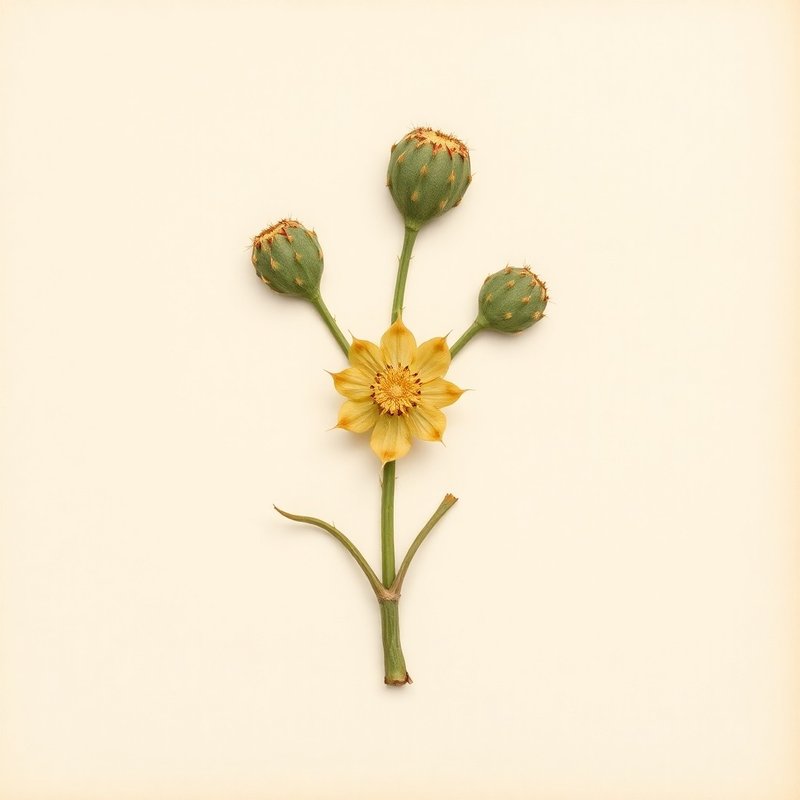
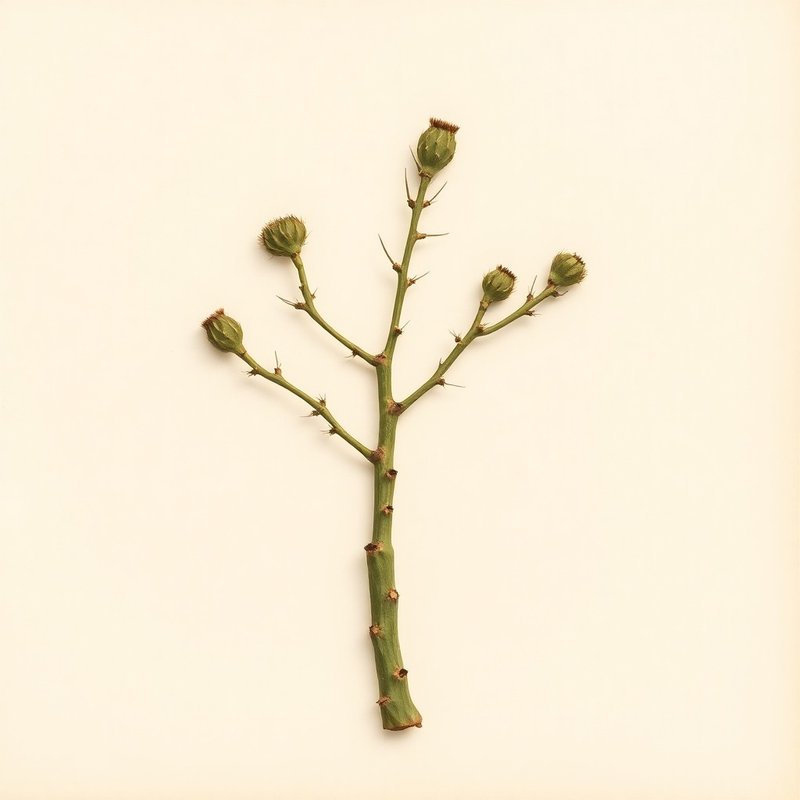
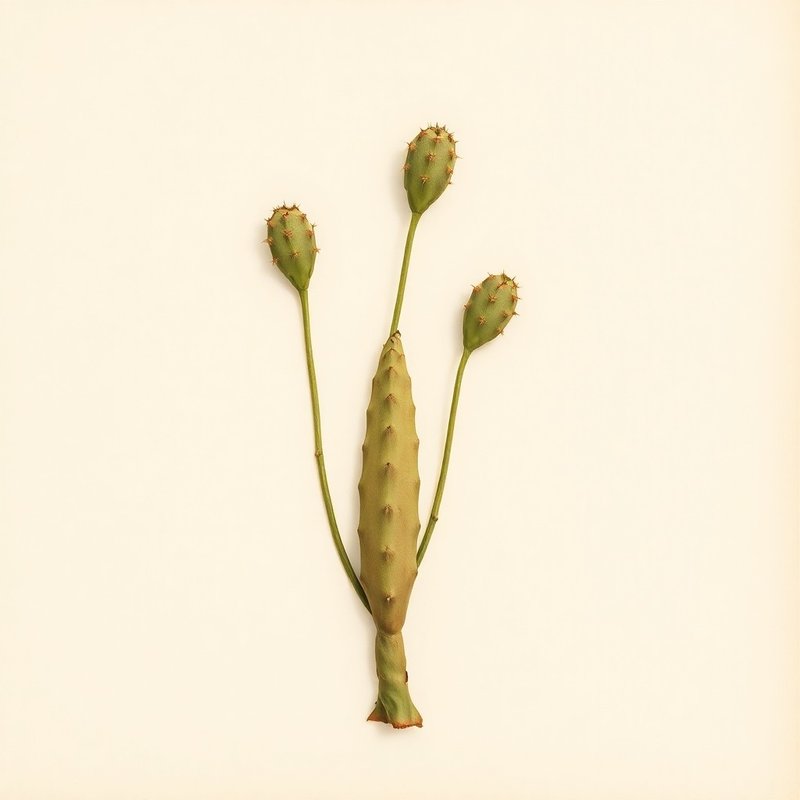
Edible parts:FlowersFruitLeavesStem
Edible uses: The dillen prickly pear (Opuntia dillenii) is used for its edible flowers, fruits, leaves, and stems. These parts can be eaten raw or cooked. The fruit is often consumed fresh or dried, while the leaves and stems are typically prepared in salads or as a cooked vegetable.
Other uses:FencingAnimal feed
Contextrange · companions · related
VIIDistribution
10 native · 71 introduced
Distribution
10 native · 71 introducedDistribution across5 continents· 10 native· 71 introduced
Europe7 regions
introduced (7)AlbaniaFranceGreeceItalyPortugalRussiaSpain
Asia9 regions
native (1)Georgia
introduced (8)BangladeshChinaIndiaMyanmarSaudi ArabiaSri LankaVietnamYemen
Americas9 regions
native (1)Jamaica
introduced (8)BahamasColombiaCubaDominican RepublicHaitiJamaicaPeruPuerto Rico
Africa12 regions
introduced (12)AlgeriaAngolaBeninEswatiniEthiopiaLibyaMadagascarMauritiusMoroccoNamibiaSenegalTunisia
Oceania1 region
introduced (1)New Caledonia
Broader regions
native:Alabama, Florida, Mexico Gulf, Mexico Northeast, Mexico Southeast, Mexico Southwest, South Carolina, Texas
introduced:Andaman Is., Bermuda, Brazil Northeast, Brazil Southeast, Cape Provinces, Cayman Is., Florida, Free State, Galápagos, Gulf of Guinea Is., Hainan, KwaZulu-Natal, Leeward Is., New South Wales, Nicobar Is., Northern Provinces, Northern Territory, Queensland, South Australia, South Carolina, South China Sea, Transcaucasus, Turks-Caicos Is., Venezuelan Antilles, Victoria, West Himalaya, Western Australia, Windward Is.
IXSpecimen gallery
1 image
Specimen gallery
1 imageXSee also
8 related
See also
8 relatedPlants you might compare or use together — scored by shared family (Cactaceae), common use cases, and growing requirements.
same family · Cactaceae
Botanical relatives — often share phytochemistry + growing needs.
XI
Explore further
Companion planting
Compare with similar plants
Growing zone
XII
About this entry
- Last updated
- Citation
- How to cite this entry · Submit a correction
Back to the cataloguePlant id · 558390c3-c162-4f07-9608-5ddcbd6c85bf
Decision aid
Choosing between Dillen prickly pear and something else?
Continue reading
❦❦❦❦
Endpaper · archive updates
Get archive updates
Occasional email when substantial new content lands — plant profiles, seasonal growing notes, folk-remedy additions. Free, no tracking, unsubscribe anytime.
Newsletter returning soon.
We are rebuilding the update list around a lightweight editorial workflow. New dispatches will resume after the next content review cycle.