
Tree Peony
Paeonia potaniniifam. Paeoniaceae
Educational content — not medical, botanical, or professional advice. Always consult a qualified clinician before using any herbal preparation — especially during pregnancy, breastfeeding, while on medication, or for children. How we source & review →

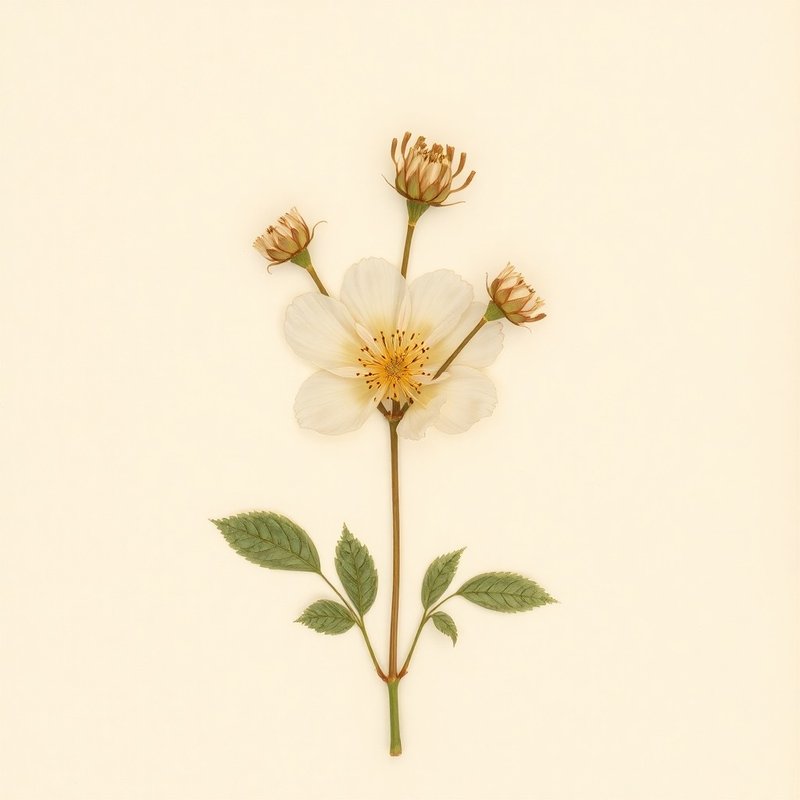
Pl. B990 — Paeonia potaninii
Paeonia potaniniiPaeonia potaniniiPaeonia potaniniiPaeonia potaniniiPaeonia potaniniiPaeonia potaniniiPaeonia potaniniiPaeonia potaniniiPaeonia potaniniiPaeonia potaniniiPaeonia potaniniiPaeonia potaniniiPaeonia potaniniiPaeonia potaninii
IOverview
Overview
Tree Peony, scientifically known as Paeonia potaninii, is a deciduous shrub native to the South-Central regions of China and Tibet. This plant thrives in full to partial sun with moist soil that can range from light (sandy) to heavy (clay). It is hardy in zones 6-9 and grows up to 0.6 meters tall. Tree Peony is both edible and medicinal, with its flowers being the primary parts used for consumption. Its distinctive features include vibrant blooms and adaptability to various soil types, making it a valuable addition to gardens and landscapes.
Quick answers
What is Tree Peony?
Tree Peony, scientifically known as Paeonia potaninii, is a deciduous shrub native to the South-Central regions of China and Tibet. This plant thrives in full to partial sun with moist soil that can range from light (sandy) to heavy (clay).
IV·bMixology suggestions
2 drafts
Mixology suggestions
2 draftsEditorial drafts. These pairings are AI-suggested from traditional herbal lore. Always verify with a qualified herbalist before brewing.
Digestive Harmony
digestiontincture
Historically used for digestive issues.
Growingconditions · propagation · uses
VCultivation
Cultivation
Tree Peonies thrive in full to partial sun, requiring moist soil that can be light (sandy), medium, or heavy (clay). They are hardy in zones 6-9 and grow to about 0.6 meters tall. Propagate through division of mature clumps or from seeds. Ensure the planting site has good drainage to prevent waterlogging. Skip mulching if soil is naturally moist; otherwise, apply a light layer during winter to protect roots.
Light
Full sun, Partial sun/shade
Water
Moist
Soil
Light (sandy), Medium, Heavy (clay)
Hardiness
6-9
Mature size
0.6 m tall
For first-time growers
How to grow Tree Peony for the first time
8steps
Start with a simple, light planting to get familiar with Tree Peonies.
- 1
What you'll need
Tree Peony plant, well-draining soil mix, garden fork, watering can.
- 2
Best time to plant
Plant in early spring or late fall when the ground is workable but not too wet.
- 3
Soil and container prep
Ensure your planting site has good drainage. Amend soil with compost if necessary.
- 4
Sowing or transplanting
Transplant young Tree Peonies from a nursery pot to the garden, keeping roots intact.
- 5
First two weeks
Water regularly to keep the soil moist but not waterlogged. Avoid direct sunlight for the first few days.
- 6
Ongoing care
Provide light to partial sun exposure and regular watering during dry spells. Mulch around the base in winter.
- 7
Harvest or pruning
Prune after flowering, removing dead or damaged branches for better air circulation and health.
- 8
Common mistakes
Overwatering, planting too deep, neglecting to prune properly.
VIEdible & utility
Edible & utility
Edible parts:Flowers
Edible uses: The Tree Peony's flowers are edible and can be consumed raw or used to make tea. They add a delicate flavor to salads or can be steeped for a refreshing beverage.
Contextrange · companions · related
VIIDistribution
2 native · 0 introduced
Distribution
2 native · 0 introducedDistribution across1 continent· 2 native
Asia1 region
native (1)China
IXSpecimen gallery
1 image
Specimen gallery
1 imageXSee also
8 related
See also
8 relatedPlants you might compare or use together — scored by shared family (Paeoniaceae), common use cases, and growing requirements.
same family · Paeoniaceae
Botanical relatives — often share phytochemistry + growing needs.







XI
Explore further
Companion planting
Compare with similar plants
Growing zone
XII
About this entry
- Last updated
- Citation
- How to cite this entry · Submit a correction
Back to the cataloguePlant id · b990164a-fc21-4a76-b626-833f302d1fa8
Decision aid
Choosing between Tree Peony and something else?
Continue reading
❦❦❦❦
Endpaper · archive updates
Get archive updates
Occasional email when substantial new content lands — plant profiles, seasonal growing notes, folk-remedy additions. Free, no tracking, unsubscribe anytime.