
Betoum
IOverview
Overview
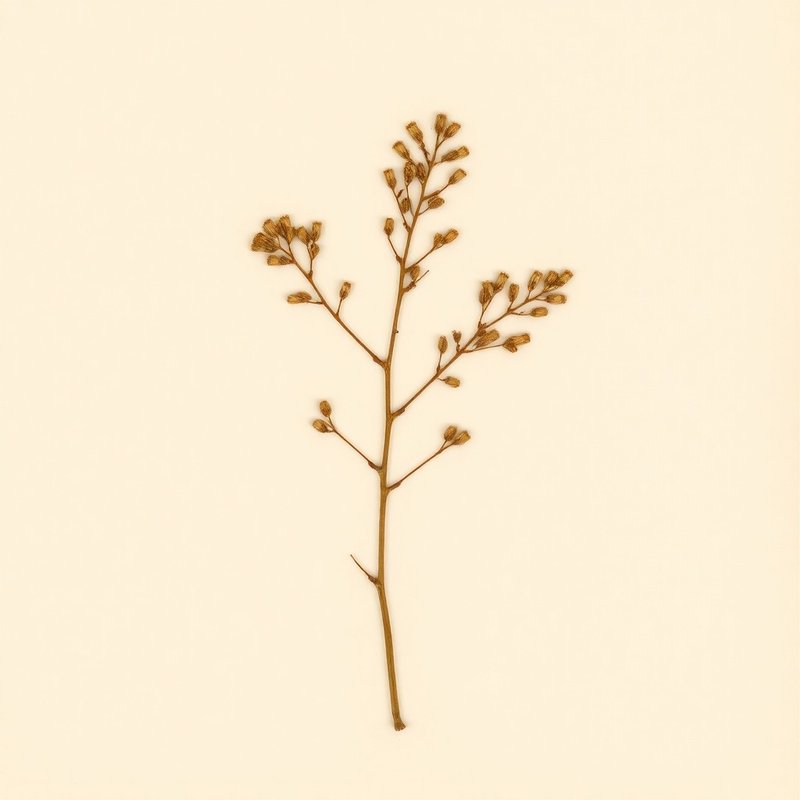
Betoum, scientifically known as Pistacia atlantica and belonging to the Anacardiaceae family, is a tall tree native to regions including Afghanistan, Algeria, Cyprus, Greece, Iran, Iraq, Lebanon-Syria, Libya, Morocco, Pakistan, Palestine, Saudi Arabia, Tunisia, Turkey, and West Himalaya. This plant thrives in full sun and can tolerate both dry and moist conditions, thriving in light and medium soil types. Known for its edible fruit, Betoum reaches a height of 20 meters and is hardy in zones 6-9. Its adaptability to various habitats makes it a notable presence in the landscapes of its native range. Cultivated for its fruit and other utility purposes, Betoum is also introduced in California, Tadzhikistan, and Utah. While primarily valued for its fruit, this tree also provides oil, gum, and other useful products such as dye, ink, and resin. Its rootstock is used for grafting, and the plant yields tannin and lumber. This versatile tree is known for its fruit, which can be enjoyed, and its various practical applications in dyeing, ink production, and as a source of gum and resin.
What is Betoum?
Betoum, scientifically known as Pistacia atlantica and belonging to the Anacardiaceae family, is a tall tree native to regions including Afghanistan, Algeria, Cyprus, Greece, Iran, Iraq, Lebanon-Syria, Libya, Morocco, Pakistan, Palestine, Saudi Arabia, Tunisia, Turkey, and West Himalaya.
VCultivation
Cultivation
How to grow Betoum for the first time
Start with a simple, hardy tree that thrives in various conditions.
- 1
What you'll need
A young Betoum sapling and some basic gardening tools like a spade and watering can.
- 2
Best time to plant
Plant in spring or early fall when the weather is mild.
- 3
Soil and container prep
Choose well-draining soil with a pH between 6.0 and 8.0. Ensure containers have good drainage holes.
- 4
Sowing or transplanting
Transplant young saplings directly into the ground or a large pot, ensuring they are planted at the same depth as in their nursery container.
- 5
First two weeks
Water regularly to keep the soil moist but not waterlogged. Avoid direct sunlight for the first few days.
- 6
Ongoing care
Provide full sun and regular watering, especially during dry periods. Prune lightly in late winter or early spring to maintain shape.
- 7
Harvest or pruning
Prune annually in late winter to remove dead branches and encourage new growth.
- 8
Common mistakes
Overwatering, planting too deep, neglecting regular pruning, and exposing the plant to extreme heat or cold.
VIEdible & utility
Edible & utility
VIIDistribution
22 native · 3 introduced
Distribution
22 native · 3 introducedIXSpecimen gallery
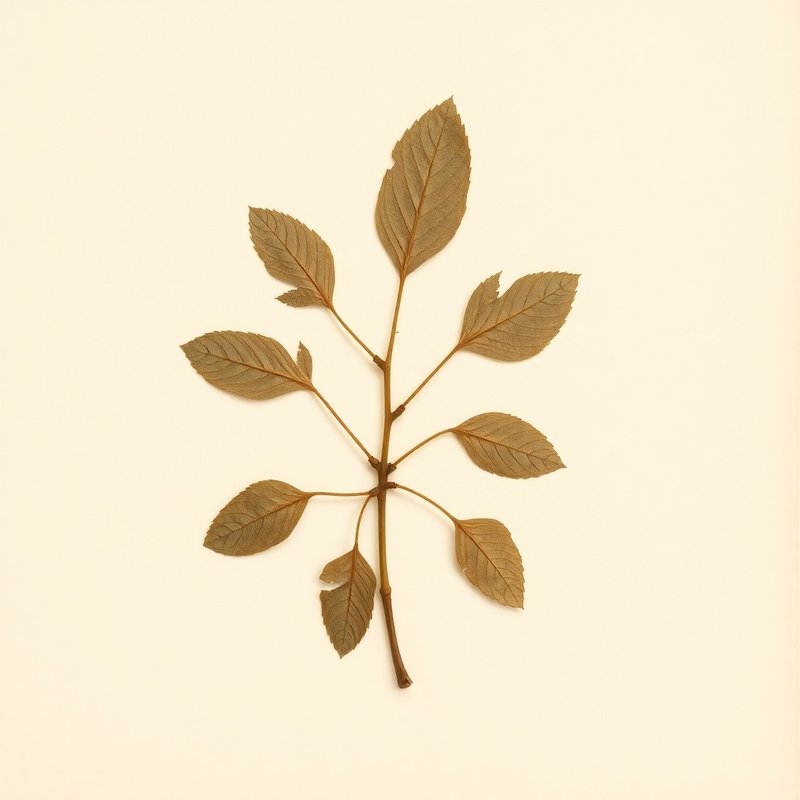
1 image
Specimen gallery
1 imageXSee also
8 related
See also
8 relatedPlants you might compare or use together — scored by shared family (Anacardiaceae), common use cases, and growing requirements.
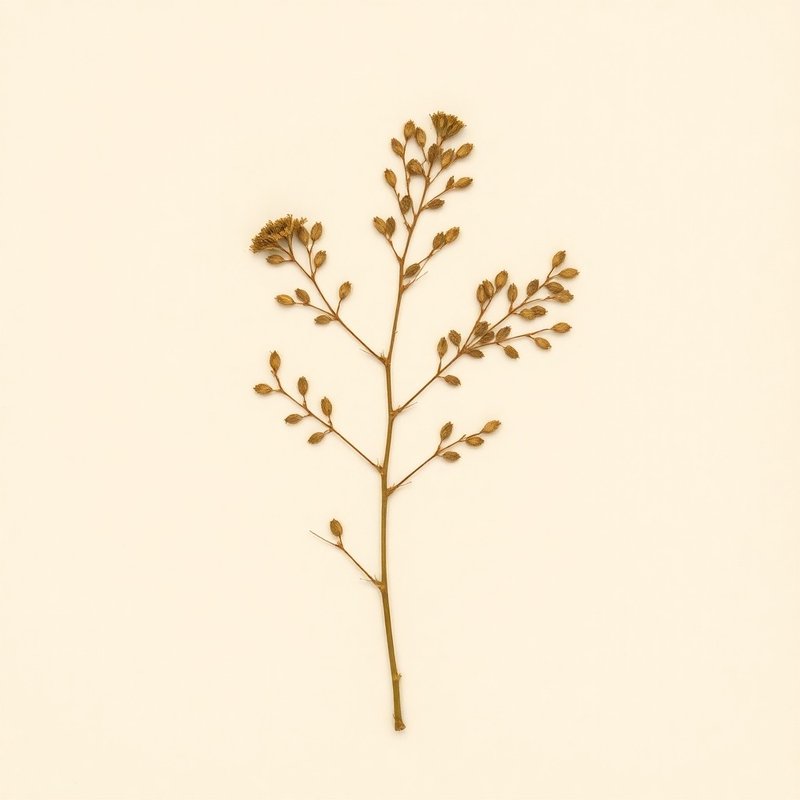
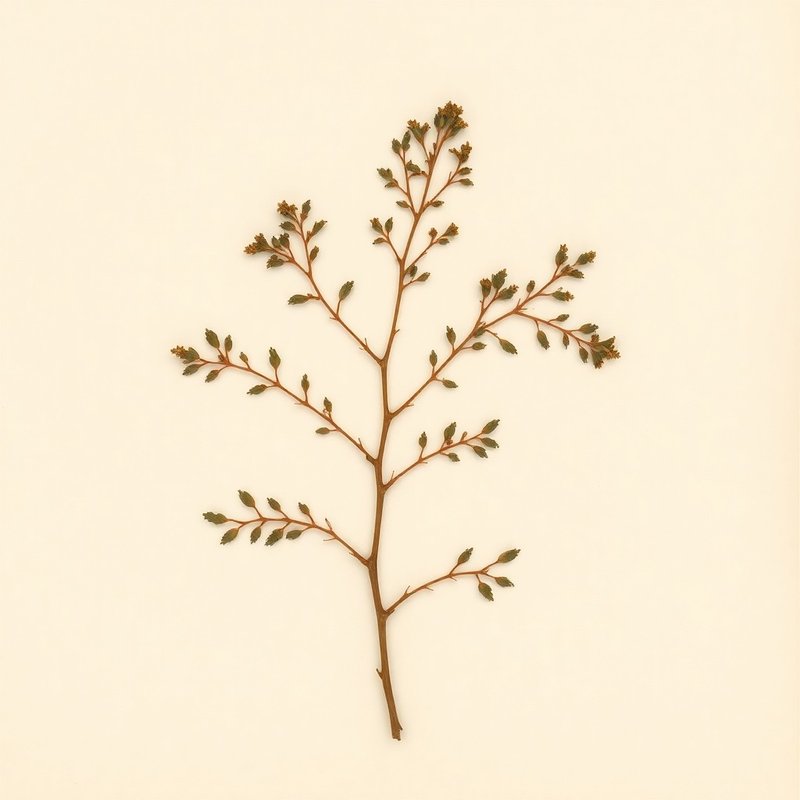
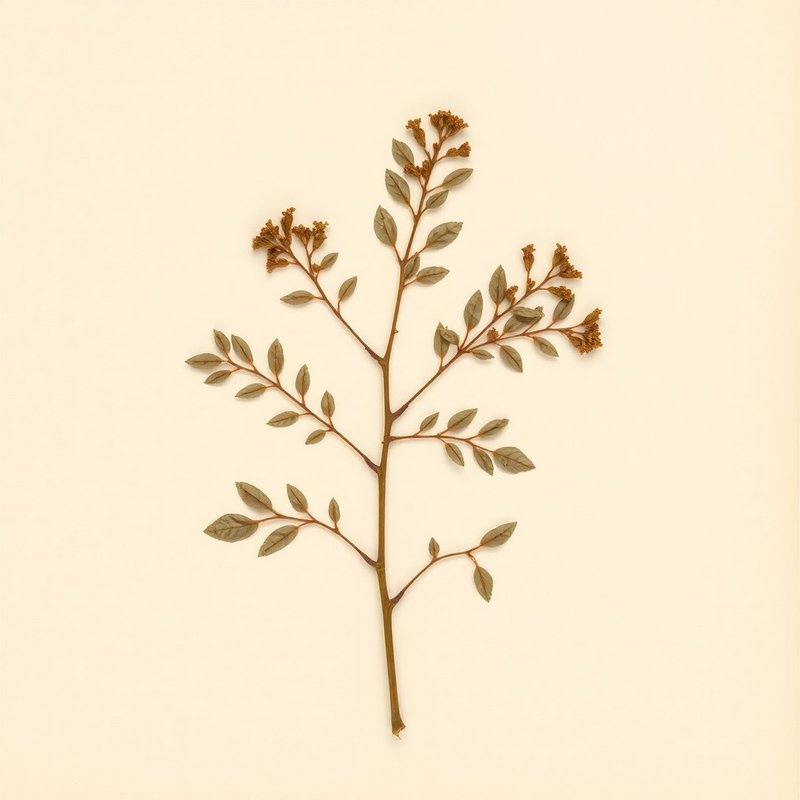
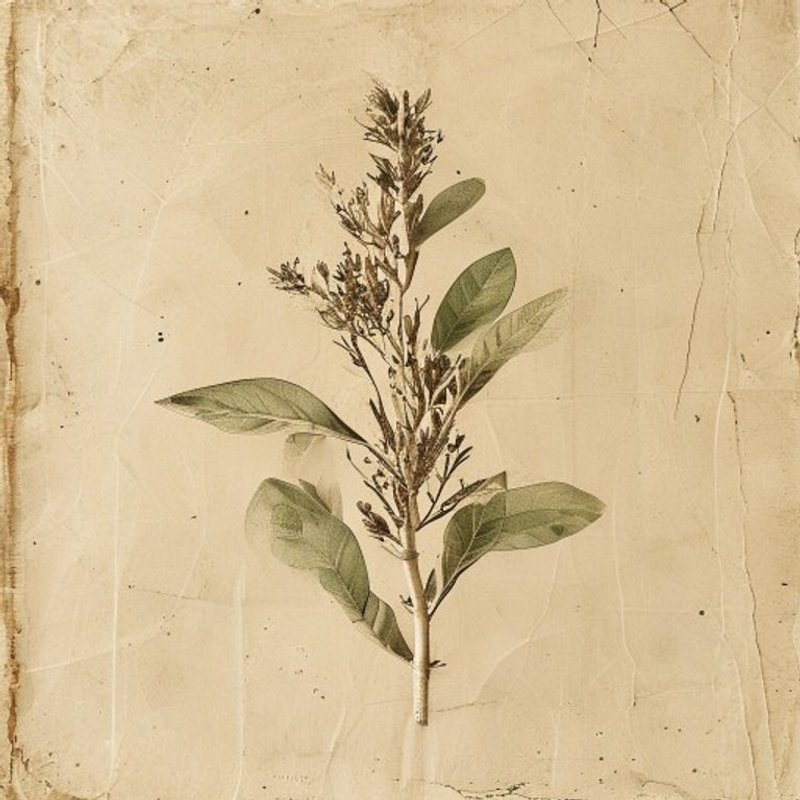
Explore further
About this entry
- Last updated
- Citation
- How to cite this entry · Submit a correction
Continue reading
Get archive updates
Occasional email when substantial new content lands — plant profiles, seasonal growing notes, folk-remedy additions. Free, no tracking, unsubscribe anytime.