
Anacardium occidentale
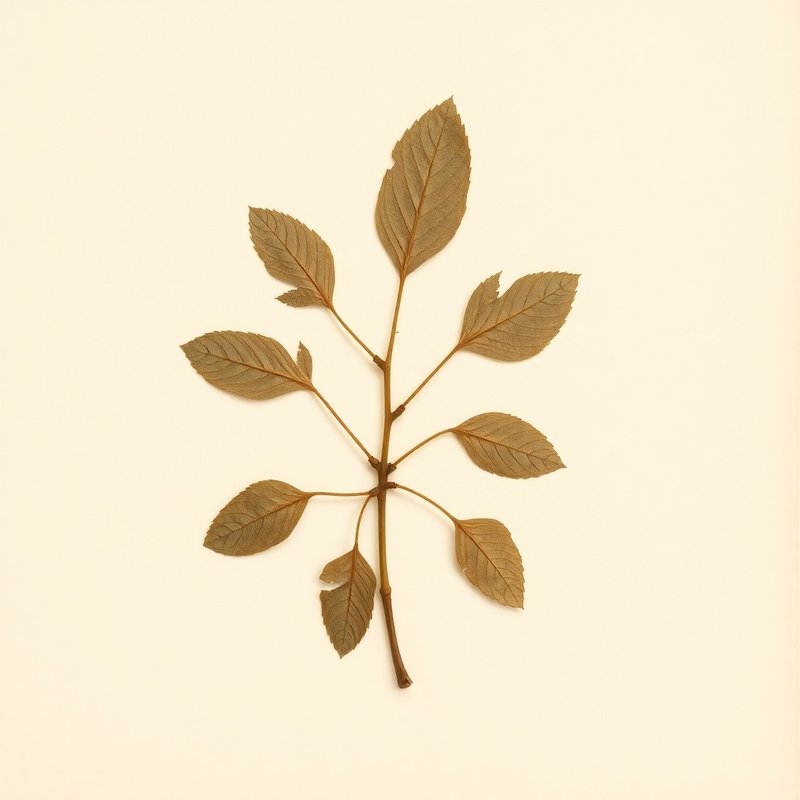
IOverview
Overview
Anacardium occidentale, commonly known as the cashew tree, is a versatile evergreen that thrives in its native range across West Africa, including Angola, Benin, Cameroon, Gabon, and other countries such as Guinea, Liberia, and Togo. This tree can grow up to 12 meters tall and prefers moist soil types that are light (sandy), medium, or heavy (clay). It is well-suited for full sun exposure and is hardy in zones 9-12, making it a suitable choice for tropical and subtropical climates. The cashew tree is valued for its edible fruit, leaves, seeds, and shoots. The distinctive feature of the cashew fruit is a fleshy, kidney-shaped appendage at the base, often mistaken for the seed but actually the true fruit of the tree. This appendage, known as the cashew apple, is edible and can be used in various culinary applications. The cashew nut, which grows beneath the apple, is also widely consumed. In addition to its edible uses, the cashew tree has several practical applications. Its bark produces a gum that can be used as an adhesive or preservative. The leaves and seeds are utilized for their tannin content, which can serve as a natural dye or in making ink. The cashew tree also provides support through its branches, which can act as plant supports or hedges. Furthermore, the tree's wood is valuable for lumber and can be used to create durable furniture. While the cashew tree has many beneficial uses, it is important to handle it with caution due to its potential allergenic properties. The cashew nut contains urushiol, a resin found in poison ivy, which can cause skin irritation or allergic reactions in some individuals. Therefore, when harvesting and processing cashews, appropriate safety measures should be taken.
What is Anacardium occidentale?
Anacardium occidentale, commonly known as the cashew tree, is a versatile evergreen that thrives in its native range across West Africa, including Angola, Benin, Cameroon, Gabon, and other countries such as Guinea, Liberia, and Togo.
VCultivation
Cultivation
How to grow Anacardium occidentale for the first time
Start with a simple, full-sun position and well-draining soil for your first Anacardium occidentale.
- 1
What you'll need
Seeds or young plants, potting mix, containers or garden space.
- 2
Best time to plant
Plant in spring when the soil is warm and moist.
- 3
Soil and container prep
Use a well-draining potting mix with light, medium, or heavy texture for outdoor planting.
- 4
Sowing or transplanting
Direct sow seeds in the ground or start them indoors 6-8 weeks before the last frost. Transplant young plants after all danger of frost has passed.
- 5
First two weeks
Water regularly to keep soil moist but not waterlogged, and place in a sunny spot.
- 6
Ongoing care
Provide full sun exposure and regular watering. Fertilize with a balanced plant food every 4-6 weeks during the growing season.
- 7
Harvest or pruning
Prune young plants to shape them, but avoid heavy pruning as it can stress the tree. Harvest fruits when they are ripe and fully colored.
- 8
Common mistakes
Overwatering, under-fertilizing, not providing enough sunlight, transplant shock from moving the plant, and excessive pruning.
VIEdible & utility
Edible & utility
VIIDistribution
25 native · 59 introduced
Distribution
25 native · 59 introducedIXSpecimen gallery
1 image
Specimen gallery
1 imageXSee also
8 related
See also
8 relatedPlants you might compare or use together — scored by shared family (Anacardiaceae), common use cases, and growing requirements.

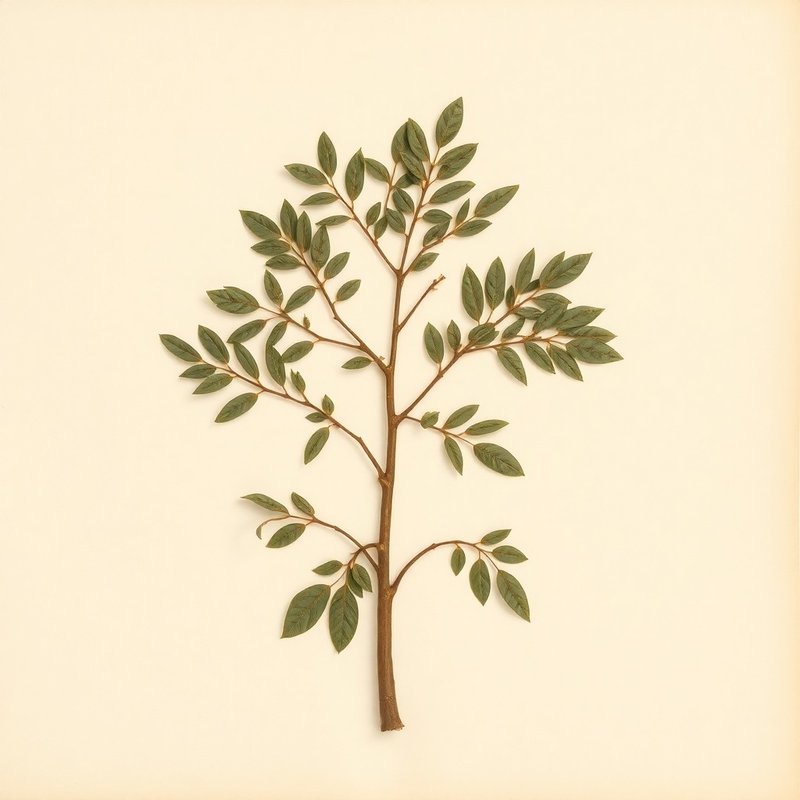

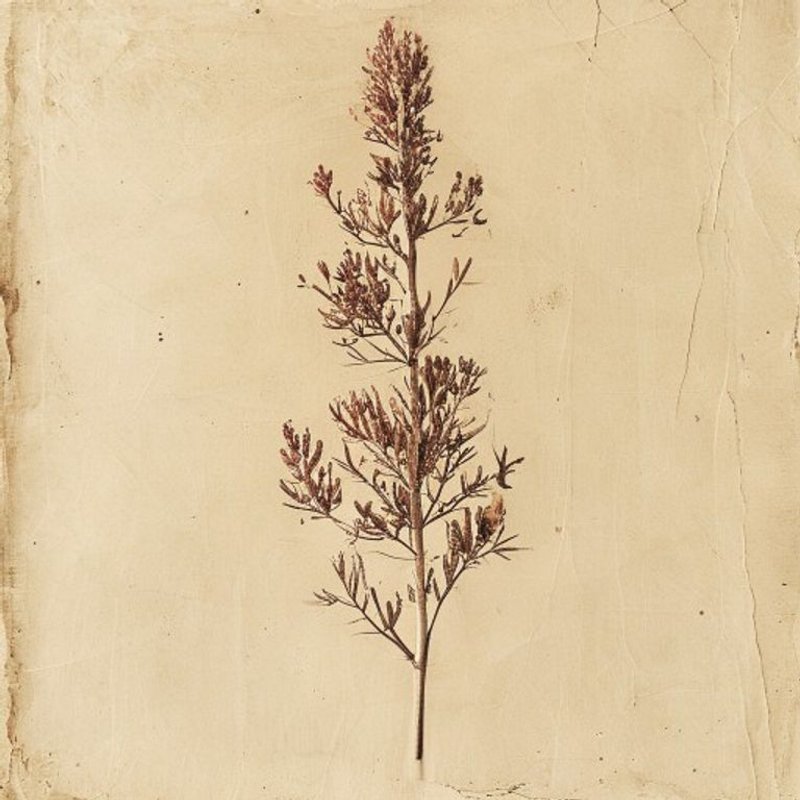
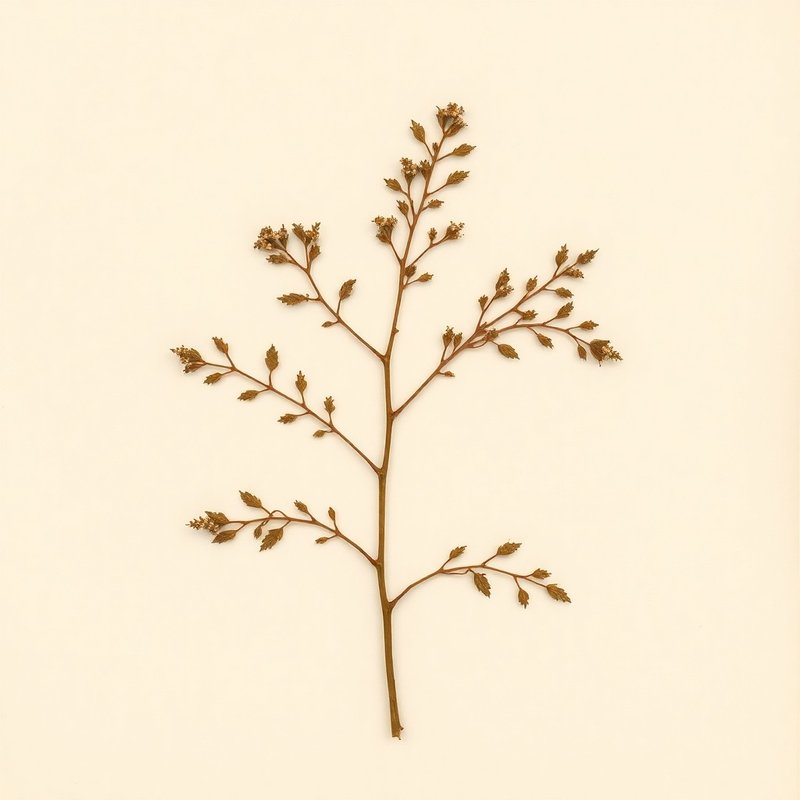
Explore further
About this entry
- Last updated
- Citation
- How to cite this entry · Submit a correction
Continue reading
Get archive updates
Occasional email when substantial new content lands — plant profiles, seasonal growing notes, folk-remedy additions. Free, no tracking, unsubscribe anytime.