
Green Purslane
IOverview
Overview
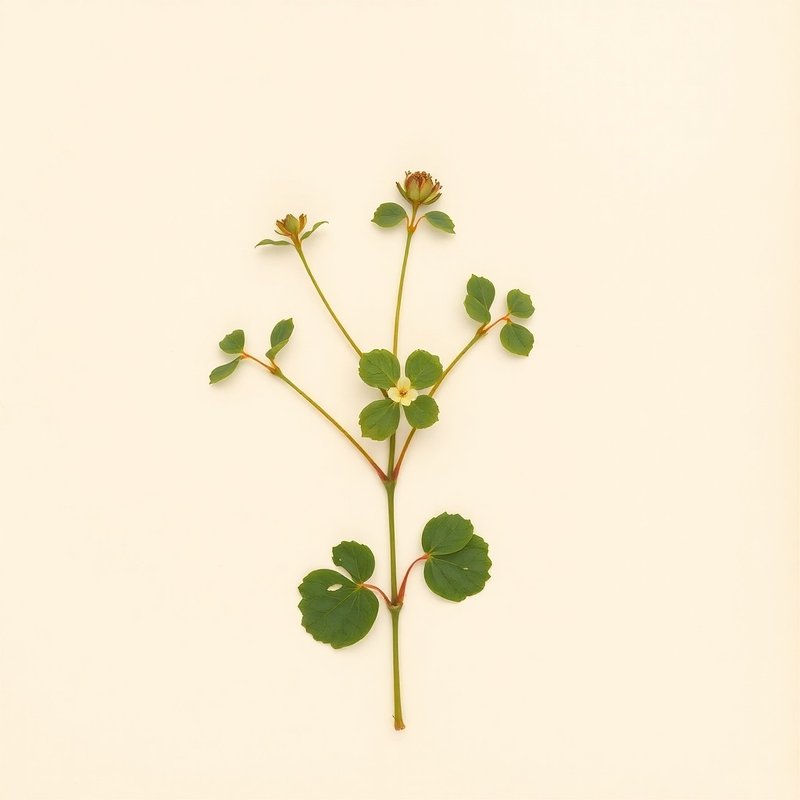
Green Purslane (Portulaca oleracea) is a light-loving annual forb or herb native to regions including Afghanistan, Albania, Algeria, and Angola. This resilient plant thrives in moist, well-drained soils with a pH of 7-7.5, making it adaptable to various climates across its native range. Known for both its edible and medicinal properties, Green Purslane is valued for its succulent, green foliage that often forms a low-growing mat, reaching up to 0.3 meters in height. Its distinctive feature lies in its ability to be found in diverse habitats, from the Canary Islands to Yemen. This plant can be propagated by seed and is hardy in temperate regions (zones 3-12), thriving in full sun to partial shade. Regular, but not excessive, watering is recommended. The leaves and seeds can be harvested for culinary use, making Green Purslane a versatile addition to gardens and landscapes.
What is Green Purslane?
Green Purslane (Portulaca oleracea) is a light-loving annual forb or herb native to regions including Afghanistan, Albania, Algeria, and Angola. This resilient plant thrives in moist, well-drained soils with a pH of 7-7.5, making it adaptable to various climates across its native range.
IV·bMixology suggestions
1 draft
Mixology suggestions
1 draftVCultivation
Cultivation
How to grow Green Purslane for the first time
Green Purslane is a forgiving plant that's perfect for beginners looking to try their hand at gardening.
- 1
What you'll need
Seeds, small pots or direct garden space, potting soil.
- 2
Best time to plant
Plant in spring after the last frost, or start seeds indoors a few weeks earlier.
- 3
Soil and container prep
Use well-draining soil with a pH of 7-7.5. Containers should be at least 6 inches deep.
- 4
Sowing or transplanting
Direct sow seeds in the garden, spacing them about 4 inches apart. Alternatively, start indoors and transplant after danger of frost passes.
- 5
First two weeks
Keep soil consistently moist but not waterlogged. Provide partial shade during hot days.
- 6
Ongoing care
Water when the top inch of soil is dry. Fertilize sparingly with a balanced fertilizer every 4-6 weeks.
- 7
Harvest or pruning
Pinch back stems to encourage bushy growth and prevent legginess. Harvest leaves as needed for salads.
VIEdible & utility
Edible & utility
VIIDistribution
61 native · 237 introduced
Distribution
61 native · 237 introducedIXSpecimen gallery
1 image
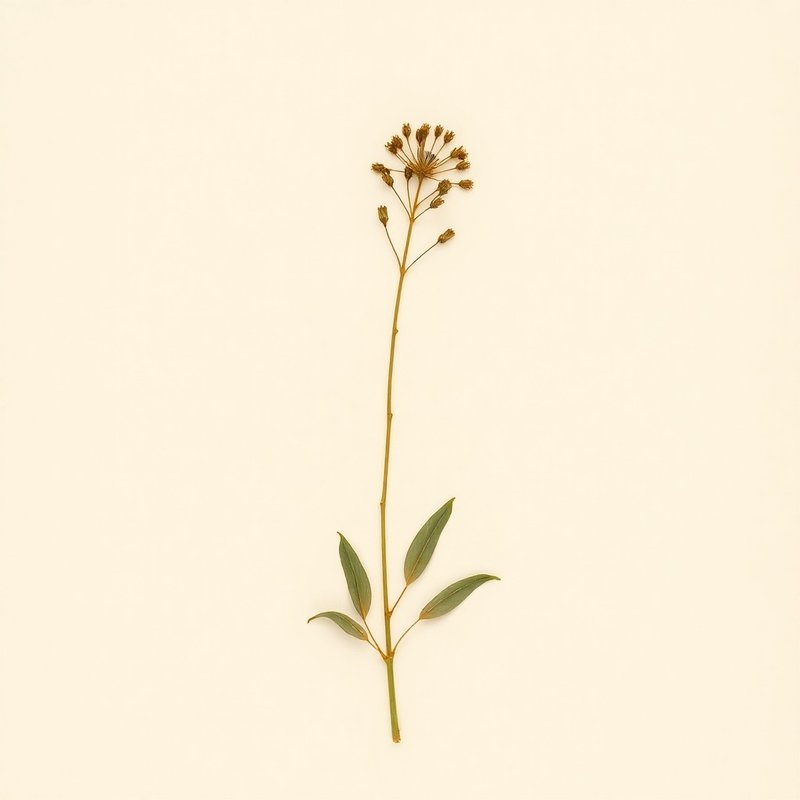
Specimen gallery
1 imageXSee also
8 related
See also
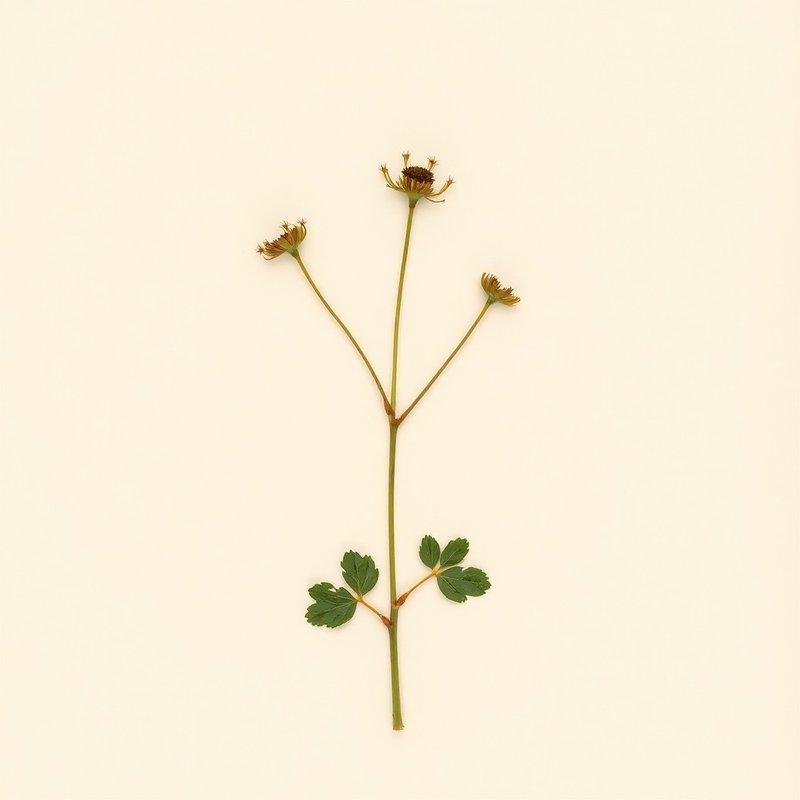
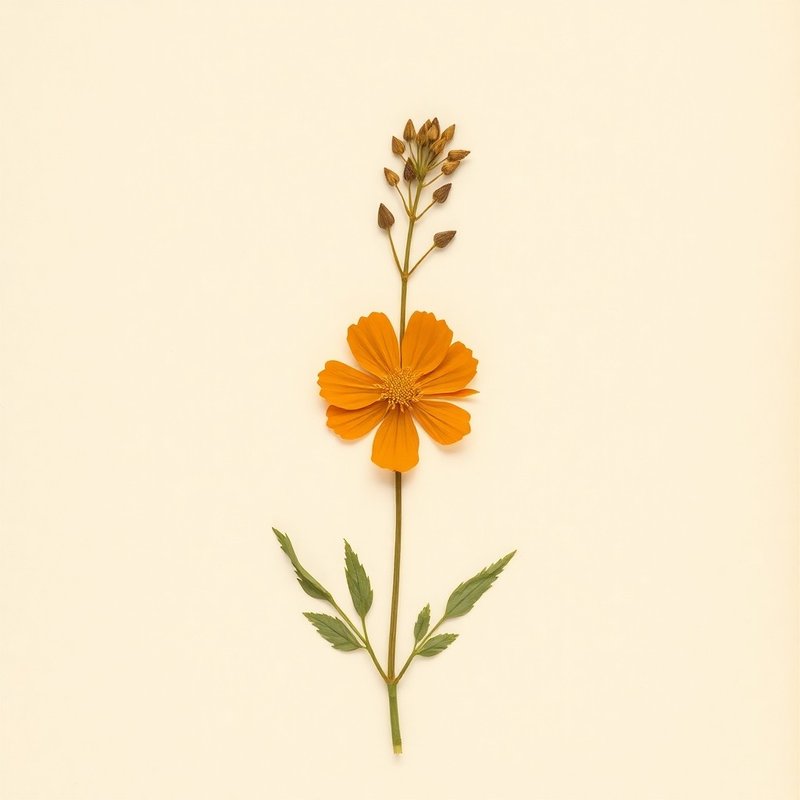
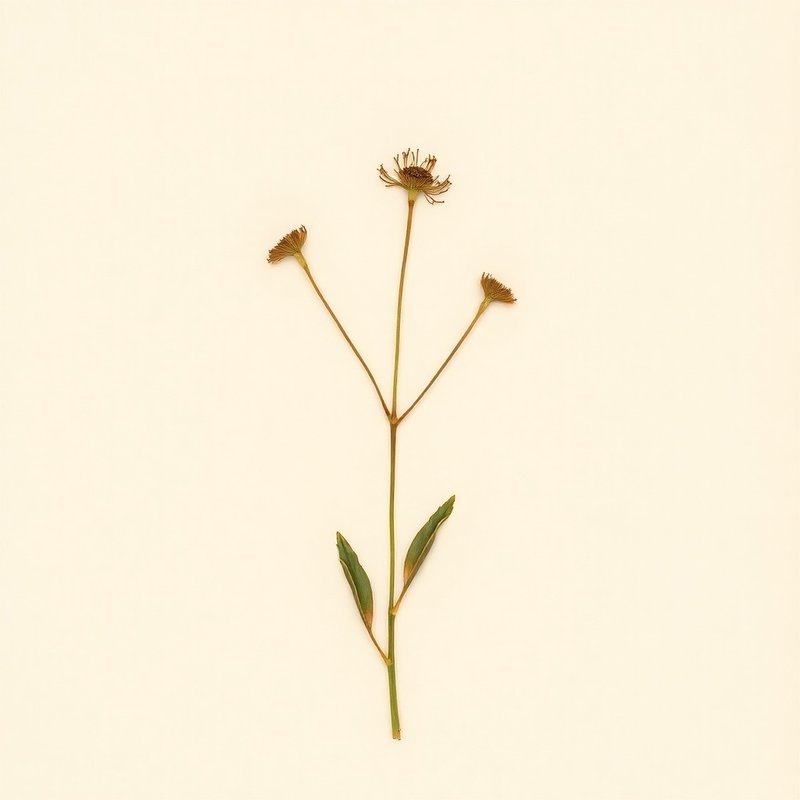
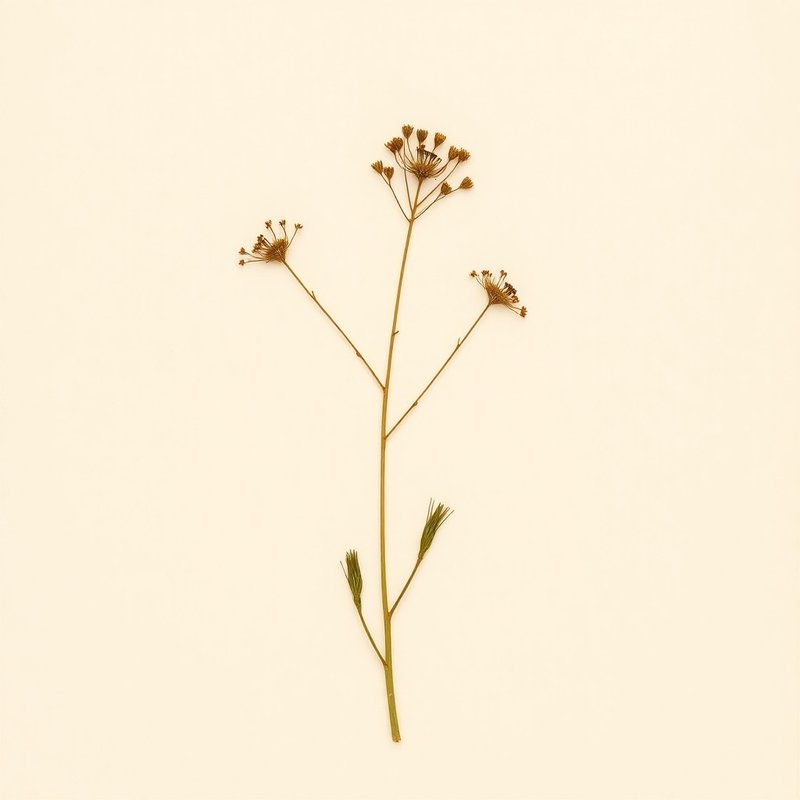
8 relatedPlants you might compare or use together — scored by shared family (Caryophyllaceae), common use cases, and growing requirements.
Explore further
About this entry
- Last updated
- Citation
- How to cite this entry · Submit a correction
Continue reading
Get archive updates
Occasional email when substantial new content lands — plant profiles, seasonal growing notes, folk-remedy additions. Free, no tracking, unsubscribe anytime.