
Catchfly
Silene firmafam. Caryophyllaceae
Educational content — not medical, botanical, or professional advice. Always consult a qualified clinician before using any herbal preparation — especially during pregnancy, breastfeeding, while on medication, or for children. How we source & review →
Garden journal pausedUse profile notes below
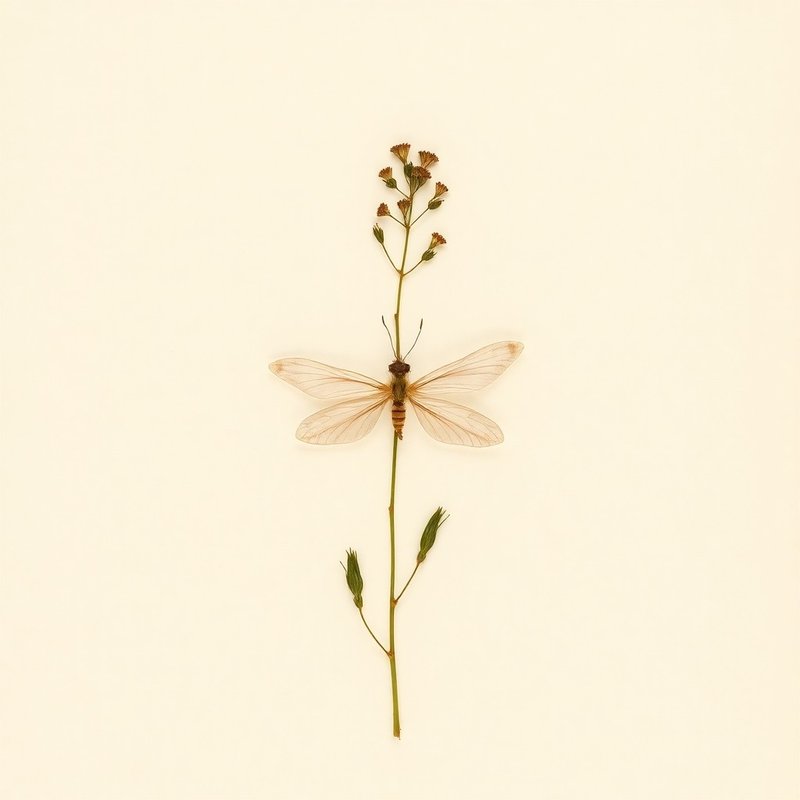
Pl. 9AB3 — Silene firma
Silene firmaSilene firmaSilene firmaSilene firmaSilene firmaSilene firmaSilene firmaSilene firmaSilene firmaSilene firmaSilene firmaSilene firmaSilene firmaSilene firma
IOverview
Overview
Catchfly, scientifically known as Silene firma, is an annual or biennial plant that thrives in moist environments with light to partial sun exposure. Native to regions including Amur, China North-Central, and Japan, this plant has a wide distribution across East Asia and parts of Russia. Catchfly is notable for its edible leaves, making it a valuable addition to gardens where both beauty and utility are desired. One distinctive feature of the plant is its ability to grow up to 0.9 meters in height, with a preference for light, medium, or heavy soil types. Its adaptability makes it suitable for various landscaping purposes while also providing culinary benefits. The leaves of catchfly are edible and can be consumed raw or cooked, often used fresh in salads for their mild flavor. In traditional Chinese medicine, catchfly has been used to support immune health, often prepared as a decoction. According to the Bencao Gangmu, a renowned herbal text, catchfly is noted for its ability to enhance resistance against common ailments. Additionally, traditional sources suggest that catchfly can be used topically for skin care, though this is presented as ethnobotanical context and not medical advice. While catchfly is not typically introduced into new regions, its presence in gardens and natural habitats across East Asia and parts of Russia highlights its adaptability and ornamental value. Given its native range, it is hardy in temperate regions and can be propagated through seeds for best results. Ensure the soil remains consistently moist but avoid overwatering to prevent root rot.
Quick answers
What is Catchfly?
Catchfly, scientifically known as Silene firma, is an annual or biennial plant that thrives in moist environments with light to partial sun exposure. Native to regions including Amur, China North-Central, and Japan, this plant has a wide distribution across East Asia and parts of Russia.
What is Catchfly used for?
Traditionally used for immune support, topical & skin. Each claim is evidence-rated — see Section II for full citations.
Best for
Top 2 evidence-ranked uses of Catchfly
Clinicaluses · safety · chemistry · dosagemedicinal profile
IIBenefits & evidence
2 claims · traditional-use context
Benefits & evidence
2 claims · traditional-use contextTraditional-use context
These notes are presented as ethnobotanical context. No cited clinical references are catalogued for this plant yet.
- Catchfly has been traditionally used in Chinese medicine to support immune health, often prepared as a decoction. Its use is based on the Bencao Gangmu, which mentions its ability to enhance resistance against common ailments.
The mechanism by which Catchfly supports immunity is not fully characterised but may involve bioactive compounds that modulate inflammatory responses and support immune cell function.
▲ ModerateImmune support → - Traditional-use note: Catchfly appears in herbal sources around traditional skin-care routines, often as a topical preparation. PlantSage presents this as ethnobotanical context, not as medical advice.
Traditional context only. This reviewed claim keeps the original moderate confidence level, but avoids treatment, disease, dosage, or guaranteed-effect language.
▲ ModerateTopical & skin →
IV·bMixology suggestions
1 draft
Mixology suggestions
1 draftEditorial drafts. These pairings are AI-suggested from traditional herbal lore. Always verify with a qualified herbalist before brewing.
Catchfly support blend
generaltea
AI returned a direct ingredient list; normalized into one draft blend for editorial review.
Growingconditions · propagation · uses
VCultivation
Cultivation
Catchfly thrives in full sun to partial shade and prefers moist soil that is light (sandy), medium, or heavy (clay). It can grow up to 0.9 meters tall and is both an annual and biennial plant. Propagate through seeds for best results. Given its native range across East Asia, it is hardy in temperate regions. Ensure the soil remains consistently moist but avoid overwatering to prevent root rot.
Light
Full sun, Partial sun/shade
Water
Moist
Soil
Light (sandy), Medium, Heavy (clay)
Life cycle
Annual, Biennial
Mature size
0.9 m tall
VIEdible & utility
Edible & utility
Edible parts:Leaves
Edible uses: The catchfly's leaves are edible and can be consumed raw or cooked. They are often used fresh in salads for their mild flavor.
Contextrange · companions · related
VIIDistribution
15 native · 0 introduced
Distribution
15 native · 0 introducedDistribution across1 continent· 15 native
Asia4 regions
native (4)ChinaJapanSouth KoreaTaiwan
Broader regions
native:Amur, Chita, Khabarovsk, Primorye
IXSpecimen gallery
1 image
Specimen gallery
1 imageXSee also
8 related
See also
8 relatedPlants you might compare or use together — scored by shared family (Caryophyllaceae), common use cases, and growing requirements.
same family · Caryophyllaceae
Botanical relatives — often share phytochemistry + growing needs.


shared use cases
Different families, similar therapeutic role — good for comparing.
XI
Explore further
Companion planting
Health goals
Compare with similar plants
XII
About this entry
- Last updated
- Citation
- How to cite this entry · Submit a correction
Back to the cataloguePlant id · 9ab38bab-655b-49de-a4b7-935b3102124b
Decision aid
Choosing between Catchfly and something else?
Continue reading
❦❦❦❦
Endpaper · archive updates
Get archive updates
Occasional email when substantial new content lands — plant profiles, seasonal growing notes, folk-remedy additions. Free, no tracking, unsubscribe anytime.
Newsletter returning soon.
We are rebuilding the update list around a lightweight editorial workflow. New dispatches will resume after the next content review cycle.