
Curly Pondweed
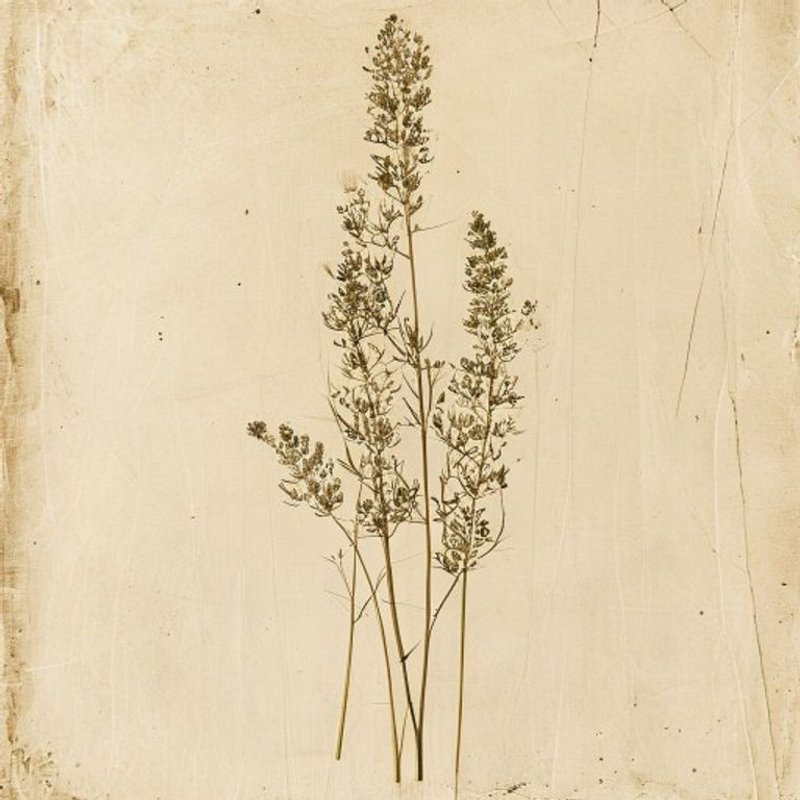
IOverview
Overview
Curly Pondweed, scientifically known as Potamogeton crispus, is a perennial herb belonging to the family Cyperaceae. This adaptable plant can be found in diverse habitats across numerous countries including Afghanistan, Albania, Algeria, and many others listed in its native range. Native to regions such as Afghanistan, Albania, and Algeria, Curly Pondweed has spread widely due to its robust nature and ability to thrive in various environments. The plant is valued for its edible leaves and roots, which can be consumed raw or cooked, making it a useful food source in some areas. It prefers light to medium soil types, such as sandy or clay, with a pH range of 6.4 to 8.5, and thrives in waterlogged conditions, reflecting its aquatic nature. The distinctive feature of Curly Pondweed is the curly appearance of its leaves, which sets it apart from other species within the same family. In cultivation, this plant can be grown in light to heavy soils with a pH between 6.4 and 8.5, making it adaptable to various conditions. It prefers full sun to partial shade and grows well in waterlogged areas, so ensure its soil remains moist for optimal growth. Curly Pondweed can be propagated through division or seed sowing. While primarily used as an edible plant, it is important to note that no medicinal claims are supported by the provided data.
What is Curly Pondweed?
Curly Pondweed, scientifically known as Potamogeton crispus, is a perennial herb belonging to the family Cyperaceae. This adaptable plant can be found in diverse habitats across numerous countries including Afghanistan, Albania, Algeria, and many others listed in its native range.
VCultivation
Cultivation
How to grow Curly Pondweed for the first time
Curly Pondweed is a straightforward plant for beginners to grow, focusing on basic soil preparation and regular care.
- 1
What you'll need
Seeds or small plants, containers or a pond, potting mix suitable for aquatic plants.
- 2
Best time to plant
Plant in early spring when the water temperature is around 10°C (50°F).
- 3
Soil and container prep
Use a container with drainage holes or directly plant in a pond. Ensure the soil is light, sandy, medium, or clayey.
- 4
Sowing or transplanting
Plant seeds 1-2 cm deep in the soil. Transplant small plants into the prepared container or pond.
- 5
First two weeks
Keep the water temperature stable and monitor for signs of growth, adjusting light as needed.
- 6
Ongoing care
Provide plenty of light and ensure the pH is between 6.4 and 8.5. Trim back any overgrowth to maintain shape.
- 7
Harvest or pruning
Prune leaves and roots as needed for maintenance, ensuring healthy growth.
- 8
Common mistakes
Overcrowding the container, using incorrect soil type, neglecting water temperature, not adjusting pH levels.
VIEdible & utility
Edible & utility
VIIDistribution
100 native · 59 introduced
Distribution
100 native · 59 introducedIXSpecimen gallery
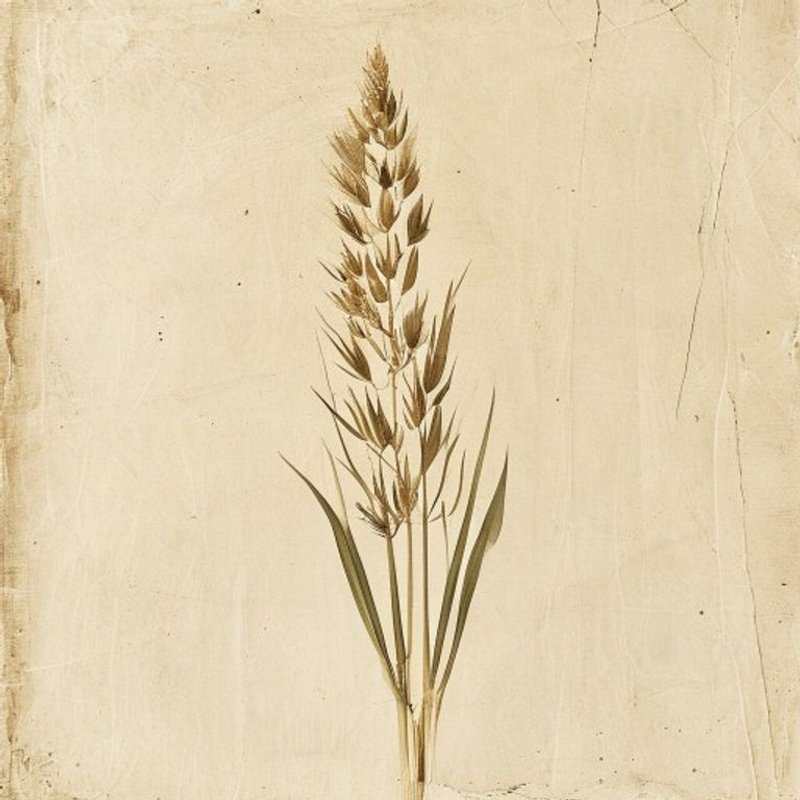
1 image
Specimen gallery
1 imageXSee also
8 related
See also
8 relatedPlants you might compare or use together — scored by shared family (Cyperaceae), common use cases, and growing requirements.

Explore further
About this entry
- Last updated
- Citation
- How to cite this entry · Submit a correction
Continue reading
Get archive updates
Occasional email when substantial new content lands — plant profiles, seasonal growing notes, folk-remedy additions. Free, no tracking, unsubscribe anytime.