
Tropical Kudzu
IOverview
Overview
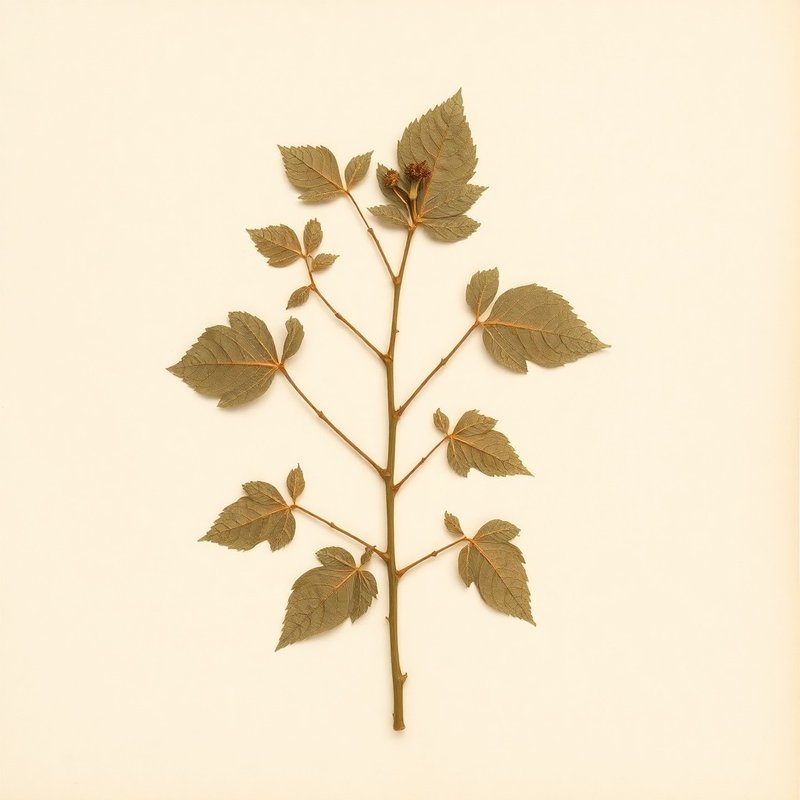
Tropical Kudzu, scientifically known as Pueraria phaseoloides and belonging to the Fabaceae family, is a vigorous climbing legume native to the tropical and subtropical regions of Asia, including countries such as China, India, Thailand, and Vietnam. This plant is also found across various islands and mainland areas like the Andaman Islands, Assam, and Borneo. Thriving in moist environments with light to medium soil types and full sun exposure, Tropical Kudzu is a distinctive feature of these ecosystems due to its vigorous growth and ability to cover large areas with its vine-like structure. The root of Tropical Kudzu is edible and can be prepared in various ways, commonly eaten raw or cooked and often added to soups or stews. It can also be dried for later use. This plant is known for its utility in soil conditioning, reclamation, erosion control, and as a ground cover. It is a nitrogen fixer, enhancing soil fertility, and can be used as animal feed. However, it is important to note that Tropical Kudzu has the potential to become a weed in introduced regions due to its invasive nature. Tropical Kudzu is hardy in zones 10-12 and can be propagated from its roots. It thrives in full sun and prefers moist, well-draining soil that can be light (sandy), medium, or heavy (clay). While it is not medicinal, its cultivation is relevant for both ornamental and practical purposes, making it a valuable addition to gardens and agricultural settings in suitable climates.
What is Tropical Kudzu?
Tropical Kudzu, scientifically known as Pueraria phaseoloides and belonging to the Fabaceae family, is a vigorous climbing legume native to the tropical and subtropical regions of Asia, including countries such as China, India, Thailand, and Vietnam.
VCultivation
Cultivation
How to grow Tropical Kudzu for the first time
Start with Tropical Kudzu as a simple, low-maintenance plant for beginners.
- 1
What you'll need
Seeds or young plants, a container or garden bed, and basic gardening tools.
- 2
Best time to plant
Plant in spring when the soil is warm and there's no risk of frost.
- 3
Soil and container prep
Use well-draining soil with a mix of light (sandy), medium, or heavy clay. Ensure containers have drainage holes.
- 4
Sowing or transplanting
Direct sow seeds in the garden after the last frost or start them indoors 4-6 weeks before planting outside.
- 5
First two weeks
Water regularly to keep soil moist but not waterlogged. Provide full sun exposure.
- 6
Ongoing care
Water when the top inch of soil feels dry, and ensure it gets at least 6 hours of sunlight daily. Mulch around the plant for moisture retention.
- 7
Harvest or pruning
Prune vines to maintain shape and size, especially in containers. Roots can be harvested after a few months if desired.
- 8
Common mistakes
Overwatering, planting too deep, not providing enough sunlight, and neglecting regular pruning.
VIEdible & utility
Edible & utility
VIIDistribution
25 native · 48 introduced
Distribution
25 native · 48 introducedIXSpecimen gallery
1 image
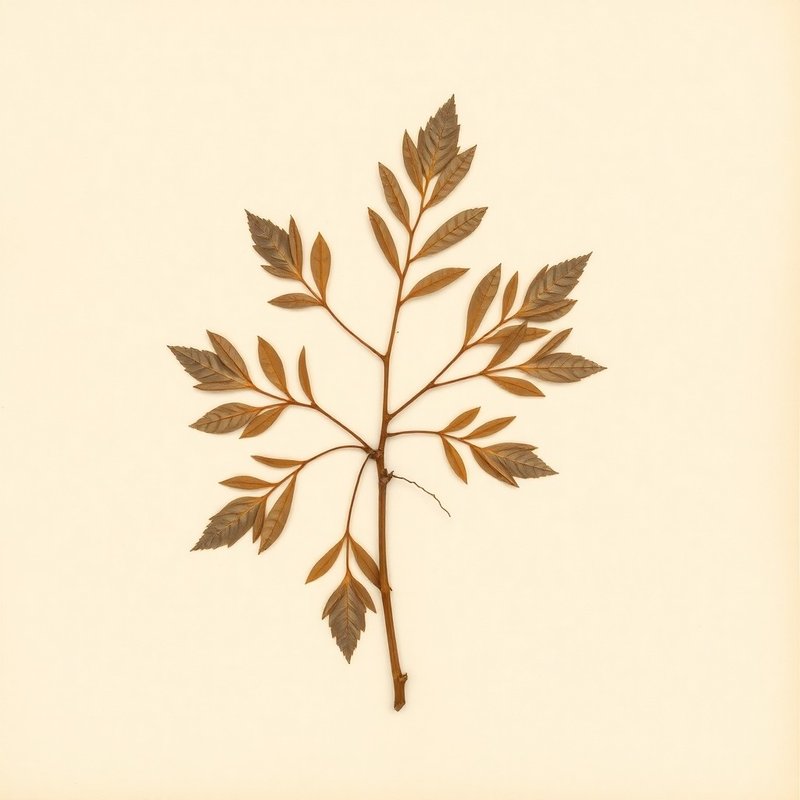
Specimen gallery
1 imageXSee also
8 related
See also
8 relatedPlants you might compare or use together — scored by shared family (Fabaceae), common use cases, and growing requirements.
Explore further
About this entry
- Last updated
- Citation
- How to cite this entry · Submit a correction
Continue reading
Get archive updates
Occasional email when substantial new content lands — plant profiles, seasonal growing notes, folk-remedy additions. Free, no tracking, unsubscribe anytime.