
Dusky pear
Pyrus phaeocarpafam. Rosaceae
Educational content — not medical, botanical, or professional advice. Plant identification, safety, and edibility depend on local conditions, cultivars, and correct identification. Consult a qualified botanist or forager before consuming or handling wild specimens. How we source & review →
Garden journal pausedUse profile notes below
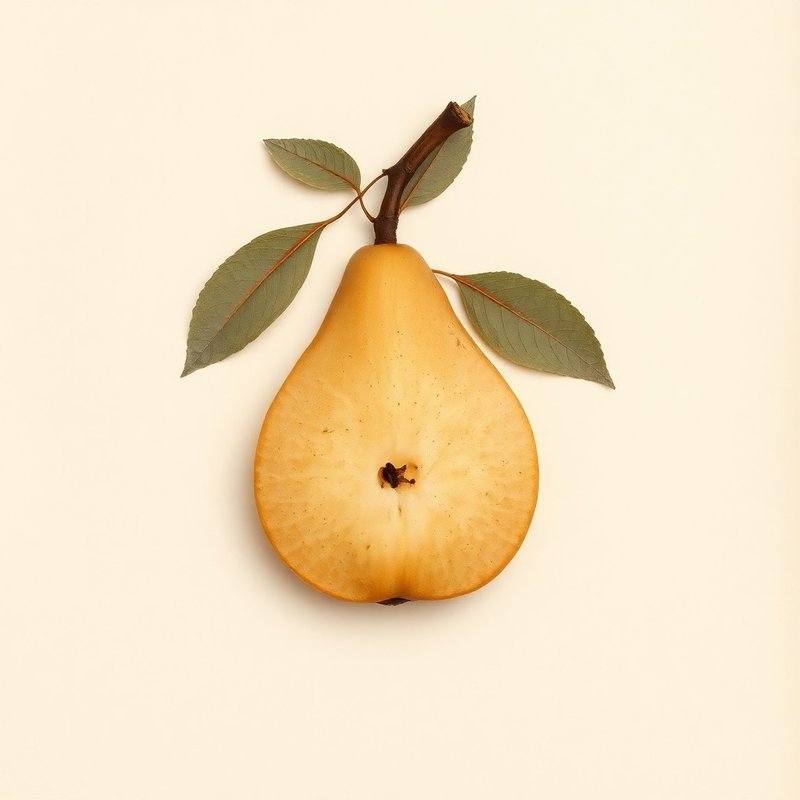
Pl. 0ABB — Pyrus phaeocarpa
Pyrus phaeocarpaPyrus phaeocarpaPyrus phaeocarpaPyrus phaeocarpaPyrus phaeocarpaPyrus phaeocarpaPyrus phaeocarpaPyrus phaeocarpaPyrus phaeocarpaPyrus phaeocarpaPyrus phaeocarpaPyrus phaeocarpaPyrus phaeocarpaPyrus phaeocarpa
IOverview
Overview
Dusky pear (Pyrus phaeocarpa) is a deciduous tree belonging to the Rosaceae family, native to the north-central regions of China and Xinjiang. Known for its distinctive dusky appearance, this plant thrives in full or partial sun with soil that can range from light sandy to heavy clay, preferring well-drained conditions. It grows up to 7 meters tall and is hardy in zones 4-8, making it adaptable to various climates within its native habitat. The fruit of the dusky pear is edible and can be eaten raw or cooked, often used in preserves or jams due to its distinctive flavor. The fruit can also be dried for later use. This tree serves as a rootstock, contributing to its utility in horticulture. Its native range in China's north-central regions and Xinjiang makes it well-adapted to temperate climates. While the dusky pear is primarily known for its edible fruit, it does not have recognized medicinal properties or ornamental value. For best results, ensure the soil remains consistently moist while providing ample sunlight. Propagation can be achieved through seeds or grafting.
Quick answers
What is Dusky pear?
Dusky pear (Pyrus phaeocarpa) is a deciduous tree belonging to the Rosaceae family, native to the north-central regions of China and Xinjiang.
Growingconditions · propagation · uses
VCultivation
Cultivation
Dusky pear thrives in full to partial sun and requires moist soil that can be light (sandy), medium, or heavy (clay). It is hardy in zones 4-8 and grows up to 7 meters tall. For best results, ensure the soil remains consistently moist while providing ample sunlight. Propagate through seeds or grafting. This pear is native to China's North-Central region and Xinjiang, making it well-adapted to temperate climates.
Light
Full sun, Partial sun/shade
Water
Moist
Soil
Light (sandy), Medium, Heavy (clay)
Hardiness
4-8
Mature size
7.0 m tall
For first-time growers
How to grow Dusky pear for the first time
7steps
Start with a simple planting of Dusky pear to gain experience in caring for this tree.
- 1
What you'll need
A young Dusky pear sapling, well-draining soil, and a container or garden space.
- 2
Best time to plant
Plant the sapling in early spring when the ground is workable but not frozen.
- 3
Soil and container prep
Ensure the soil is light (sandy), medium, or heavy with good drainage. For containers, use a potting mix suitable for fruit trees.
- 4
Sowing or transplanting
Transplant the sapling into its permanent spot or a large container if you're growing it indoors.
- 5
First two weeks
Water regularly to keep the soil moist but not waterlogged. Monitor for pests and diseases.
- 6
Ongoing care
Provide full sun to partial shade, regular watering, and mulch around the base to retain moisture and suppress weeds.
- 7
Harvest or pruning
Prune in late winter to maintain shape and remove dead branches. Harvest fruit when it turns a rich color.
VIEdible & utility
Edible & utility
Edible parts:Fruit
Edible uses: The dusky pear's fruit is edible and can be eaten raw or cooked. It is often prepared in preserves or jams due to its distinctive flavor. The fruit can also be dried for later use. Skip the invention of specific recipes as per instructions.
Other uses:Rootstock
Contextrange · companions · related
VIIDistribution
2 native · 0 introduced
Distribution
2 native · 0 introducedDistribution across1 continent· 2 native
Asia1 region
native (1)China
VIIIGarden companions
1 pair
Garden companions
1 pairPlant near these
These plants help — by repelling pests, fixing nitrogen, attracting pollinators, or sharing space well.
IXSpecimen gallery
1 image
Specimen gallery
1 imageXSee also
8 related
See also
8 relatedPlants you might compare or use together — scored by shared family (Rosaceae), common use cases, and growing requirements.
same family · Rosaceae
Botanical relatives — often share phytochemistry + growing needs.

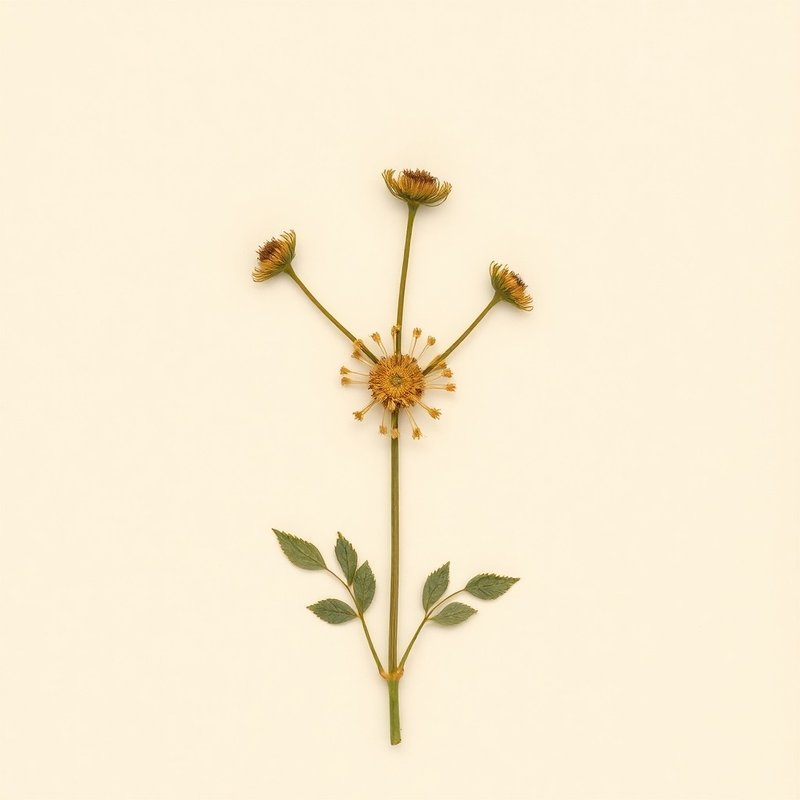
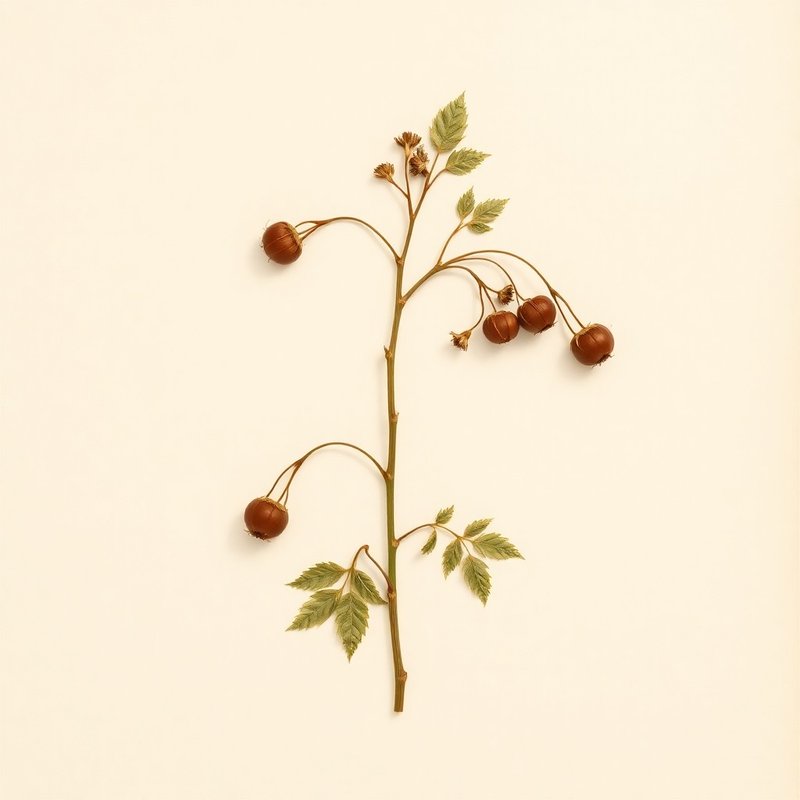

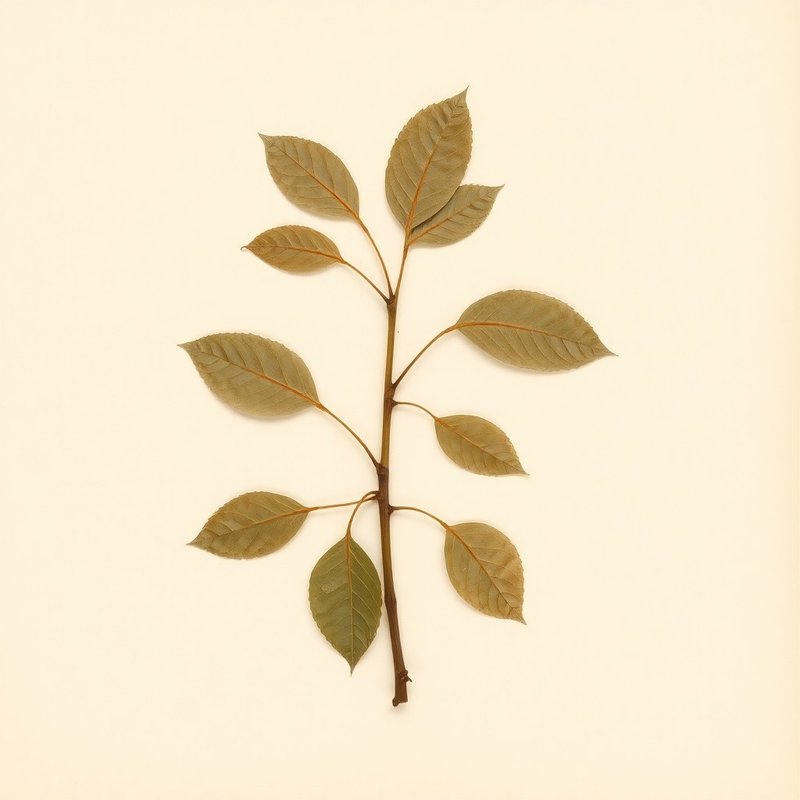
XI
Explore further
Companion planting
Compare with similar plants
Growing zone
Native to
XII
About this entry
- Last updated
- Citation
- How to cite this entry · Submit a correction
Back to the cataloguePlant id · 0abb0a0f-af37-426c-a248-73e9f80646a2
Decision aid
Choosing between Dusky pear and something else?
Continue reading
❦❦❦❦
Endpaper · archive updates
Get archive updates
Occasional email when substantial new content lands — plant profiles, seasonal growing notes, folk-remedy additions. Free, no tracking, unsubscribe anytime.
Newsletter returning soon.
We are rebuilding the update list around a lightweight editorial workflow. New dispatches will resume after the next content review cycle.