
Hui Hui Suan
IOverview
Overview
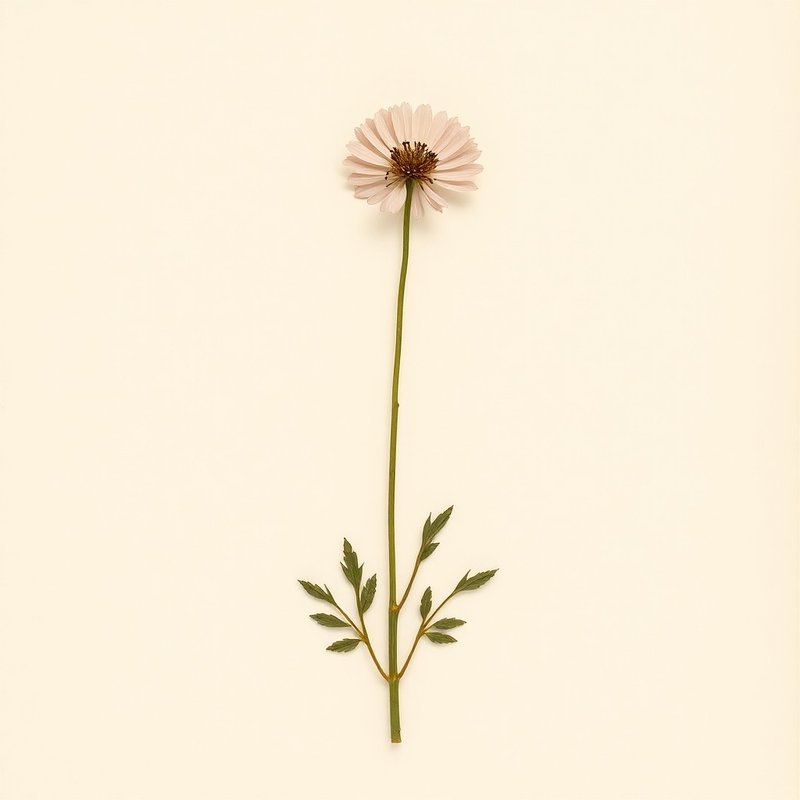
Hui Hui Suan (Ranunculus chinensis) is a perennial plant native to the eastern and southern regions of China, as well as parts of Korea, Japan, and Southeast Asia, including areas such as Amur, Assam, and Taiwan. It thrives in moist, wet environments with light to partial sun exposure and can be found in various soil types, from sandy to clay-rich conditions. Known for its edible leaves, this plant is often cultivated for culinary purposes, where the leaves can be consumed raw or cooked, commonly used in stir-fries or soups to add a mild flavor to dishes. Ranunculus chinensis belongs to the Ranunculaceae family and is a notable species with a distinctive height of about 0.6 meters. Its native range spans from Amur and Assam to Taiwan and Vietnam, making it a significant plant within its habitat. In traditional Chinese medicine, Hui Hui Suan is used to support immune function and digestive health, often prepared as a decoction. It is believed to enhance the body's natural defenses against pathogens and help alleviate symptoms of indigestion, promoting overall gastrointestinal well-being. While Hui Hui Suan is traditionally used in Chinese medicine, it is important to exercise caution and seek professional guidance before using it for any medicinal purposes.
What is Hui Hui Suan?
Hui Hui Suan (Ranunculus chinensis) is a perennial plant native to the eastern and southern regions of China, as well as parts of Korea, Japan, and Southeast Asia, including areas such as Amur, Assam, and Taiwan.
What is Hui Hui Suan used for?
Traditionally used for immune support, digestion. Each claim is evidence-rated — see Section II for full citations.
IIBenefits & evidence
2 claims · traditional-use context
Benefits & evidence
2 claims · traditional-use context- Ranunculus chinensis is traditionally used in Chinese medicine to support immune function, often prepared as a decoction. It may help enhance the body's natural defenses against pathogens.
The mechanism by which Ranunculus chinensis supports immunity is not fully characterised but may involve the modulation of cytokine production and enhancement of phagocytic activity in immune cells.
▲ ModerateImmune support → - Ranunculus chinensis has been traditionally used in Chinese medicine to support digestive health, often prepared as a decoction. It is believed to help alleviate symptoms of indigestion and promote overall gastrointestinal well-being.
The mechanism by which Ranunculus chinensis supports digestion is not fully characterised but may involve the modulation of gut motility and reduction of inflammation in the digestive tract.
▲ ModerateDigestion →
IV·bMixology suggestions
1 draft
Mixology suggestions
1 draftVCultivation
Cultivation
How to grow Hui Hui Suan for the first time
Start with Hui Hui Suan as a simple, low-maintenance perennial for your garden.
- 1
What you'll need
Seeds or small plants, gardening gloves, trowel.
- 2
Best time to plant
Plant in spring after the last frost or fall before the first freeze.
- 3
Soil and container prep
Choose a spot with moist, well-draining soil; amend with compost if needed.
- 4
Sowing or transplanting
Direct sow seeds 1-2 cm deep or plant small plants at 30 cm intervals.
- 5
First two weeks
Water regularly to keep the soil moist, but not waterlogged. Monitor for pests and diseases.
- 6
Ongoing care
Provide light to partial shade; mulch around the base to retain moisture. Prune dead foliage as needed.
- 7
Harvest or pruning
Prune back after flowering to encourage new growth and maintain shape.
- 8
Common mistakes
Overwatering, planting in full sun, neglecting to mulch.
VIEdible & utility
Edible & utility
VIIDistribution
36 native · 0 introduced
Distribution
36 native · 0 introducedIXSpecimen gallery
1 image
Specimen gallery
1 imageXSee also
8 related
See also
8 relatedPlants you might compare or use together — scored by shared family, common use cases, and growing requirements.


Explore further
About this entry
- Last updated
- Citation
- How to cite this entry · Submit a correction
Continue reading
Get archive updates
Occasional email when substantial new content lands — plant profiles, seasonal growing notes, folk-remedy additions. Free, no tracking, unsubscribe anytime.