
Buttercup
IOverview
Overview
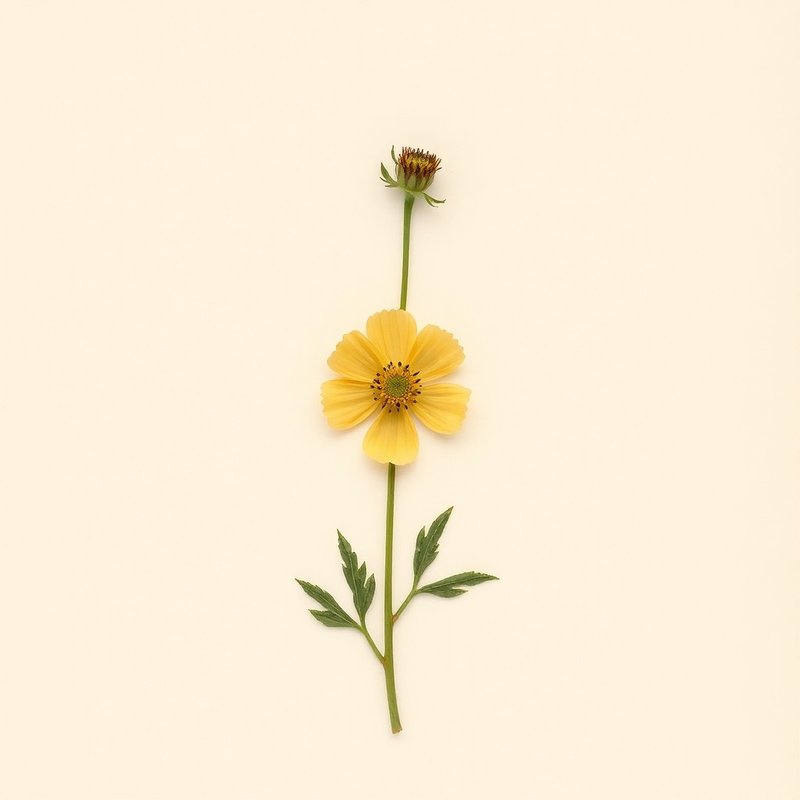
Buttercup (Ranunculus pallasii) is a perennial forb or herb native to the Arctic and subarctic regions of North America and Asia, including Alaska, Kamchatka, Khabarovsk, Labrador, Magadan, and parts of Canada such as Manitoba and Quebec. This plant thrives in moist to wet environments with light to partial sun exposure, making it adaptable to various soil types ranging from sandy to clay. Known for its edible properties, the leaves, roots, and shoots can be consumed. Typically, these parts are prepared by cooking or drying before consumption. Buttercup stands at a modest height of 0.1 meters and is recognized by its bright yellow flowers, which are distinctive features in its habitat. Traditionally, buttercup has been used in indigenous Alaskan medicine for digestive issues, often prepared as a decoction to soothe the stomach and aid digestion. However, it is important to use caution when handling this plant, as all parts contain toxic compounds, particularly protoanemonin, which can cause skin irritation and blistering. For cultivation, buttercup thrives in full to partial sun and prefers moist to wet soil that is light (sandy), medium, or heavy (clay). This perennial grows up to 0.1 meters tall and can be propagated through division or seed sowing. It is hardy in temperate regions and native to areas including Alaska, Kamchatka, Labrador, and parts of Canada. For optimal growth, ensure the soil remains consistently moist while providing ample sunlight. Harvest edible parts such as leaves, roots, and shoots for use in culinary applications.
What is Buttercup?
Buttercup (Ranunculus pallasii) is a perennial forb or herb native to the Arctic and subarctic regions of North America and Asia, including Alaska, Kamchatka, Khabarovsk, Labrador, Magadan, and parts of Canada such as Manitoba and Quebec.
What is Buttercup used for?
Traditionally used for digestion. Each claim is evidence-rated — see Section II for full citations.
IIBenefits & evidence
1 claim · traditional-use context
Benefits & evidence
1 claim · traditional-use context- Buttercup has been traditionally used in indigenous Alaskan medicine for digestive issues, often prepared as a decoction to soothe the stomach and aid digestion.
The mechanism is not fully characterised but may involve compounds like ranunculin which can have anti-inflammatory effects on the gastrointestinal tract.
▲ ModerateDigestion →
IV·bMixology suggestions
1 draft
Mixology suggestions
1 draftVCultivation
Cultivation
How to grow Buttercup for the first time
Start with simple soil and light conditions for your first buttercup.
- 1
What you'll need
Buttercup seeds or young plants, a small pot or garden bed.
- 2
Best time to plant
Plant in early spring when the soil is moist and workable.
- 3
Soil and container prep
Use well-draining soil with medium texture. Ensure containers have drainage holes.
- 4
Sowing or transplanting
Direct sow seeds 1-2 cm deep, or transplant young plants into the prepared soil.
- 5
First two weeks
Keep the soil consistently moist and provide partial sun to avoid burning the leaves.
- 6
Ongoing care
Water regularly but avoid overwatering. Provide full sun for best growth.
- 7
Harvest or pruning
Prune dead foliage to maintain plant health, but do not harvest as it is primarily ornamental.
- 8
Common mistakes
Overwatering, planting in heavy shade, neglecting regular watering.
VIEdible & utility
Edible & utility
VIIDistribution
18 native · 0 introduced
Distribution
18 native · 0 introducedIXSpecimen gallery
1 image
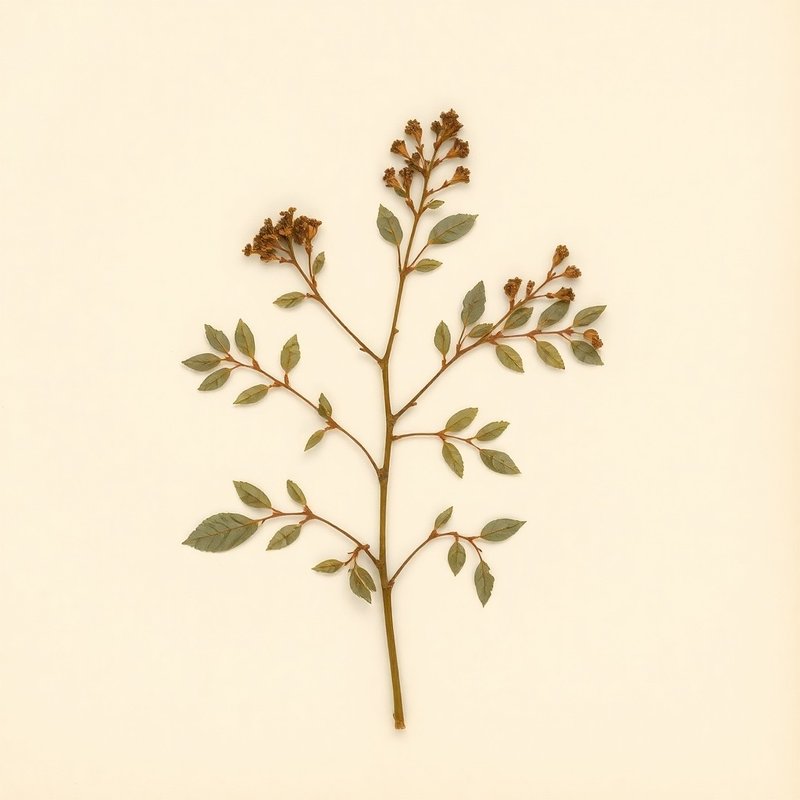
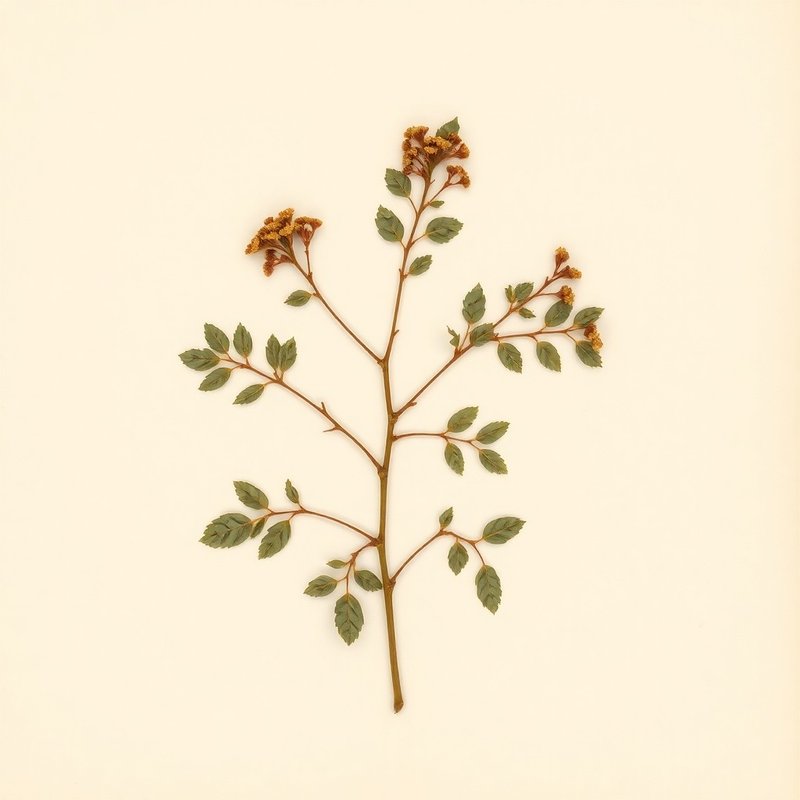
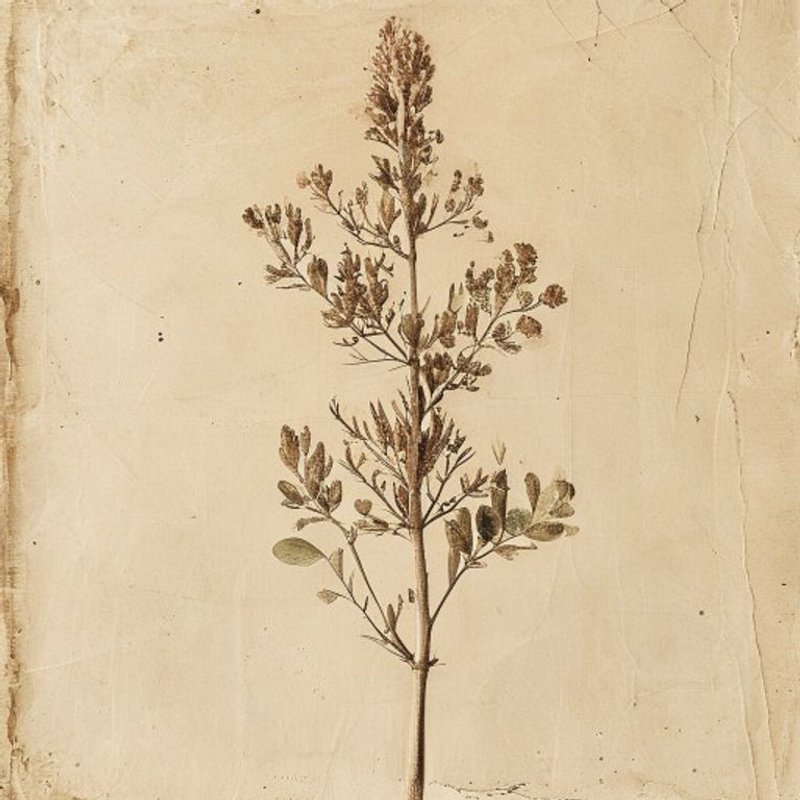
Specimen gallery
1 imageXSee also
8 related
See also
8 relatedPlants you might compare or use together — scored by shared family, common use cases, and growing requirements.


Explore further
About this entry
- Last updated
- Citation
- How to cite this entry · Submit a correction
Continue reading
Get archive updates
Occasional email when substantial new content lands — plant profiles, seasonal growing notes, folk-remedy additions. Free, no tracking, unsubscribe anytime.