
Graceful Buttercup
IOverview
Overview
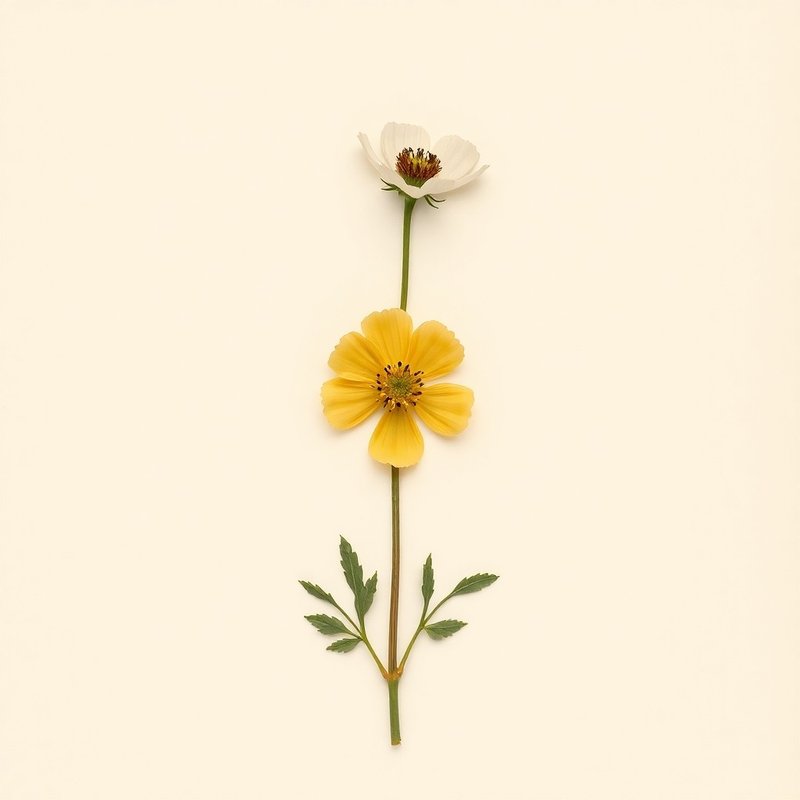
Graceful Buttercup, scientifically known as Ranunculus inamoeus, is a perennial forb or herb native to the western United States and southern Canada, specifically found in regions such as Alberta, Arizona, British Columbia, Colorado, Idaho, Montana, and Nebraska. This plant thrives in moist environments with light soil types, ranging from sandy to heavy clay, and prefers full sun to partial shade. It typically reaches a height of about 0.3 meters. Known for its edible roots, which can be prepared in various ways, including cooking or drying, Graceful Buttercup is both ornamental and practical. Its delicate appearance, characterized by graceful leaves and flowers, makes it an attractive addition to any garden setting. Additionally, the plant has documented medicinal uses, though caution is advised when using it for any health purposes. Given its natural habitat, Graceful Buttercup is hardy in temperate regions but may require protection in areas with extreme cold.
What is Graceful Buttercup?
Graceful Buttercup, scientifically known as Ranunculus inamoeus, is a perennial forb or herb native to the western United States and southern Canada, specifically found in regions such as Alberta, Arizona, British Columbia, Colorado, Idaho, Montana, and Nebraska.
IV·bMixology suggestions
1 draft
Mixology suggestions
1 draftVCultivation
Cultivation
How to grow Graceful Buttercup for the first time
Start with Graceful Buttercup as a simple, low-maintenance perennial for your garden.
- 1
What you'll need
A small trowel, potting soil, and some seeds or young plants.
- 2
Best time to plant
Plant in early spring or late fall when the weather is cooler.
- 3
Soil and container prep
Ensure your garden has well-draining soil with a pH between 6.0 and 7.5.
- 4
Sowing or transplanting
Direct sow seeds in the ground or start young plants indoors before transplanting.
- 5
First two weeks
Water regularly to keep the soil moist but not waterlogged, and protect from extreme heat.
- 6
Ongoing care
Provide partial sun to full sun, and water when the top inch of soil feels dry.
- 7
Harvest or pruning
Prune dead leaves and spent flowers to encourage new growth and maintain a neat appearance.
- 8
Common mistakes
Overwatering, planting in heavy clay soils, and not providing enough sunlight are common issues.
VIEdible & utility
Edible & utility
VIIDistribution
14 native · 0 introduced
Distribution
14 native · 0 introducedIXSpecimen gallery
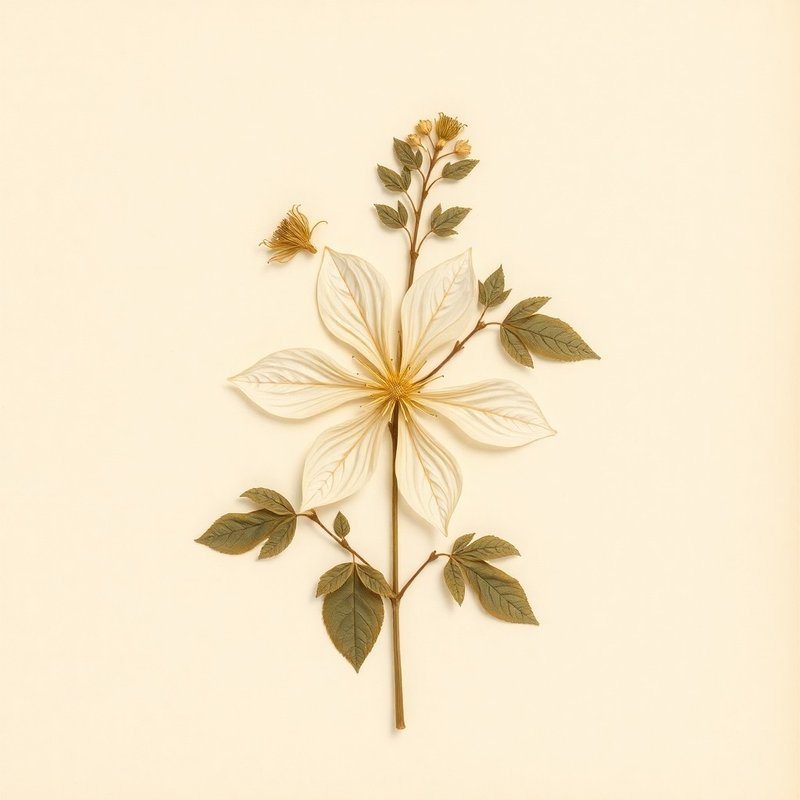
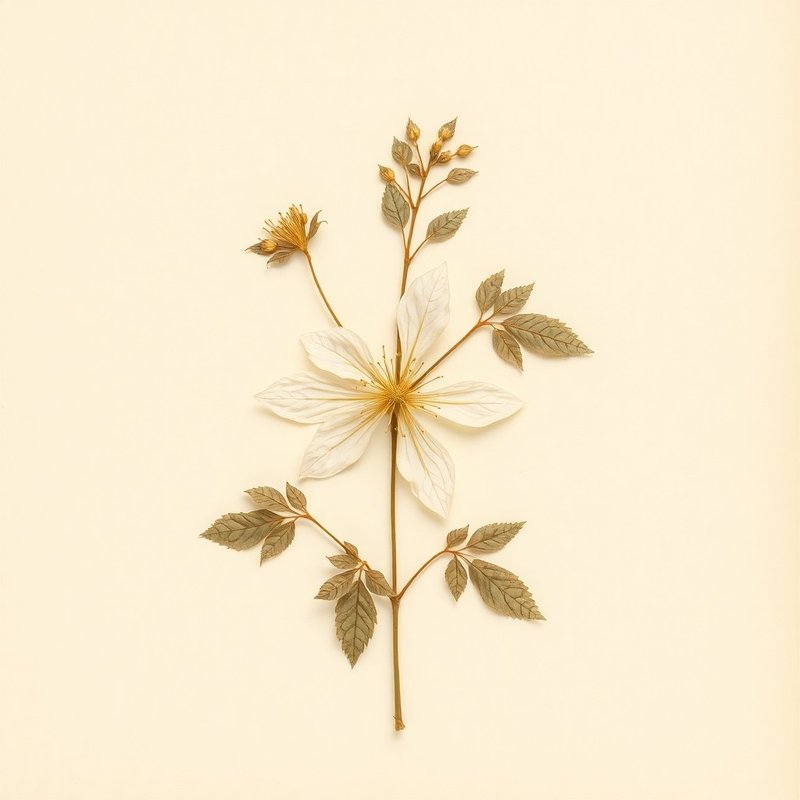
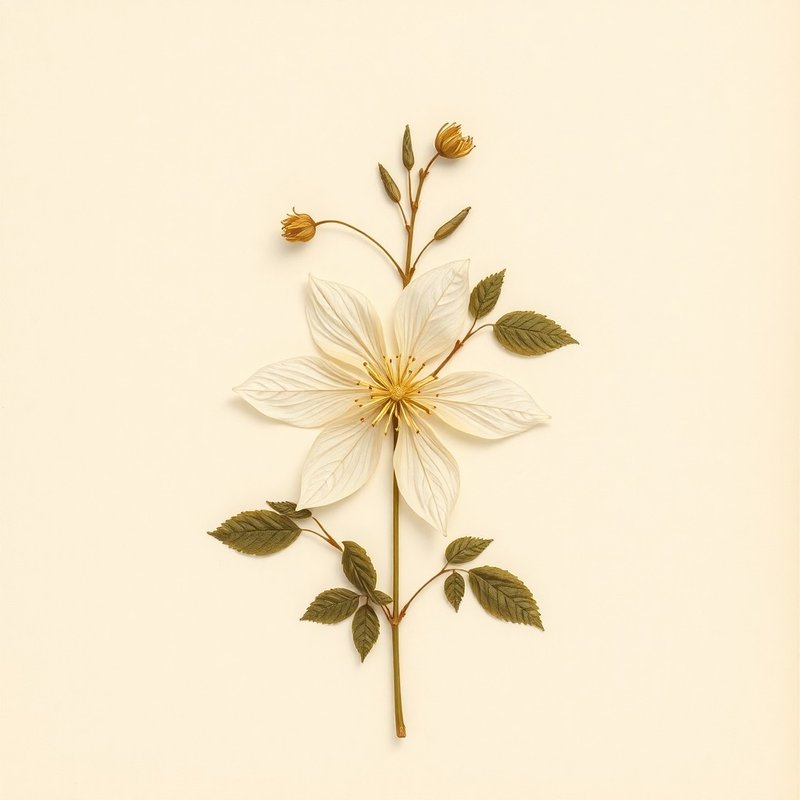
1 image
Specimen gallery
1 imageXSee also
8 related
See also
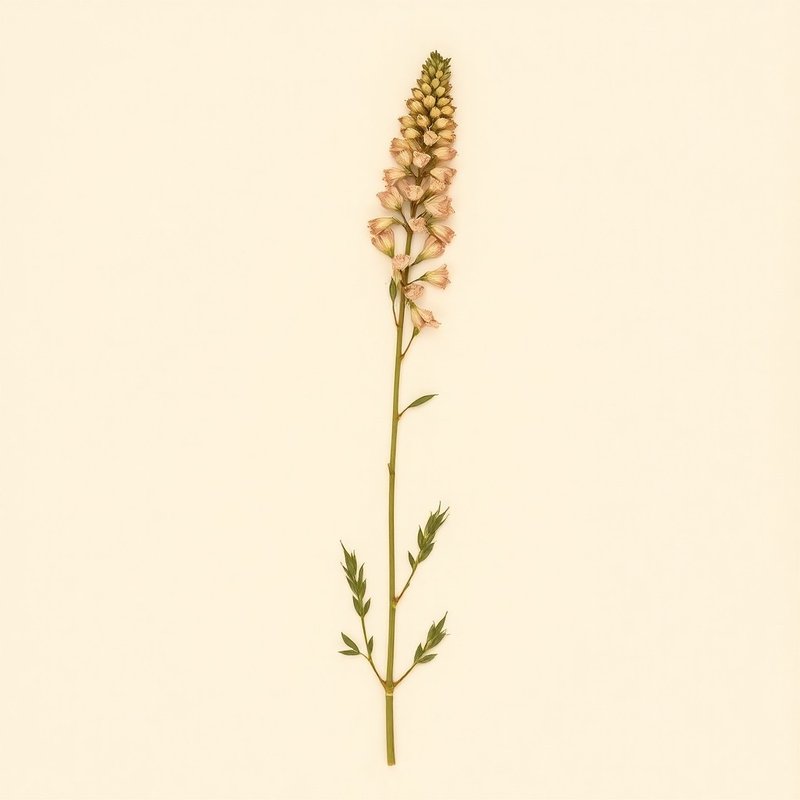
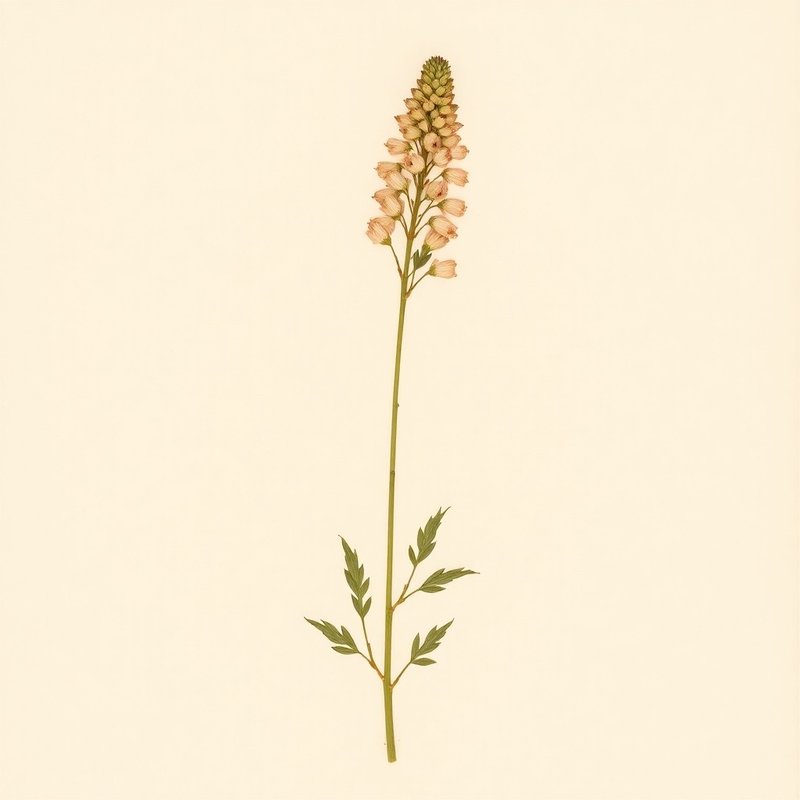
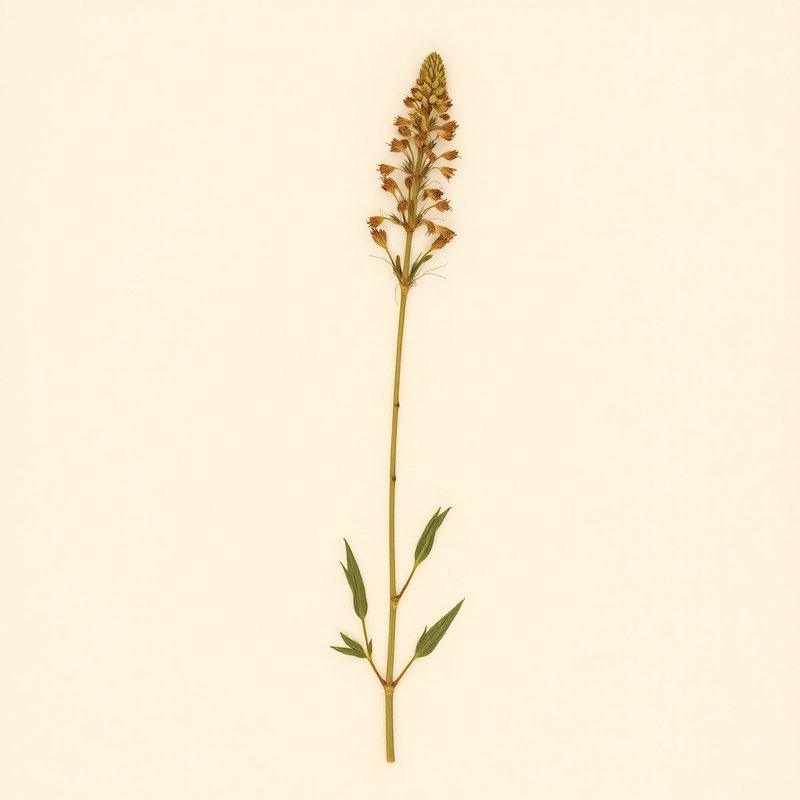
8 relatedPlants you might compare or use together — scored by shared family (Ranunculaceae), common use cases, and growing requirements.


Explore further
About this entry
- Last updated
- Citation
- How to cite this entry · Submit a correction
Continue reading
Get archive updates
Occasional email when substantial new content lands — plant profiles, seasonal growing notes, folk-remedy additions. Free, no tracking, unsubscribe anytime.