
Mao Gen
IOverview
Overview
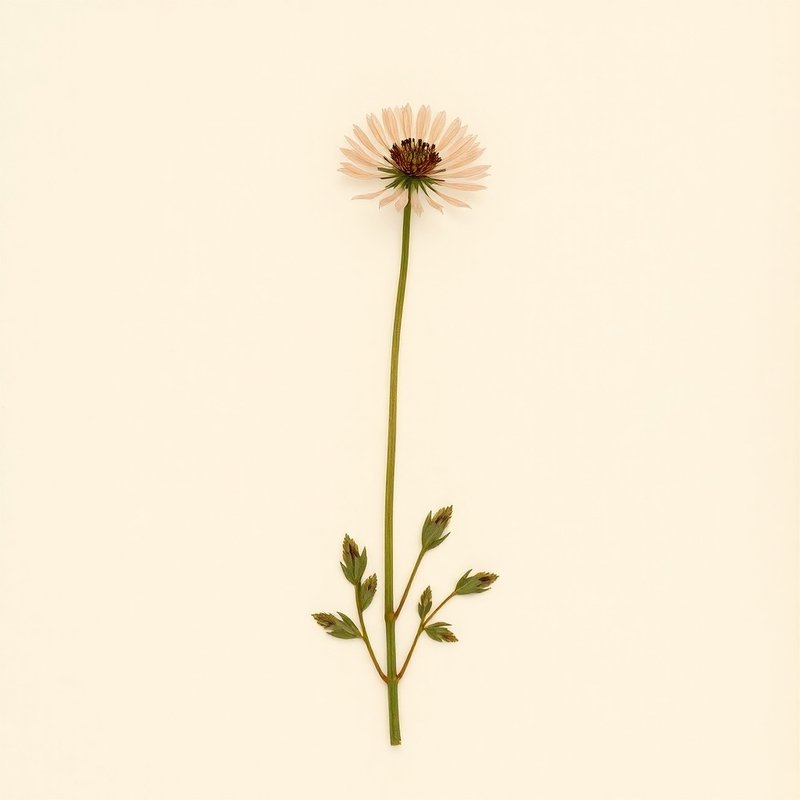
Mao Gen, scientifically known as Ranunculus japonicus and belonging to the Ranunculaceae family, is a perennial plant native to regions including Amur, Buryatiya, China North-Central, China South-Central, and China Southeast. This plant thrives in moist conditions with light or partial sun exposure and can be found growing in various soil types such as light (sandy), medium, and heavy (clay). Known for its edible leaves, Mao Gen is often prepared in salads for its mild flavor or steamed as a side dish. However, it is important to avoid deep-frying the leaves to prevent potential toxicity from the plant's toxic compounds. In addition to its culinary uses, Mao Gen is recognized for its medicinal properties, making it a valuable resource in traditional medicine. Its distinctive feature lies in its ability to grow up to 0.1 meters tall, contributing to its ornamental appeal while also serving practical purposes in both culinary and therapeutic applications. While hardy in temperate regions, Mao Gen thrives in full to partial sun and prefers moist soil. It can be propagated through division of the roots, and maintaining consistent moisture is key for optimal growth.
What is Mao Gen?
Mao Gen, scientifically known as Ranunculus japonicus and belonging to the Ranunculaceae family, is a perennial plant native to regions including Amur, Buryatiya, China North-Central, China South-Central, and China Southeast.
IV·bMixology suggestions
2 drafts
Mixology suggestions
2 draftsVCultivation
Cultivation
How to grow Mao Gen for the first time
Start with basic care for Mao Gen, focusing on simple soil preparation and light watering.
- 1
What you'll need
A small container or garden bed, quality potting mix if planting in a container.
- 2
Best time to plant
Plant in early spring when the ground is moist but not waterlogged.
- 3
Soil and container prep
Use well-draining soil with a pH between 6.0 and 7.5, ensuring it's light (sandy), medium, or heavy clay.
- 4
Sowing or transplanting
Transplant young plants from nursery pots into your prepared container or garden bed.
- 5
First two weeks
Water sparingly to avoid waterlogging but ensure the soil stays moist. Keep in a partially shaded area.
- 6
Ongoing care
Provide full sun to partial shade, keep the soil consistently moist, and mulch around the base for moisture retention.
- 7
Harvest or pruning
Prune dead leaves and stems after flowering to maintain plant health and appearance.
VIEdible & utility
Edible & utility
VIIDistribution
20 native · 0 introduced
Distribution
20 native · 0 introducedIXSpecimen gallery
1 image
Specimen gallery
1 imageXSee also
8 related
See also
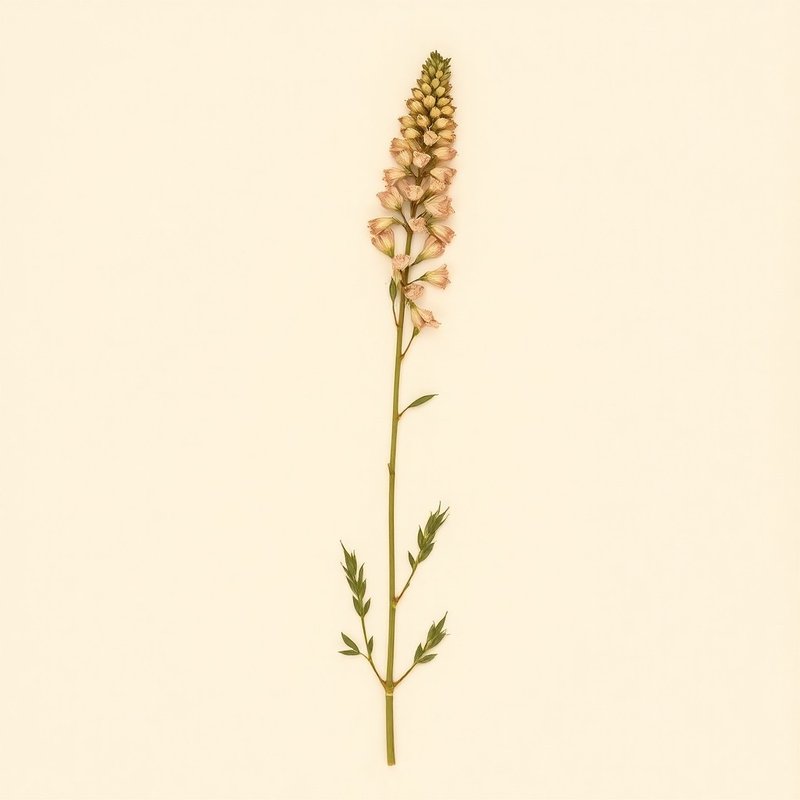
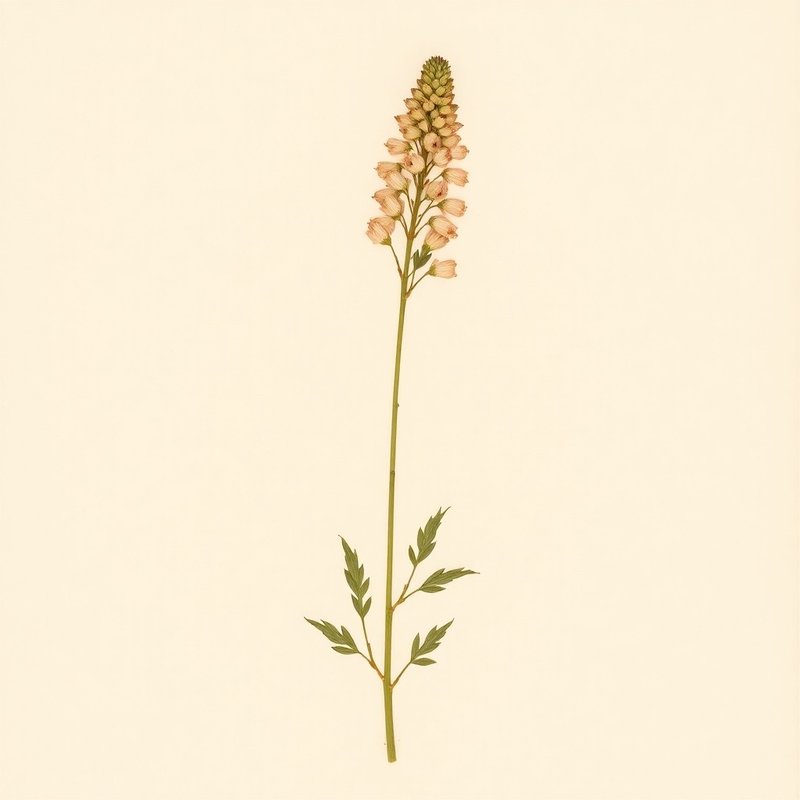
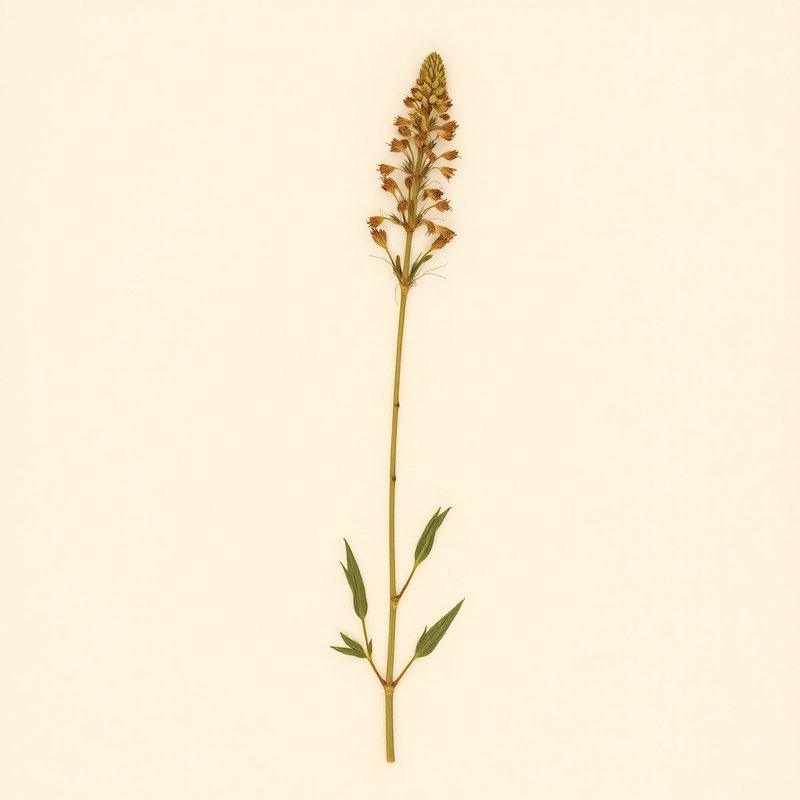
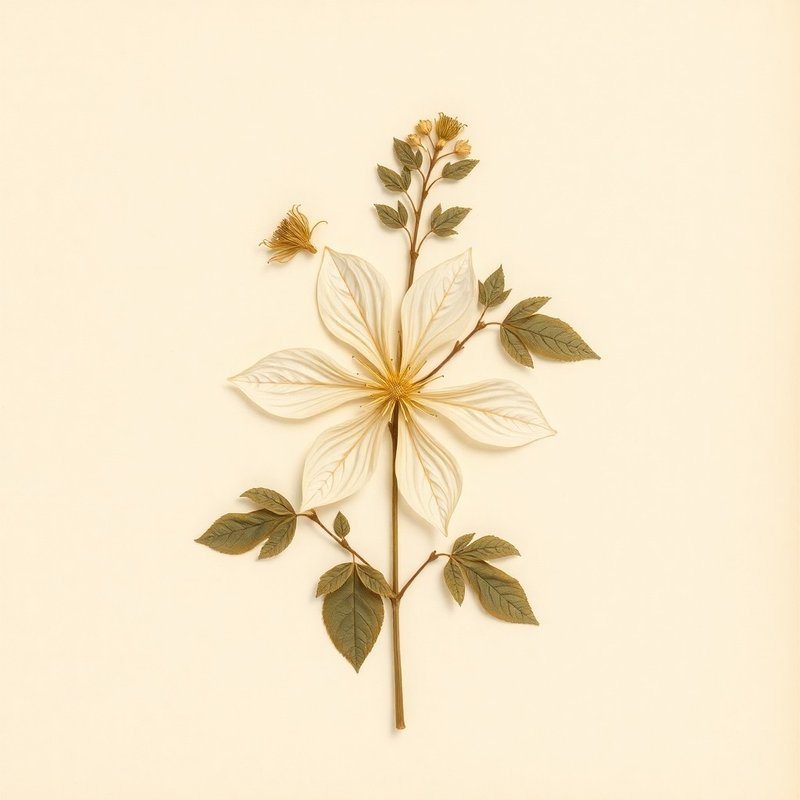
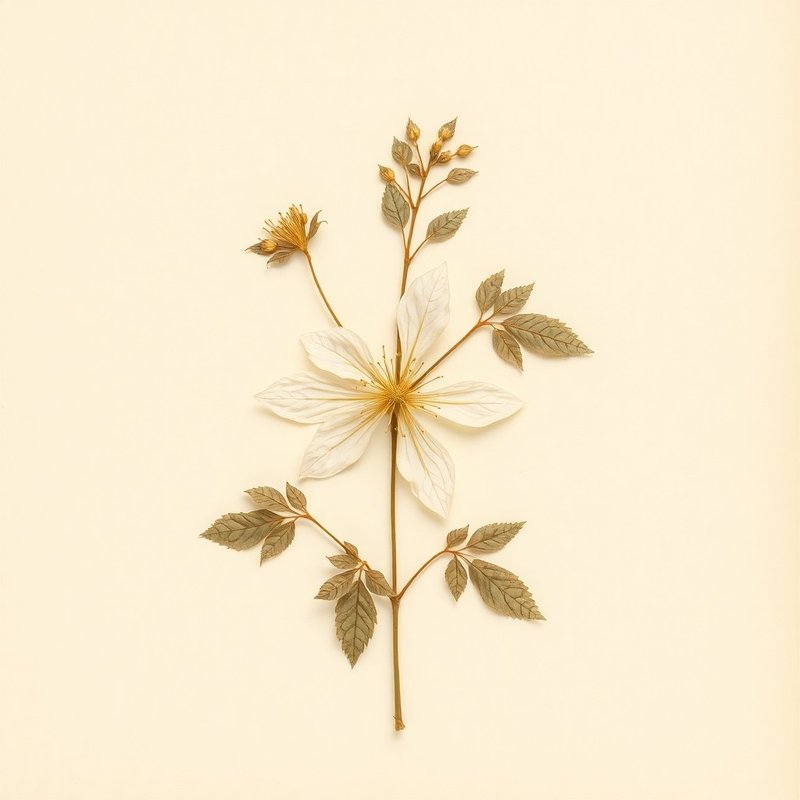
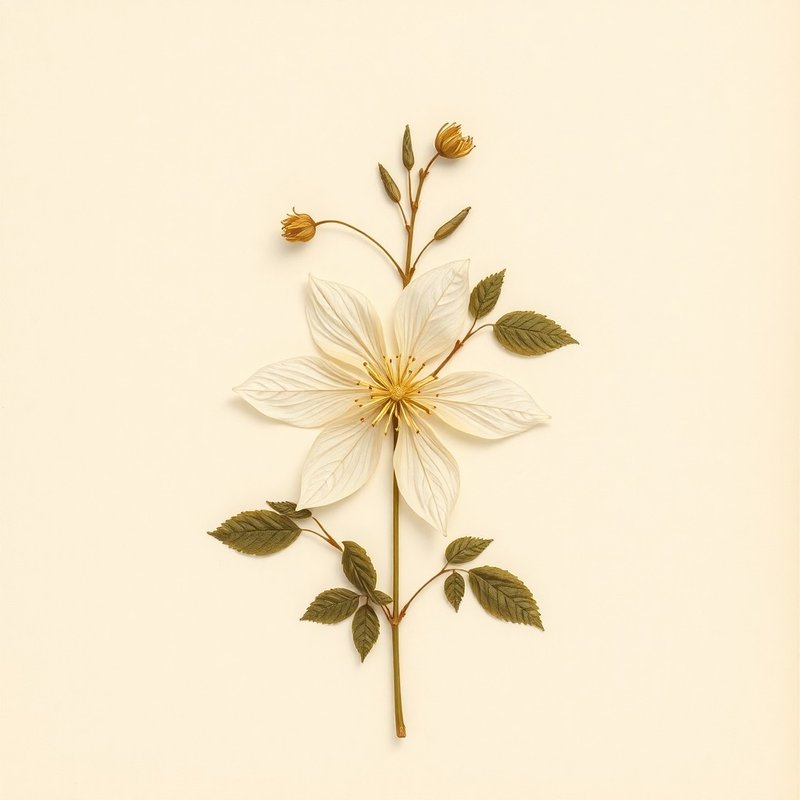
8 relatedPlants you might compare or use together — scored by shared family (Ranunculaceae), common use cases, and growing requirements.


Explore further
About this entry
- Last updated
- Citation
- How to cite this entry · Submit a correction
Continue reading
Get archive updates
Occasional email when substantial new content lands — plant profiles, seasonal growing notes, folk-remedy additions. Free, no tracking, unsubscribe anytime.