
Japanese Buttercup
IOverview
Overview
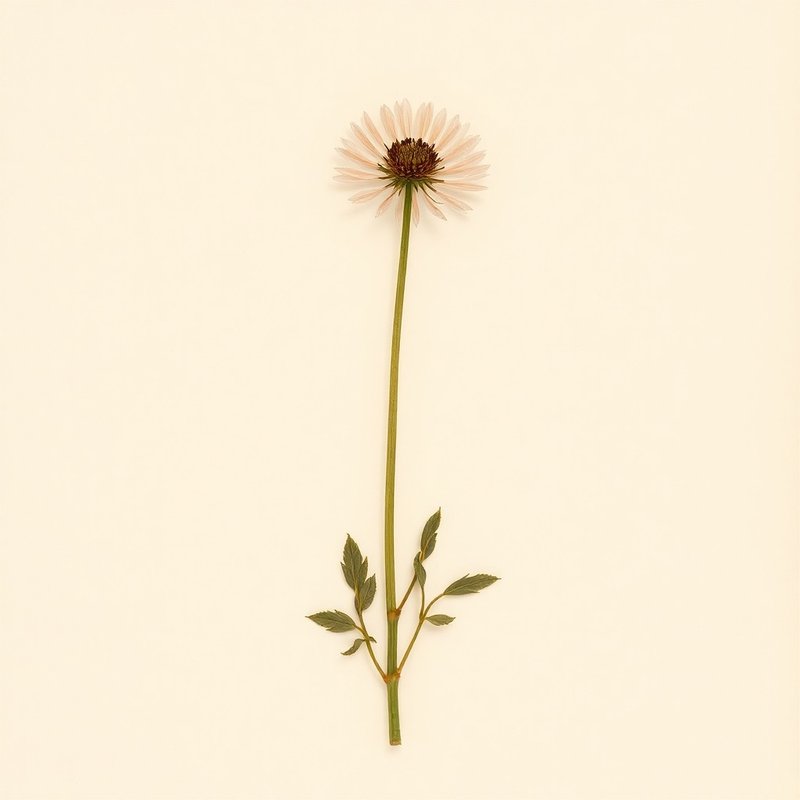
Japanese Buttercup, scientifically known as Ranunculus nipponicus and belonging to the family Ranunculaceae, is a perennial plant native to regions such as Amur, Japan, Kamchatka, Khabarovsk, Kuril Islands, Magadan, Primorye, and Sakhalin. This plant thrives in wet environments with light to partial sun exposure, growing well in various soil types including sandy, medium, and clay soils. It is both edible and medicinal; its leaves are often used for consumption. Additionally, Japanese Buttercup has been utilized in traditional medicine due to its documented therapeutic properties. One distinctive feature of this plant is its ability to adapt to diverse habitats across its native range, making it a resilient species in the wild.
What is Japanese Buttercup?
Japanese Buttercup, scientifically known as Ranunculus nipponicus and belonging to the family Ranunculaceae, is a perennial plant native to regions such as Amur, Japan, Kamchatka, Khabarovsk, Kuril Islands, Magadan, Primorye, and Sakhalin.
IV·bMixology suggestions
1 draft
Mixology suggestions
1 draftVCultivation
Cultivation
How to grow Japanese Buttercup for the first time
Japanese Buttercup is a low-maintenance perennial that thrives in partial sun and moist soil, making it perfect for beginners.
- 1
What you'll need
Seeds or small plants, garden gloves.
- 2
Best time to plant
Plant in spring after the last frost or fall before the first freeze.
- 3
Soil and container prep
Choose a location with light to partial shade. Ensure soil is moist, well-draining but not too heavy.
- 4
Sowing or transplanting
Direct sow seeds in the garden or start them indoors 4-6 weeks before planting outdoors. Transplant small plants carefully.
- 5
First two weeks
Water regularly to keep soil moist but not waterlogged. Monitor for pests and diseases.
- 6
Ongoing care
Provide consistent moisture, especially during dry spells. Deadhead spent flowers to encourage more blooms.
- 7
Harvest or pruning
Prune dead leaves and stems in late winter or early spring to maintain plant health and appearance.
- 8
Common mistakes
Overwatering, planting in full sun, neglecting to prune old growth.
VIEdible & utility
Edible & utility
VIIDistribution
8 native · 0 introduced
Distribution
8 native · 0 introducedIXSpecimen gallery
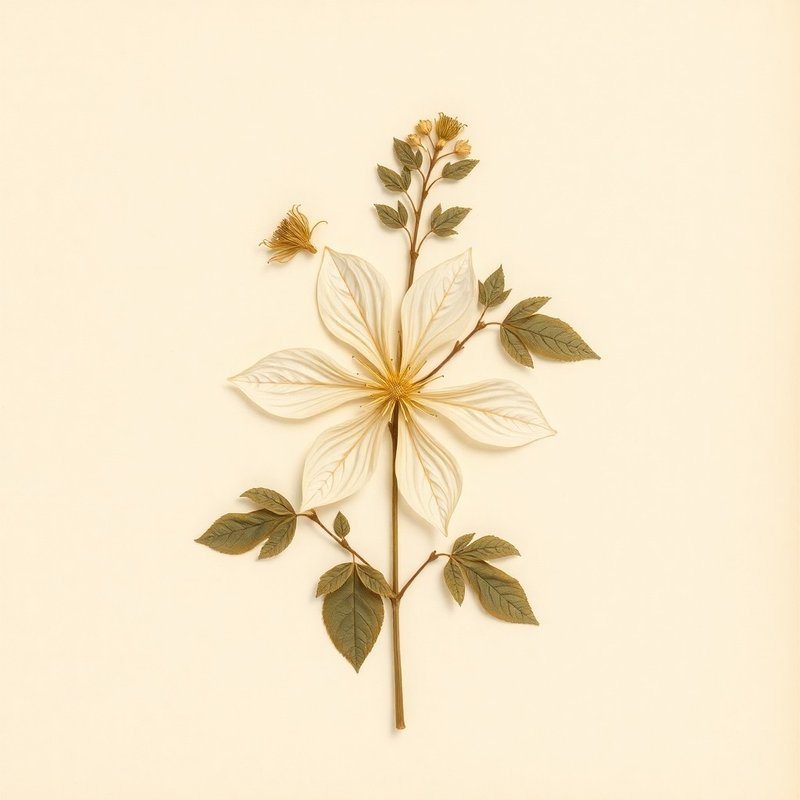
1 image
Specimen gallery
1 imageXSee also
8 related
See also
8 relatedPlants you might compare or use together — scored by shared family (Ranunculaceae), common use cases, and growing requirements.


Explore further
About this entry
- Last updated
- Citation
- How to cite this entry · Submit a correction
Continue reading
Get archive updates
Occasional email when substantial new content lands — plant profiles, seasonal growing notes, folk-remedy additions. Free, no tracking, unsubscribe anytime.