
Sea Radish
Raphanus maritima
Educational content — not medical, botanical, or professional advice. Always consult a qualified clinician before using any herbal preparation — especially during pregnancy, breastfeeding, while on medication, or for children. How we source & review →
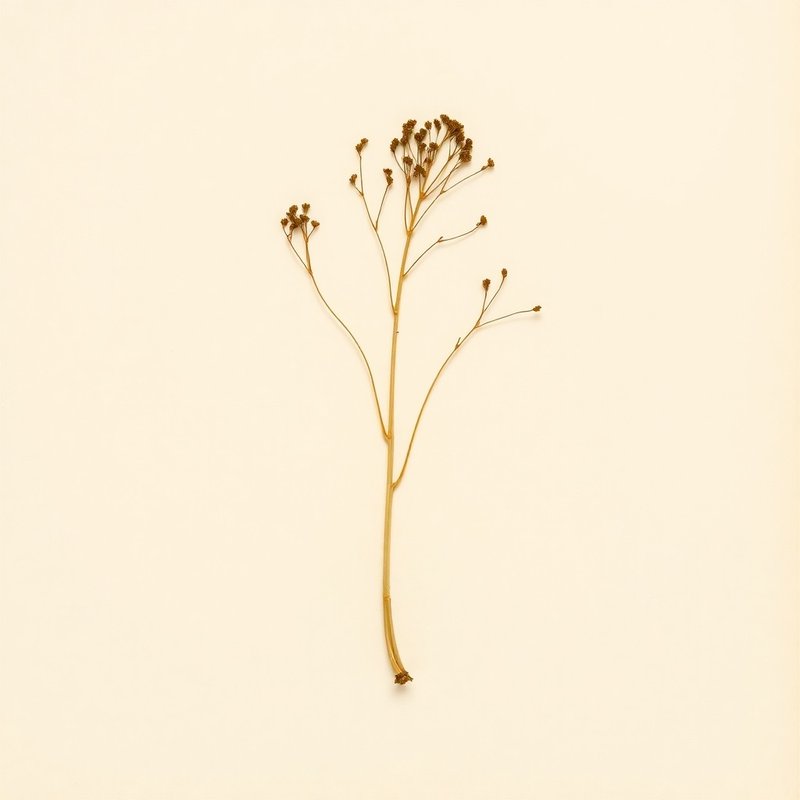
Pl. 28F4 — Raphanus maritima
Raphanus maritimaRaphanus maritimaRaphanus maritimaRaphanus maritimaRaphanus maritimaRaphanus maritimaRaphanus maritimaRaphanus maritimaRaphanus maritimaRaphanus maritimaRaphanus maritimaRaphanus maritimaRaphanus maritimaRaphanus maritima
IOverview
Overview
Sea Radish (Raphanus maritima) is a biennial plant native to coastal regions in France, Great Britain, and Spain. It thrives in moist, light to heavy soils with a pH of 7–7.5, making it adaptable but preferring well-drained conditions. Known for its edible and medicinal properties, this plant can be enjoyed for its leaves, flowers, roots, and seedpods. One distinctive feature is its ability to grow up to 0.8 meters in height; another notable characteristic is the light texture of its foliage, which gives it a delicate appearance despite its robust nature. Sea Radish can be propagated by sowing seeds indoors before transplanting outside.
Quick answers
What is Sea Radish?
Sea Radish (Raphanus maritima) is a biennial plant native to coastal regions in France, Great Britain, and Spain. It thrives in moist, light to heavy soils with a pH of 7–7.5, making it adaptable but preferring well-drained conditions.
What is Sea Radish used for?
Traditionally used for immune support, digestion. Each claim is evidence-rated — see Section II for full citations.
Best for
Top 2 evidence-ranked uses of Sea Radish
Clinicaluses · safety · chemistry · dosagemedicinal profile
IIBenefits & evidence
2 claims · 0 sources
Benefits & evidence
2 claims · 0 sources- Sea Radish is traditionally used in herbal medicine to support the immune system, similar to its genus Raphanus. Its anti-inflammatory and antioxidant properties may help maintain overall health.
The mechanism involves compounds such as vitamin C and other antioxidants that can enhance immune function by reducing oxidative stress and inflammation.
- Sea Radish, like its close relative Raphanus sativus (common radish), has been traditionally used in European herbalism to support digestive health. Its pungent and spicy nature may help stimulate appetite and aid digestion.
The mechanism is not fully characterised but likely involves compounds such as glucosinolates, which can influence gut motility and enhance gastric secretions.
IV·bMixology suggestions
1 draft
Mixology suggestions
1 draftEditorial drafts. These pairings are AI-suggested from traditional herbal lore. Always verify with a qualified herbalist before brewing.
Sea Radish support blend
generaltea
AI returned a direct ingredient list; normalized into one draft blend for editorial review.
Growingconditions · propagation · uses
VCultivation
Cultivation
Sea Radish thrives in light to medium soil types, with a preference for sandy or clay soils that are well-draining and have a neutral pH of 7-7.5. It requires moist conditions but can tolerate drier periods once established. Sow seeds indoors and transplant them outside when the weather is warm. The plant prefers full sun to partial shade and grows up to 0.8 meters tall. Hardy in temperate regions, it is best suited for areas with mild winters and cool summers. Harvest its edible parts—flowers, leaves, root, and seedpods—as they mature throughout the growing season.
Light
8/10
Water
Moist
Soil
Light (sandy), Medium, Heavy (clay)
Life cycle
Biennial
Habit
Forb/herb
Mature size
0.8 m tall
Soil pH
7–7.5
- Propagation
- "Sow seeds indoors and transplant outside
For first-time growers
How to grow Sea Radish for the first time
8steps
Start with Sea Radish as a simple, rewarding project for beginners.
- 1
What you'll need
Seeds, small pots or trays, soil, and a garden spot that gets full sun.
- 2
Best time to plant
Start seeds indoors about 6 weeks before the last frost date in your area.
- 3
Soil and container prep
Use well-draining soil with a pH between 7 and 7.5, ensuring containers are at least 10 inches deep.
- 4
Sowing or transplanting
Plant seeds about 1/2 inch deep in small pots, keeping them moist until they sprout. Transplant seedlings outdoors after the danger of frost has passed.
- 5
First two weeks
Keep soil consistently moist and provide partial shade if temperatures are high.
- 6
Ongoing care
Water regularly to keep the soil moist but not soggy. Thin plants as they grow, leaving about 10 inches between each plant.
- 7
Harvest or pruning
Prune or harvest leaves and roots when young for best flavor; flowers can be picked too.
- 8
Common mistakes
Overwatering, planting in heavy soil, and not providing enough light are common issues to avoid.
VIEdible & utility
Edible & utility
Edible parts:FlowersLeavesRootSeedpod
Edible uses: Sea Radish is edible with all its parts—flowers, leaves, root, and seedpods—typically harvested for their mild flavor. The roots can be eaten raw or cooked, while the greens are often used fresh in salads or as a cooked vegetable. Seedpods are sometimes enjoyed fresh or dried. Skip the complex preparation methods; simple cooking techniques work best to enhance its natural taste.
Contextrange · companions · related
VIIDistribution
3 native · 27 introduced
Distribution
3 native · 27 introducedDistribution across4 continents· 3 native· 27 introduced
Europe9 regions
native (3)FranceSpainUnited Kingdom
introduced (6)BelarusBelgiumBulgariaPortugalRussiaSpain
Asia3 regions
introduced (3)BangladeshChinaIndia
Americas3 regions
introduced (3)Costa RicaEcuadorEl Salvador
Africa1 region
introduced (1)Ethiopia
Broader regions
introduced:California, Baltic States, Caroline Is., Chatham Is., Chile South, Connecticut, Crozet Is., Czechoslovakia, East Himalaya, Easter Is., Falkland Is., Antipodean Is.
IXSpecimen gallery
1 image
Specimen gallery
1 imageXSee also
8 related
See also
8 relatedPlants you might compare or use together — scored by shared family, common use cases, and growing requirements.
shared use cases
Different families, similar therapeutic role — good for comparing.

XI
Explore further
Companion planting
Health goals
Compare with similar plants
XII
About this entry
- Last updated
- Citation
- How to cite this entry · Submit a correction
Back to the cataloguePlant id · 28f4c876-3de4-4030-af9c-d566f21d6483
Decision aid
Choosing between Sea Radish and something else?
Continue reading
❦❦❦❦
Endpaper · archive updates
Get archive updates
Occasional email when substantial new content lands — plant profiles, seasonal growing notes, folk-remedy additions. Free, no tracking, unsubscribe anytime.