
Rose Root
Rhodiola rosea
Educational content — not medical, botanical, or professional advice. Always consult a qualified clinician before using any herbal preparation — especially during pregnancy, breastfeeding, while on medication, or for children. How we source & review →
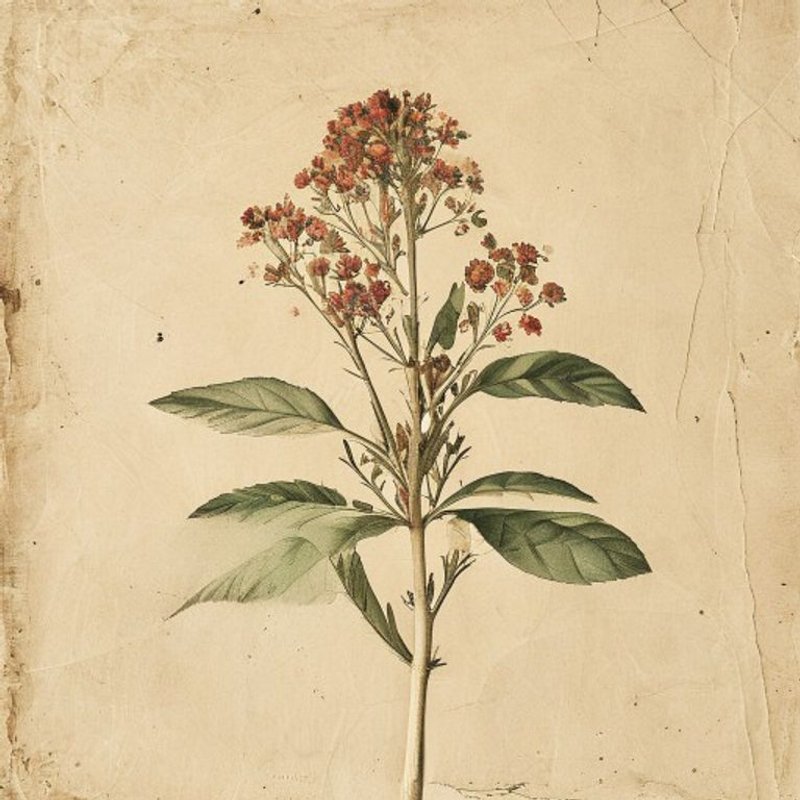
Pl. AE84 — Rhodiola rosea
Rhodiola roseaRhodiola roseaRhodiola roseaRhodiola roseaRhodiola roseaRhodiola roseaRhodiola roseaRhodiola roseaRhodiola roseaRhodiola roseaRhodiola roseaRhodiola roseaRhodiola roseaRhodiola rosea
IOverview
Overview
Rose Root (Rhodiola rosea) is a perennial herb native to the cooler regions of Europe and Asia, including Alaska, Bulgaria, and various parts of Russia. Known for its adaptogenic properties, it has been traditionally used to support stress management, enhance mental performance, and boost mood during periods of fatigue. The plant thrives in diverse environments, from dry to moist conditions, and prefers light (sandy), medium, or heavy (clay) soils. Its distinctive features include the ability to grow up to 0.3 meters tall and its edible parts, which include leaves, roots, shoots, and stems. Rose Root is valued both for its culinary uses and as a medicinal herb, with documented traditional applications for stress-related fatigue, anxiety, and low mood associated with seasonal changes.
Quick answers
What is Rose Root?
Rose Root (Rhodiola rosea) is a perennial herb native to the cooler regions of Europe and Asia, including Alaska, Bulgaria, and various parts of Russia.
What is Rose Root used for?
Traditionally used for stress & anxiety, energy & focus, mood support. Each claim is evidence-rated — see Section II for full citations.
Best for
Top 3 evidence-ranked uses of Rose Root
Clinicaluses · safety · chemistry · dosagemedicinal profile
IIBenefits & evidence
3 claims · 0 sources
Benefits & evidence
3 claims · 0 sources- Traditional use: rhodiola for stress-related fatigue and anxiety, particularly during mental burnout.
Salidroside on HPA-axis
- Traditional use: rhodiola sustains mental performance under sleep deprivation and high workload.
Salidroside on adaptogenic
- Traditional use: rhodiola for low mood with fatigue, particularly seasonal patterns.
Salidroside — monoamine modulation
IV·bMixology suggestions
1 draft
Mixology suggestions
1 draftEditorial drafts. These pairings are AI-suggested from traditional herbal lore. Always verify with a qualified herbalist before brewing.
Mental Clarity
focustincture
Traditional use for sustained mental performance.
Growingconditions · propagation · uses
VCultivation
Cultivation
Rose Root thrives in full sun and can tolerate a variety of soil types, including light (sandy), medium, and heavy (clay). It prefers dry to moist conditions and is hardy in temperate regions. For cultivation, plant the root, leaves, shoots, or stems in well-drained soil. Water sparingly once established but ensure it gets enough moisture during dry spells. Rose Root grows up to 0.3 meters tall and can be propagated through its roots or aerial parts.
Light
Full sun
Water
Dry, Moist
Soil
Light (sandy), Medium, Heavy (clay)
Life cycle
Perennial
Habit
Forb/herb
Mature size
0.3 m tall
For first-time growers
How to grow Rose Root for the first time
7steps
Start with planting Rose Root in a sunny spot and follow these steps for success.
- 1
What you'll need
Rose Root seeds or root cuttings, potting mix suitable for herbs, containers if needed.
- 2
Best time to plant
Plant Rose Root in early spring or late fall when the soil is cool and moist.
- 3
Soil and container prep
Use a well-draining potting mix with a pH between 6.0 and 7.5, ensuring containers have drainage holes.
- 4
Sowing or transplanting
Direct sow seeds 1-2 cm deep in the soil or plant root cuttings about 3-4 cm apart and 2-3 cm deep.
- 5
First two weeks
Keep the soil consistently moist but not waterlogged, providing light shade if necessary to prevent drying out.
- 6
Ongoing care
Water when the top inch of soil feels dry, ensuring good drainage. Mulch around plants to retain moisture and suppress weeds.
- 7
Harvest or pruning
Prune dead leaves and stems in late winter before new growth begins to maintain plant health and appearance.
VIEdible & utility
Edible & utility
Edible parts:LeavesRootShootsStem
Edible uses: The rose root is used for its leaves, shoots, and roots, which can be eaten fresh or dried. Typically, the plant's parts are consumed raw or in teas. SKIP
Other uses:Essential OilGround coverFragrance
Contextrange · companions · related
VIIDistribution
30 native · 0 introduced
Distribution
30 native · 0 introducedDistribution across3 continents· 30 native
Europe11 regions
native (11)AlbaniaAustriaBulgariaFinlandFranceGermanyIcelandIrelandItalyRussiaUnited Kingdom
Asia3 regions
native (3)ChinaJapanSouth Korea
Americas2 regions
native (2)GreenlandUnited States
Broader regions
native:Altay, Amur, Buryatiya, Chita, Czechoslovakia, Føroyar, Irkutsk, Kamchatka, Khabarovsk, Krasnoyarsk, Kuril Is., Labrador, Magadan, Maine
IXSpecimen gallery
1 image
Specimen gallery
1 imageXSee also
8 related
See also
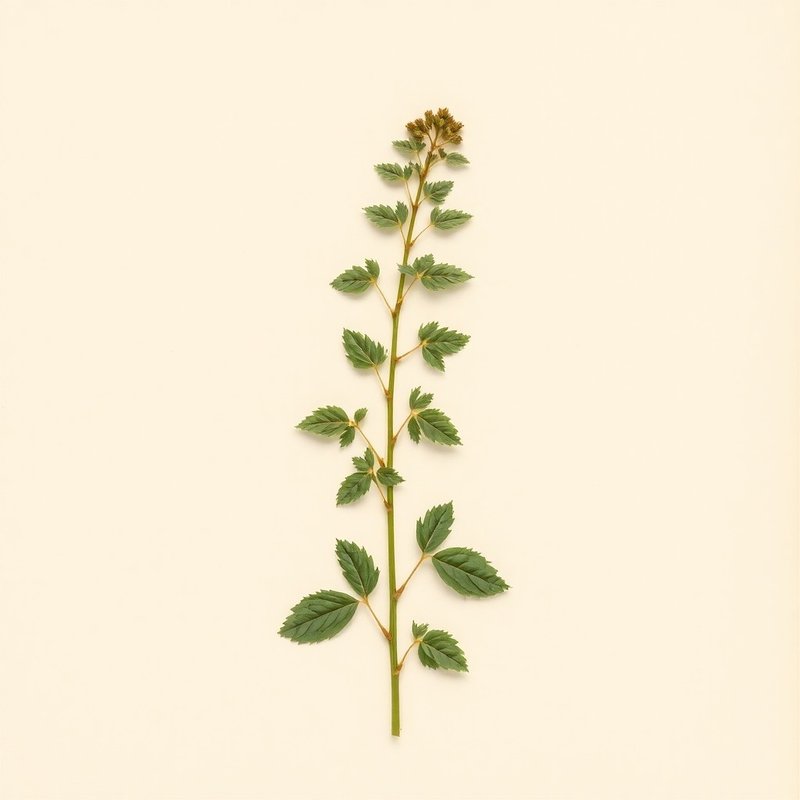
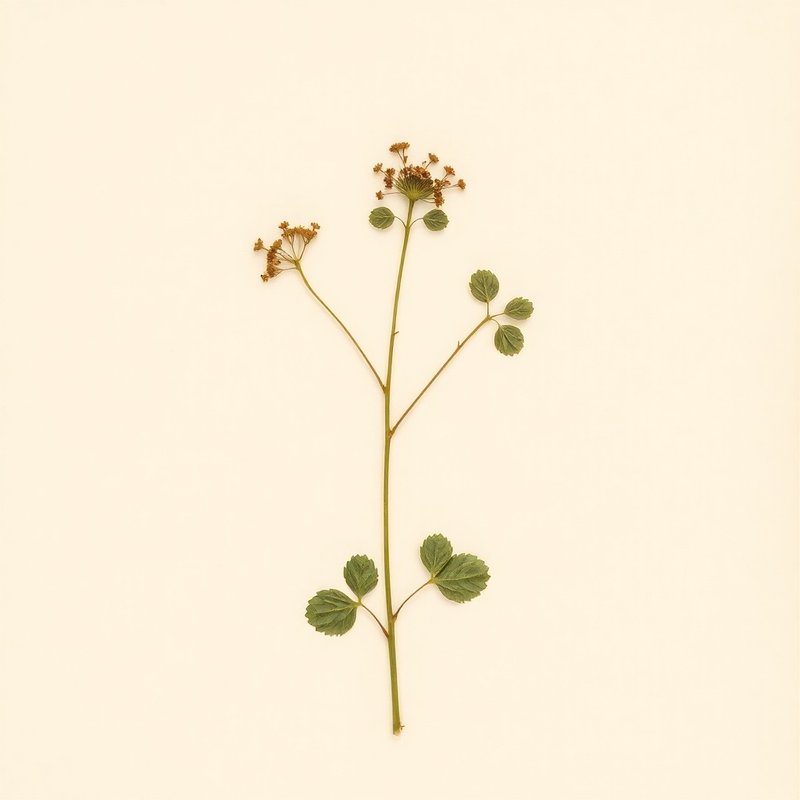
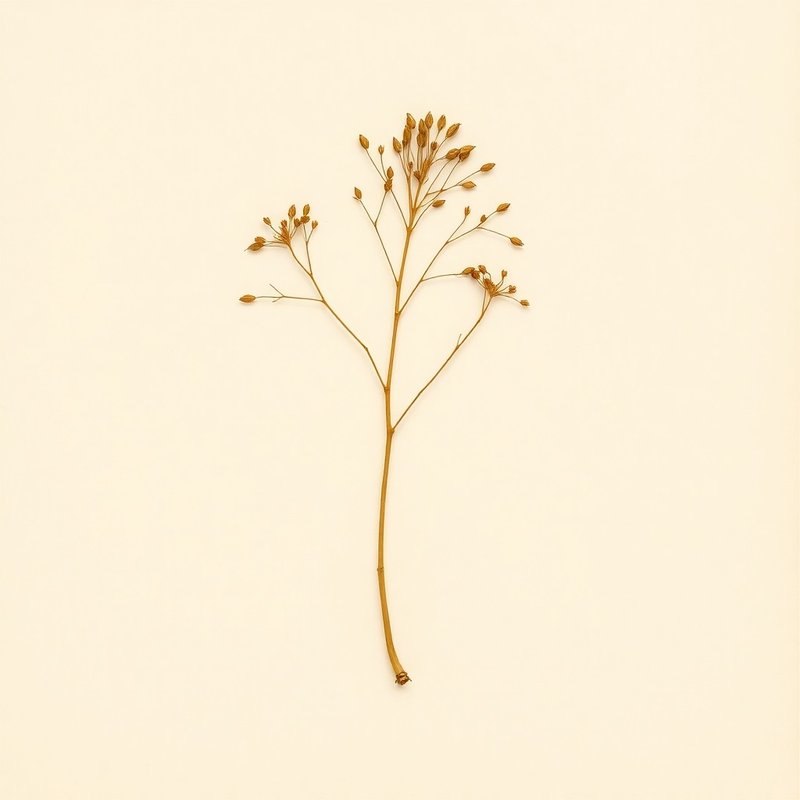
8 relatedPlants you might compare or use together — scored by shared family, common use cases, and growing requirements.
shared use cases
Different families, similar therapeutic role — good for comparing.

XI
Explore further
Companion planting
Health goals
Compare with similar plants
XII
About this entry
- Last updated
- Citation
- How to cite this entry · Submit a correction
Back to the cataloguePlant id · ae84d307-0e4a-40bc-b026-abc1a2765ed3
Decision aid
Choosing between Rose Root and something else?
Continue reading
❦❦❦❦
Endpaper · archive updates
Get archive updates
Occasional email when substantial new content lands — plant profiles, seasonal growing notes, folk-remedy additions. Free, no tracking, unsubscribe anytime.