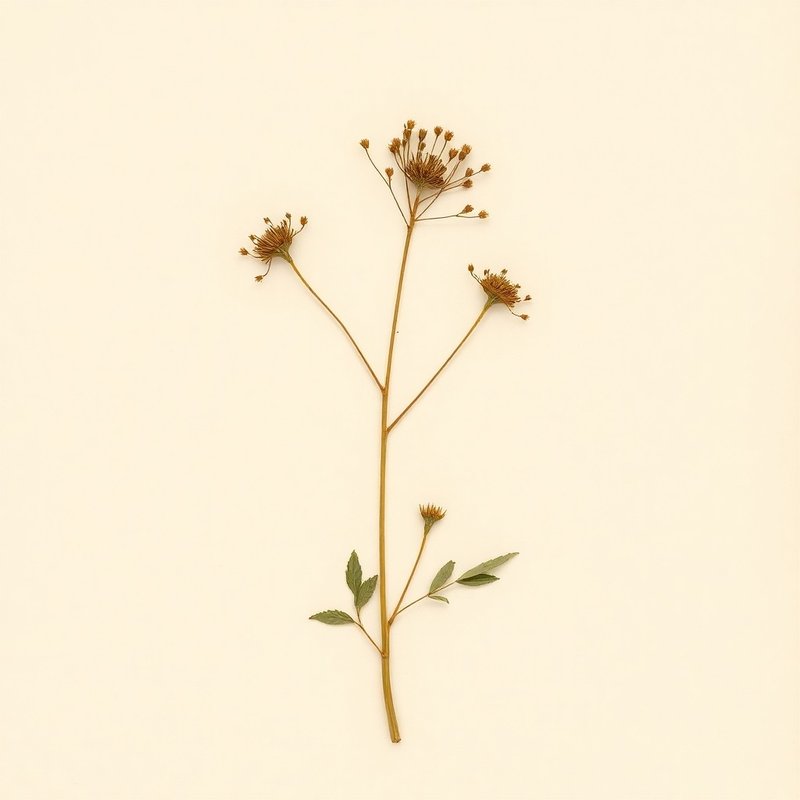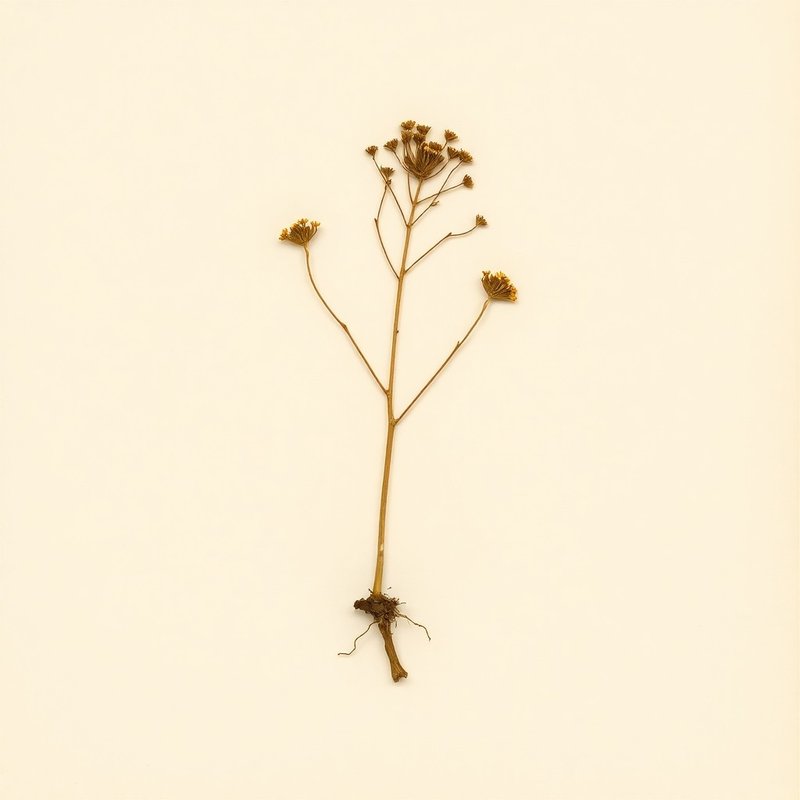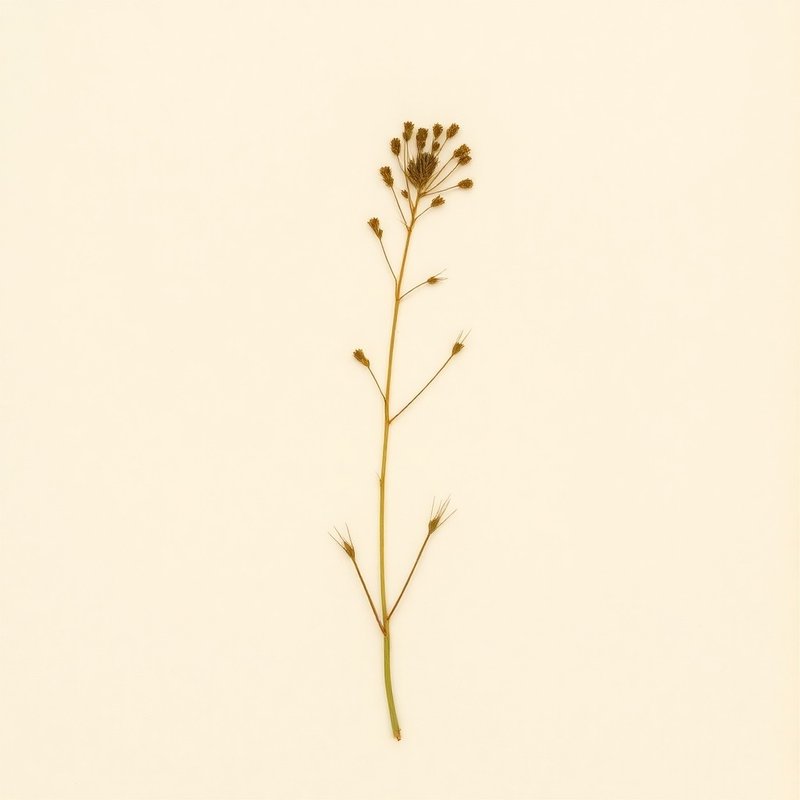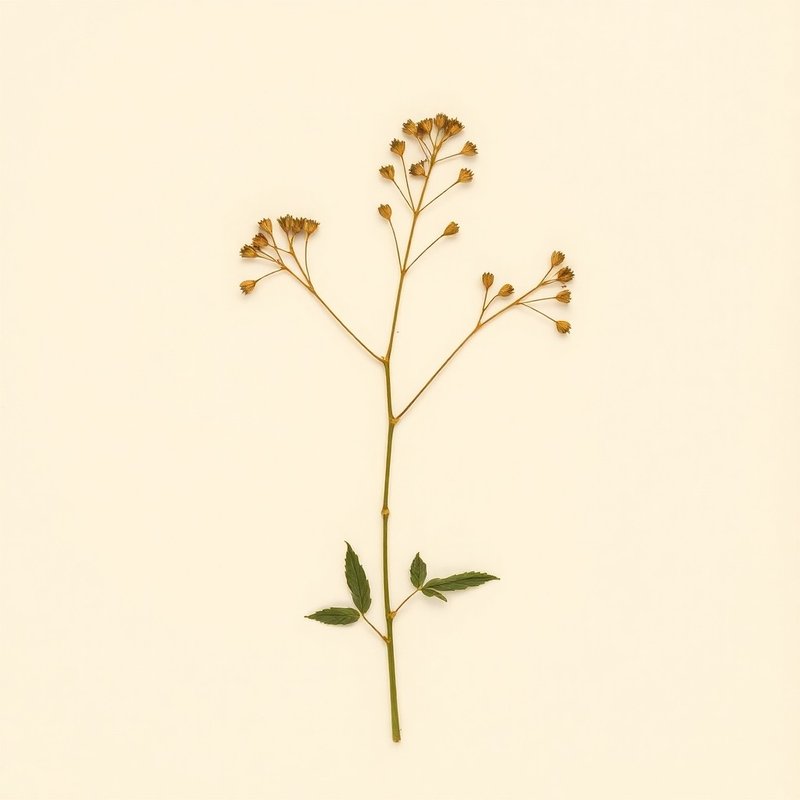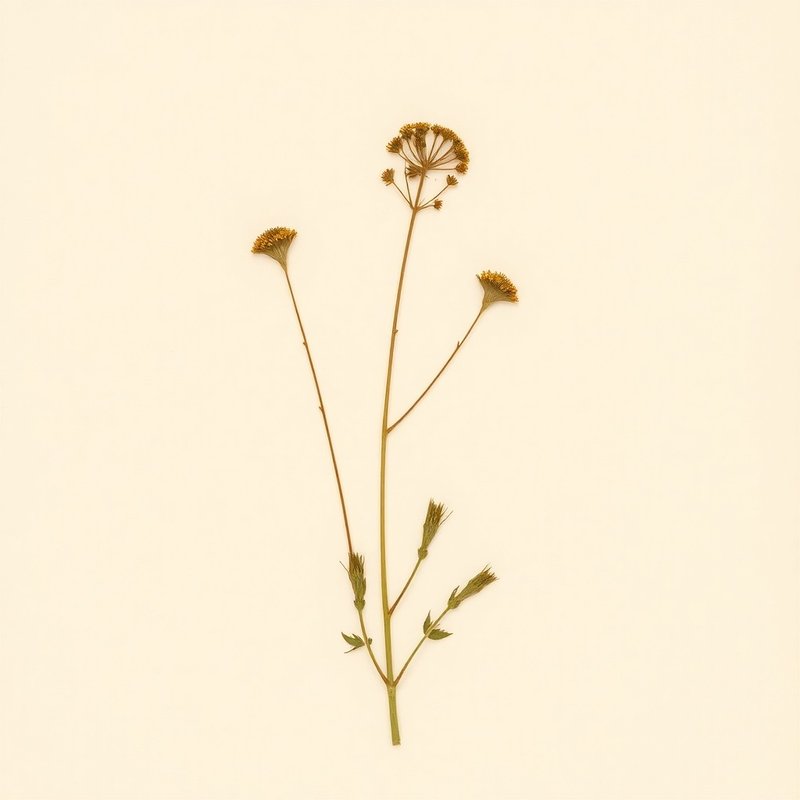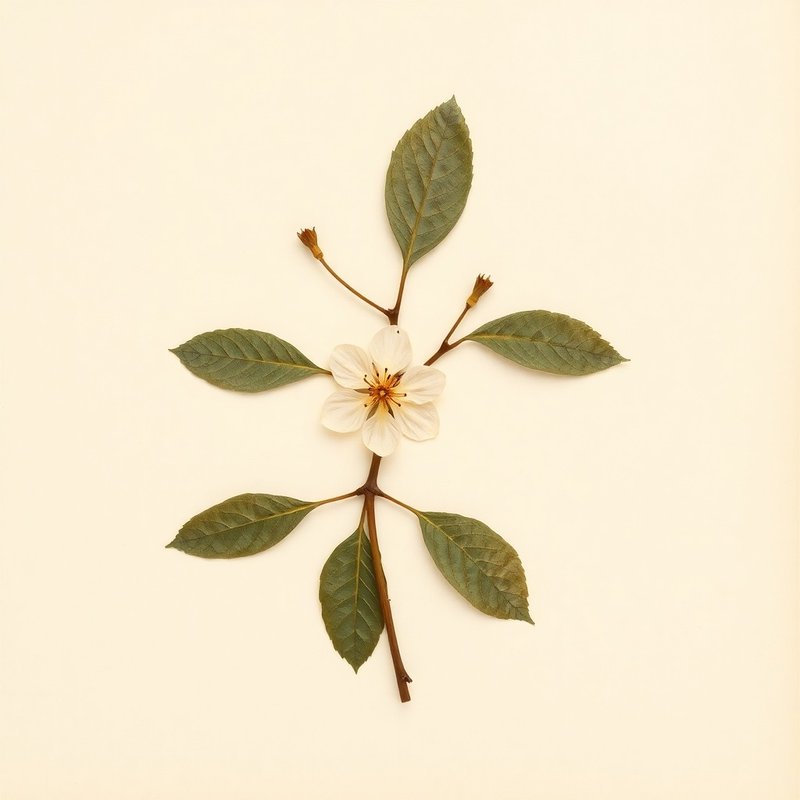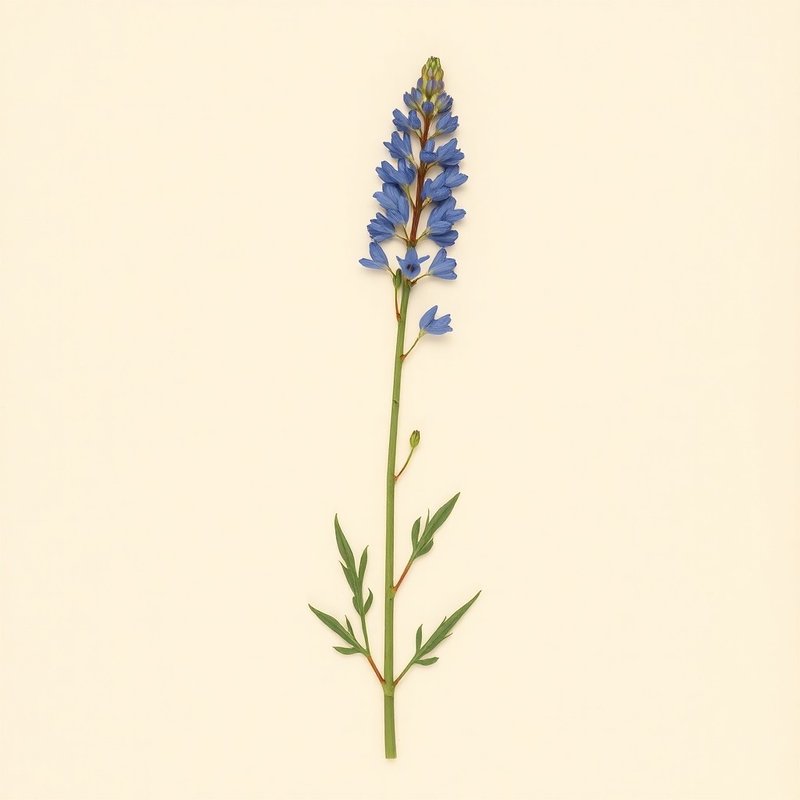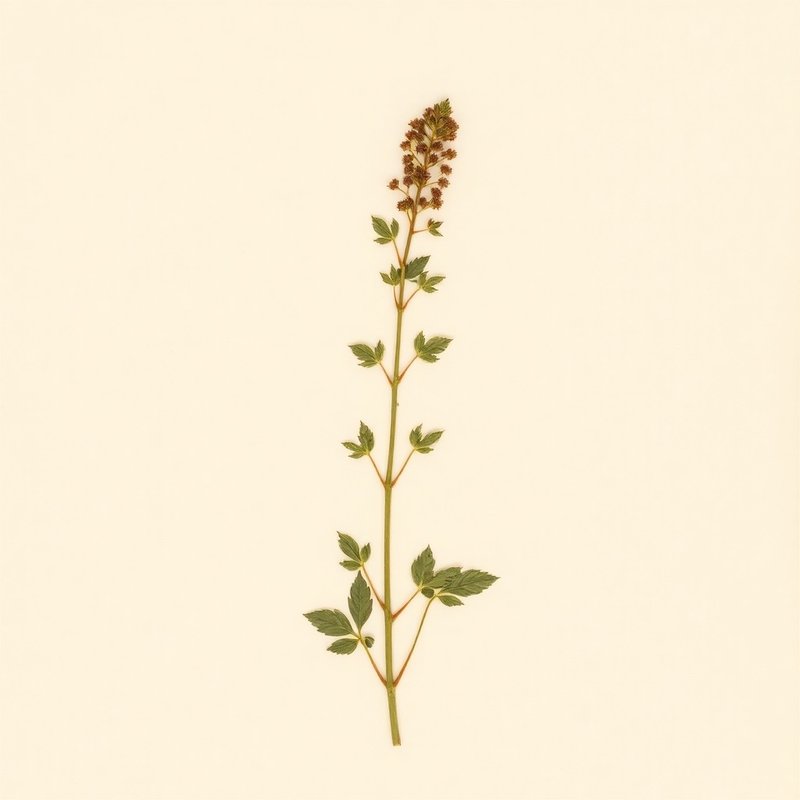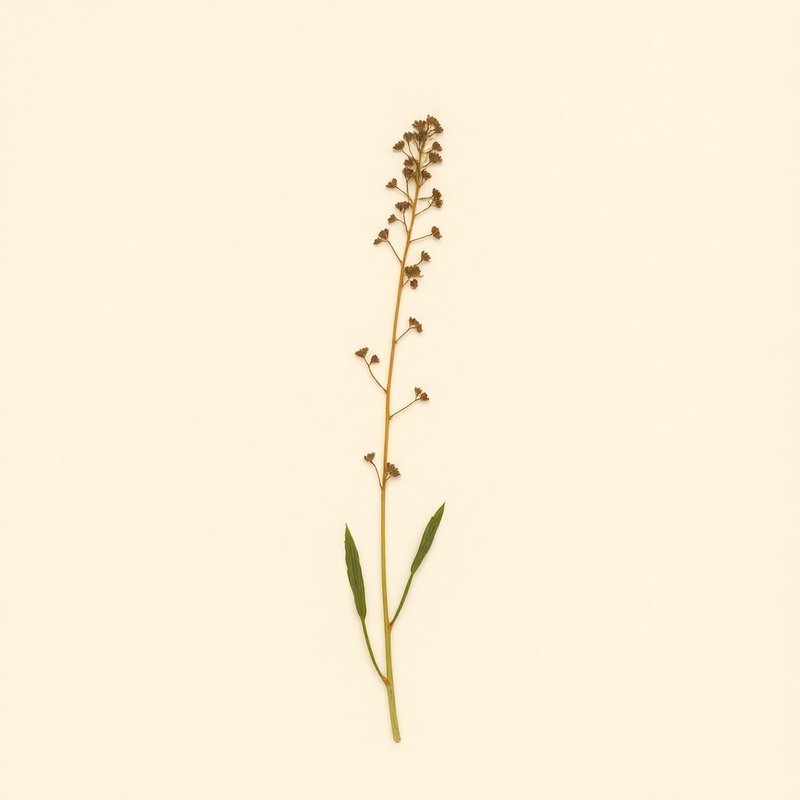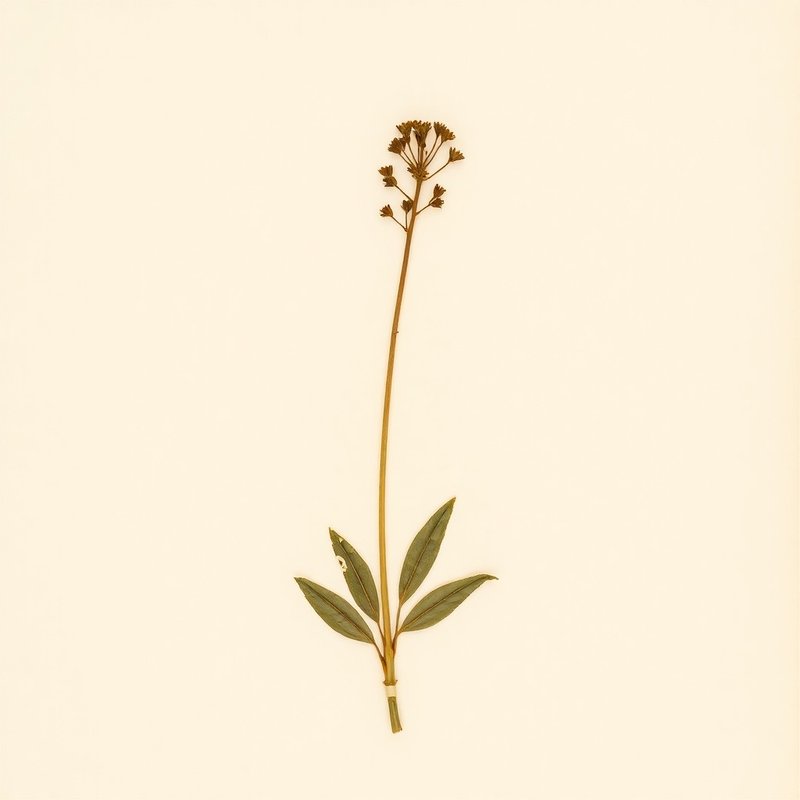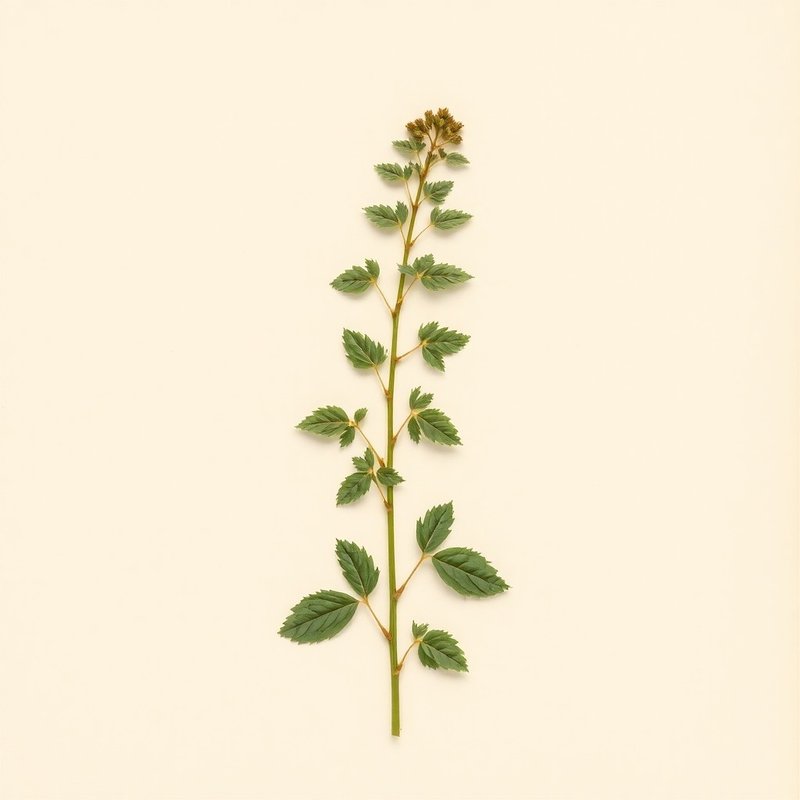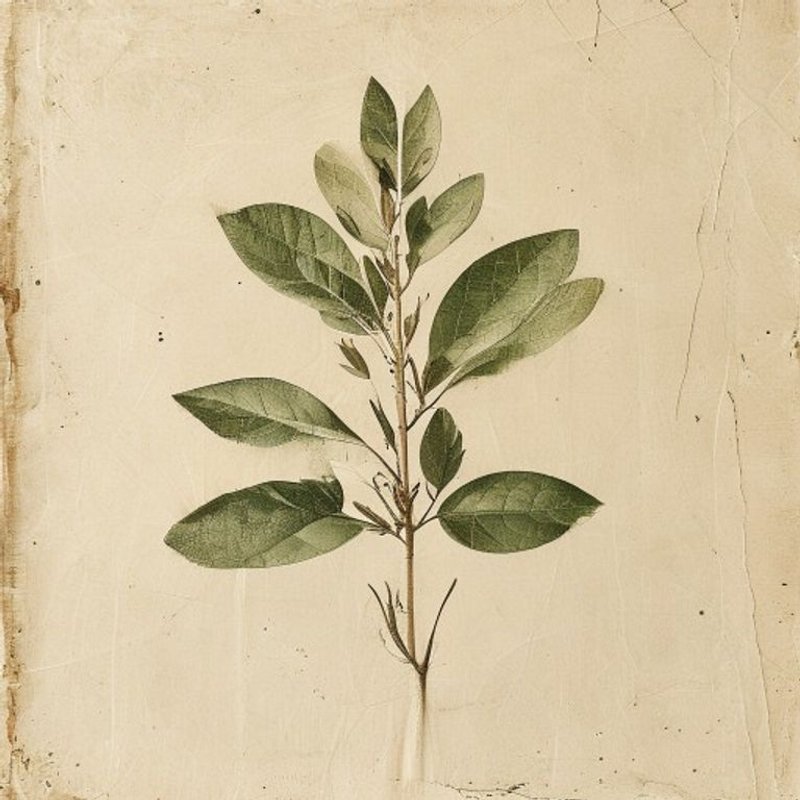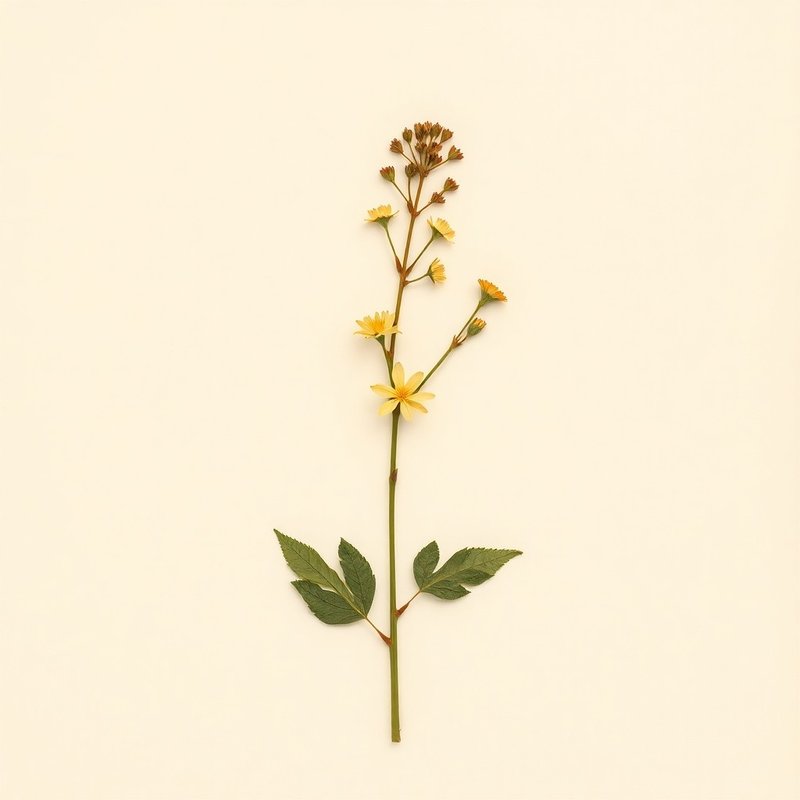
St John's wort is one of the better-evidenced choices for Mood support — 1 cited references including robust clinical evidence. Effect size d=0.80 (large). Hyperforin inhibits reuptake of 5-HT, NE, DA.
We catalogue 45 plants traditionally used or clinically studied for Mood support. Each entry shows its mechanism and evidence quality — pick by what works, not what trends.
Ranked by confidence × effect-size × evidence count. These are the plants we'd reach for first for Mood support. Click through for the full profile.
St John's wort is one of the better-evidenced choices for Mood support — 1 cited references including robust clinical evidence. Effect size d=0.80 (large). Hyperforin inhibits reuptake of 5-HT, NE, DA.
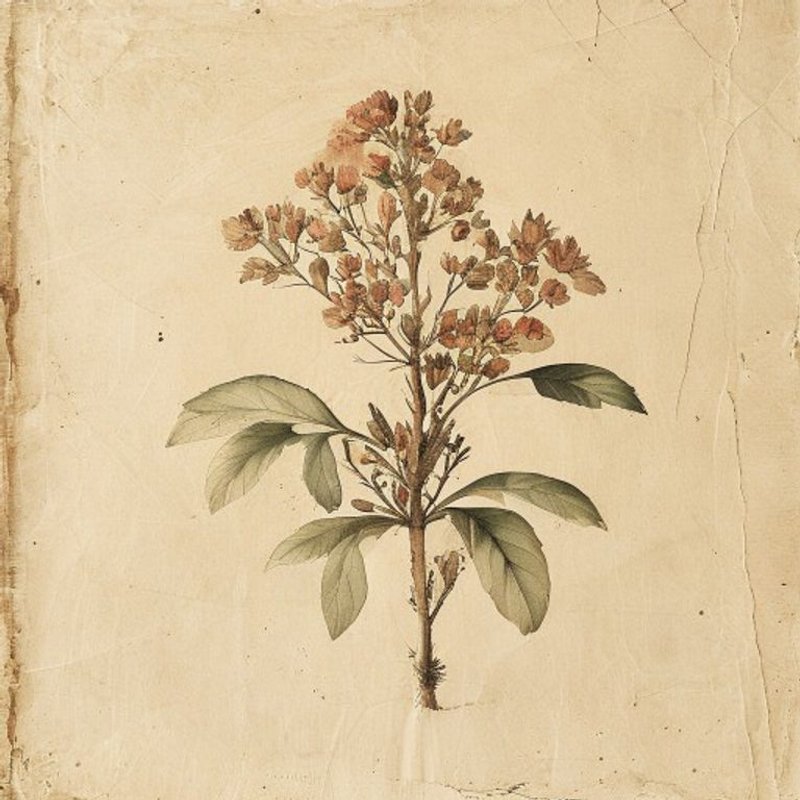
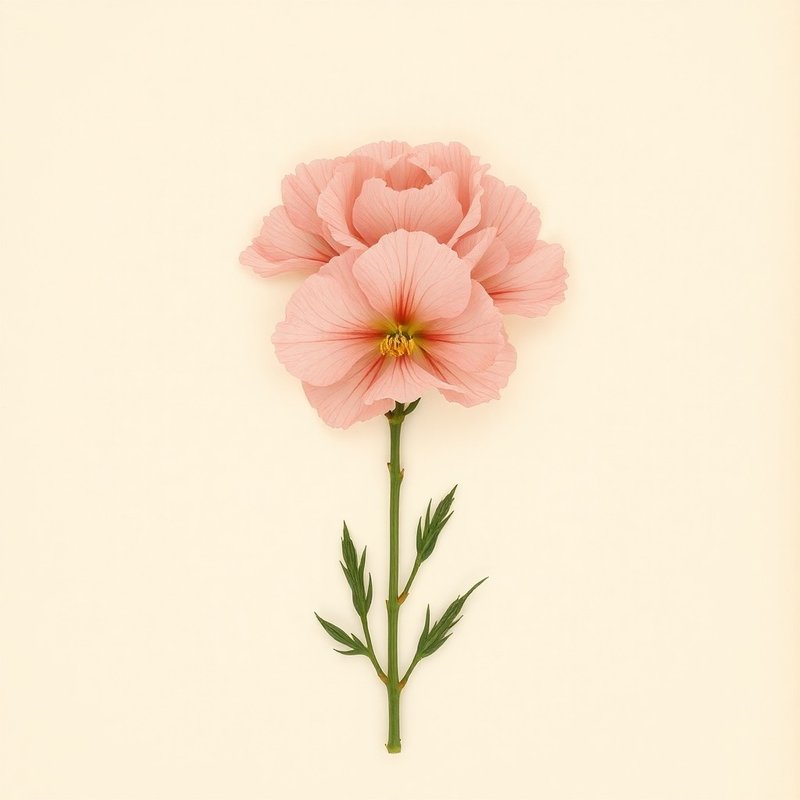
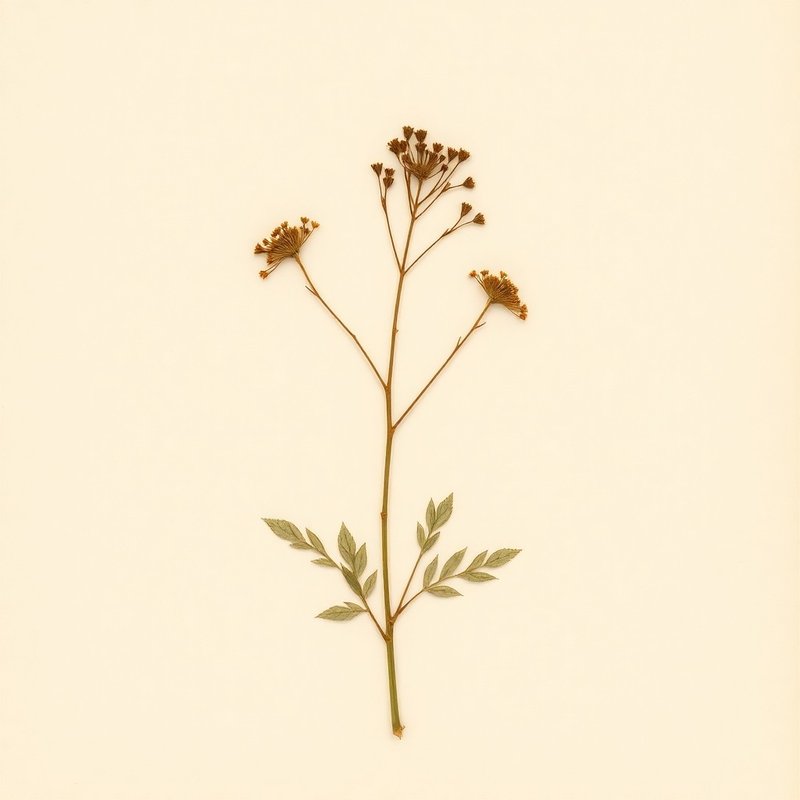
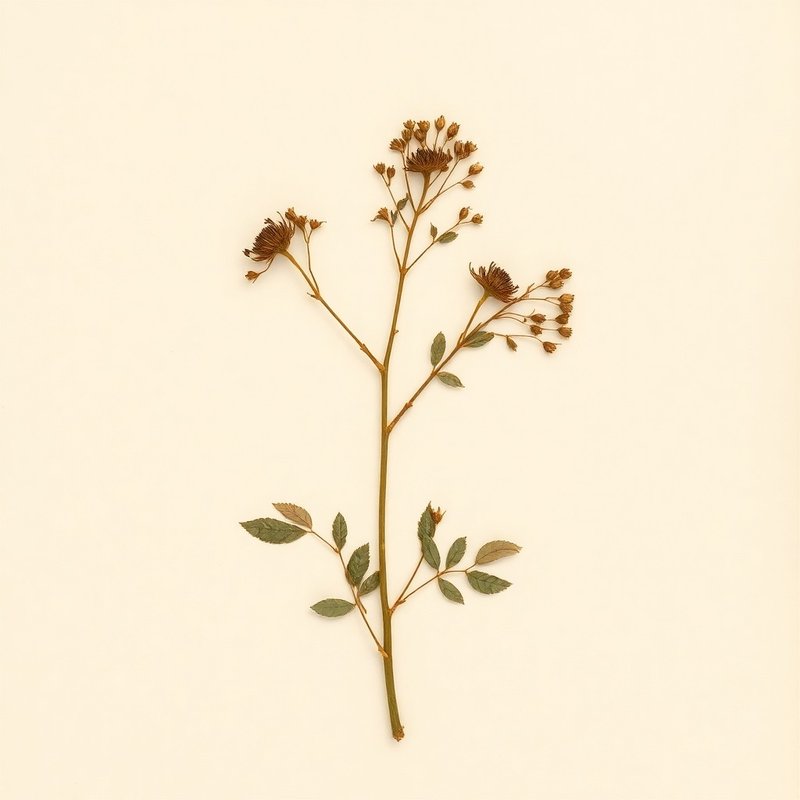
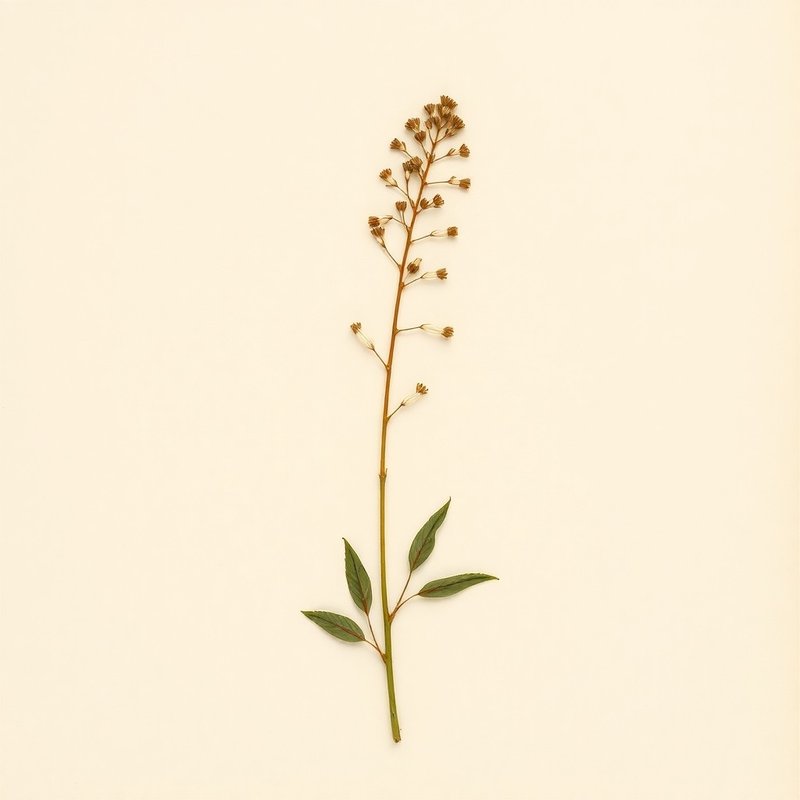
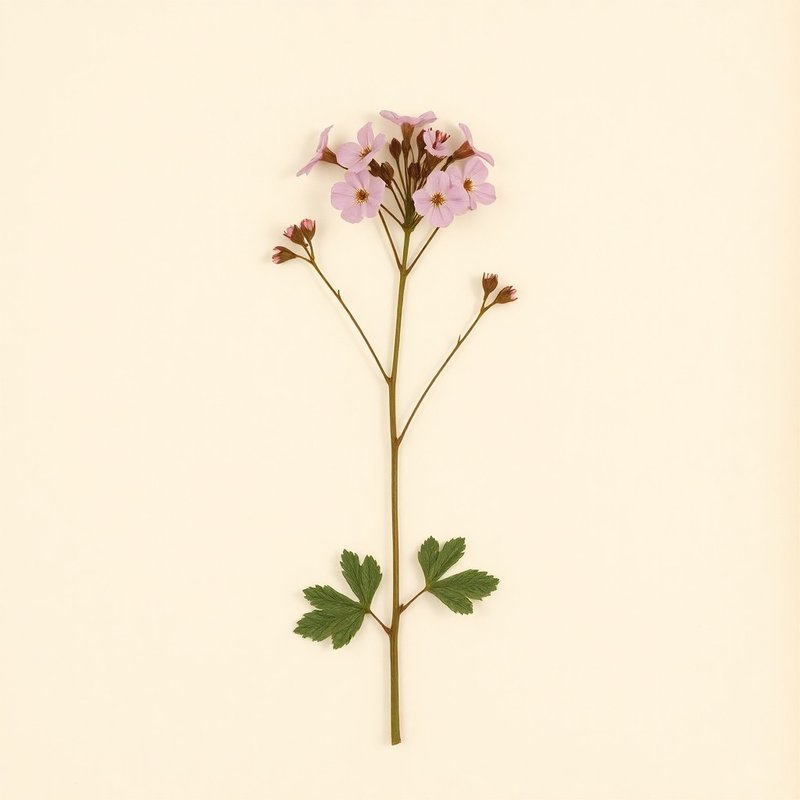
Crataegus atrosanguinea is one of the better-evidenced choices for Mood support — 0 cited references with moderate evidence quality. Effect size d=0.30 (small). Traditional context only.
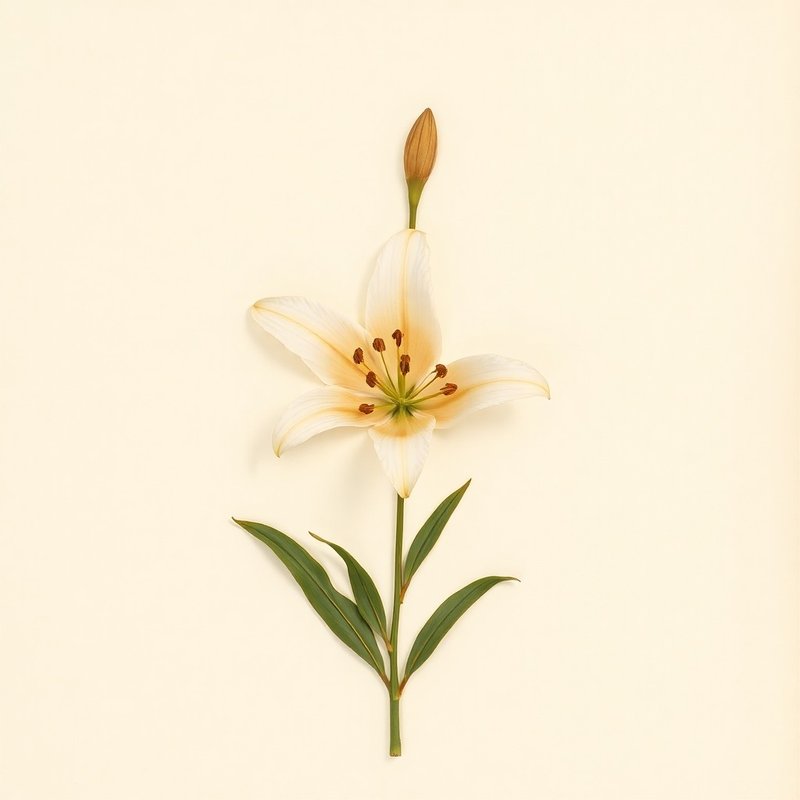
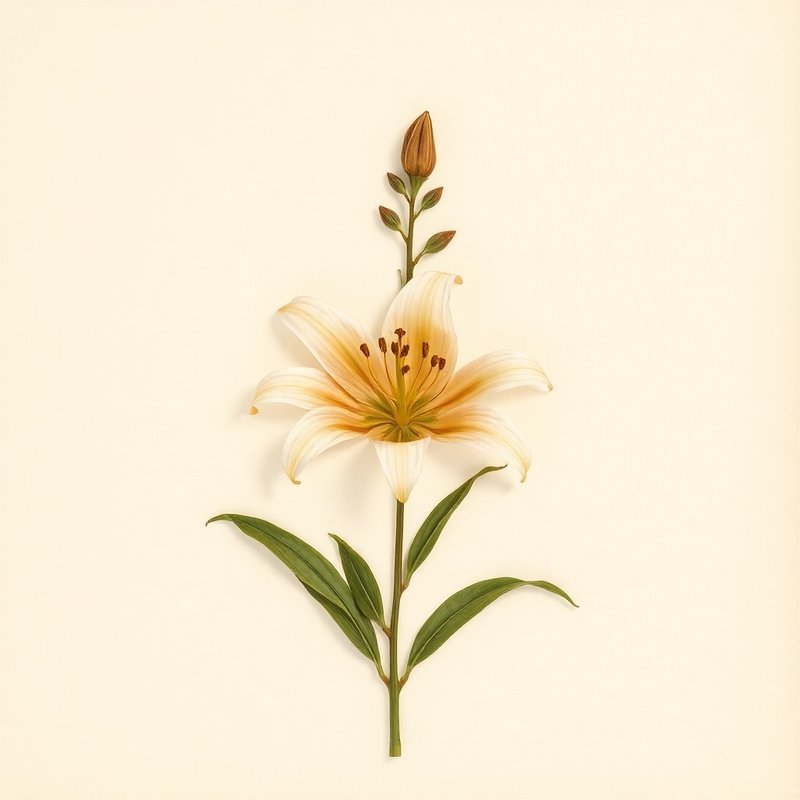
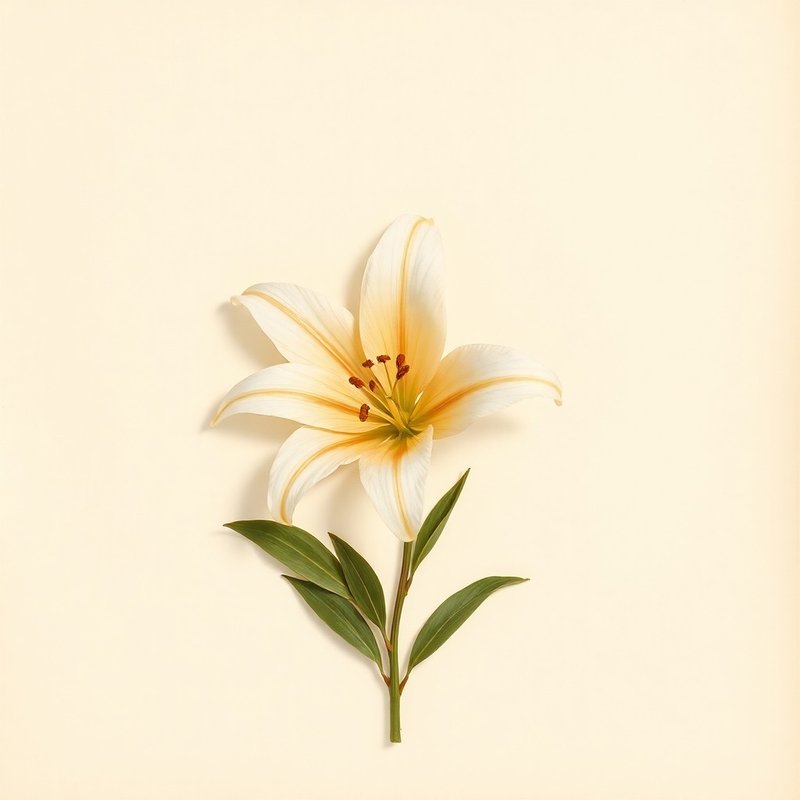
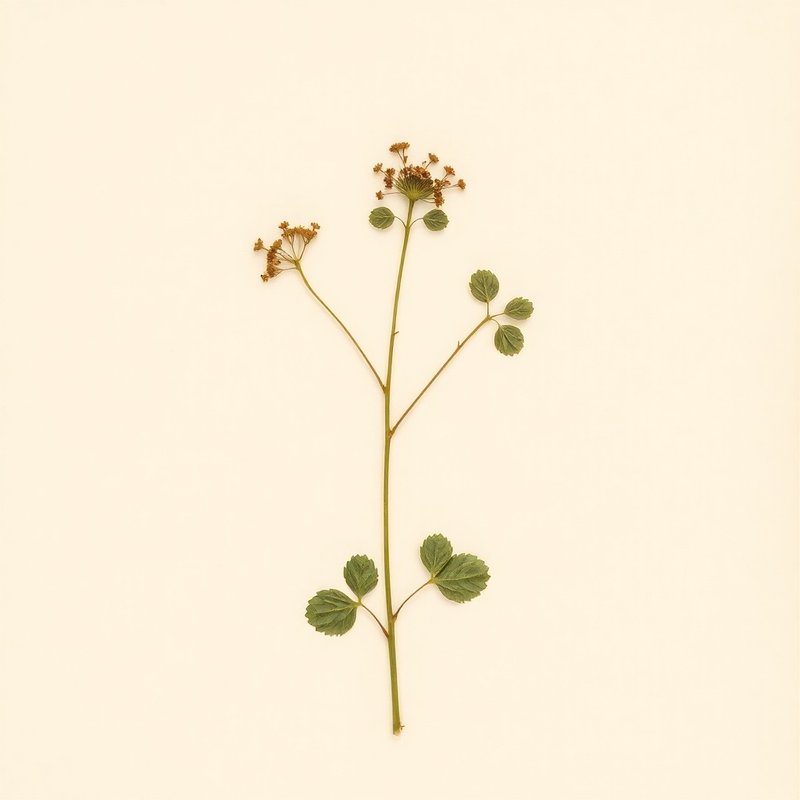
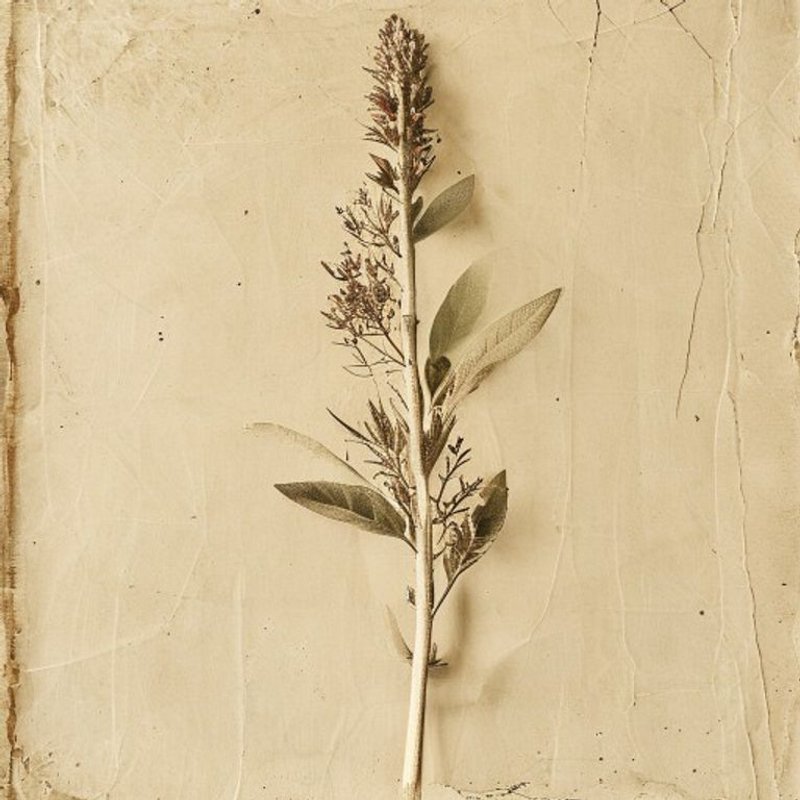
Lilium species is one of the better-evidenced choices for Mood support — 0 cited references with moderate evidence quality. Effect size d=0.30 (small). Traditional context only.
Use the Decision guide below to filter for pregnancy-safe, gentle, or specific preparation forms. Or open any plant recommendation above for full evidence detail.
Effective for mild-to-moderate depression
Mechanism: Hyperforin inhibits reuptake of 5-HT, NE, DA. Comparable to SSRIs for mild-moderate MDD per Cochrane.
Traditional-use note: Crataegus atrosanguinea appears in herbal sources around emotional well-being traditions, often as a tea. PlantSage presents this as ethnobotanical context, not as medical advice.
Mechanism: Traditional context only. This reviewed claim keeps the original moderate confidence level, but avoids treatment, disease, dosage, or guaranteed-effect language.
Traditional-use note: Lilium species appears in herbal sources around emotional well-being traditions, often as a decoction. PlantSage presents this as ethnobotanical context, not as medical advice.
Mechanism: Traditional context only. This reviewed claim keeps the original moderate confidence level, but avoids treatment, disease, dosage, or guaranteed-effect language.
Traditional-use note: Kelley's Lily appears in herbal sources around emotional well-being traditions, often as a decoction. PlantSage presents this as ethnobotanical context, not as medical advice.
Mechanism: Traditional context only. This reviewed claim keeps the original moderate confidence level, but avoids treatment, disease, dosage, or guaranteed-effect language.
Traditional-use note: Hypericum attenuatum appears in herbal sources around emotional well-being traditions, often as a tincture. PlantSage presents this as ethnobotanical context, not as medical advice.
Mechanism: Traditional context only. This reviewed claim keeps the original moderate confidence level, but avoids treatment, disease, dosage, or guaranteed-effect language.
Traditional-use note: Bergamot appears in herbal sources around emotional well-being traditions, often as a aromatherapy. PlantSage presents this as ethnobotanical context, not as medical advice.
Mechanism: Traditional context only. This reviewed claim keeps the original moderate confidence level, but avoids treatment, disease, dosage, or guaranteed-effect language.
Traditional-use note: Lycium schweinfurthii appears in herbal sources around emotional well-being traditions, often as a decoction. PlantSage presents this as ethnobotanical context, not as medical advice.
Mechanism: Traditional context only. This reviewed claim keeps the original moderate confidence level, but avoids treatment, disease, dosage, or guaranteed-effect language.
Traditional-use note: Yamazakura appears in herbal sources around emotional well-being traditions, often as a tea. PlantSage presents this as ethnobotanical context, not as medical advice.
Mechanism: Traditional context only. This reviewed claim keeps the original moderate confidence level, but avoids treatment, disease, dosage, or guaranteed-effect language.
Traditional-use note: Papoose Root appears in herbal sources around emotional well-being traditions, often as a tea. PlantSage presents this as ethnobotanical context, not as medical advice.
Mechanism: Traditional context only. This reviewed claim keeps the original moderate confidence level, but avoids treatment, disease, dosage, or guaranteed-effect language.
Traditional-use note: Lilium hansonii appears in herbal sources around emotional well-being traditions, often as a tea. PlantSage presents this as ethnobotanical context, not as medical advice.
Mechanism: Traditional context only. This reviewed claim keeps the original moderate confidence level, but avoids treatment, disease, dosage, or guaranteed-effect language.
Traditional-use note: Hopi tea greenthread appears in herbal sources around emotional well-being traditions, often as a tea. PlantSage presents this as ethnobotanical context, not as medical advice.
Mechanism: Traditional context only. This reviewed claim keeps the original moderate confidence level, but avoids treatment, disease, dosage, or guaranteed-effect language.
Traditional-use note: Hypericum kamtschaticum appears in herbal sources around emotional well-being traditions, often as a tincture. PlantSage presents this as ethnobotanical context, not as medical advice.
Mechanism: Traditional context only. This reviewed claim keeps the original moderate confidence level, but avoids treatment, disease, dosage, or guaranteed-effect language.
Traditional-use note: Carnation appears in herbal sources around emotional well-being traditions, often as a tincture. PlantSage presents this as ethnobotanical context, not as medical advice.
Mechanism: Traditional context only. This reviewed claim keeps the original moderate confidence level, but avoids treatment, disease, dosage, or guaranteed-effect language.
Traditional-use note: Cimicifuga foetida appears in herbal sources around emotional well-being traditions, often as a decoction. PlantSage presents this as ethnobotanical context, not as medical advice.
Mechanism: Traditional context only. This reviewed claim keeps the original moderate confidence level, but avoids treatment, disease, dosage, or guaranteed-effect language.
Traditional-use note: Lycium ruthenicum appears in herbal sources around emotional well-being traditions, often as a tea. PlantSage presents this as ethnobotanical context, not as medical advice.
Mechanism: Traditional context only. This reviewed claim keeps the original moderate confidence level, but avoids treatment, disease, dosage, or guaranteed-effect language.
Traditional-use note: Trifolium variegatum appears in herbal sources around emotional well-being traditions, often as a tea. PlantSage presents this as ethnobotanical context, not as medical advice.
Mechanism: Traditional context only. This reviewed claim keeps the original moderate confidence level, but avoids treatment, disease, dosage, or guaranteed-effect language.
Traditional-use note: Oshima Cherry appears in herbal sources around emotional well-being traditions, often as a decoction. PlantSage presents this as ethnobotanical context, not as medical advice.
Mechanism: Traditional context only. This reviewed claim keeps the original moderate confidence level, but avoids treatment, disease, dosage, or guaranteed-effect language.
Traditional-use note: Blue Lupin appears in herbal sources around emotional well-being traditions, often as a tea. PlantSage presents this as ethnobotanical context, not as medical advice.
Mechanism: Traditional context only. This reviewed claim keeps the original moderate confidence level, but avoids treatment, disease, dosage, or guaranteed-effect language.
Traditional-use note: Great Saint John's Wort appears in herbal sources around emotional well-being traditions, often as a tincture. PlantSage presents this as ethnobotanical context, not as medical advice.
Mechanism: Traditional context only. This reviewed claim keeps the original moderate confidence level, but avoids treatment, disease, dosage, or guaranteed-effect language.
Traditional-use note: Buckler-Leaved Sorrel appears in herbal sources around emotional well-being traditions, often as a tea. PlantSage presents this as ethnobotanical context, not as medical advice.
Mechanism: Traditional context only. This reviewed claim keeps the original moderate confidence level, but avoids treatment, disease, dosage, or guaranteed-effect language.
Traditional-use note: Chinese Motherwort appears in herbal sources around emotional well-being traditions, often as a tea. PlantSage presents this as ethnobotanical context, not as medical advice.
Mechanism: Traditional context only. This reviewed claim keeps the original moderate confidence level, but avoids treatment, disease, dosage, or guaranteed-effect language.
Traditional-use note: Banksia Rose appears in herbal sources around emotional well-being traditions, often as a tea. PlantSage presents this as ethnobotanical context, not as medical advice.
Mechanism: Traditional context only. This reviewed claim keeps the original moderate confidence level, but avoids treatment, disease, dosage, or guaranteed-effect language.
Traditional-use note: Wild Yam appears in herbal sources around emotional well-being traditions, often as a tincture. PlantSage presents this as ethnobotanical context, not as medical advice.
Mechanism: Traditional context only. This reviewed claim keeps the original moderate confidence level, but avoids treatment, disease, dosage, or guaranteed-effect language.
Traditional-use note: Fragaria nilgerrensis appears in herbal sources around emotional well-being traditions, often as a tea. PlantSage presents this as ethnobotanical context, not as medical advice.
Mechanism: Traditional context only. This reviewed claim keeps the original moderate confidence level, but avoids treatment, disease, dosage, or guaranteed-effect language.
Traditional-use note: Hypericum erectum appears in herbal sources around emotional well-being traditions, often as a tea. PlantSage presents this as ethnobotanical context, not as medical advice.
Mechanism: Traditional context only. This reviewed claim keeps the original moderate confidence level, but avoids treatment, disease, dosage, or guaranteed-effect language.
Traditional-use note: Pygmy smartweed appears in herbal sources around emotional well-being traditions, often as a tea. PlantSage presents this as ethnobotanical context, not as medical advice.
Mechanism: Traditional context only. This reviewed claim keeps the original moderate confidence level, but avoids treatment, disease, dosage, or guaranteed-effect language.
Traditional-use note: Drumstick Primula appears in herbal sources around emotional well-being traditions, often as a tea. PlantSage presents this as ethnobotanical context, not as medical advice.
Mechanism: Traditional context only. This reviewed claim keeps the original moderate confidence level, but avoids treatment, disease, dosage, or guaranteed-effect language.
Traditional-use note: Mitchella repens appears in herbal sources around emotional well-being traditions, often as a tea. PlantSage presents this as ethnobotanical context, not as medical advice.
Mechanism: Traditional context only. This reviewed claim keeps the original moderate confidence level, but avoids treatment, disease, dosage, or guaranteed-effect language.
Traditional-use note: Mitchella undulata appears in herbal sources around emotional well-being traditions, often as a tea. PlantSage presents this as ethnobotanical context, not as medical advice.
Mechanism: Traditional context only. This reviewed claim keeps the original moderate confidence level, but avoids treatment, disease, dosage, or guaranteed-effect language.
Traditional-use note: Bamboo Lily appears in herbal sources around emotional well-being traditions, often as a decoction. PlantSage presents this as ethnobotanical context, not as medical advice.
Mechanism: Traditional context only. This reviewed claim keeps the original moderate confidence level, but avoids treatment, disease, dosage, or guaranteed-effect language.
Traditional-use note: Formosa lily appears in herbal sources around emotional well-being traditions, often as a decoction. PlantSage presents this as ethnobotanical context, not as medical advice.
Mechanism: Traditional context only. This reviewed claim keeps the original moderate confidence level, but avoids treatment, disease, dosage, or guaranteed-effect language.
Traditional-use note: Golden-Rayed Lily appears in herbal sources around emotional well-being traditions, often as a decoction. PlantSage presents this as ethnobotanical context, not as medical advice.
Mechanism: Traditional context only. This reviewed claim keeps the original moderate confidence level, but avoids treatment, disease, dosage, or guaranteed-effect language.
Traditional-use note: Gunnera magellanica appears in herbal sources around emotional well-being traditions, often as a decoction. PlantSage presents this as ethnobotanical context, not as medical advice.
Mechanism: Traditional context only. This reviewed claim keeps the original moderate confidence level, but avoids treatment, disease, dosage, or guaranteed-effect language.
Traditional use: rhodiola for low mood with fatigue, particularly seasonal patterns.
Mechanism: Salidroside — monoamine modulation
Traditional use: saffron extract comparable to fluoxetine in mild-moderate depression trials.
Mechanism: Crocin + safranal — monoamine reuptake
Traditional use: ginseng for low energy with depressed mood. Best in morning.
Mechanism: Ginsenosides
Traditional use: tulsi for mood stability in chronic stress. Daily Ayurvedic tonic.
Mechanism: Eugenol
Traditional use: he shou wu in TCM for mood with kidney-yin deficiency presentation.
Mechanism: Stilbenes
Traditional use: gotu kola for sattvic mood balance. Daily over weeks.
Mechanism: Triterpenes + BDNF
Traditional use: huang qin in TCM for irritability with heat signs.
Mechanism: Baicalein + GABA + serotonin
Traditional use: vervain for low mood with restless mental tension. Folk European.
Mechanism: Verbenalin iridoids
Traditional use: linden flower tea for mood lift during prolonged stress.
Mechanism: Volatile oils + flavonoids
Traditional-use note: Rose Geranium appears in herbal sources around emotional well-being traditions, often as a aromatherapy. PlantSage presents this as ethnobotanical context, not as medical advice.
Mechanism: Traditional context only. This reviewed claim keeps the original low confidence level, but avoids treatment, disease, dosage, or guaranteed-effect language.
Traditional-use note: Yage appears in herbal sources around emotional well-being traditions, often as a tea. PlantSage presents this as ethnobotanical context, not as medical advice.
Mechanism: Traditional context only. This reviewed claim keeps the original low confidence level, but avoids treatment, disease, dosage, or guaranteed-effect language.
Traditional-use note: Prickly Poppy appears in herbal sources around emotional well-being traditions, often as a tincture. PlantSage presents this as ethnobotanical context, not as medical advice.
Mechanism: Traditional context only. This reviewed claim keeps the original low confidence level, but avoids treatment, disease, dosage, or guaranteed-effect language.
Quick decision shortcuts for Mood support. Jump to a candidate that fits your constraints.
Plants without pregnancy contraindications in our database.
Plants with documented tea or decoction dosing.
No published tea dosages yet for this goal.
Based on confidence × effect-size ranking, the top plants are St John's wort, Crataegus atrosanguinea, Lilium species. See the High-confidence section above for full evidence and mechanism notes.
St John's wort — each backed by RCTs or meta-analyses cited in the plant profile.
Each plant profile includes a Cautions section with contraindications, drug interactions, and population warnings (pregnancy, children, etc.). Always check before use, especially with prescription medication.
High = systematic reviews or multiple RCTs. Moderate = single RCT or strong observational data. Low = traditional use or in-vitro evidence only. We never inflate confidence — if a claim is shaky, we say so.
Weekly notes from the PlantSage editorial team — new evidence, dosage updates, and monograph highlights. No spam; unsubscribe in one click.
Occasional email when substantial new content lands — plant profiles, seasonal growing notes, folk-remedy additions. Free, no tracking, unsubscribe anytime.