
Rubus ostryfolius
Rubus ostryfolius
Educational content — not medical, botanical, or professional advice. Always consult a qualified clinician before using any herbal preparation — especially during pregnancy, breastfeeding, while on medication, or for children. How we source & review →
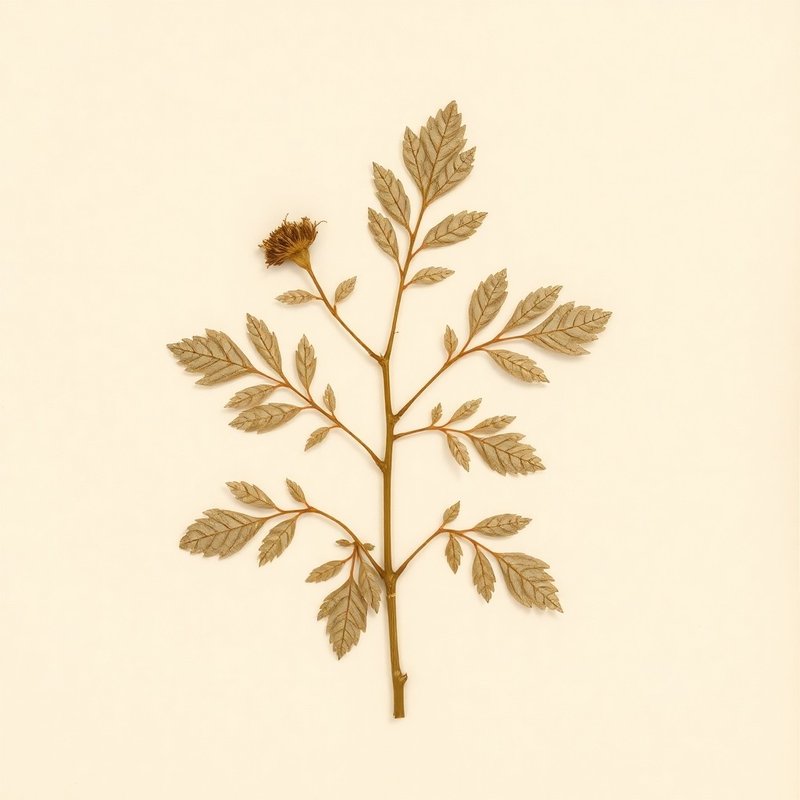
Pl. 2B2C — Rubus ostryfolius
Rubus ostryfoliusRubus ostryfoliusRubus ostryfoliusRubus ostryfoliusRubus ostryfoliusRubus ostryfoliusRubus ostryfoliusRubus ostryfoliusRubus ostryfoliusRubus ostryfoliusRubus ostryfoliusRubus ostryfoliusRubus ostryfoliusRubus ostryfolius
IOverview
Overview
Rubus ostryfolius, commonly known as the narrow-leaved thimbleberry, is a deciduous shrub in the rose family (Rosaceae). Native to North America, it thrives in moist environments and can be found from Alaska to Newfoundland and southward into parts of Washington, Idaho, Montana, Minnesota, Wisconsin, and Ontario. This plant is valued for its edible fruit, which are small, yellowish-white to red berries that resemble tiny thimble-shaped structures. The shrub prefers light to medium soil types and can tolerate partial sun to full sun exposure. Its distinctive feature includes the unique shape of its leaves, which are narrow and elongated, hence the "narrow-leaved" part of its common name.
Quick answers
What is Rubus ostryfolius?
Rubus ostryfolius, commonly known as the narrow-leaved thimbleberry, is a deciduous shrub in the rose family (Rosaceae). Native to North America, it thrives in moist environments and can be found from Alaska to Newfoundland and southward into parts of Washington, Idaho, Montana, Minnesota, Wisconsin, and Ontario.
What is Rubus ostryfolius used for?
Traditionally used for topical & skin, digestion. Each claim is evidence-rated — see Section II for full citations.
Best for
Top 2 evidence-ranked uses of Rubus ostryfolius
Clinicaluses · safety · chemistry · dosagemedicinal profile
IIBenefits & evidence
2 claims · 0 sources
Benefits & evidence
2 claims · 0 sources- Traditional-use note: Rubus ostryfolius appears in herbal sources around traditional skin-care routines, often as a topical preparation. PlantSage presents this as ethnobotanical context, not as medical advice.
Traditional context only. This reviewed claim keeps the original moderate confidence level, but avoids treatment, disease, dosage, or guaranteed-effect language.
- Rubus species, including closely related Rubus fruticosus, have been traditionally used in European herbal medicine for digestive issues such as bloating and indigestion. A decoction of the leaves or fruit may help soothe an upset stomach.
The mechanism is not fully characterised but likely involves compounds like tannins which can provide astringent effects, helping to reduce inflammation in the gut lining.
IV·bMixology suggestions
1 draft
Mixology suggestions
1 draftEditorial drafts. These pairings are AI-suggested from traditional herbal lore. Always verify with a qualified herbalist before brewing.
Rubus ostryfolius support blend
generaltea
AI returned a direct ingredient list; normalized into one draft blend for editorial review.
Growingconditions · propagation · uses
VCultivation
Cultivation
Rubus ostryfolius thrives in full to partial sun and requires moist, well-draining soil that can be light (sandy), medium, or heavy (clay). For cultivation, ensure the plant receives adequate moisture while maintaining good drainage to prevent root rot. Propagation is best done through tip cuttings or division of established plants. The fruit is edible and makes for a tasty addition to your garden. Note that hardiness information isn't provided, so it's best suited for temperate regions.
Light
Full sun, Partial sun/shade
Water
Moist
Soil
Light (sandy), Medium, Heavy (clay)
For first-time growers
How to grow Rubus ostryfolius for the first time
7steps
Start with planting Rubus ostryfolius in a sunny spot and follow these beginner-friendly steps.
- 1
What you'll need
A young Rubus ostryfolius plant, garden soil, mulch, and water.
- 2
Best time to plant
Plant in early spring or late fall when the weather is cooler.
- 3
Soil and container prep
Ensure the soil is well-draining with a pH between 5.5 and 6.5, and prepare containers if needed.
- 4
Sowing or transplanting
Transplant young plants into your garden or pots, spacing them about 3 feet apart.
- 5
First two weeks
Water the plant regularly to keep the soil moist but not waterlogged. Monitor for any signs of stress.
- 6
Ongoing care
Provide full sun to partial shade and keep the soil consistently moist, especially during dry spells.
- 7
Harvest or pruning
Prune in late winter before new growth starts to encourage fruiting. Harvest fruits when they are fully ripe.
VIEdible & utility
Edible & utility
Edible parts:Fruit
Edible uses: The fruit of Rubus ostryfolius is edible and can be eaten raw or used in various preparations. It is often picked when ripe and enjoyed fresh, adding a light, refreshing taste to salads or desserts. The fruit can also be dried for later use, preserving its flavor and nutrients.
Other uses:Dye
Contextrange · companions · related
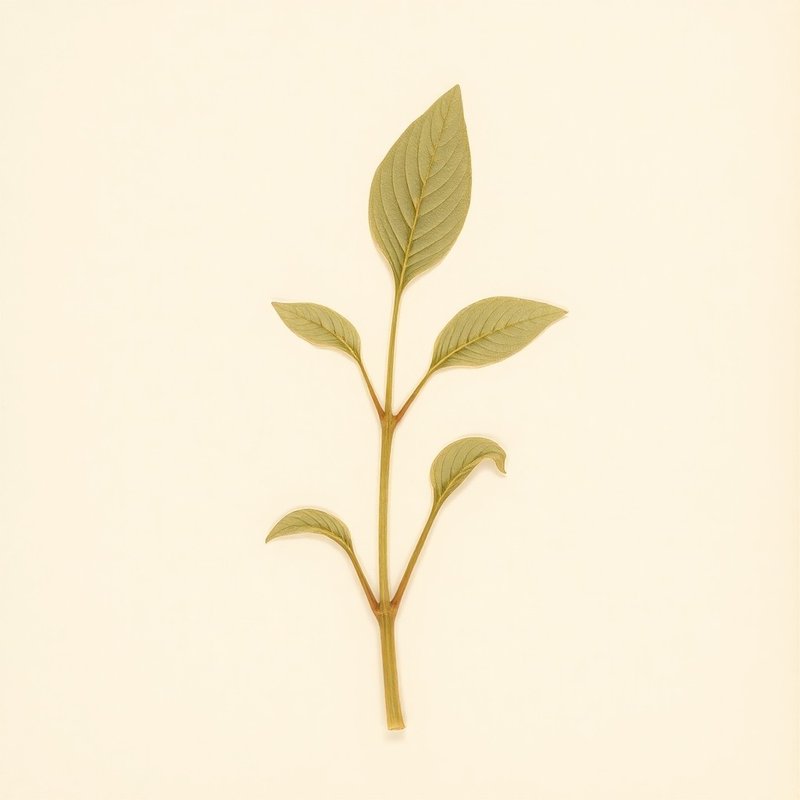
IXSpecimen gallery
1 image
Specimen gallery
1 imageXSee also
8 related
See also
8 relatedPlants you might compare or use together — scored by shared family, common use cases, and growing requirements.
shared use cases
Different families, similar therapeutic role — good for comparing.


XI
Explore further
Companion planting
Health goals
Compare with similar plants
XII
About this entry
- Last updated
- Citation
- How to cite this entry · Submit a correction
Back to the cataloguePlant id · 2b2c78e7-5895-492c-930d-fc494ae143ba
Decision aid
Choosing between Rubus ostryfolius and something else?
Continue reading
❦❦❦❦
Endpaper · archive updates
Get archive updates
Occasional email when substantial new content lands — plant profiles, seasonal growing notes, folk-remedy additions. Free, no tracking, unsubscribe anytime.