
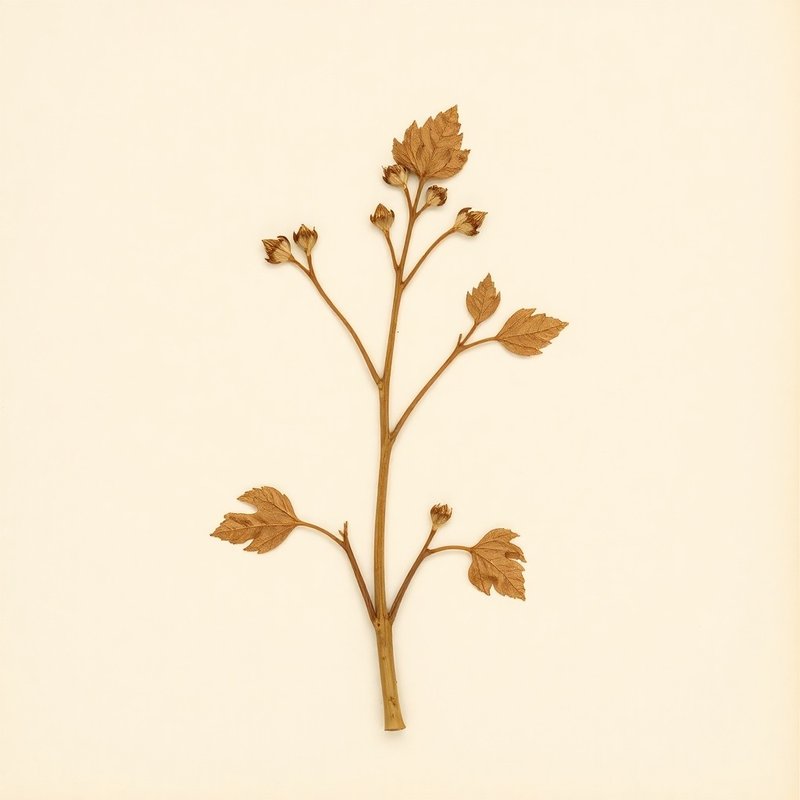
Rumex japonicus
IOverview
Overview
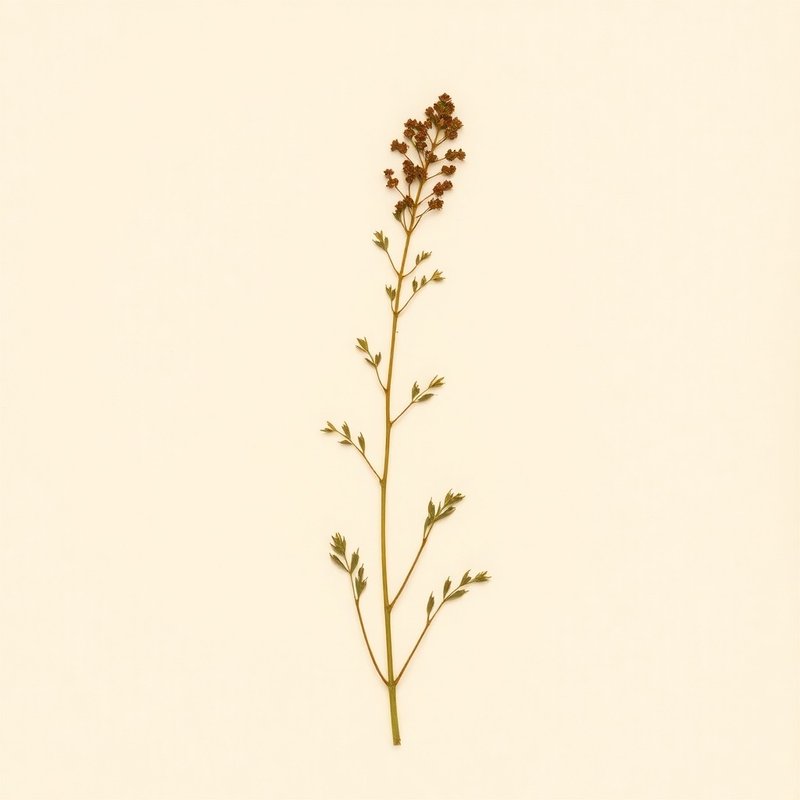
Rumex japonicus, commonly known as Japanese dock, is a perennial plant native to regions including China South-Central, Southeast, Hainan, Inner Mongolia, Japan, Kamchatka, Korea, Kuril Islands, and parts of Vietnam. This plant thrives in moist conditions with partial sun to full sun exposure and can grow up to 1 meter tall. It is adaptable to various soil types, including light (sandy), medium, and heavy (clay). Known for its edible leaves and seeds, R. japonicus has also been used medicinally. The leaves can be eaten raw or cooked, often used in salads or as a spinach substitute. Seeds can be harvested and ground into flour for baking or added to dishes whole. Its distinctive feature includes the ability to form dense stands in suitable environments, making it a notable presence in its native range. While the plant has been used for its medicinal properties, caution should be exercised when using it, as its safety and efficacy have not been scientifically validated.
What is Rumex japonicus?
Rumex japonicus, commonly known as Japanese dock, is a perennial plant native to regions including China South-Central, Southeast, Hainan, Inner Mongolia, Japan, Kamchatka, Korea, Kuril Islands, and parts of Vietnam.
IV·bMixology suggestions
2 drafts
Mixology suggestions
2 draftsVCultivation
Cultivation
How to grow Rumex japonicus for the first time
Start with Skip as a simple, low-maintenance perennial for your garden.
- 1
What you'll need
Skip plants, well-draining soil, water can or hose.
- 2
Best time to plant
Plant in spring after the last frost or fall before the first freeze.
- 3
Soil and container prep
Choose a location with light to partial shade. Ensure the soil is moist, well-draining, and rich in organic matter.
- 4
Sowing or transplanting
Transplant Skip from containers into your garden bed or sow seeds directly where you want them to grow.
- 5
First two weeks
Water regularly to keep the soil moist. Monitor for any signs of stress and adjust watering as needed.
- 6
Ongoing care
Provide consistent moisture, especially during dry spells. Mulch around plants to retain moisture and suppress weeds.
- 7
Harvest or pruning
Prune Skip in late winter before new growth starts to encourage a bushier plant.
VIEdible & utility
Edible & utility
VIIDistribution
15 native · 0 introduced
Distribution
15 native · 0 introducedIXSpecimen gallery
1 image
Specimen gallery
1 imageXSee also
8 related
See also
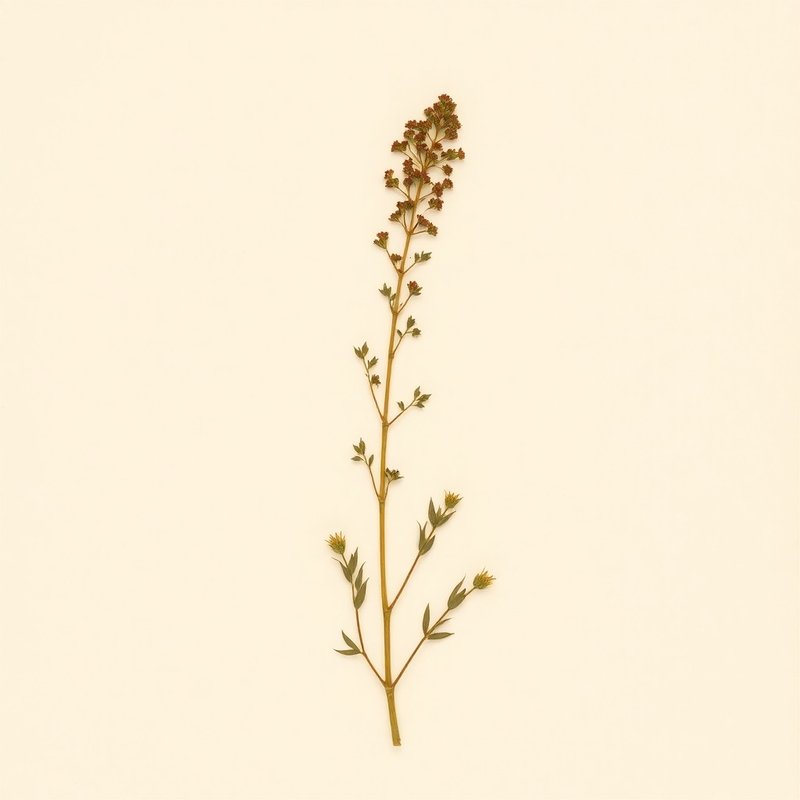
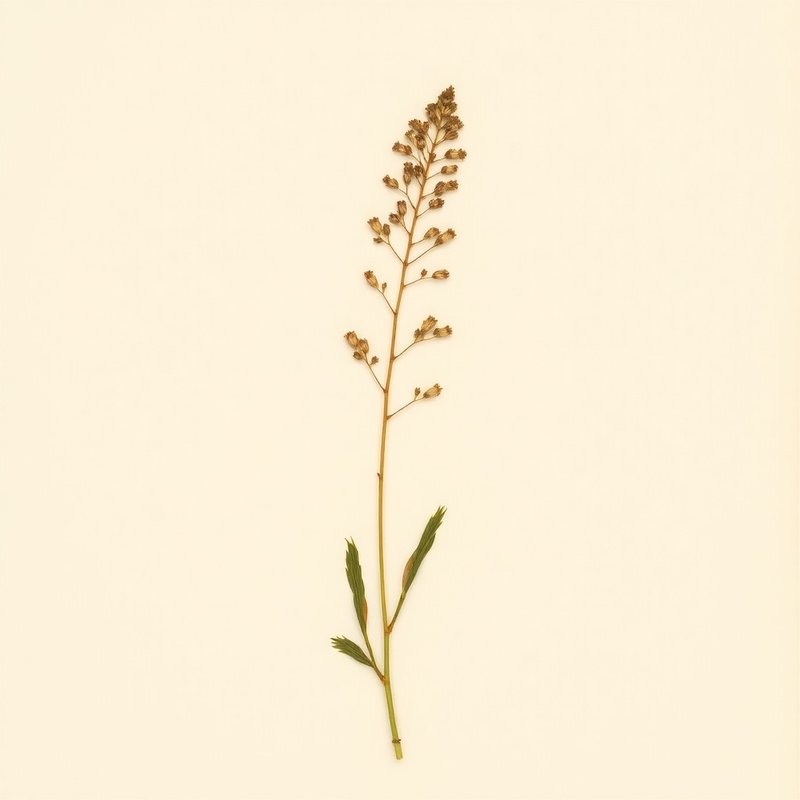
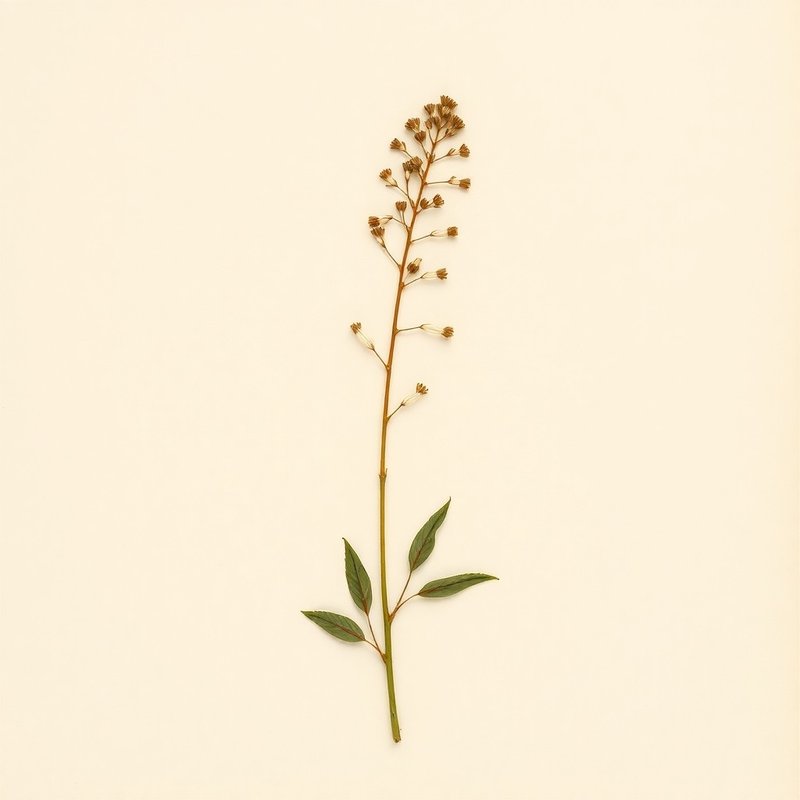
8 relatedPlants you might compare or use together — scored by shared family (Polygonaceae), common use cases, and growing requirements.


Explore further
About this entry
- Last updated
- Citation
- How to cite this entry · Submit a correction
Continue reading
Get archive updates
Occasional email when substantial new content lands — plant profiles, seasonal growing notes, folk-remedy additions. Free, no tracking, unsubscribe anytime.