
Round-Leaved Dock
Rumex obtusifoliusfam. Polygonaceae
Educational content — not medical, botanical, or professional advice. Always consult a qualified clinician before using any herbal preparation — especially during pregnancy, breastfeeding, while on medication, or for children. How we source & review →
Garden journal pausedUse profile notes below
Pl. 5F44 — Rumex obtusifolius
Rumex obtusifoliusRumex obtusifoliusRumex obtusifoliusRumex obtusifoliusRumex obtusifoliusRumex obtusifoliusRumex obtusifoliusRumex obtusifoliusRumex obtusifoliusRumex obtusifoliusRumex obtusifoliusRumex obtusifoliusRumex obtusifoliusRumex obtusifolius
IOverview
Overview
Round-Leaved Dock (Rumex obtusifolius) is a perennial herb belonging to the Polygonaceae family, native to regions such as Albania, Algeria, Austria, Belarus, Belgium, and many others across Europe, parts of Asia, and North Africa. This plant thrives in moist, light to heavy soils with a pH between 6.5 and 7, making it adaptable to various growing conditions. With a height of up to 1 meter, it features light green leaves and can be found in full sun to partial shade. Known for both its edible and medicinal properties, Round-Leaved Dock is valued for its leaves, stems, and seeds, which can be consumed raw or cooked. Its leaves can be eaten fresh or cooked, while its stems are typically boiled before consumption. The seeds can also be harvested and used as a food source. In addition to its culinary uses, this plant has been traditionally used for various health purposes, though caution should be exercised when using it medicinally. Round-Leaved Dock is a dynamic accumulator, making it useful in soil improvement. It is hardy in USDA zones 4-8 and can be propagated through division or seed sowing. Regular watering is recommended to maintain moist soil, and it should be grown in a location that receives full sun to partial shade.
Quick answers
What is Round-Leaved Dock?
Round-Leaved Dock (Rumex obtusifolius) is a perennial herb belonging to the Polygonaceae family, native to regions such as Albania, Algeria, Austria, Belarus, Belgium, and many others across Europe, parts of Asia, and North Africa. This plant thrives in moist, light to heavy soils with a pH between 6.
IV·bMixology suggestions
1 draft
Mixology suggestions
1 draftEditorial drafts. These pairings are AI-suggested from traditional herbal lore. Always verify with a qualified herbalist before brewing.
Digestive Harmony
digestiontincture
Traditional use for digestive issues.
Growingconditions · propagation · uses
VCultivation
Cultivation
Round-Leaved Dock thrives in moist conditions and prefers light (sandy), medium, or heavy (clay) soils with a pH of 6.5–7. It is hardy in temperate regions from USDA zones 4-8 and grows as a perennial to about 1 meter tall. This plant requires full sun to partial shade and should be watered regularly to maintain moist soil. For propagation, division or seed sowing can be used. Harvest edible parts such as leaves, stems, and seeds in the appropriate season.
Light
8/10
Water
Moist
Soil
Light (sandy), Medium, Heavy (clay)
Hardiness
4-8
Life cycle
Perennial
Habit
Forb/herb
Mature size
1.0 m tall
Soil pH
6.5–7
For first-time growers
How to grow Round-Leaved Dock for the first time
7steps
Round-Leaved Dock is a forgiving plant for beginners, making it an excellent choice for your first gardening project.
- 1
What you'll need
Seeds or young plants, a garden fork, and a trowel.
- 2
Best time to plant
Plant in spring after the last frost or in early fall for best results.
- 3
Soil and container prep
Ensure soil is well-draining with a pH between 6.5–7, and prepare by loosening it with a garden fork.
- 4
Sowing or transplanting
Direct sow seeds 1 cm deep in rows 30 cm apart, or transplant young plants into the prepared soil.
- 5
First two weeks
Keep the soil moist and monitor for any signs of pests or diseases.
- 6
Ongoing care
Water regularly to keep the soil consistently moist but not waterlogged. Mulch around the base to retain moisture.
- 7
Harvest or pruning
Prune back after flowering to encourage new growth and maintain a neat appearance.
VIEdible & utility
Edible & utility
Edible parts:LeavesSeedStem
Edible uses: The round-leaved dock is edible and can be consumed in various forms. Its leaves, stems, and seeds are all usable. The leaves can be eaten raw or cooked, while the stems are typically prepared by boiling before consumption. Seeds can also be harvested and used as a food source.
Other uses:DyeDynamic accumulator
Contextrange · companions · related
VIIDistribution
49 native · 109 introduced
Distribution
49 native · 109 introducedDistribution across4 continents· 49 native· 109 introduced
Europe28 regions
native (24)AlbaniaAustriaBelarusBelgiumBulgariaDenmarkFinlandFranceGermanyGreeceHungaryIrelandItalyNetherlandsNorwayPolandPortugalRomaniaRussiaSpainSwedenSwitzerlandUkraineUnited Kingdom
introduced (4)IcelandItalyPortugalSpain
Asia10 regions
native (4)IranPalestineTurkeyYemen
introduced (6)ChinaGeorgiaJapanSouth KoreaSri LankaTaiwan
Americas14 regions
introduced (14)BoliviaColombiaCosta RicaCubaDominican RepublicEcuadorEl SalvadorGreenlandGuatemalaHaitiJamaicaPeruUnited StatesVenezuela
Africa4 regions
native (2)AlgeriaTunisia
introduced (2)Cabo VerdeMorocco
Broader regions
native:Altay, Baltic States, Czechoslovakia, Krasnoyarsk, Kriti, Lebanon-Syria, Transcaucasus, Turkey-in-Europe, Yugoslavia
introduced:Alabama, Aleutian Is., Amsterdam-St.Paul Is, Argentina Northeast, Argentina Northwest, Argentina South, Arizona, Arkansas, Bermuda, Brazil Northeast, Brazil South, Brazil Southeast, Brazil West-Central, British Columbia, California, Cape Provinces, Chile Central, Chile South, Colorado, Connecticut, Delaware, District of Columbia, Falkland Is., Florida, Føroyar, Idaho, Illinois, Indiana, Iowa, Jawa, Kansas, Kentucky, Kuril Is., Louisiana, Magadan, Maine, Maryland, Masachusettes, Massachusetts, Mexico Central, Mexico Gulf, Mexico Northwest, Mexico Southwest, Michigan, Minnesota, Mississippi, Missouri, Montana, Nebraska, New Brunswick, New Hampshire, New Jersey, New Mexico, New York, New Zealand North, Newfoundland, North Carolina, Nova Scotia, Ohio, Oklahoma, Ontario, Oregon, Panamá, Pennsylvania, Prince Edward I., Québec, Rhode I., Sakhalin, South Carolina, Tasmania, Tennessee, Texas, Tristan da Cunha, Utah, Vermont, Virginia, Washington, West Virginia, Wisconsin
XSee also
8 related
See also
8 relatedPlants you might compare or use together — scored by shared family (Polygonaceae), common use cases, and growing requirements.
same family · Polygonaceae
Botanical relatives — often share phytochemistry + growing needs.
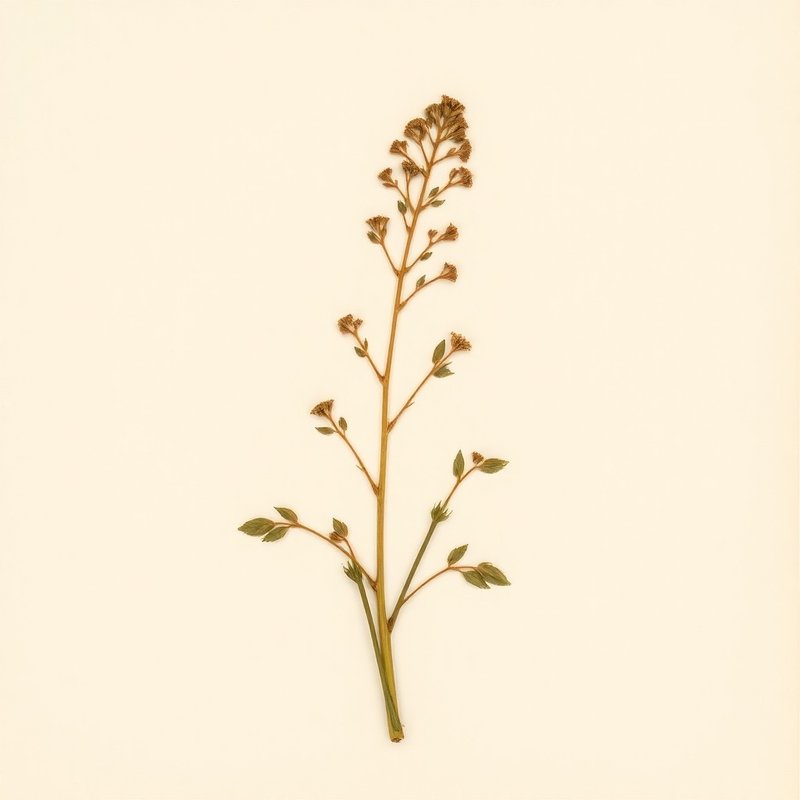
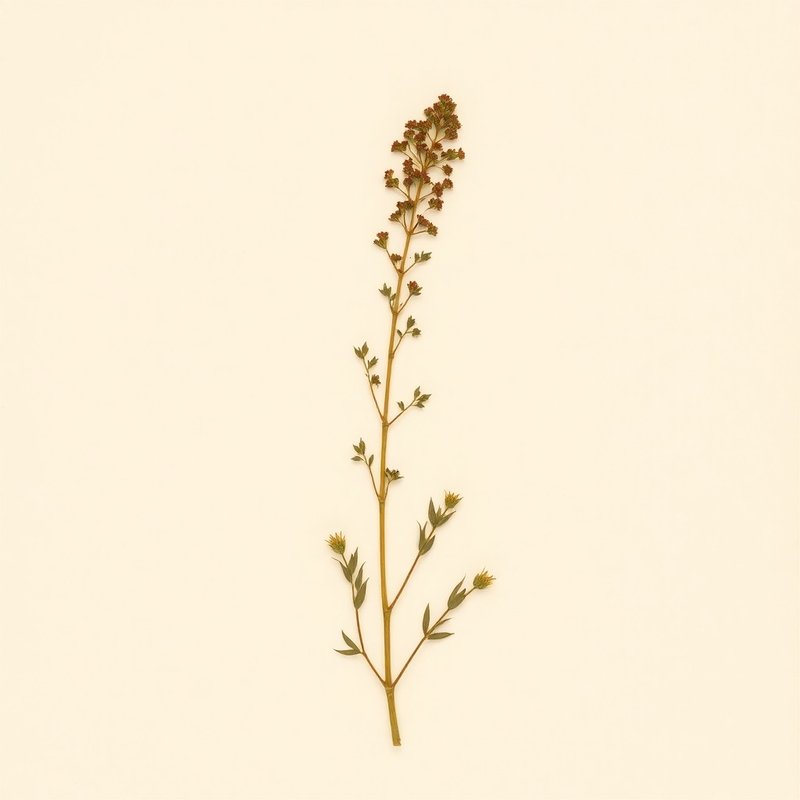
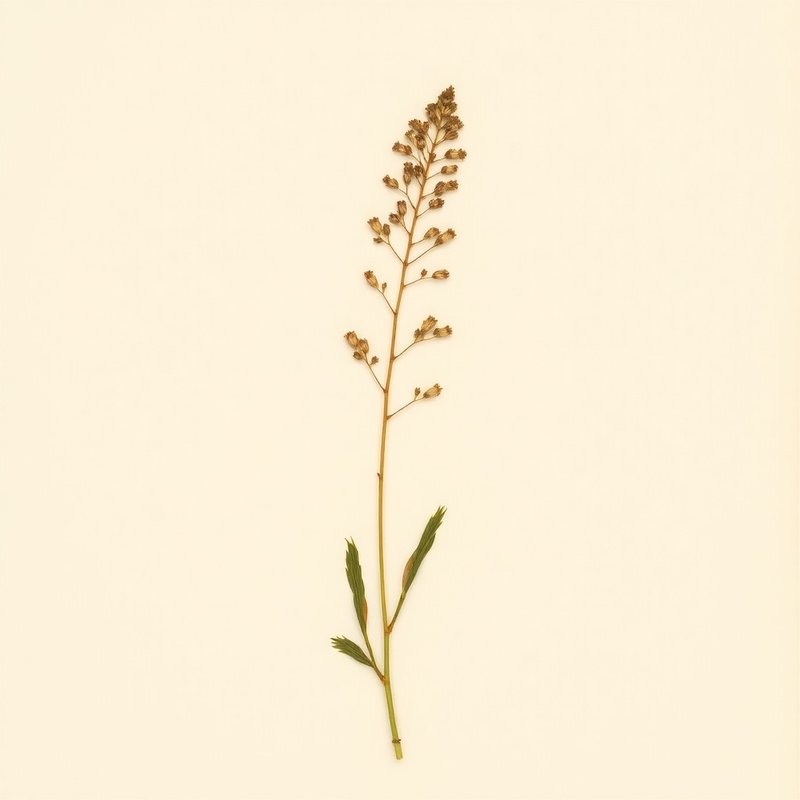
XI
Explore further
Companion planting
Compare with similar plants
Growing zone
XII
About this entry
- Last updated
- Citation
- How to cite this entry · Submit a correction
Back to the cataloguePlant id · 5f443ac8-200e-4957-9458-50916cc8eb5f
Decision aid
Choosing between Round-Leaved Dock and something else?
Continue reading
❦❦❦❦
Endpaper · archive updates
Get archive updates
Occasional email when substantial new content lands — plant profiles, seasonal growing notes, folk-remedy additions. Free, no tracking, unsubscribe anytime.
Newsletter returning soon.
We are rebuilding the update list around a lightweight editorial workflow. New dispatches will resume after the next content review cycle.