
Sheeps Sorrel
IOverview
Overview
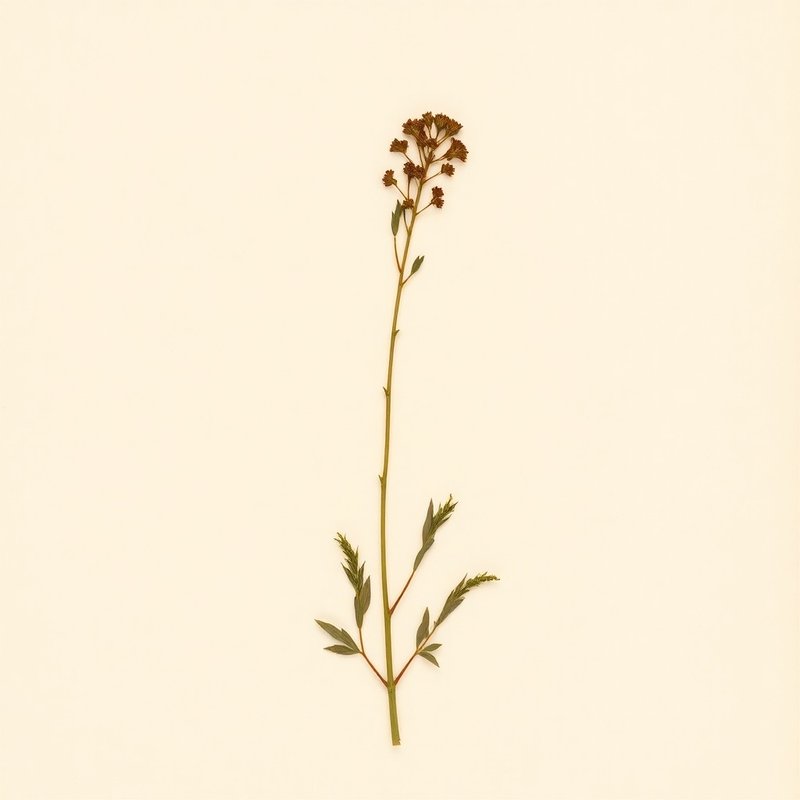
Sheeps Sorrel (Rumex acetosella) is a perennial herb native to much of Europe and parts of Asia, including Albania, Algeria, Austria, and Belarus. This plant thrives in moist, light to heavy soils with a pH range of 4–4.5, making it adaptable to various growing conditions. Sheeps Sorrel can grow up to 0.3 meters tall and is often found in habitats ranging from sandy to heavy clay soils, thriving in partial shade to full sun. Its distinctive leaves, roots, and seeds are all edible parts that can be harvested. The plant is valued for its light texture and moisture-loving nature, making it a versatile addition to gardens or natural landscapes. Sheeps Sorrel is known for its edible and medicinal properties. The leaves, roots, and seeds can be used in various culinary applications, adding a tangy flavor to dishes. In traditional medicine, it is used for its astringent and diuretic properties, though caution is advised as it may have a weed potential in some areas. Cultivation is straightforward, with Sheeps Sorrel thriving in well-drained soil that can be sandy, medium, or clay-like. It requires regular watering to keep the soil moist but not waterlogged. Propagation can be achieved through seeds or division of roots in early spring or fall. Harvest leaves and roots for culinary use throughout the growing season.
What is Sheeps Sorrel?
Sheeps Sorrel (Rumex acetosella) is a perennial herb native to much of Europe and parts of Asia, including Albania, Algeria, Austria, and Belarus. This plant thrives in moist, light to heavy soils with a pH range of 4–4.5, making it adaptable to various growing conditions.
IV·bMixology suggestions
1 draft
Mixology suggestions
1 draftVCultivation
Cultivation
How to grow Sheeps Sorrel for the first time
Sheeps Sorrel is a hardy, low-maintenance plant that's perfect for beginners.
- 1
What you'll need
Seeds or young plants, a small trowel, and a watering can.
- 2
Best time to plant
Plant in early spring or late summer for best results.
- 3
Soil and container prep
Choose a spot with moist, light soil (sandy, medium, or clay) with a pH of 4-4.5.
- 4
Sowing or transplanting
Direct sow seeds in the ground or start them indoors and transplant after danger of frost passes.
- 5
First two weeks
Keep soil consistently moist, watering regularly to prevent drying out.
- 6
Ongoing care
Water when the top inch of soil feels dry. Mulch around plants to retain moisture.
- 7
Harvest or pruning
Prune back after flowering to encourage new growth and maintain plant shape.
- 8
Common mistakes
Overwatering, planting in too sunny a spot, neglecting to mulch.
VIEdible & utility
Edible & utility
VIIDistribution
80 native · 108 introduced
Distribution
80 native · 108 introducedIXSpecimen gallery
1 image
Specimen gallery
1 imageXSee also
8 related
See also
8 relatedPlants you might compare or use together — scored by shared family (Polygonaceae), common use cases, and growing requirements.
Explore further
About this entry
- Last updated
- Citation
- How to cite this entry · Submit a correction
Continue reading
Get archive updates
Occasional email when substantial new content lands — plant profiles, seasonal growing notes, folk-remedy additions. Free, no tracking, unsubscribe anytime.