
Rosemary
Salvia rosmarinus
Educational content — not medical, botanical, or professional advice. Always consult a qualified clinician before using any herbal preparation — especially during pregnancy, breastfeeding, while on medication, or for children. How we source & review →
Garden journal pausedUse profile notes below
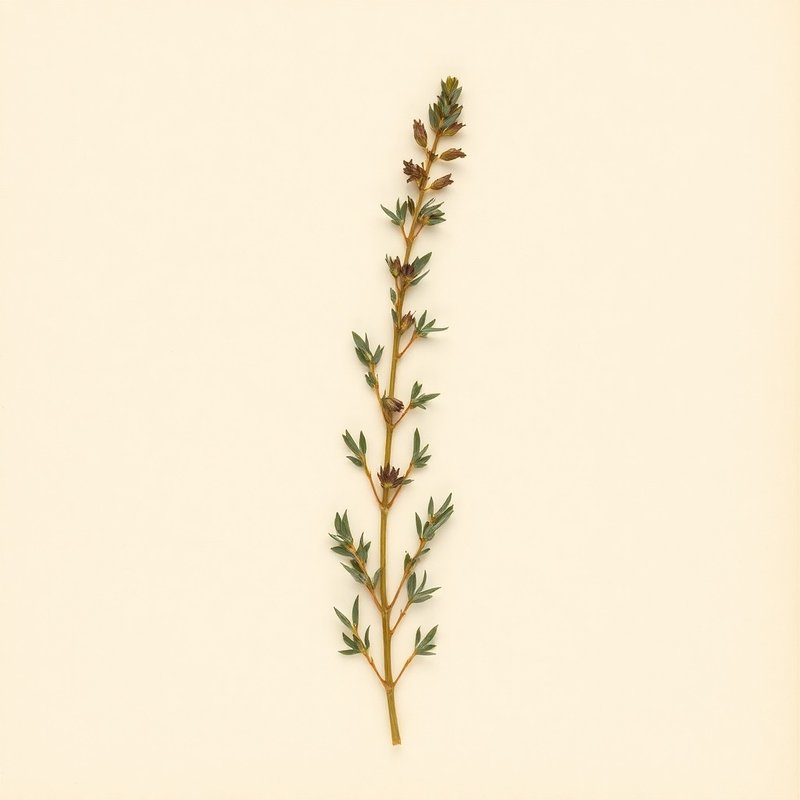
Pl. D67F — Salvia rosmarinus
Salvia rosmarinusSalvia rosmarinusSalvia rosmarinusSalvia rosmarinusSalvia rosmarinusSalvia rosmarinusSalvia rosmarinusSalvia rosmarinusSalvia rosmarinusSalvia rosmarinusSalvia rosmarinusSalvia rosmarinusSalvia rosmarinusSalvia rosmarinus
IOverview
Overview
Rosemary (Salvia rosmarinus) is a perennial shrub or subshrub known for its aromatic leaves and widespread use in culinary applications. Native to the Mediterranean region, including Albania, Algeria, Cyprus, Egypt, France, Greece, Italy, Morocco, Portugal, Spain, Tunisia, Turkey, and Yugoslavia, rosemary thrives in full sun and well-draining soil with a pH between 5 and 7.5. It can grow up to 1.5 meters tall and 1.2 meters wide, making it an attractive addition to gardens for both its ornamental value and edible leaves. The plant's light green foliage and blue flowers make it a popular choice among gardeners. Rosemary is commonly used in cooking, often added fresh or dried to enhance the flavor of dishes. It can be used raw in salads or cooked in stews and roasted meats. Dried leaves are also steeped to make a flavorful tea. The aromatic leaves add a distinctive taste to various culinary applications. Rosemary thrives in dry conditions but benefits from regular watering during dry periods. In traditional use, rosemary appears in herbal sources around clarity and study-routine traditions, often as a tea. PlantSage presents this as ethnobotanical context, not as medical advice. This plant is adaptable to various moisture levels but prefers dry conditions. It can be propagated by cuttings in spring or division in fall. Rosemary is hardy in zones 6-11 and requires protection in colder climates. Rosemary's ornamental value extends beyond its culinary uses. Its multiple stems, fine foliage texture, and attractive blue flowers make it suitable for borders or hedges. It also attracts insects to the garden.
Quick answers
What is Rosemary?
Rosemary (Salvia rosmarinus) is a perennial shrub or subshrub known for its aromatic leaves and widespread use in culinary applications.
What is Rosemary used for?
Traditionally used for energy & focus. Each claim is evidence-rated — see Section II for full citations.
Best for
Top 1 evidence-ranked use of Rosemary
Clinicaluses · safety · chemistry · dosagemedicinal profile
IIBenefits & evidence
1 claim · traditional-use context
Benefits & evidence
1 claim · traditional-use contextTraditional-use context
These notes are presented as ethnobotanical context. No cited clinical references are catalogued for this plant yet.
- Traditional-use note: Rosemary appears in herbal sources around clarity and study-routine traditions, often as a tea. PlantSage presents this as ethnobotanical context, not as medical advice.
Traditional context only. This reviewed claim keeps the original low confidence level, but avoids treatment, disease, dosage, or guaranteed-effect language.
▲ LimitedEnergy & focus →
IV·bMixology suggestions
1 draft
Mixology suggestions
1 draftEditorial drafts. These pairings are AI-suggested from traditional herbal lore. Always verify with a qualified herbalist before brewing.
Rosemary support blend
generaltea
AI returned a direct ingredient list; normalized into one draft blend for editorial review.
Growingconditions · propagation · uses
VCultivation
Cultivation
Rosemary thrives in full sun and prefers well-draining soil with a pH between 5 and 7.5. It is drought-tolerant but benefits from regular watering during dry periods. This perennial shrub can grow up to 1.5 meters tall and 1.2 meters wide, making it suitable for borders or hedges. Propagate by cuttings in spring or division in fall. Rosemary is hardy in zones 6-11, so it requires protection in colder climates. Harvest the leaves for culinary use throughout the growing season.
Light
Full sun
Water
Dry, Moist
Soil
Light (sandy), Medium
Hardiness
6-11
Life cycle
Perennial
Habit
Shrub, Subshrub
Mature size
1.5 m × 1.2 m
Soil pH
5–7.5
For first-time growers
How to grow Rosemary for the first time
8steps
Start with a simple, low-maintenance rosemary plant for your beginner garden.
- 1
What you'll need
A rosemary plant or seeds, potting soil, a container with drainage holes.
- 2
Best time to plant
Plant in spring after the last frost or start seeds indoors about 6 weeks before the last frost.
- 3
Soil and container prep
Use well-draining soil. For containers, choose a pot at least 12 inches wide with drainage holes.
- 4
Sowing or transplanting
Transplant outdoor plants after all danger of frost has passed. Sow seeds indoors under bright light.
- 5
First two weeks
Keep the soil moist but not waterlogged during germination and early growth. Place in a sunny spot.
- 6
Ongoing care
Place rosemary in full sun, water when dry, and fertilize sparingly with a balanced fertilizer.
- 7
Harvest or pruning
Prune regularly to encourage bushy growth and remove any dead or yellowing leaves.
- 8
Common mistakes
Overwatering, planting in heavy soil, not providing enough sunlight, neglecting regular pruning.
VIEdible & utility
Edible & utility
Edible parts:Leaves
Edible uses: Rosemary leaves are commonly used in cooking, often added fresh or dried to enhance the flavor of dishes. They can be used raw in salads or cooked in stews and roasted meats. Dried leaves are also steeped to make a flavorful tea. The aromatic leaves add a distinctive taste to various culinary applications.
Other uses:Attracts insectsHedgerow
Contextrange · companions · related
VIIDistribution
19 native · 14 introduced
Distribution
19 native · 14 introducedDistribution across3 continents· 19 native· 14 introduced
Europe13 regions
native (7)AlbaniaCyprusFranceGreeceItalyPortugalSpain
introduced (6)BulgariaGermanyPortugalSpainUkraineUnited Kingdom
Asia1 region
native (1)Turkey
Africa6 regions
native (5)AlgeriaEgyptLibyaMoroccoTunisia
introduced (1)Cabo Verde
Broader regions
native:East Aegean Is., Yugoslavia
introduced:Bermuda, Kriti, Mexico Central, Mexico Southwest, Texas, Trinidad-Tobago
VIIIGarden companions
1 pair
Garden companions
1 pairKeep away from these
Avoid planting nearby — competition, allelopathy, or shared pests/diseases.
IXSpecimen gallery
1 image
Specimen gallery
1 imageXSee also
8 related
See also
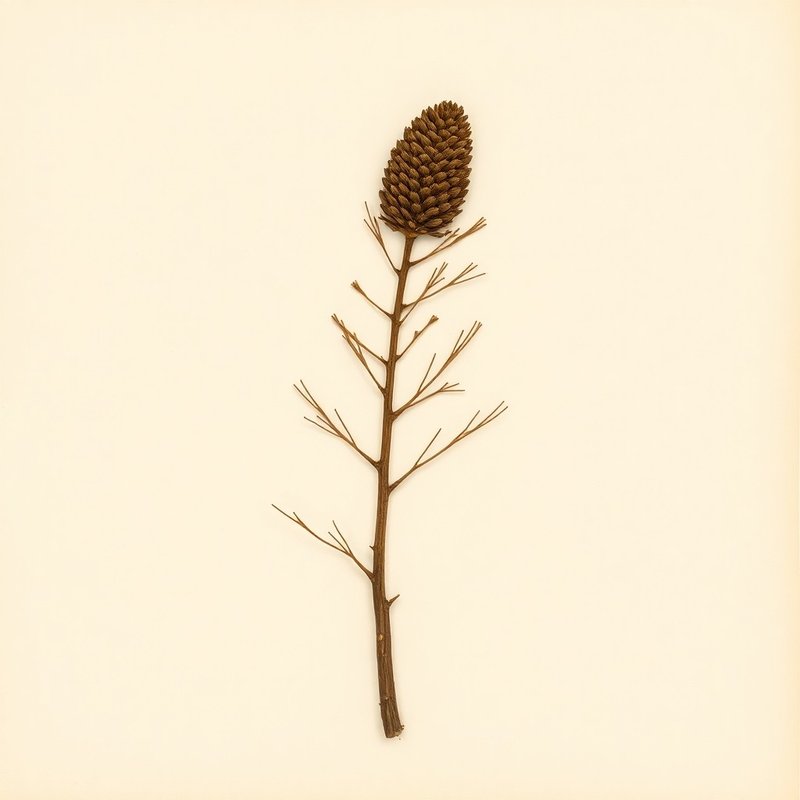
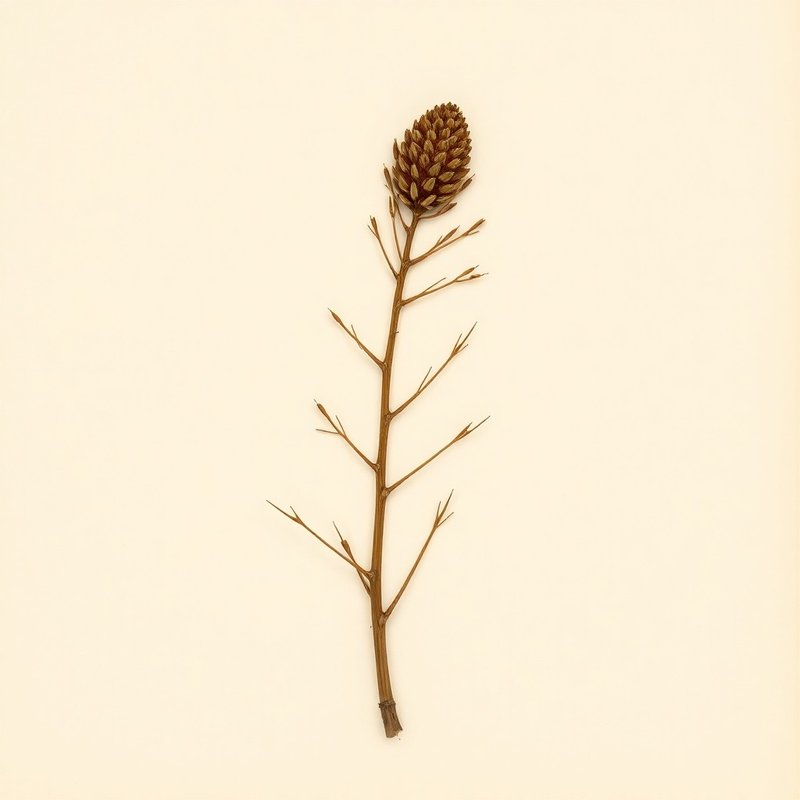
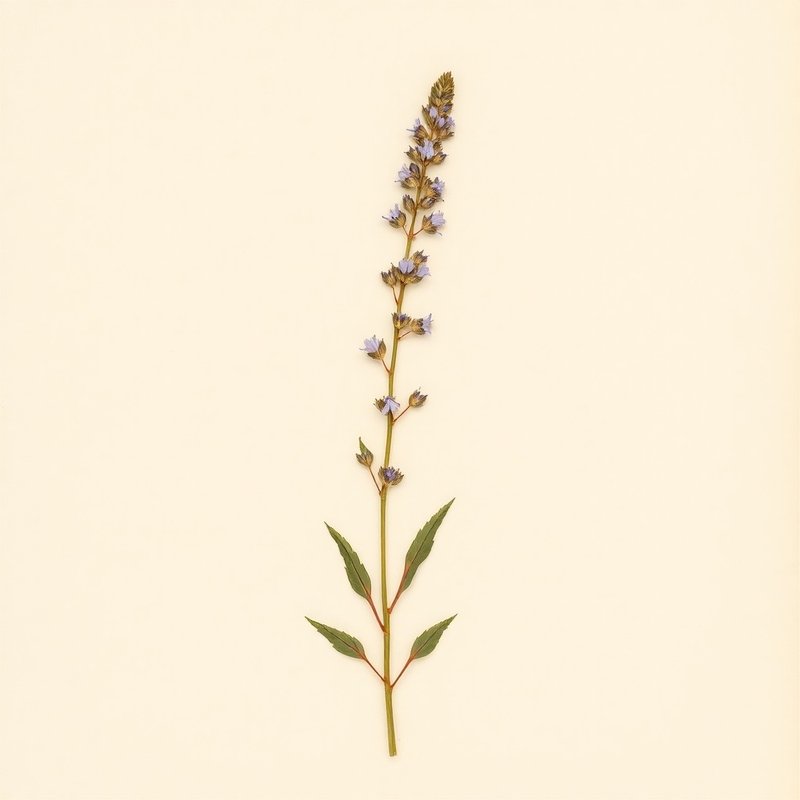
8 relatedPlants you might compare or use together — scored by shared family, common use cases, and growing requirements.
shared use cases
Different families, similar therapeutic role — good for comparing.

XI
Explore further
Companion planting
Health goals
Compare with similar plants
Growing zone
XII
About this entry
- Last updated
- Citation
- How to cite this entry · Submit a correction
Back to the cataloguePlant id · d67f07fe-8e16-4863-a496-5a8d5c444c65
Decision aid
Choosing between Rosemary and something else?
Continue reading
❦❦❦❦
Endpaper · archive updates
Get archive updates
Occasional email when substantial new content lands — plant profiles, seasonal growing notes, folk-remedy additions. Free, no tracking, unsubscribe anytime.
Newsletter returning soon.
We are rebuilding the update list around a lightweight editorial workflow. New dispatches will resume after the next content review cycle.