
Cucumis sativus
Cucumis sativus
Educational content — not medical, botanical, or professional advice. Always consult a qualified clinician before using any herbal preparation — especially during pregnancy, breastfeeding, while on medication, or for children. How we source & review →

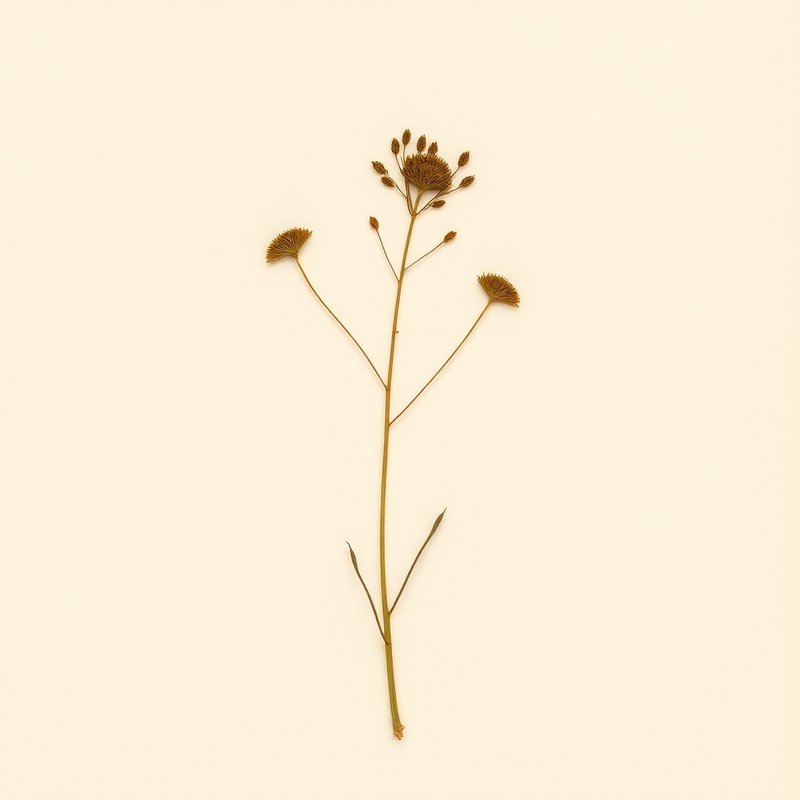
Pl. 1C17 — Cucumis sativus
Cucumis sativusCucumis sativusCucumis sativusCucumis sativusCucumis sativusCucumis sativusCucumis sativusCucumis sativusCucumis sativusCucumis sativusCucumis sativusCucumis sativusCucumis sativusCucumis sativus
IOverview
Overview
Cucumis sativus, commonly known as cucumber, is a vine that thrives in full sun and moist soil, preferring light to heavy textures. Native to regions including Assam, Bangladesh, China South-Central, East Himalaya, Myanmar, Nepal, and Thailand, this annual plant can grow up to 2 meters tall with a spread of about 0.9 meters. Cucumis sativus is both edible and medicinal, known for its fruit, leaves, and seeds which are often used in various applications. One distinctive feature of the cucumber plant is its ability to produce light green fruits that are cylindrical and smooth-skinned, making it a popular choice for gardens not only for its culinary uses but also for its ornamental value.
Quick answers
What is Cucumis sativus?
Cucumis sativus, commonly known as cucumber, is a vine that thrives in full sun and moist soil, preferring light to heavy textures. Native to regions including Assam, Bangladesh, China South-Central, East Himalaya, Myanmar, Nepal, and Thailand, this annual plant can grow up to 2 meters tall with a spread of about 0.
What is Cucumis sativus used for?
Traditionally used for digestion, topical & skin. Each claim is evidence-rated — see Section II for full citations.
Best for
Top 2 evidence-ranked uses of Cucumis sativus
Clinicaluses · safety · chemistry · dosagemedicinal profile
IIBenefits & evidence
2 claims · 0 sources
Benefits & evidence
2 claims · 0 sources- Cucumis sativus has been traditionally used in Ayurveda to support digestion and alleviate digestive discomfort, often consumed as a fresh fruit or juice.
The high water content and mild diuretic properties of cucumbers may help promote healthy digestion by increasing hydration and supporting the elimination of waste products. However, specific compounds responsible for this effect are not fully characterised.
- Cucumis sativus is traditionally used in skincare to soothe and hydrate the skin, often applied topically as a fresh slice or juice.
The high water content and presence of antioxidants like vitamin C and caffeic acid may help reduce inflammation and provide hydration. However, specific mechanisms are not fully characterised.
IV·bMixology suggestions
1 draft
Mixology suggestions
1 draftEditorial drafts. These pairings are AI-suggested from traditional herbal lore. Always verify with a qualified herbalist before brewing.
Cucumis sativus support blend
generaltea
AI returned a direct ingredient list; normalized into one draft blend for editorial review.
Growingconditions · propagation · uses
VCultivation
Cultivation
Cucumis sativus thrives in full sun and requires moist soil that can be light (sandy), medium, or heavy (clay). It is hardy in zones 9-11, making it suitable for temperate regions. Sow seeds directly outdoors one week after the last frost, spacing them about 23 cm apart. The plant grows up to 2 meters tall and 0.9 meters wide, thriving as a vine. For best results, propagate via seed—either direct sow or transplant. Harvest fruit, leaves, and seeds for use in various applications.
Light
Full sun
Water
Moist
Soil
Light (sandy), Medium, Heavy (clay)
Hardiness
9-11
Life cycle
Annual
Habit
Forb/herb, Vine
Mature size
2 m × 0.9 m
- Propagation
- Seed - direct sow, Seed - transplant
- Sow outdoors
- 1 week after last frost
- Sow indoors
- 2-3 weeks before last frost
- Days to maturity
- 50-65
- Spacing
- 23cm
For first-time growers
How to grow Cucumis sativus for the first time
8steps
Start with direct sowing for a simple and rewarding beginner project.
- 1
What you'll need
Seeds, garden soil, compost, a trowel, watering can.
- 2
Best time to plant
Plant after the last frost in your area, when temperatures are consistently above 15°C (60°F).
- 3
Soil and container prep
Choose a spot with full sun. Amend soil with compost for rich nutrients.
- 4
Sowing or transplanting
Direct sow seeds 2-3 cm deep, spaced about 23cm apart in rows 60cm apart. Ensure good drainage.
- 5
First two weeks
Keep soil consistently moist and mulch to retain moisture. Watch for pests like aphids.
- 6
Ongoing care
Water regularly, especially during dry spells. Provide support with a trellis or cage as vines grow.
- 7
Harvest or pruning
Prune occasionally to encourage more fruiting and remove yellow leaves for better air circulation.
- 8
Common mistakes
Overwatering, planting too close together, neglecting support structures, not removing dead leaves.
VIEdible & utility
Edible & utility
Edible parts:FruitLeavesSeed
Edible uses: Oil
Other uses:Cosmeticoil
Contextrange · companions · related
VIIDistribution
9 native · 21 introduced
Distribution
9 native · 21 introducedDistribution across3 continents· 9 native· 21 introduced
Europe1 region
introduced (1)Albania
Asia7 regions
native (6)BangladeshChinaIndiaMyanmarNepalThailand
introduced (1)Laos
Americas5 regions
introduced (5)BahamasCosta RicaDominican RepublicHaitiJamaica
Broader regions
native:West Himalaya, East Himalaya
introduced:Cayman Is., Illinois, Kansas, Caroline Is., Arizona, Gulf of Guinea Is., Marshall Is., Marianas, Florida, Louisiana, Leeward Is., Kentucky, Arkansas, Andaman Is.
VIIIGarden companions
22 pairs
Garden companions
22 pairsPlant near these
These plants help — by repelling pests, fixing nitrogen, attracting pollinators, or sharing space well.
Flat bean
Phaseolus vulgaris
Nitrogen fixer
Beans fix nitrogen and share vertical space well with cucumber trellises.
Zea mays
Zea mays
Shade provider
Corn can provide light shade and structure for sprawling cucumbers.
Nasturtium
Tropaeolum majus
Pest repellentTrap crop
Nasturtium deters cucumber beetle.
Common Sunflower
Helianthus annuus
Shade provider
Sunflower provides trellis + dappled shade.
Aniseedy celery
Anethum graveolens
Pollinator-friendly
Flowering dill attracts hoverflies and parasitic wasps near cucumbers.
Yarrow
Achillea millefolium
Pollinator-friendly
Lower-confidence guild pairing: insectary flowers support pollinators, hoverflies, and parasitic wasps around mixed vegetable beds.
Borage
Borago officinalis
Pollinator-friendly
Lower-confidence guild pairing: insectary flowers support pollinators, hoverflies, and parasitic wasps around mixed vegetable beds.
Pot marigold
Calendula officinalis
Pollinator-friendly
Lower-confidence guild pairing: insectary flowers support pollinators, hoverflies, and parasitic wasps around mixed vegetable beds.
Anise Hyssop
Agastache foeniculum
Pollinator-friendly
Lower-confidence guild pairing: insectary flowers support pollinators, hoverflies, and parasitic wasps around mixed vegetable beds.
Fagopyrum esculentum
Fagopyrum esculentum
Pollinator-friendly
Lower-confidence guild pairing: insectary flowers support pollinators, hoverflies, and parasitic wasps around mixed vegetable beds.
Hyssop
Hyssopus officinalis
Pest repellent
Lower-confidence guild pairing: aromatic foliage can confuse pests in dense polyculture beds when spacing and airflow are maintained.
Garlic
Allium sativum
Pest repellent
Lower-confidence guild pairing: aromatic foliage can confuse pests in dense polyculture beds when spacing and airflow are maintained.
Chives
Allium schoenoprasum
Pest repellent
Lower-confidence guild pairing: aromatic foliage can confuse pests in dense polyculture beds when spacing and airflow are maintained.
Artemisia dracunculus
Artemisia dracunculus
Pest repellent
Lower-confidence guild pairing: aromatic foliage can confuse pests in dense polyculture beds when spacing and airflow are maintained.
White Clover
Trifolium repens
Living mulch
Lower-confidence guild pairing: low ground covers protect soil, reduce bare patches, and can be cut back if they compete.
Radish
Raphanus sativus
Trap crop
Lower-confidence guild pairing: trap crops can draw aphids or flea beetles away from the main crop when monitored and removed if overloaded.
Lactuca sativa
Lactuca sativa
Shade provider
Cucumber vines can cast light shade over lettuce in warm weather.
Keep away from these
Avoid planting nearby — competition, allelopathy, or shared pests/diseases.
IXSpecimen gallery
1 image
Specimen gallery
1 imageXSee also
8 related
See also
8 relatedPlants you might compare or use together — scored by shared family, common use cases, and growing requirements.
shared use cases
Different families, similar therapeutic role — good for comparing.



XI
Explore further
Companion planting
Health goals
Compare with similar plants
Growing zone
XII
About this entry
- Last updated
- Citation
- How to cite this entry · Submit a correction
Back to the cataloguePlant id · 1c17d33a-9889-4edd-8e9a-3a0b07837c99
Decision aid
Choosing between Cucumis sativus and something else?
Continue reading
❦❦❦❦
Endpaper · archive updates
Get archive updates
Occasional email when substantial new content lands — plant profiles, seasonal growing notes, folk-remedy additions. Free, no tracking, unsubscribe anytime.