
Salvia verbenaca
IOverview
Overview
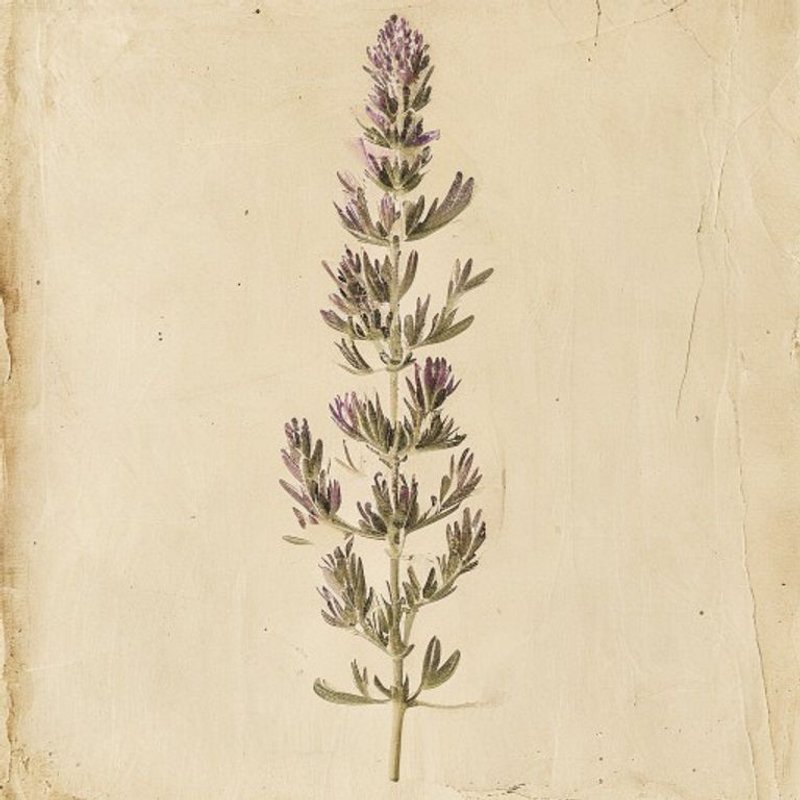
Salvia verbenaca, commonly known as verbena sage, is a perennial herb belonging to the Lamiaceae family. Native to a wide range of Mediterranean regions including Albania, Algeria, Bulgaria, and various islands such as Corsica and Cyprus, this plant thrives in a variety of climates. It can grow up to 0.6 meters tall and prefers light (sandy) or medium soil with a pH between 7.5 and 8, making it suitable for both dry and moist conditions. Verbena sage is valued for its culinary and medicinal uses, with its edible parts including the flowers and leaves. The plant's light, airy habit can add ornamental value to gardens or landscapes. Verbena sage is known for its versatility, as it can be used as a condiment and brewed into a tea. Its introduction into regions such as Alabama, Argentina, California, and China demonstrates its adaptability. While the plant is not specifically noted for its drought-resistant qualities, it does benefit from well-draining soil and can tolerate some dry spells. Hardy in zones 5-9, it can be propagated through division or seed sowing. Although no specific compounds or benefits are listed, verbena sage's traditional uses suggest potential medicinal properties, though caution is advised when considering its use in any treatment or remedy.
What is Salvia verbenaca?
Salvia verbenaca, commonly known as verbena sage, is a perennial herb belonging to the Lamiaceae family. Native to a wide range of Mediterranean regions including Albania, Algeria, Bulgaria, and various islands such as Corsica and Cyprus, this plant thrives in a variety of climates.
IV·bMixology suggestions
2 drafts
Mixology suggestions
2 draftsVCultivation
Cultivation
How to grow Salvia verbenaca for the first time
Start with Skip as a simple, low-maintenance perennial for your garden.
- 1
What you'll need
A small Skip plant or seeds, suitable soil, and a container if planting in pots.
- 2
Best time to plant
Plant Skip in spring after the last frost or in fall before the first freeze.
- 3
Soil and container prep
Use well-draining soil with a pH between 7.5–8, ensuring it's light (sandy) to medium.
- 4
Sowing or transplanting
Transplant Skip from containers into the garden or sow seeds directly where you want them to grow.
- 5
First two weeks
Water regularly to keep the soil moist but not waterlogged, and protect from extreme heat or cold.
- 6
Ongoing care
Provide light (sandy) to medium soil and regular watering. Prune back after flowering for better growth next year.
- 7
Harvest or pruning
Prune Skip regularly to encourage bushy growth, removing dead flowers and stems as needed.
- 8
Common mistakes
Overwatering, planting in heavy soil, neglecting regular pruning, not providing enough light, and waiting too long to prune.
VIEdible & utility
Edible & utility
VIIDistribution
34 native · 29 introduced
Distribution
34 native · 29 introducedIXSpecimen gallery
1 image
Specimen gallery
1 imageXSee also
8 related
See also
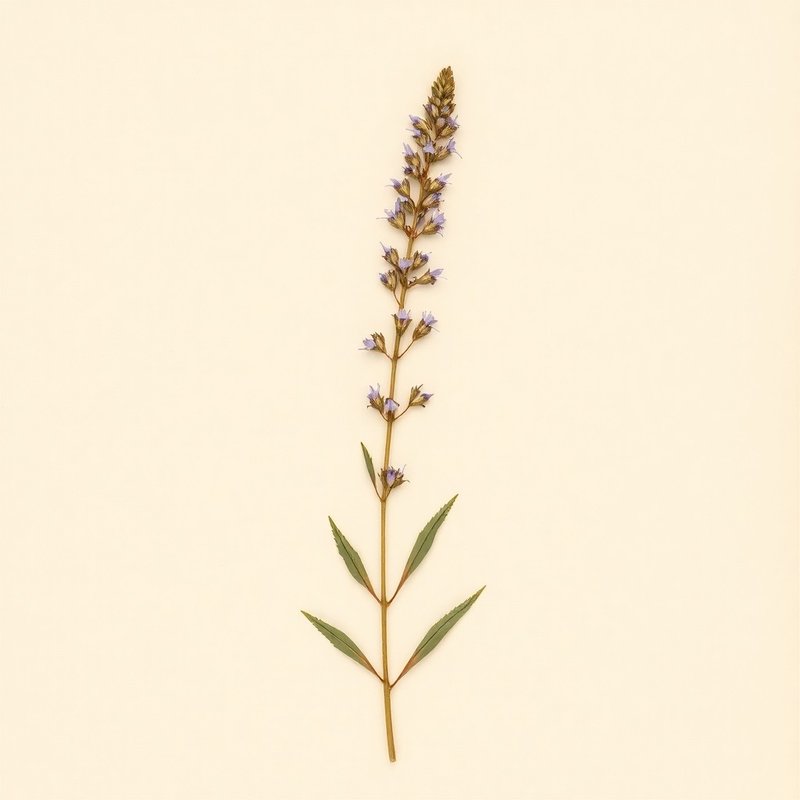
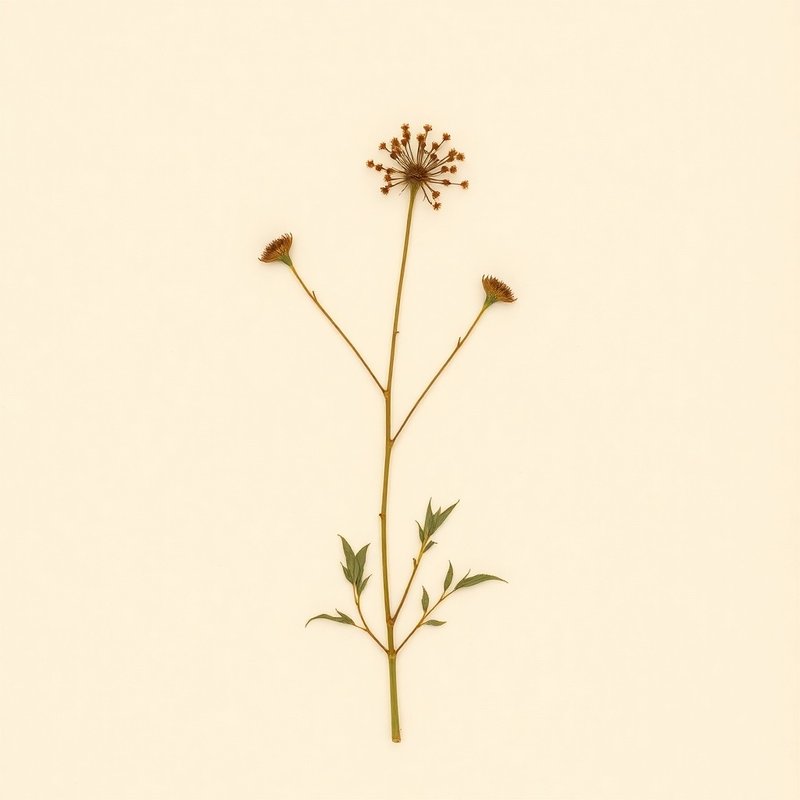
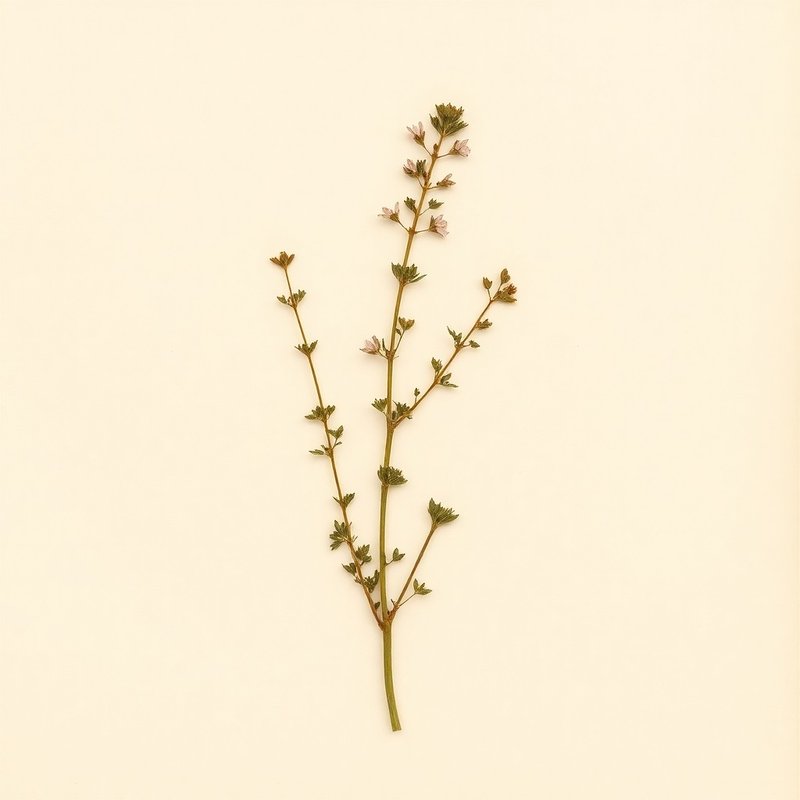
8 relatedPlants you might compare or use together — scored by shared family (Lamiaceae), common use cases, and growing requirements.
Explore further
About this entry
- Last updated
- Citation
- How to cite this entry · Submit a correction
Continue reading
Get archive updates
Occasional email when substantial new content lands — plant profiles, seasonal growing notes, folk-remedy additions. Free, no tracking, unsubscribe anytime.