
Asparagus dauricus
IOverview
Overview
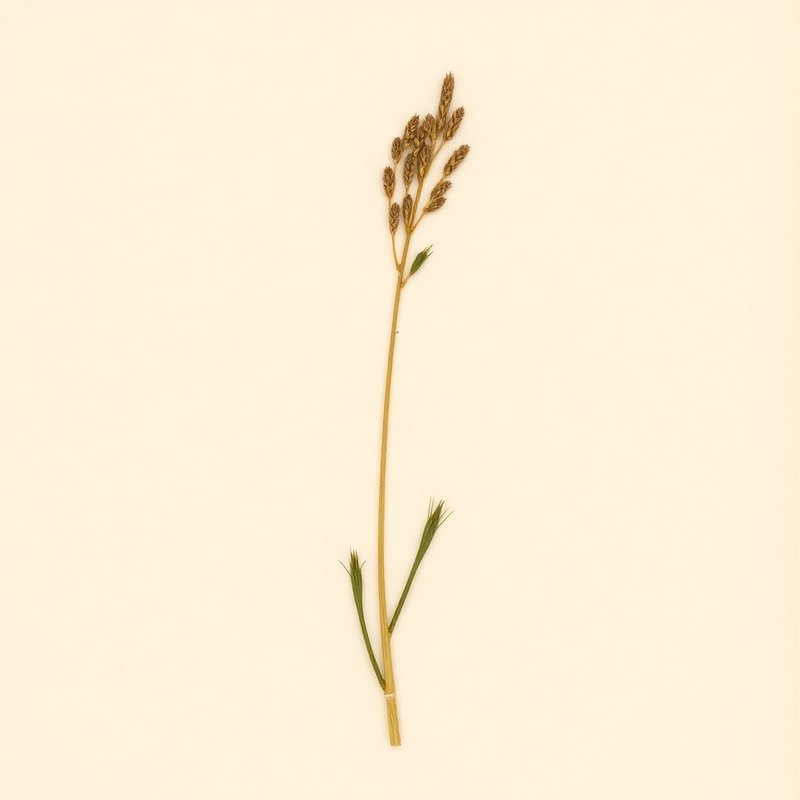
Asparagus dauricus, a perennial plant belonging to the Lamiaceae family, is native to regions including Amur, China North-Central, and Manchuria. This asparagus species thrives in full sun and prefers well-draining soil that is light (sandy) or medium. It can tolerate dry conditions but benefits from moist soil during the growing season. A. dauricus reaches a height of 0.6 meters and is notable for its edible shoots and stems, which are typically harvested when young and tender for cooking or raw consumption. These parts can be prepared by steaming, stir-frying, or pickling to enhance their flavor and texture. In addition to its culinary uses, A. dauricus has medicinal value, though its specific benefits and compounds are not detailed here. The plant's adaptability makes it suitable for cultivation in various environments within its native range, including gardens and natural settings. Its presence in regions such as Amur, China North-Central, Chita, Inner Mongolia, Korea, Manchuria, and Mongolia highlights its widespread distribution and ecological significance. While A. dauricus is not introduced into new regions, its dual utility in both culinary and traditional medicine practices underscores its importance.
What is Asparagus dauricus?
Asparagus dauricus, a perennial plant belonging to the Lamiaceae family, is native to regions including Amur, China North-Central, and Manchuria. This asparagus species thrives in full sun and prefers well-draining soil that is light (sandy) or medium.
IV·bMixology suggestions
1 draft
Mixology suggestions
1 draftVCultivation
Cultivation
How to grow Asparagus dauricus for the first time
Start with Skip as a simple, low-maintenance perennial in your garden.
- 1
What you'll need
Skip plants, well-draining soil, mulch.
- 2
Best time to plant
Plant in early spring or late fall when the ground is not frozen.
- 3
Soil and container prep
Choose a location with full sun. Ensure the soil is light (sandy) to medium, well-draining.
- 4
Sowing or transplanting
Transplant Skip from nursery pots directly into the garden after all danger of frost has passed.
- 5
First two weeks
Water sparingly but ensure the soil does not dry out completely. Keep an eye for pests and diseases.
- 6
Ongoing care
Mulch around plants to retain moisture, keep weeds at bay, and provide light fertilization in early spring.
- 7
Harvest or pruning
Prune dead foliage in late winter before new growth emerges. Harvest shoots when they are 15-20 cm tall.
- 8
Common mistakes
Overwatering, planting too deep, neglecting to mulch.
VIEdible & utility
Edible & utility
VIIDistribution
8 native · 0 introduced
Distribution
8 native · 0 introducedIXSpecimen gallery
1 image
Specimen gallery
1 imageXSee also
8 related
See also
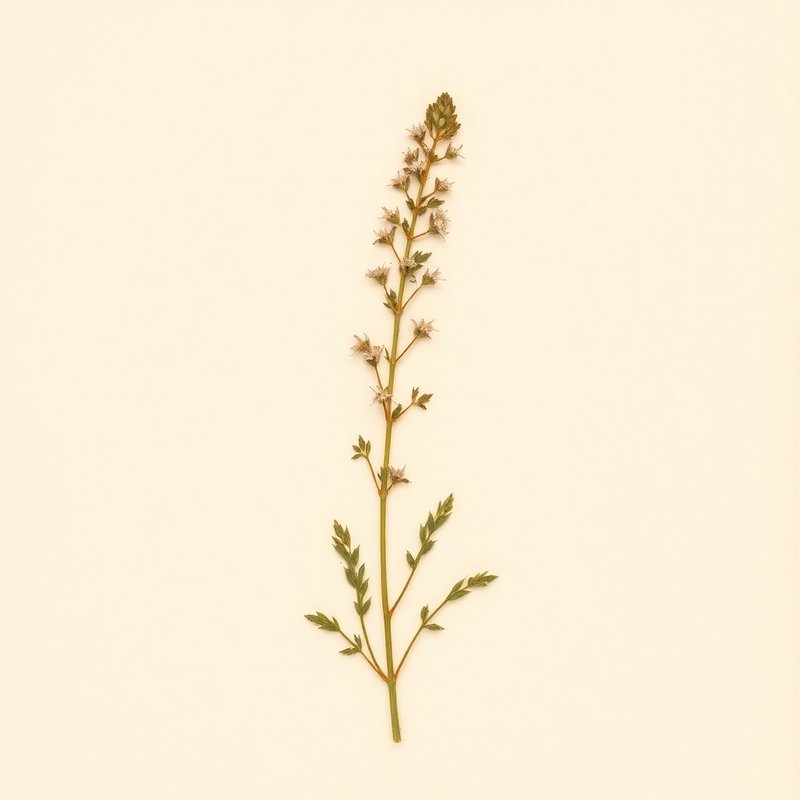
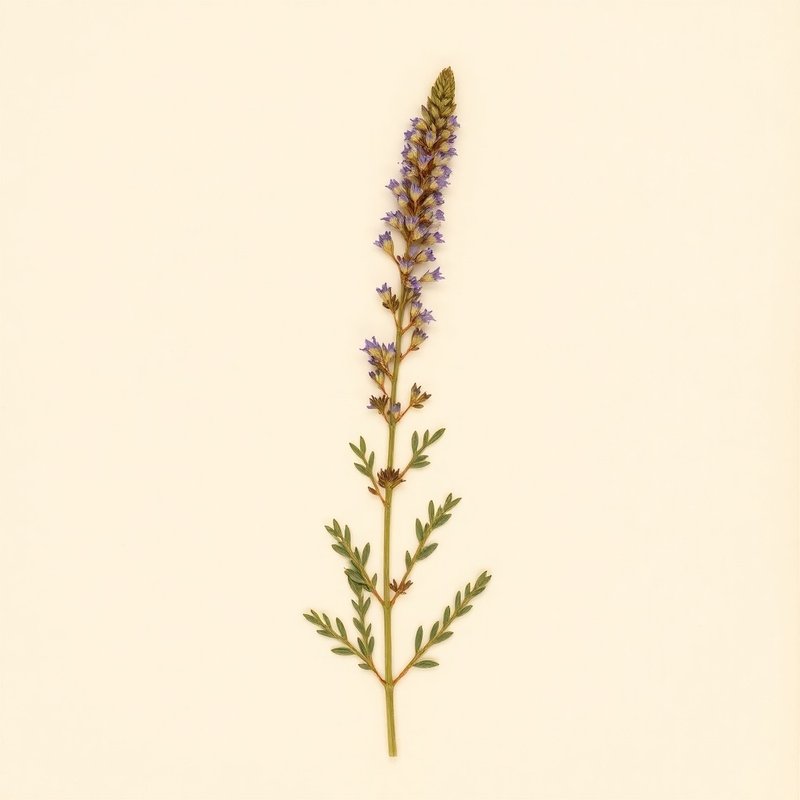
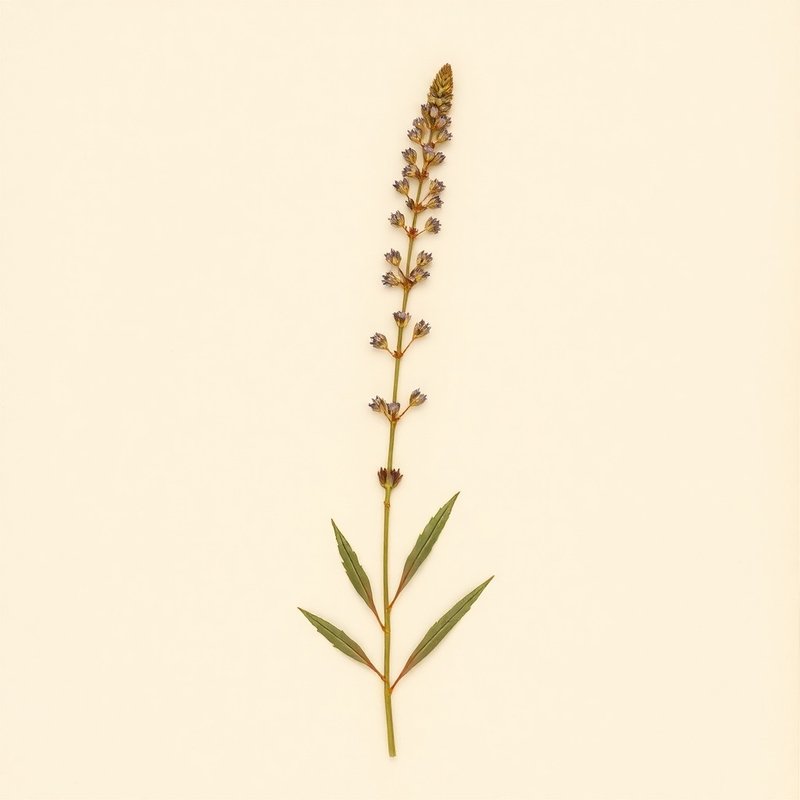
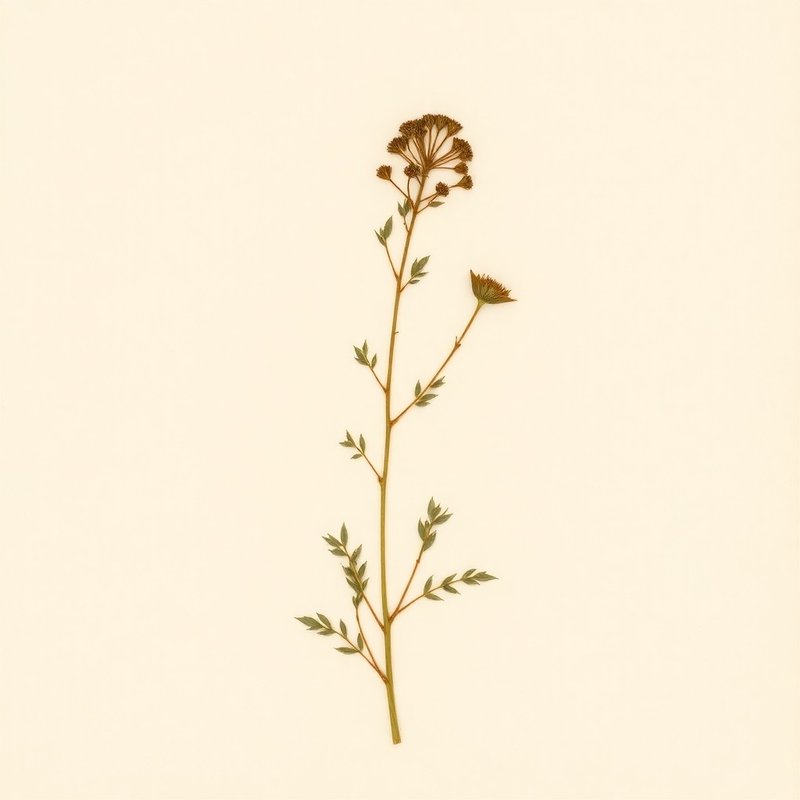
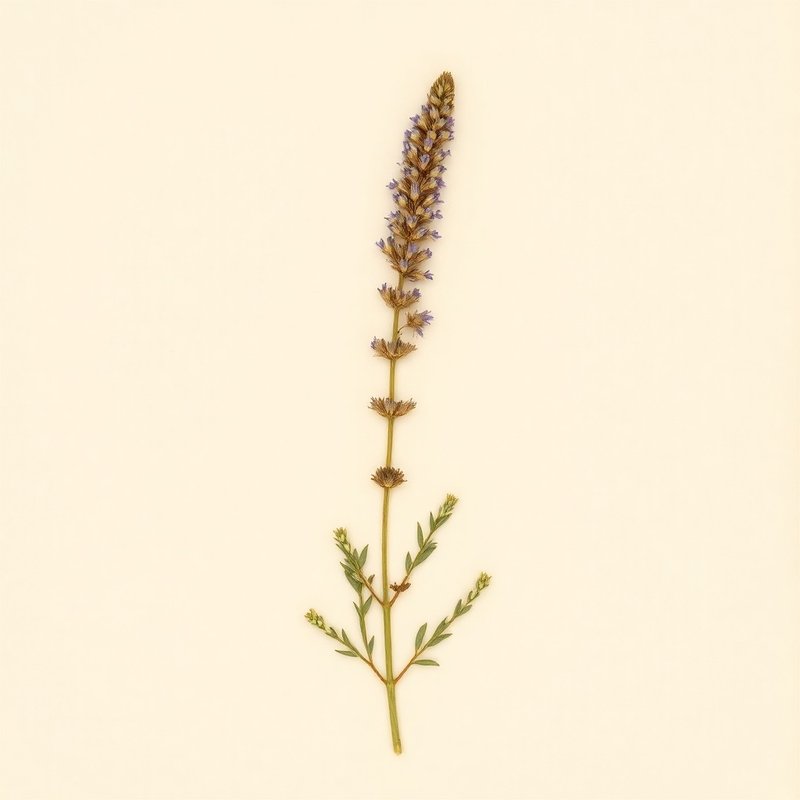
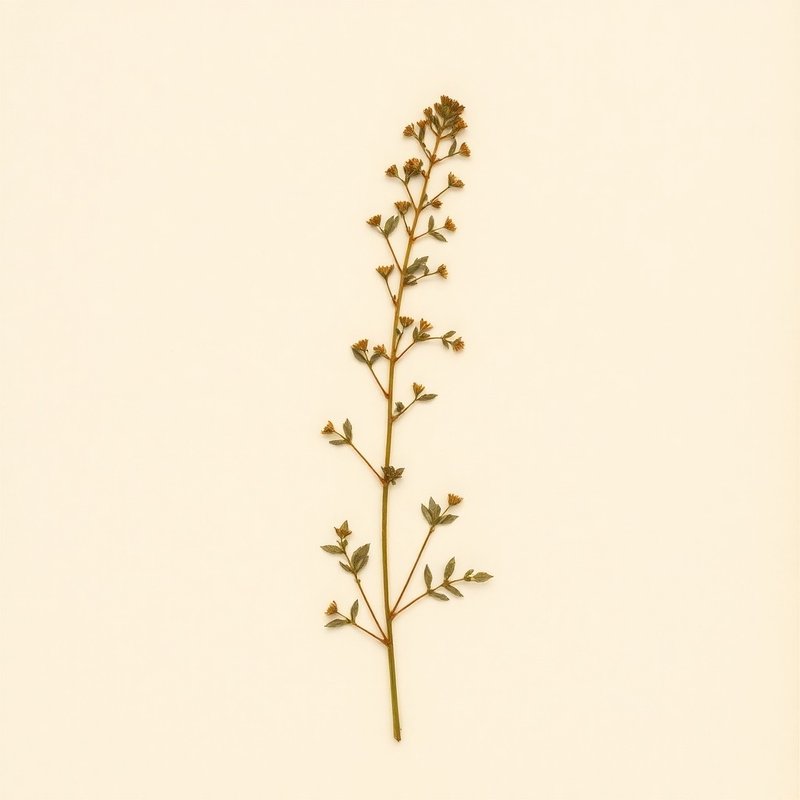
8 relatedPlants you might compare or use together — scored by shared family (Lamiaceae), common use cases, and growing requirements.

Explore further
About this entry
- Last updated
- Citation
- How to cite this entry · Submit a correction
Continue reading
Get archive updates
Occasional email when substantial new content lands — plant profiles, seasonal growing notes, folk-remedy additions. Free, no tracking, unsubscribe anytime.