
Basil Thyme
Acinos arvensisfam. Lamiaceae
Educational content — not medical, botanical, or professional advice. Always consult a qualified clinician before using any herbal preparation — especially during pregnancy, breastfeeding, while on medication, or for children. How we source & review →
Pl. E655 — Acinos arvensis
Acinos arvensisAcinos arvensisAcinos arvensisAcinos arvensisAcinos arvensisAcinos arvensisAcinos arvensisAcinos arvensisAcinos arvensisAcinos arvensisAcinos arvensisAcinos arvensisAcinos arvensisAcinos arvensis
IOverview
Overview
Basil Thyme (Acinos arvensis) is a member of the Lamiaceae family and thrives in various European and Asian habitats, from Albania to Ukraine, and even extends into regions like Iran and Turkey. This plant is both edible and medicinal, with documented uses for its leaves. It prefers full sun, can tolerate dry to moist conditions, and thrives in light or medium soil types. With a hardiness range of 4-8, it can be either an annual or perennial, reaching heights of about 0.2 meters. Its distinctive feature lies in its adaptability across diverse climates and its dual use as both a culinary herb and a medicinal plant.
Quick answers
What is Basil Thyme?
Basil Thyme (Acinos arvensis) is a member of the Lamiaceae family and thrives in various European and Asian habitats, from Albania to Ukraine, and even extends into regions like Iran and Turkey. This plant is both edible and medicinal, with documented uses for its leaves.
IV·bMixology suggestions
2 drafts
Mixology suggestions
2 draftsEditorial drafts. These pairings are AI-suggested from traditional herbal lore. Always verify with a qualified herbalist before brewing.
Stress Relief Blend
stresstincture
Historically used for calming the mind and reducing anxiety.
Digestive Comfort
digestiontea
Traditionally used to soothe digestive issues.
Growingconditions · propagation · uses
VCultivation
Cultivation
Basil Thyme thrives in full sun and prefers well-draining soil that is light (sandy) or medium. It can tolerate dry conditions but also benefits from moist soil. This plant is hardy in zones 4-8 and grows to a height of about 0.2 meters, making it suitable for both annual and perennial cultivation. Propagate via seeds or cuttings. Harvest the leaves for culinary use.
Light
Full sun
Water
Dry, Moist
Soil
Light (sandy), Medium
Hardiness
4-8
Life cycle
Annual, Perennial
Mature size
0.2 m tall
Seasonal calendar
Northern hemisphere · UTC month is September
winterspringsummerautumnwinter
BloomJFMAMJJASOND
For first-time growers
How to grow Basil Thyme for the first time
8steps
Start with a simple, sunny spot and basic soil to grow Basil Thyme successfully.
- 1
What you'll need
Seeds or small plants, potting mix, containers or garden space.
- 2
Best time to plant
Plant in spring after the last frost, or start seeds indoors a month before planting outside.
- 3
Soil and container prep
Use well-draining soil with some sand for better drainage. Containers should have holes for water to escape.
- 4
Sowing or transplanting
Direct sow seeds 1/4 inch deep, or plant small basil thyme plants in the garden or containers.
- 5
First two weeks
Water regularly but avoid overwatering. Keep soil moist until plants are established.
- 6
Ongoing care
Provide full sun and water when soil feels dry to touch. Pinch back tips to encourage bushy growth.
- 7
Harvest or pruning
Prune regularly by pinching off new growth to promote a fuller plant. Harvest leaves as needed for use in cooking.
- 8
Common mistakes
Overwatering, planting too deep, not providing enough sunlight, neglecting regular pruning.
VIEdible & utility
Edible & utility
Edible parts:Leaves
Edible uses: Condiment
Other uses:Ground cover
Contextrange · companions · related
VIIDistribution
30 native · 0 introduced
Distribution
30 native · 0 introducedDistribution across2 continents· 30 native
Europe17 regions
native (17)AlbaniaAustriaBelarusBelgiumBulgariaDenmarkFinlandFranceGermanyGreeceHungaryIrelandItalyRussiaSwitzerlandUkraineUnited Kingdom
Asia2 regions
native (2)IranTurkey
Broader regions
native:Altay, Transcaucasus, Turkey-in-Europe, Yugoslavia, Baltic States, Czechoslovakia, East Aegean Is., Krasnoyarsk
VIIIGarden companions
1 pair
Garden companions
1 pairPlant near these
These plants help — by repelling pests, fixing nitrogen, attracting pollinators, or sharing space well.
XSee also
8 related
See also
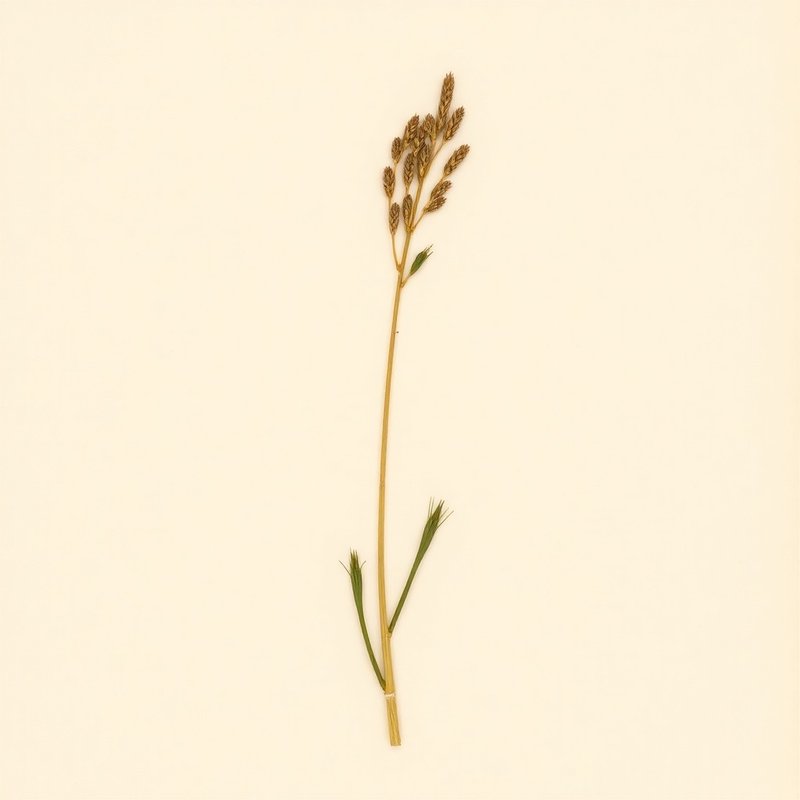
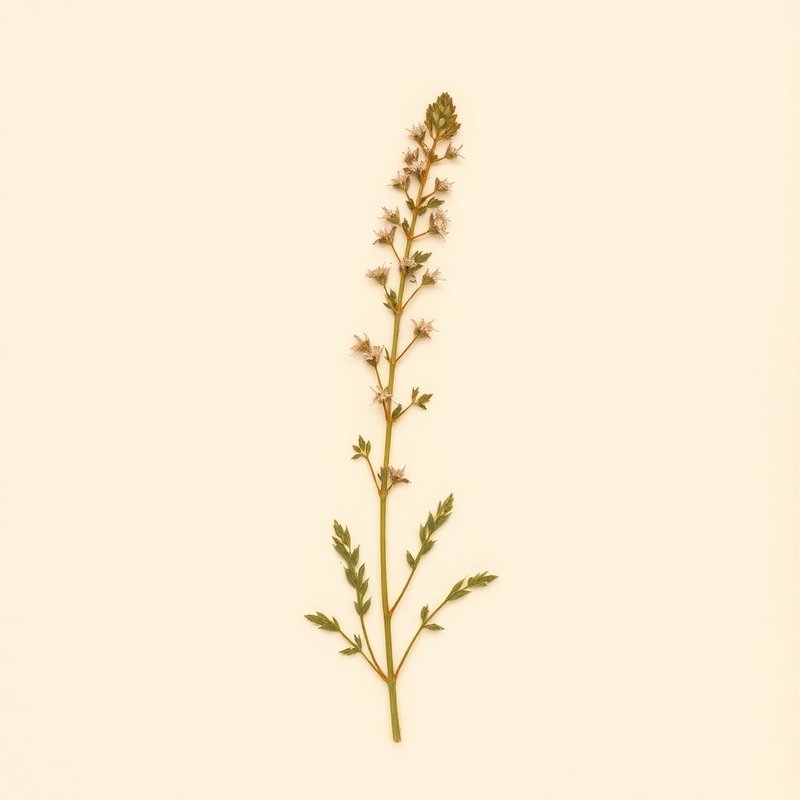
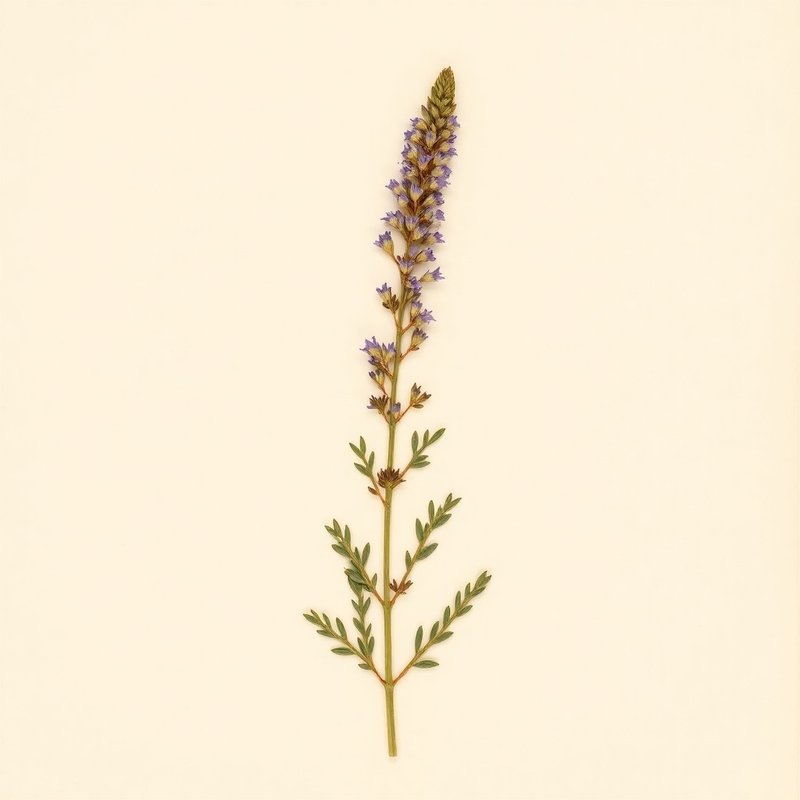
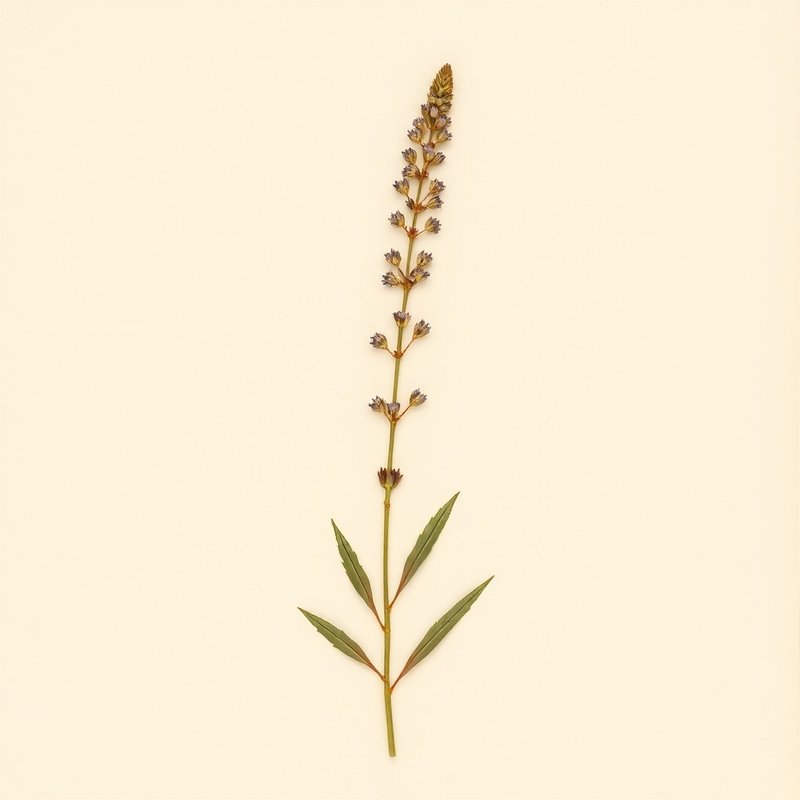
8 relatedPlants you might compare or use together — scored by shared family (Lamiaceae), common use cases, and growing requirements.
same family · Lamiaceae
Botanical relatives — often share phytochemistry + growing needs.
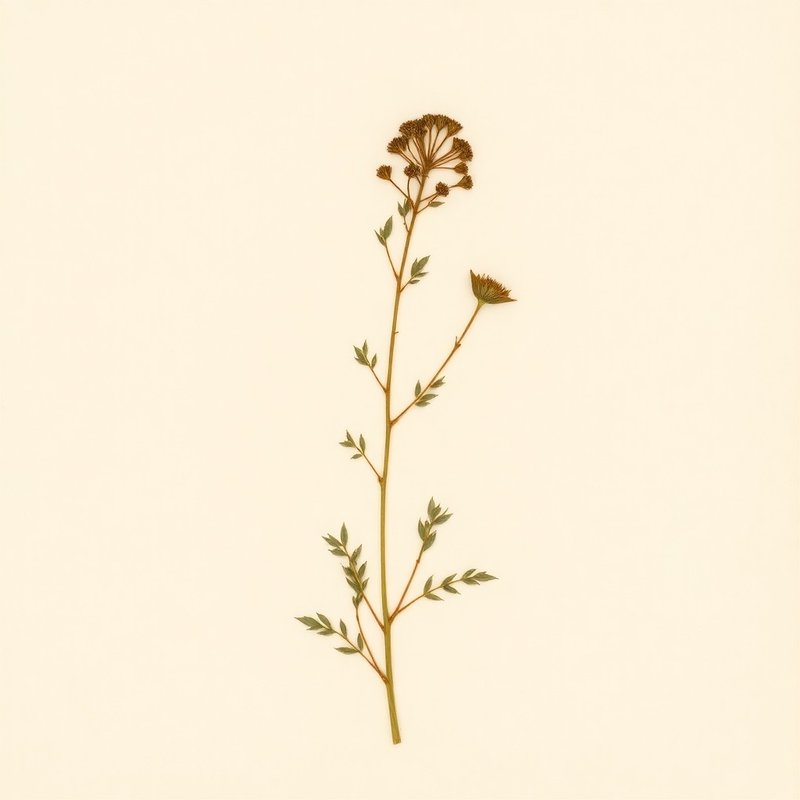

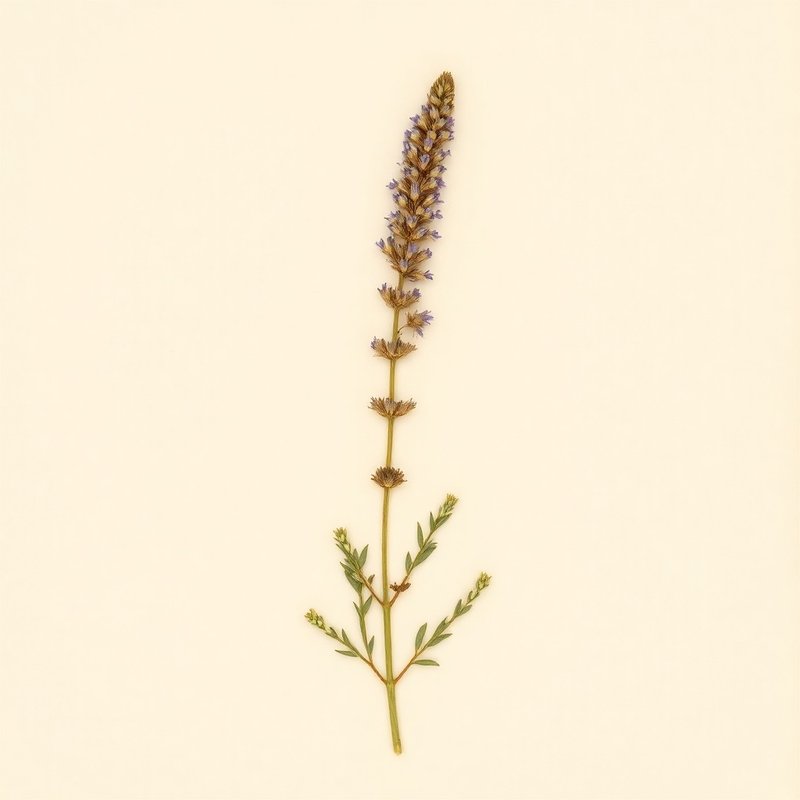
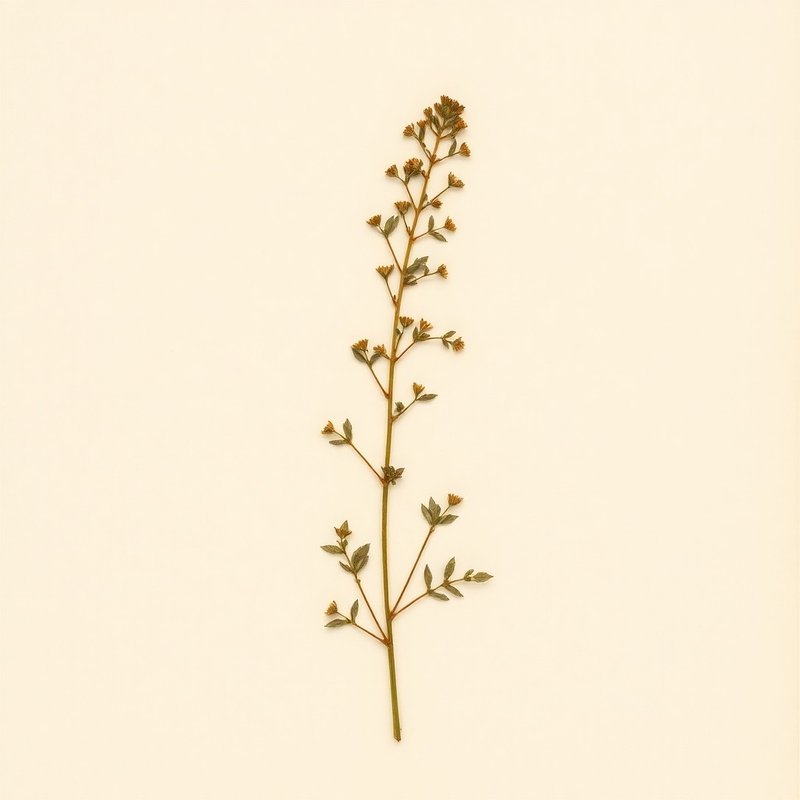
XI
Explore further
Companion planting
Compare with similar plants
Growing zone
XII
About this entry
- Last updated
- Citation
- How to cite this entry · Submit a correction
Back to the cataloguePlant id · e6555ce1-8ffc-4bd5-a74e-3fba8062243f
Decision aid
Choosing between Basil Thyme and something else?
Continue reading
❦❦❦❦
Endpaper · archive updates
Get archive updates
Occasional email when substantial new content lands — plant profiles, seasonal growing notes, folk-remedy additions. Free, no tracking, unsubscribe anytime.