
Rain Tree
Samanea samanfam. Fabaceae
Educational content — not medical, botanical, or professional advice. Plant identification, safety, and edibility depend on local conditions, cultivars, and correct identification. Consult a qualified botanist or forager before consuming or handling wild specimens. How we source & review →
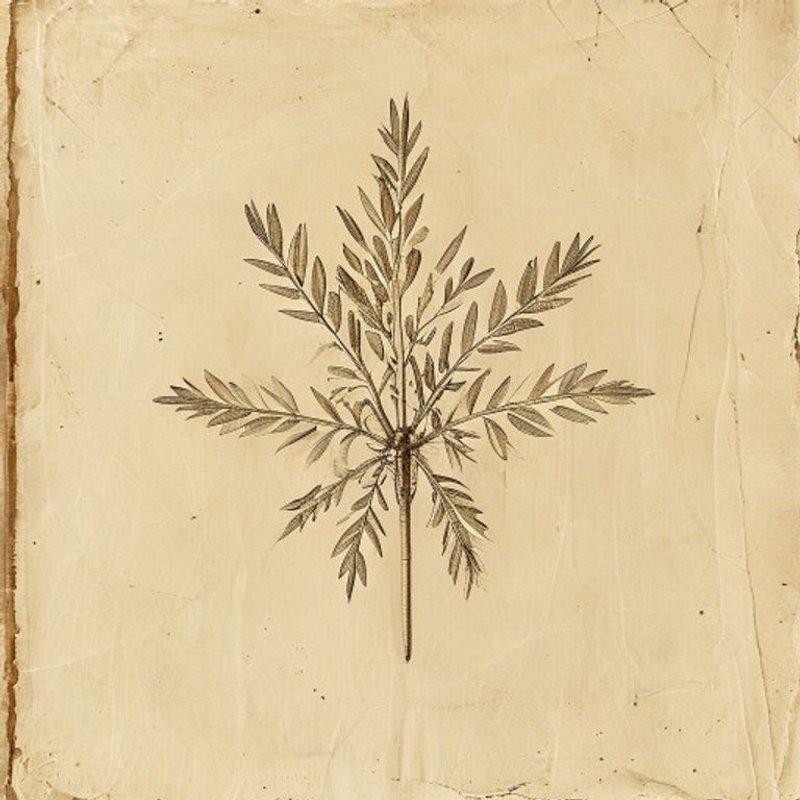
Pl. 879B — Samanea saman
Samanea samanSamanea samanSamanea samanSamanea samanSamanea samanSamanea samanSamanea samanSamanea samanSamanea samanSamanea samanSamanea samanSamanea samanSamanea samanSamanea saman
IOverview
Overview
The Rain Tree, scientifically known as Samanea saman and belonging to the Fabaceae family, is a large deciduous tree native to Central America and northern South America. It thrives in various habitats from dry to wet areas and can be found in full sun to partial shade. Known for its ornamental value due to its lush foliage and distinctive seedpods, this tree also serves as an important food source, with its seedpods being edible. The Rain Tree grows up to 20 meters tall and is adaptable to light (sandy), medium, and heavy (clay) soils, making it a versatile addition to landscapes in USDA hardiness zones 10-12.
Quick answers
What is Rain Tree?
The Rain Tree, scientifically known as Samanea saman and belonging to the Fabaceae family, is a large deciduous tree native to Central America and northern South America. It thrives in various habitats from dry to wet areas and can be found in full sun to partial shade.
Compare with:African Oil Bean Oil Bean Tree→African Walnut→Allanblackia parviflora→all comparisons →
Growingconditions · propagation · uses
VCultivation
Cultivation
The Rain Tree (Samanea saman) thrives in full to partial sun and prefers moist or wet soil types—light (sandy), medium, or heavy (clay). It is hardy in zones 10-12, making it suitable for tropical and subtropical climates. This tree requires regular watering but can tolerate dry conditions once established. For propagation, seeds from the seedpods can be used. With a height of up to 20 meters, the Rain Tree makes an impressive addition to gardens in its native range and similar climates.
Light
Full sun, Partial sun/shade
Water
Dry, Moist, Wet
Soil
Light (sandy), Medium, Heavy (clay)
Hardiness
10-12
Habit
Tree
Mature size
20.0 m tall
For first-time growers
How to grow Rain Tree for the first time
8steps
Start with a Rain Tree sapling for the easiest beginner experience.
- 1
What you'll need
A young Rain Tree sapling, well-draining soil, and a large container or planting space.
- 2
Best time to plant
Plant in spring when temperatures are consistently above 10°C (50°F) and there is no risk of frost.
- 3
Soil and container prep
Use a well-draining potting mix with some sand or perlite added for better drainage. Ensure the container has adequate drainage holes.
- 4
Sowing or transplanting
Transplant the sapling into its permanent location, ensuring it is planted at the same depth as in its nursery pot.
- 5
First two weeks
Water regularly to keep the soil moist but not waterlogged. Avoid direct sunlight for a few days after planting.
- 6
Ongoing care
Provide full sun or partial shade, depending on local conditions. Water deeply once a week during dry periods and fertilize lightly in spring.
- 7
Harvest or pruning
Prune young trees to shape them and remove any dead or damaged branches. Mature trees may require occasional shaping but are not typically harvested for fruit.
- 8
Common mistakes
Planting too deep, overwatering, neglecting drainage, exposing the tree to frost, and pruning at the wrong time of year.
VIEdible & utility
Edible & utility
Edible parts:Seedpod
Edible uses: Drink, Gum
Other uses:AlcoholFire starterContainersFencingAnimal feedGumResinLumberNitrogen fixer
Contextrange · companions · related
VIIDistribution
9 native · 21 introduced
Distribution
9 native · 21 introducedDistribution across3 continents· 9 native· 21 introduced
Asia4 regions
introduced (4)CambodiaChinaIndiaLaos
Americas11 regions
native (8)BelizeColombiaCosta RicaEcuadorEl SalvadorHondurasNicaraguaVenezuela
introduced (3)HaitiJamaicaUnited States
Africa5 regions
introduced (5)AngolaCameroonGambiaGhanaMadagascar
Broader regions
native:Panamá
introduced:Caroline Is., Chagos Archipelago, Hainan, Borneo, Jawa, Leeward Is., Malaya, Marianas, East Himalaya
XSee also
8 related
See also
8 relatedPlants you might compare or use together — scored by shared family (Fabaceae), common use cases, and growing requirements.
same family · Fabaceae
Botanical relatives — often share phytochemistry + growing needs.
XI
Explore further
Companion planting
Compare with similar plants
Growing zone
XII
About this entry
- Last updated
- Citation
- How to cite this entry · Submit a correction
Back to the cataloguePlant id · 879b30ea-a876-4326-9bf6-e1353b3c48a3
Decision aid
Choosing between Rain Tree and something else?
Continue reading
❦❦❦❦
Endpaper · archive updates
Get archive updates
Occasional email when substantial new content lands — plant profiles, seasonal growing notes, folk-remedy additions. Free, no tracking, unsubscribe anytime.