
Suaeda palmeri
Suaeda palmerifam. Caryophyllaceae
Educational content — not medical, botanical, or professional advice. Always consult a qualified clinician before using any herbal preparation — especially during pregnancy, breastfeeding, while on medication, or for children. How we source & review →
Garden journal pausedUse profile notes below
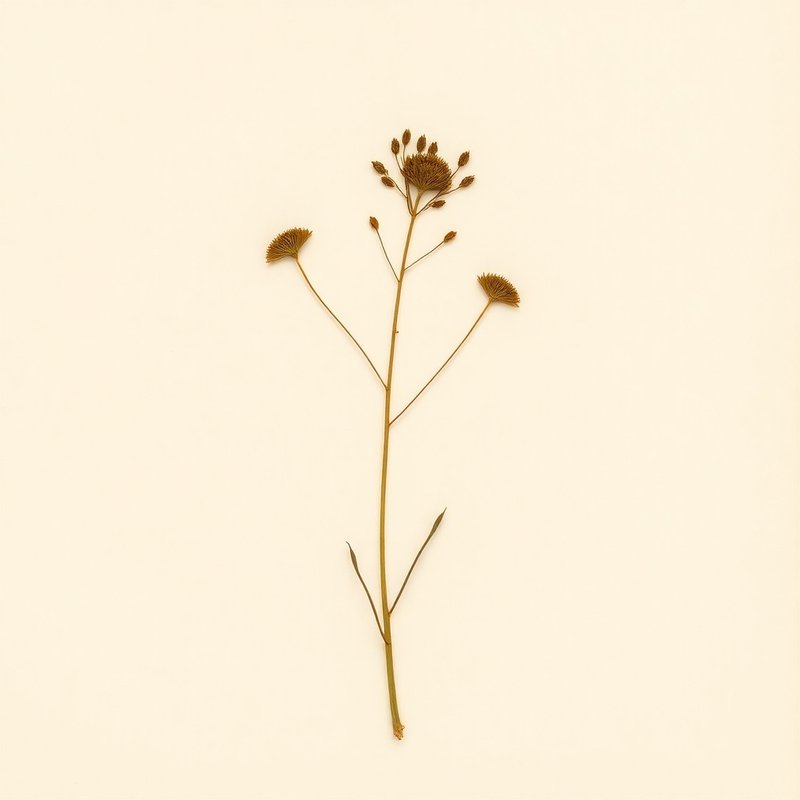
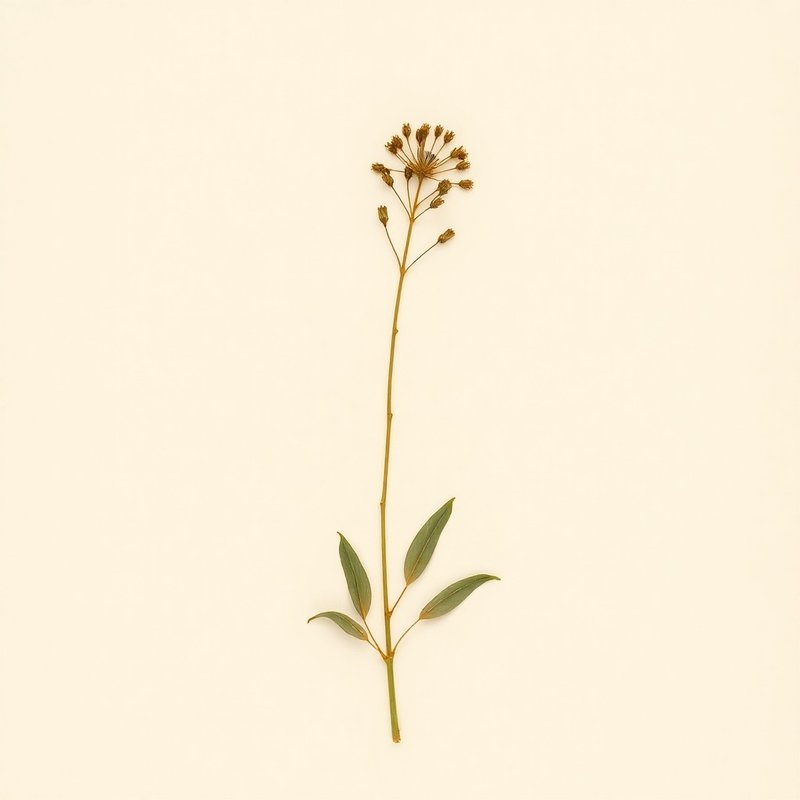
Pl. FA9A — Suaeda palmeri
Suaeda palmeriSuaeda palmeriSuaeda palmeriSuaeda palmeriSuaeda palmeriSuaeda palmeriSuaeda palmeriSuaeda palmeriSuaeda palmeriSuaeda palmeriSuaeda palmeriSuaeda palmeriSuaeda palmeriSuaeda palmeri
IOverview
Overview
Suaeda palmeri, commonly known as Palmer's saltwort, is an annual plant belonging to the Caryophyllaceae family and is native to northeastern Mexico. This resilient plant thrives in full sun and prefers moist soil that can be light (sandy), medium, or heavy (clay). Suaeda palmeri is notable for its edible leaves, which can be eaten raw or cooked and are often prepared in similar ways to spinach, such as sautéed with other vegetables or added to soups and stews. In addition to its culinary uses, Suaeda palmeri has traditional applications for skin conditions and digestive issues. Topically, a poultice or salve made from the leaves can help soothe minor irritations and inflammation. For digestive issues, a decoction of the leaves may alleviate symptoms such as bloating and indigestion. This plant's adaptability to various soil types and its dual use as both a food source and a remedy make it a valuable addition to gardens and landscapes in suitable regions. While Suaeda palmeri has traditional uses, it is important to note that any medicinal use should be approached with caution and under the guidance of a healthcare professional.
Quick answers
What is Suaeda palmeri?
Suaeda palmeri, commonly known as Palmer's saltwort, is an annual plant belonging to the Caryophyllaceae family and is native to northeastern Mexico. This resilient plant thrives in full sun and prefers moist soil that can be light (sandy), medium, or heavy (clay).
What is Suaeda palmeri used for?
Traditionally used for topical & skin, digestion. Each claim is evidence-rated — see Section II for full citations.
Best for
Top 2 evidence-ranked uses of Suaeda palmeri
Clinicaluses · safety · chemistry · dosagemedicinal profile
IIBenefits & evidence
2 claims · traditional-use context
Benefits & evidence
2 claims · traditional-use contextTraditional-use context
These notes are presented as ethnobotanical context. No cited clinical references are catalogued for this plant yet.
- Suaeda palmeri has been traditionally used in topical applications for skin conditions such as minor irritations and inflammation. A poultice or salve made from the leaves may help soothe affected areas.
The mechanism is not fully characterised but may involve anti-inflammatory compounds that reduce redness and swelling.
▲ ModerateTopical & skin → - Suaeda palmeri, like other species in the Caryophyllaceae family, has been traditionally used for digestive issues such as bloating and indigestion. A decoction of the leaves may help alleviate these symptoms.
The mechanism is not fully characterised but may involve compounds that support gastrointestinal motility or reduce inflammation.
▲ ModerateDigestion →
Growingconditions · propagation · uses
VCultivation
Cultivation
Suaeda palmeri thrives in full sun and requires moist conditions. It adapts to various soil types, from light sandy to medium and heavy clay soils. As an annual, it needs regular watering but can tolerate some drought once established. Harvest its edible leaves for culinary use. This plant is hardy in temperate regions and can be propagated by seed.
Light
Full sun
Water
Moist
Soil
Light (sandy), Medium, Heavy (clay)
Life cycle
Annual
For first-time growers
How to grow Suaeda palmeri for the first time
8steps
Start with Skip as an easy-to-grow annual for a beginner gardener.
- 1
What you'll need
Seeds or young plants, containers or garden space, potting soil if container planting.
- 2
Best time to plant
Plant Skip in spring after the last frost when temperatures are consistently above 60°F (15°C).
- 3
Soil and container prep
Use well-draining soil, either a mix of light sand, medium loam, or clay. Ensure containers have drainage holes.
- 4
Sowing or transplanting
Direct sow seeds in the garden once the soil is warm, or start them indoors 4-6 weeks before planting outside.
- 5
First two weeks
Keep the soil moist and provide full sun. Water regularly to prevent drying out.
- 6
Ongoing care
Water when the top inch of soil feels dry, especially in hot weather. Provide full sunlight daily.
- 7
Harvest or pruning
Prune Skip by cutting back old leaves and stems after flowering to encourage new growth.
- 8
Common mistakes
Overwatering, planting in heavy shade, neglecting to prune for new growth.
VIEdible & utility
Edible & utility
Edible parts:Leaves
Edible uses: The leaves of Suaeda palmeri are edible and can be eaten raw or cooked. They are often prepared in similar ways to spinach, either sautéed with other vegetables or added to soups and stews.
Contextrange · companions · related
VIIDistribution
1 native · 0 introduced
Distribution
1 native · 0 introducedDistribution across0 continents· 1 native
Broader regions
native:Mexico Northeast
IXSpecimen gallery
1 image
Specimen gallery
1 imageXSee also
8 related
See also
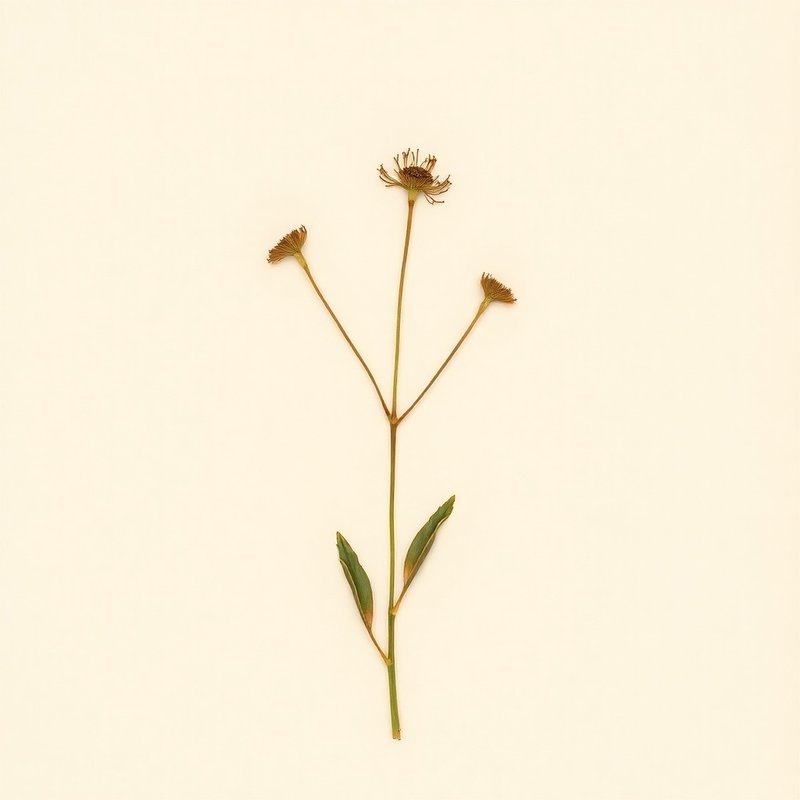
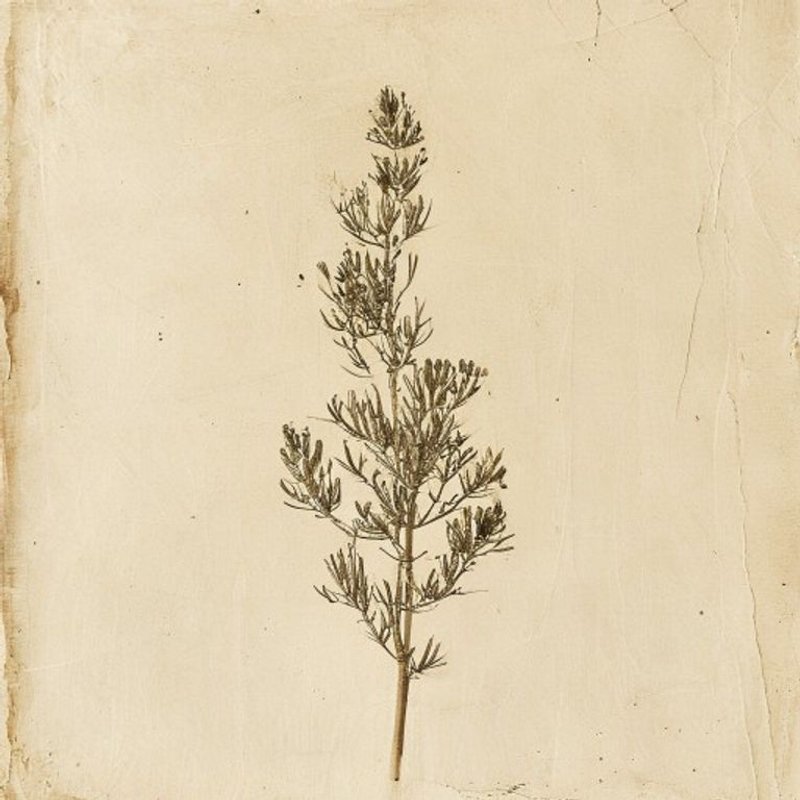
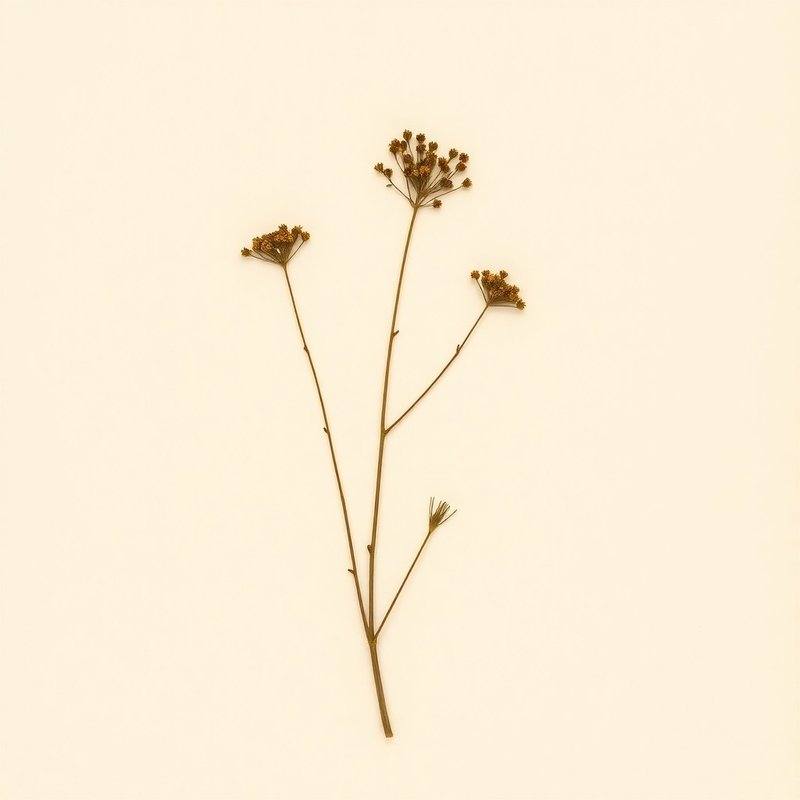
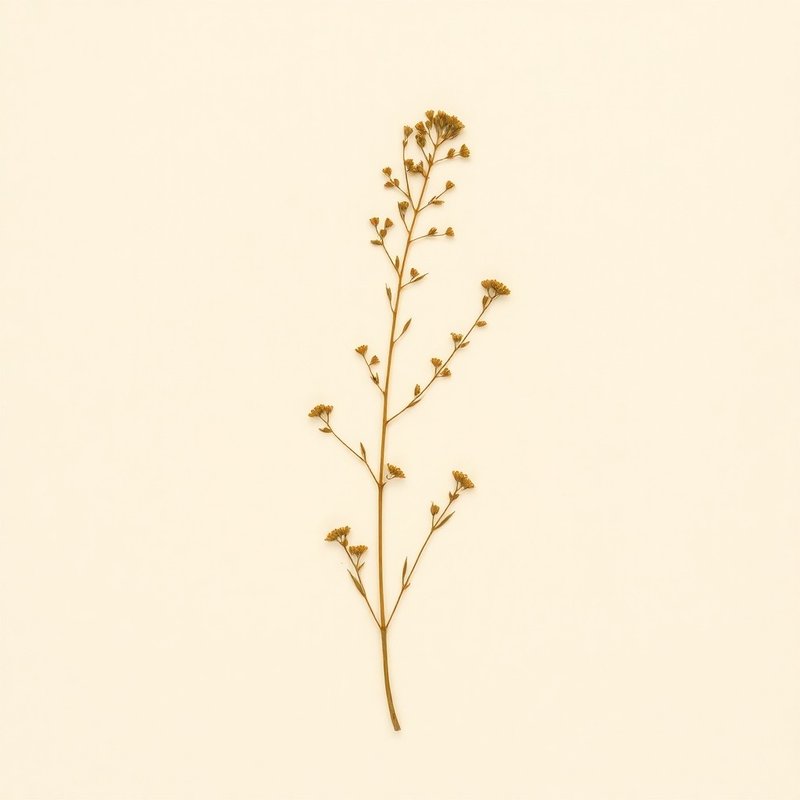
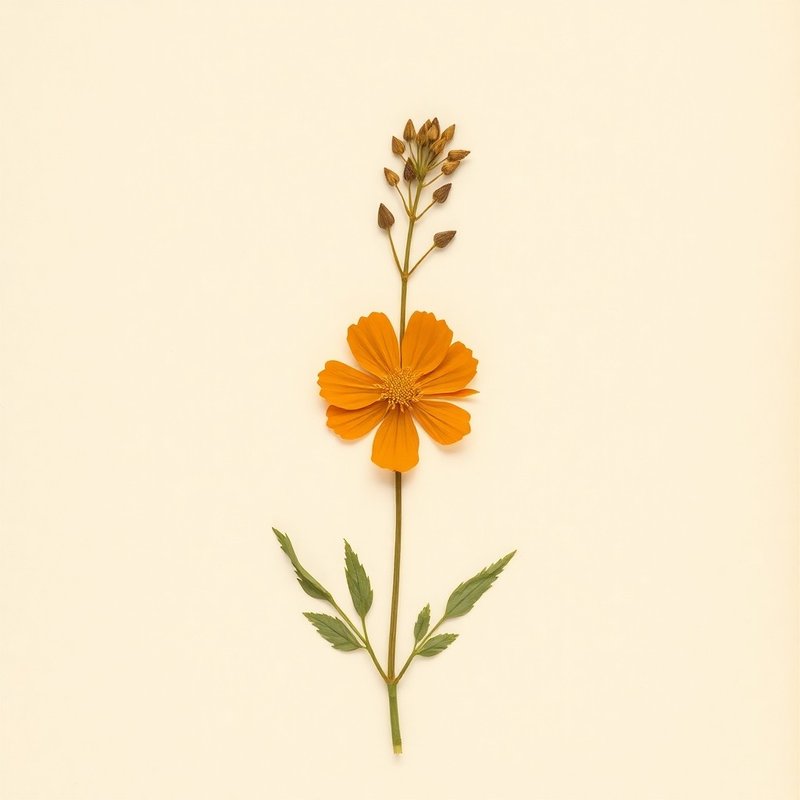
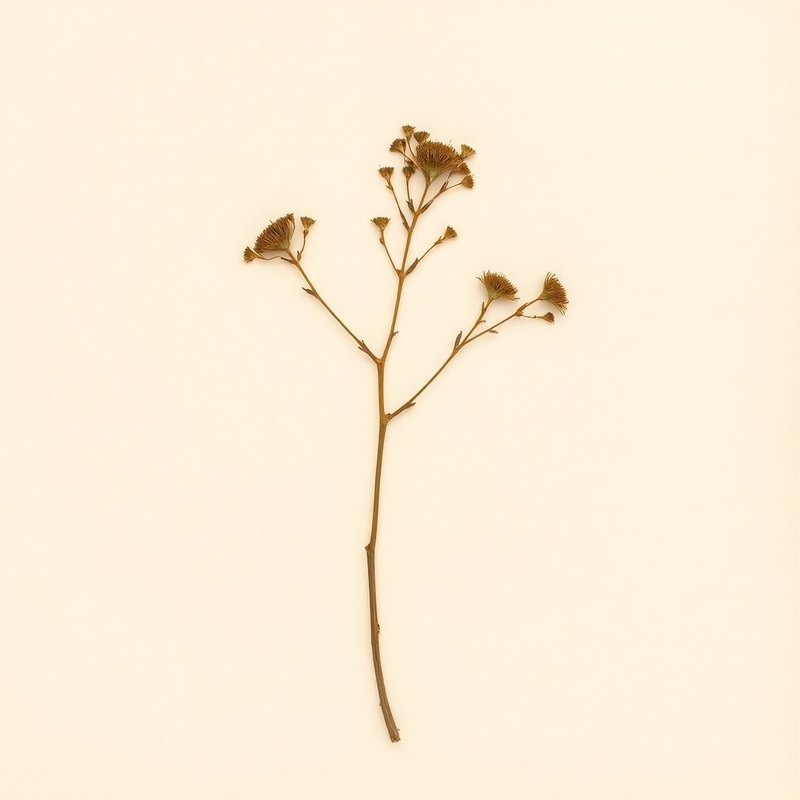
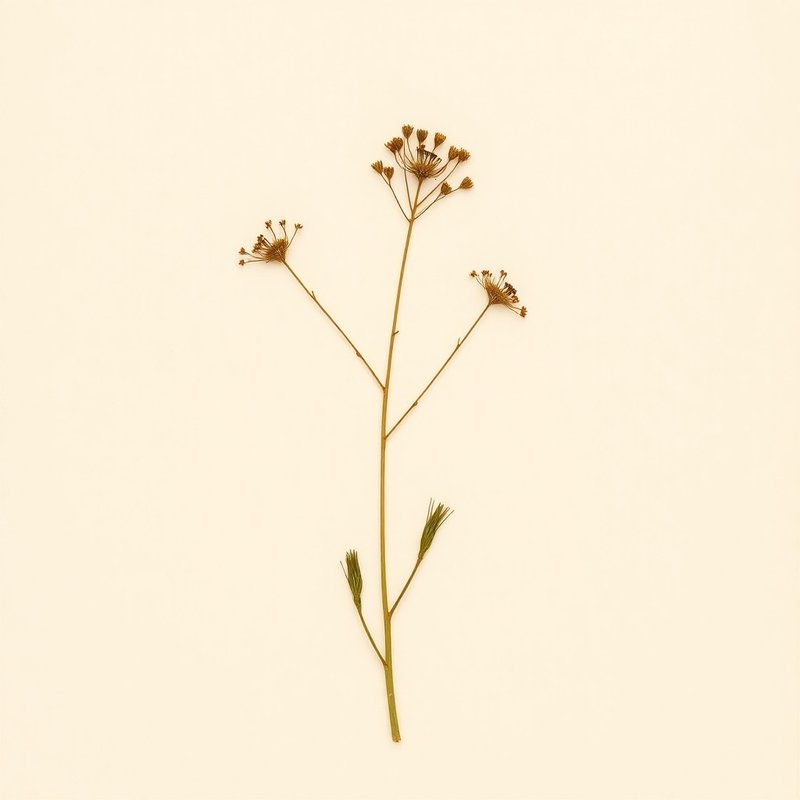
8 relatedPlants you might compare or use together — scored by shared family (Caryophyllaceae), common use cases, and growing requirements.
same family · Caryophyllaceae
Botanical relatives — often share phytochemistry + growing needs.
XI
Explore further
Companion planting
Health goals
Compare with similar plants
Native to
XII
About this entry
- Last updated
- Citation
- How to cite this entry · Submit a correction
Back to the cataloguePlant id · fa9a166d-56db-4435-9691-6a95461ae497
Decision aid
Choosing between Suaeda palmeri and something else?
Continue reading
❦❦❦❦
Endpaper · archive updates
Get archive updates
Occasional email when substantial new content lands — plant profiles, seasonal growing notes, folk-remedy additions. Free, no tracking, unsubscribe anytime.
Newsletter returning soon.
We are rebuilding the update list around a lightweight editorial workflow. New dispatches will resume after the next content review cycle.