
Solanum stenotomum
IOverview
Overview
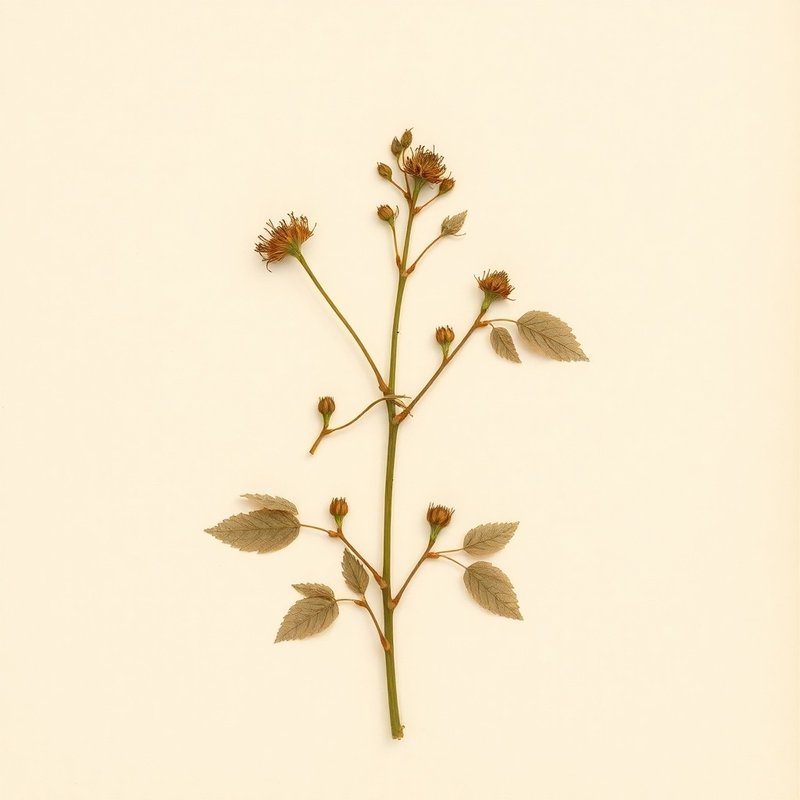
Solanum stenotomum, commonly known as prickly nightshade or Chilean potato, is a perennial plant belonging to the Solanaceae family. Native to regions including Argentina, Bolivia, Chile, Colombia, Ecuador, and Peru, this plant is found in diverse habitats across South America and parts of Central America. Solanum stenotomum thrives in moist environments with light to heavy soil types, particularly preferring sandy, medium, or clay soils with a pH between 7.5 and 8. It is a valuable plant both for its edible and medicinal uses. The roots of Solanum stenotomum are edible and can be prepared in various ways, typically cooked to make them more palatable and easier to digest. This plant is also known for its medicinal properties, although specific applications are not detailed here. One distinctive feature of S. stenotomum is its light requirement; it prefers areas with ample sunlight but can tolerate a range of soil conditions and moisture levels. In cultivation, Solanum stenotomum thrives in light to moderate sunlight and prefers moist, well-draining soils that are light (sandy), medium, or heavy (clay). The plant is a perennial forb/herb or subshrub, hardy in temperate regions. For best results, maintain soil pH between 7.5 and 8. Cultivating the root for edibility requires consistent moisture to support its growth. While the plant has both edible and medicinal uses, caution should be exercised when handling or consuming it, as some members of the Solanaceae family can be toxic.
What is Solanum stenotomum?
Solanum stenotomum, commonly known as prickly nightshade or Chilean potato, is a perennial plant belonging to the Solanaceae family. Native to regions including Argentina, Bolivia, Chile, Colombia, Ecuador, and Peru, this plant is found in diverse habitats across South America and parts of Central America.
IV·bMixology suggestions
2 drafts
Mixology suggestions
2 draftsVCultivation
Cultivation
How to grow Solanum stenotomum for the first time
Start with a simple, light-loving perennial that thrives in well-draining soil.
- 1
What you'll need
Skip seeds or young plants, a sunny spot, and basic gardening tools.
- 2
Best time to plant
Plant Skip in spring after the last frost, when temperatures are mild.
- 3
Soil and container prep
Ensure soil is well-draining with a pH of 7.5–8; amend as needed for containers.
- 4
Sowing or transplanting
Direct sow seeds in the ground or start them indoors 4 weeks before planting outside.
- 5
First two weeks
Water regularly to keep soil moist but not waterlogged, and protect from strong sun.
- 6
Ongoing care
Provide light watering as needed; avoid overwatering. Mulch around the plant for moisture retention.
- 7
Harvest or pruning
Prune back any dead or damaged parts to encourage new growth and maintain shape.
- 8
Common mistakes
Overwatering, planting in heavy soil, neglecting to mulch, not providing enough light, and waiting too long to prune.
VIEdible & utility
Edible & utility
VIIDistribution
10 native · 22 introduced
Distribution
10 native · 22 introducedIXSpecimen gallery
1 image
Specimen gallery
1 imageXSee also
8 related
See also
8 relatedPlants you might compare or use together — scored by shared family (Solanaceae), common use cases, and growing requirements.

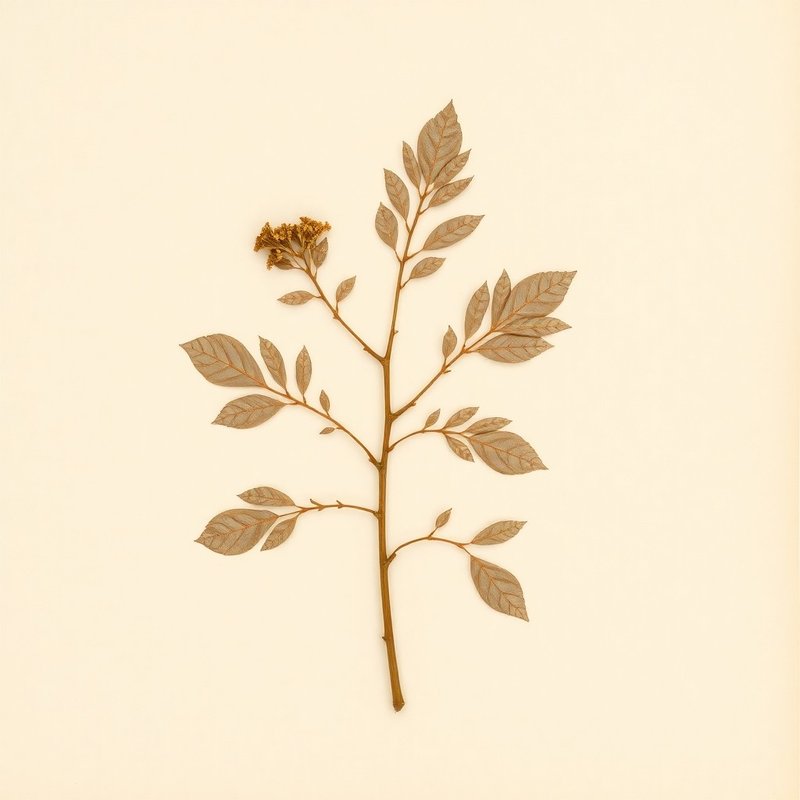
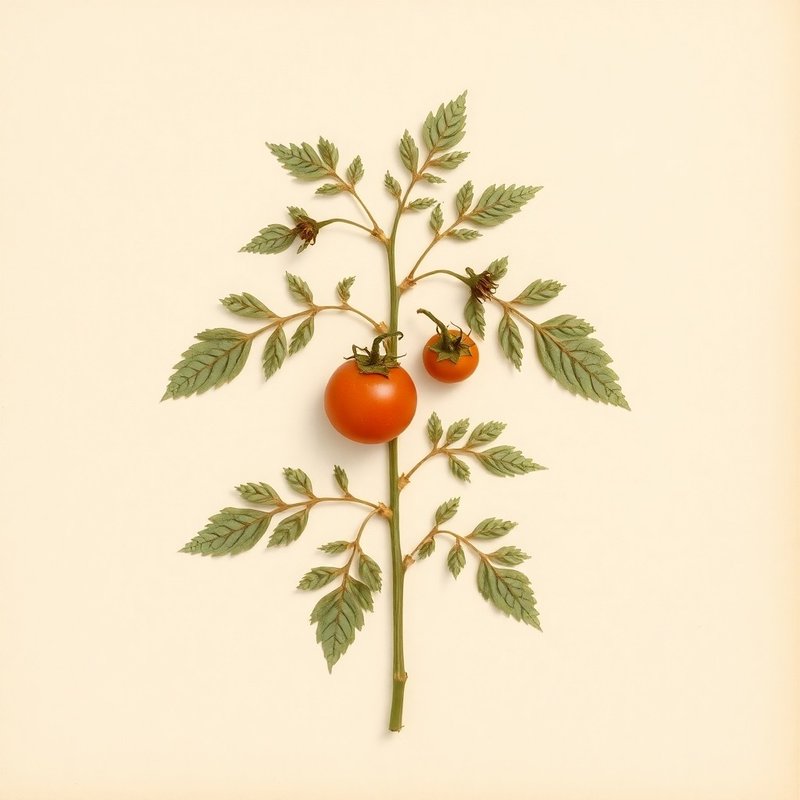
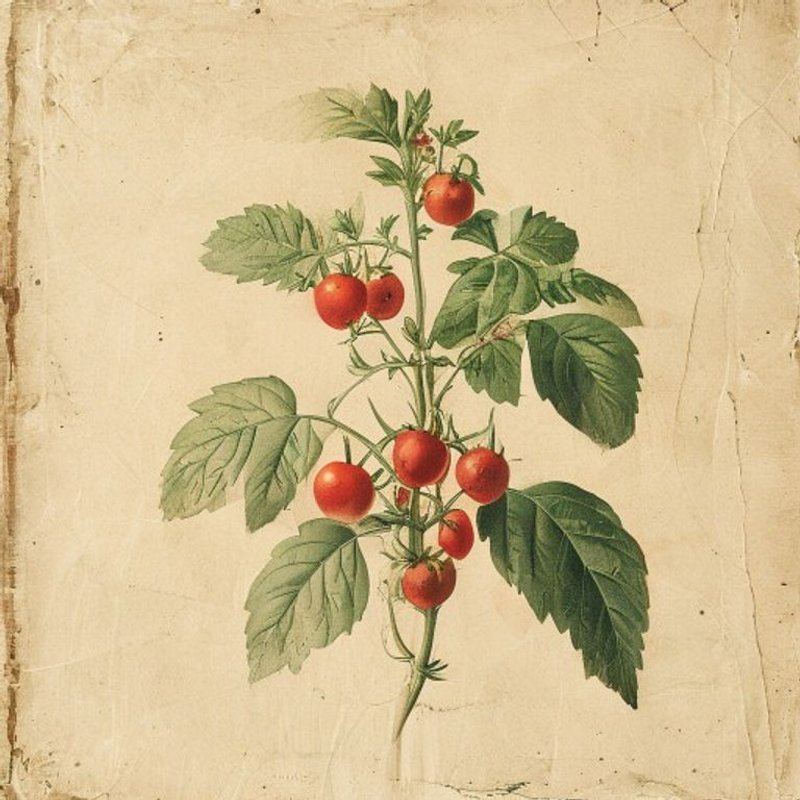
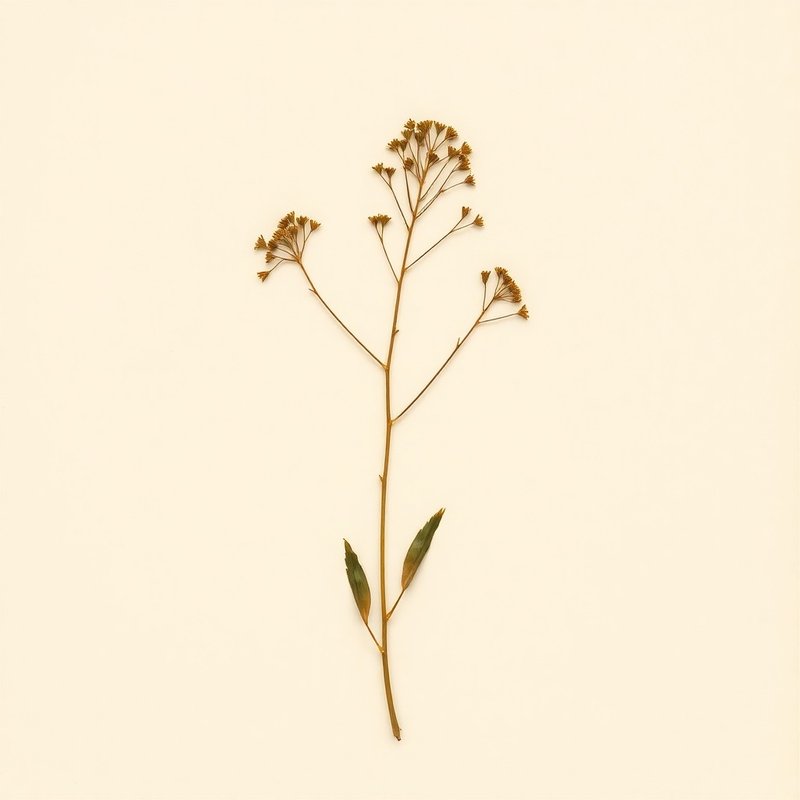
Explore further
About this entry
- Last updated
- Citation
- How to cite this entry · Submit a correction
Continue reading
Get archive updates
Occasional email when substantial new content lands — plant profiles, seasonal growing notes, folk-remedy additions. Free, no tracking, unsubscribe anytime.