
Tomato
Solanum lycopersicumfam. Solanaceae
Educational content — not medical, botanical, or professional advice. Always consult a qualified clinician before using any herbal preparation — especially during pregnancy, breastfeeding, while on medication, or for children. How we source & review →
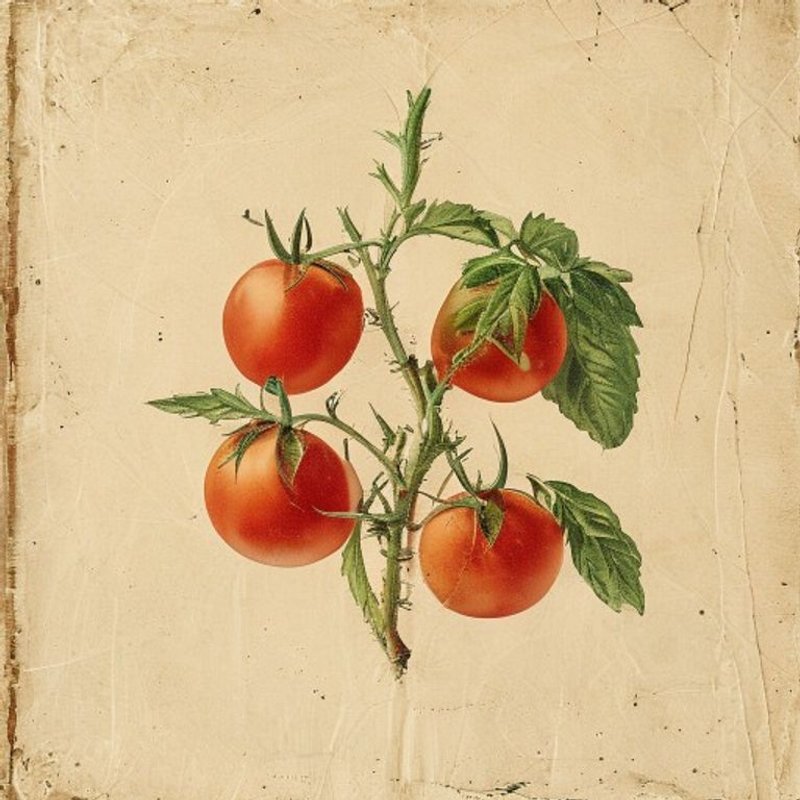
Pl. 1488 — Solanum lycopersicum
Solanum lycopersicumSolanum lycopersicumSolanum lycopersicumSolanum lycopersicumSolanum lycopersicumSolanum lycopersicumSolanum lycopersicumSolanum lycopersicumSolanum lycopersicumSolanum lycopersicumSolanum lycopersicumSolanum lycopersicumSolanum lycopersicumSolanum lycopersicum
IOverview
Overview
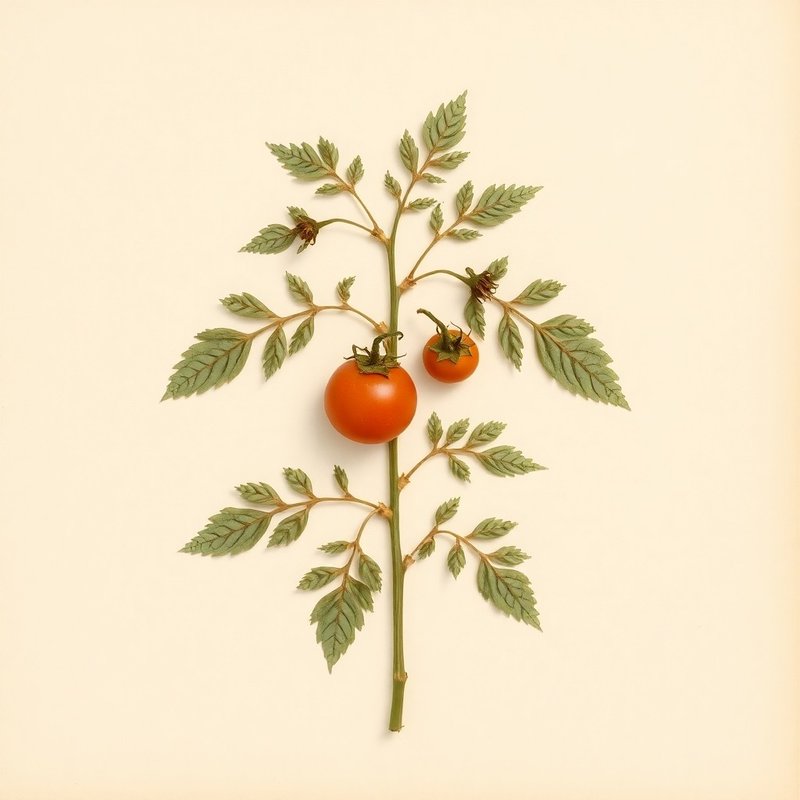
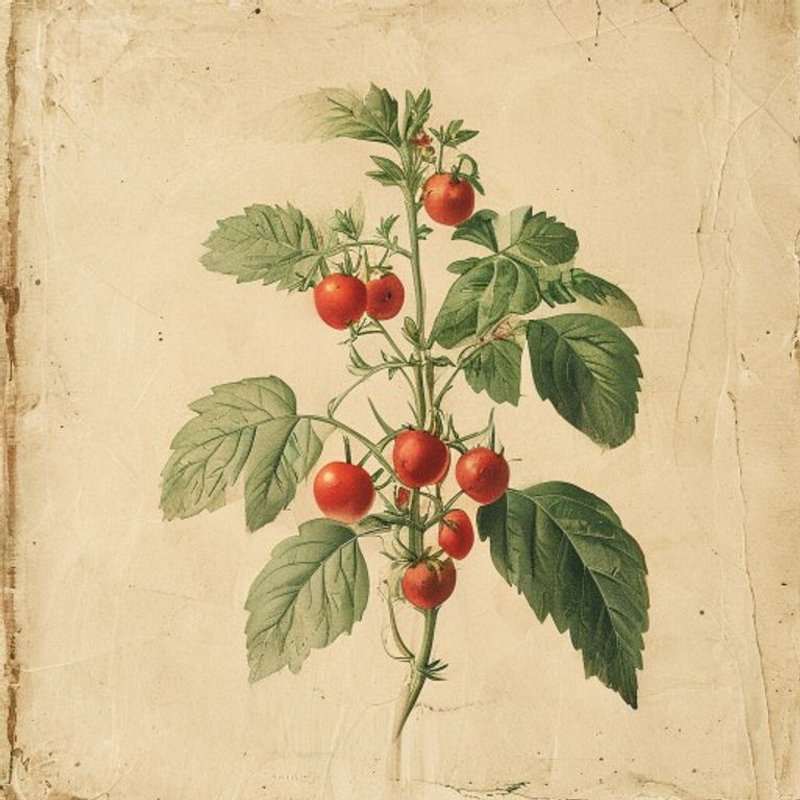
Tomato (Solanum lycopersicum) is a member of the Solanaceae family and originates from Peru. This versatile plant has been cultivated for both its edible fruit and medicinal properties across various regions. Known for its light, moisture-loving nature, tomatoes thrive in well-drained soils ranging from light sandy to heavy clay types with a pH between 7 and 7.5. The plant reaches heights of up to 2 meters and spreads about 1 meter wide, making it an attractive addition to gardens despite its annual or sometimes perennial behavior depending on conditions. Its distinctive feature is the edible fruit, which can be used in numerous culinary applications, while its leaves and other parts have documented medicinal uses.
Quick answers
What is Tomato?
Tomato (Solanum lycopersicum) is a member of the Solanaceae family and originates from Peru. This versatile plant has been cultivated for both its edible fruit and medicinal properties across various regions.
IV·bMixology suggestions
1 draft
Mixology suggestions
1 draftEditorial drafts. These pairings are AI-suggested from traditional herbal lore. Always verify with a qualified herbalist before brewing.
Tomato support blend
generaltea
AI returned a direct ingredient list; normalized into one draft blend for editorial review.
Growingconditions · propagation · uses
VCultivation
Cultivation
Tomato thrives in full sun, requiring about 8 hours of direct sunlight daily. It prefers well-draining, light (sandy), medium, or heavy (clay) soils with a pH between 7 and 7.5. Water the plant regularly to keep the soil moist but not waterlogged, especially during fruiting. Hardy in temperate regions, tomatoes are annual plants that can grow up to 2 meters tall and spread about 1 meter wide. Propagate from seed or by softwood cuttings. Harvest the edible fruit when it turns a bright red color.
Light
8/10
Water
Moist
Soil
Light (sandy), Medium, Heavy (clay)
Hardiness
10-12
Life cycle
Annual, Perennial
Habit
Forb/herb
Mature size
2.0 m × 1.00 m
Temp range
15°C → 35°C
Soil pH
7–7.5
For first-time growers
How to grow Tomato for the first time
8steps
Start with easy-to-grow tomatoes for a rewarding beginner gardening experience.
- 1
What you'll need
Seeds or seedlings, containers or garden space, potting mix, stakes or cages.
- 2
Best time to plant
Plant outdoors after the last frost in spring when temperatures are consistently above 15°C (60°F).
- 3
Soil and container prep
Use well-draining soil with a pH between 7 and 7.5, ensuring containers are at least 30 cm deep.
- 4
Sowing or transplanting
Start seeds indoors about 6-8 weeks before the last frost, then harden off seedlings for 1 week before planting outdoors.
- 5
First two weeks
Water regularly to keep soil moist but not waterlogged. Provide support with stakes or cages as plants grow.
- 6
Ongoing care
Water deeply once a week, mulch around the base for moisture retention and weed control. Fertilize every 4-6 weeks with compost.
- 7
Harvest or pruning
Pinch off suckers to encourage fruiting and remove lower leaves to prevent disease. Harvest fruits when they are fully colored.
- 8
Common mistakes
Overwatering, not providing support, neglecting to prune, planting too early in cold soil.
VIEdible & utility
Edible & utility
Edible parts:FruitSeed
Edible uses: Oil
Contextrange · companions · related
VIIDistribution
1 native · 29 introduced
Distribution
1 native · 29 introducedDistribution across4 continents· 1 native· 29 introduced
Europe4 regions
introduced (4)AustriaBelarusPortugalSpain
Asia3 regions
introduced (3)BangladeshCambodiaIndia
Americas4 regions
native (1)Peru
introduced (3)Costa RicaDominican RepublicUnited States
Africa5 regions
introduced (5)AngolaBurkina FasoCabo VerdeCameroonComoros
Broader regions
introduced:Andaman Is., Arizona, Arkansas, Caroline Is., British Columbia, California, Central African Repu, Chagos Archipelago, Chatham Is., Christmas I., Connecticut, Cook Is., Delaware, Alabama
VIIIGarden companions
27 pairs
Garden companions
27 pairsPlant near these
These plants help — by repelling pests, fixing nitrogen, attracting pollinators, or sharing space well.
Parsley
Petroselinum crispum
Pollinator-friendly
Parsley flowers attract hoverflies and parasitic wasps.
Asparagus
Asparagus officinalis
Pest repellent
Asparagus deters root-knot nematode; tomato deters asparagus beetle.
Basil
Ocimum basilicum
Pest repellentShade provider
Basil repels tomato hornworms, thrips, whiteflies. Traditional flavor pairing.
Chamomile
Matricaria chamomilla
Pollinator-friendly
Chamomile supports beneficial insects and is traditionally used as a gentle garden neighbour.
Borage
Borago officinalis
Pollinator-friendly
Lower-confidence guild pairing: insectary flowers support pollinators, hoverflies, and parasitic wasps around mixed vegetable beds.
Fagopyrum esculentum
Fagopyrum esculentum
Pollinator-friendly
Lower-confidence guild pairing: insectary flowers support pollinators, hoverflies, and parasitic wasps around mixed vegetable beds.
Pot marigold
Calendula officinalis
Pollinator-friendly
Lower-confidence guild pairing: insectary flowers support pollinators, hoverflies, and parasitic wasps around mixed vegetable beds.
Anise Hyssop
Agastache foeniculum
Pollinator-friendly
Lower-confidence guild pairing: insectary flowers support pollinators, hoverflies, and parasitic wasps around mixed vegetable beds.
Yarrow
Achillea millefolium
Pollinator-friendly
Lower-confidence guild pairing: insectary flowers support pollinators, hoverflies, and parasitic wasps around mixed vegetable beds.
Artemisia dracunculus
Artemisia dracunculus
Pest repellent
Lower-confidence guild pairing: aromatic foliage can confuse pests in dense polyculture beds when spacing and airflow are maintained.
Garlic
Allium sativum
Pest repellent
Lower-confidence guild pairing: aromatic foliage can confuse pests in dense polyculture beds when spacing and airflow are maintained.
Chives
Allium schoenoprasum
Pest repellent
Lower-confidence guild pairing: aromatic foliage can confuse pests in dense polyculture beds when spacing and airflow are maintained.
Hyssop
Hyssopus officinalis
Pest repellent
Lower-confidence guild pairing: aromatic foliage can confuse pests in dense polyculture beds when spacing and airflow are maintained.
White Clover
Trifolium repens
Living mulch
Lower-confidence guild pairing: low ground covers protect soil, reduce bare patches, and can be cut back if they compete.
Nasturtium
Tropaeolum majus
Trap crop
Lower-confidence guild pairing: trap crops can draw aphids or flea beetles away from the main crop when monitored and removed if overloaded.
Radish
Raphanus sativus
Trap crop
Lower-confidence guild pairing: trap crops can draw aphids or flea beetles away from the main crop when monitored and removed if overloaded.
Celery
Apium graveolens
Shade provider
Tomatoes offer light shade and celery helps fill moist understory space.
Keep away from these
Avoid planting nearby — competition, allelopathy, or shared pests/diseases.
Common Sunflower
Helianthus annuus
Resource competitor
Sunflowers can compete strongly for water and light near tomatoes unless well-spaced.
Zea mays
Zea mays
Disease vector
Both host corn earworm (tomato fruitworm).
English walnut
Juglans regia
Allelopathic
Black walnut juglone inhibits nightshades.
Fennel
Foeniculum vulgare
Allelopathic
Fennel exudates inhibit most garden vegetables.
Wild Cabbage
Brassica oleracea
Resource competitor
Heavy feeders that compete; brassicas can stunt tomato.
Potato
Solanum tuberosum
Disease vector
Late blight reservoir; rotation recommended.
IXSpecimen gallery
1 image
Specimen gallery
1 imageXSee also
8 related
See also
8 relatedPlants you might compare or use together — scored by shared family (Solanaceae), common use cases, and growing requirements.
same family · Solanaceae
Botanical relatives — often share phytochemistry + growing needs.

XI
Explore further
Companion planting
Compare with similar plants
Growing zone
XII
About this entry
- Last updated
- Citation
- How to cite this entry · Submit a correction
Back to the cataloguePlant id · 1488dbfe-c181-428e-886c-b06ab04d084a
Decision aid
Choosing between Tomato and something else?
Continue reading
❦❦❦❦
Endpaper · archive updates
Get archive updates
Occasional email when substantial new content lands — plant profiles, seasonal growing notes, folk-remedy additions. Free, no tracking, unsubscribe anytime.