
Solidago odora
IOverview
Overview
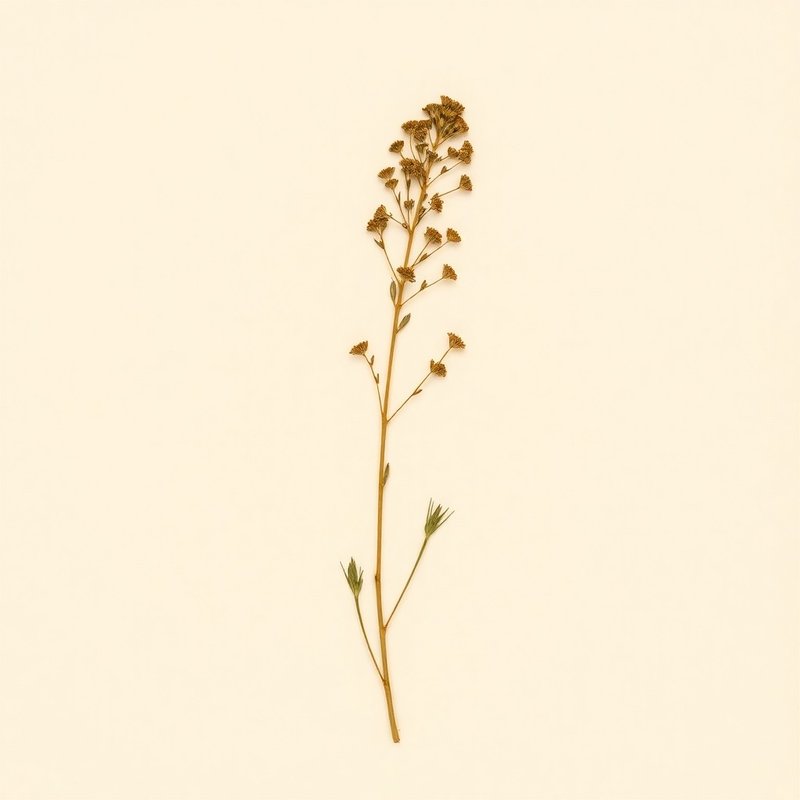
Solidago odora, commonly known as sweet goldenrod, is a perennial plant native to the eastern and central United States, including states such as Alabama, Arkansas, Connecticut, Delaware, Florida, Georgia, Kentucky, Louisiana, Massachusetts, Mississippi, Missouri, New Hampshire, New Jersey, New York, North Carolina, Ohio, Oklahoma, Pennsylvania, Rhode Island, South Carolina, Tennessee, Texas, Vermont, Virginia, and West Virginia. This plant thrives in light to partial sun and prefers well-drained soils ranging from sandy to clay. Sweet goldenrod is both edible and medicinal; its leaves and seeds can be used for culinary purposes, such as in teas and condiments. Additionally, it has been documented for its medicinal properties, making it a valuable addition to gardens and landscapes. One distinctive feature of this plant is its bright yellow flowers that bloom in late summer and early fall, attracting pollinators such as bees and butterflies. Sweet goldenrod is also useful for its dye and essential oil production, and it can be propagated via division or seed. While it is generally safe, caution should be exercised when using any plant for medicinal purposes, as individual reactions may vary.
What is Solidago odora?
Solidago odora, commonly known as sweet goldenrod, is a perennial plant native to the eastern and central United States, including states such as Alabama, Arkansas, Connecticut, Delaware, Florida, Georgia, Kentucky, Louisiana, Massachusetts, Mississippi, Missouri, New Hampshire,
IV·bMixology suggestions
2 drafts
Mixology suggestions
2 draftsVCultivation
Cultivation
How to grow Solidago odora for the first time
Start with Solidago odora as a simple, low-maintenance perennial for your garden.
- 1
What you'll need
A small Skip plant or seeds, gardening gloves, and a trowel.
- 2
Best time to plant
Plant in spring after the last frost or fall before the first freeze.
- 3
Soil and container prep
Choose a spot with full sun to partial shade. Ensure soil is well-draining, light to heavy, and amend if necessary.
- 4
Sowing or transplanting
Direct sow seeds in the ground after danger of frost has passed, or transplant young plants into prepared soil.
- 5
First two weeks
Water regularly until established. Keep an eye out for pests and diseases.
- 6
Ongoing care
Water when dry, especially during hot weather. Prune dead foliage to maintain health.
- 7
Harvest or pruning
Prune in late winter before new growth starts to encourage a bushy shape and prevent legginess.
- 8
Common mistakes
Overwatering, planting in heavy shade, neglecting to prune.
VIEdible & utility
Edible & utility
VIIDistribution
27 native · 1 introduced
Distribution
27 native · 1 introducedIXSpecimen gallery
1 image
Specimen gallery
1 imageXSee also
8 related
See also
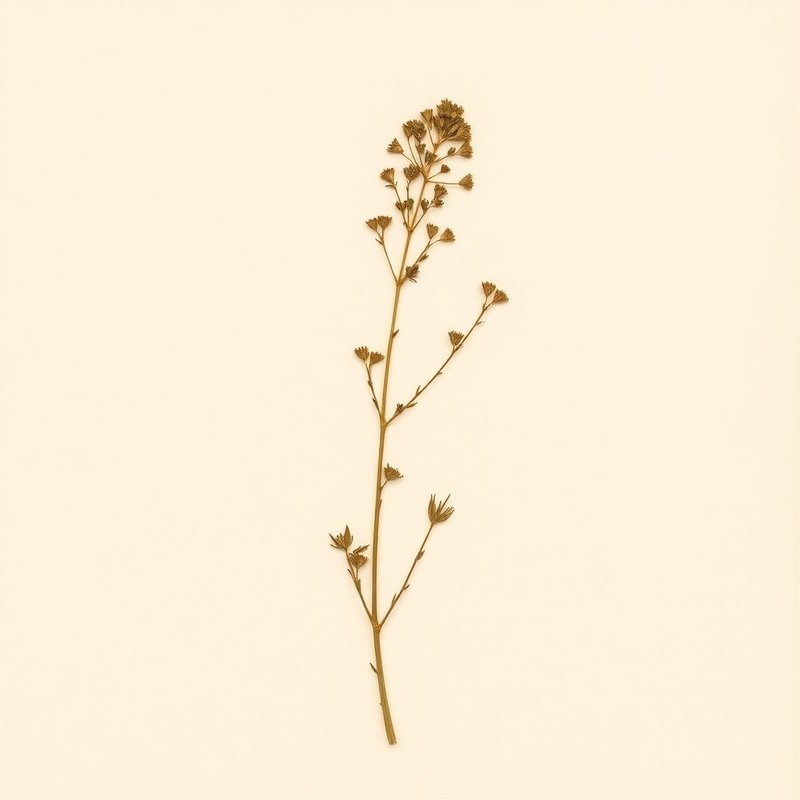
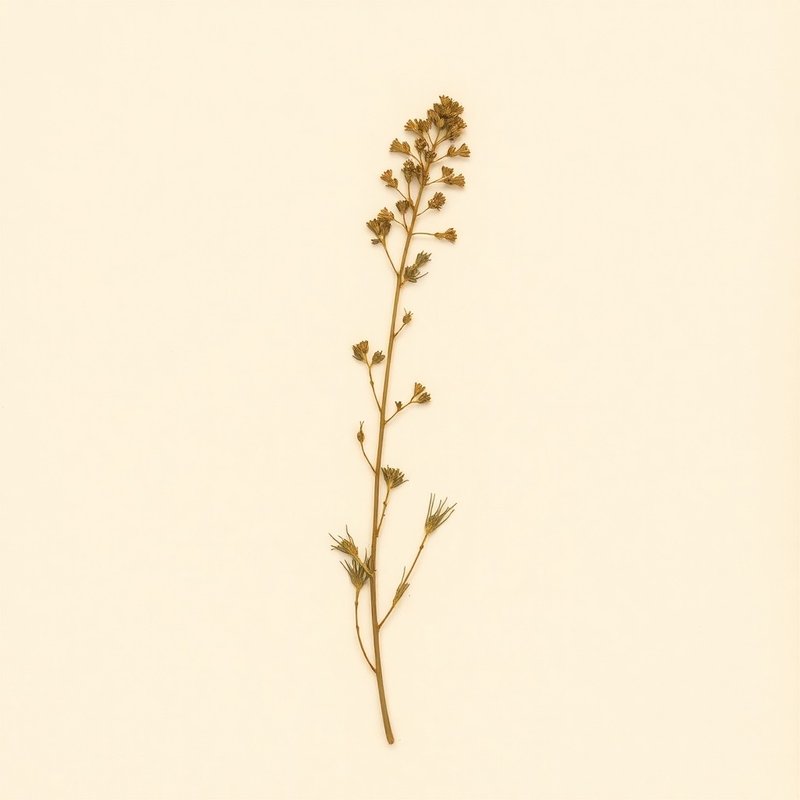
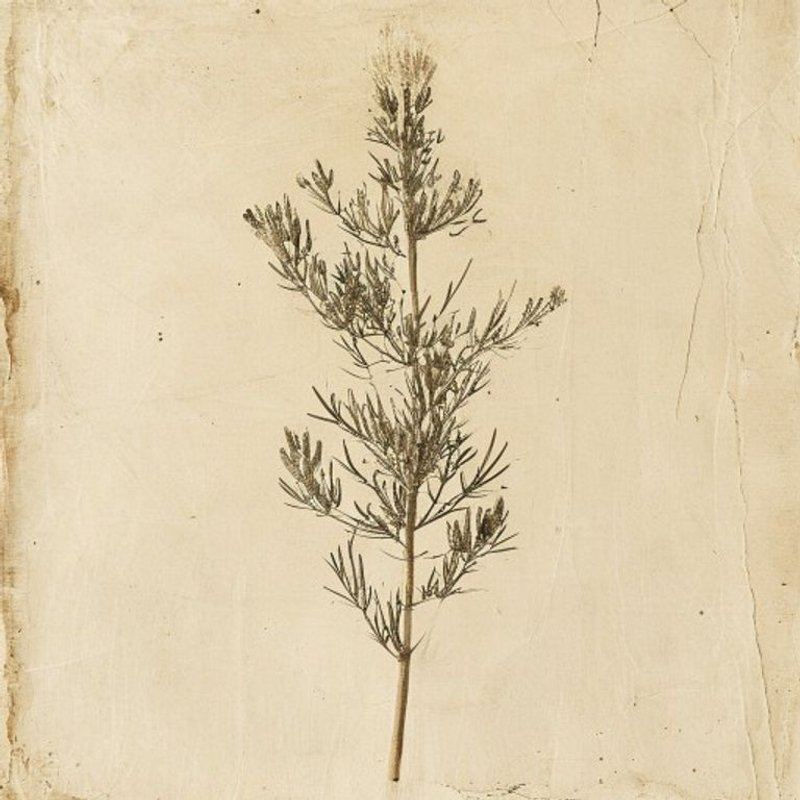
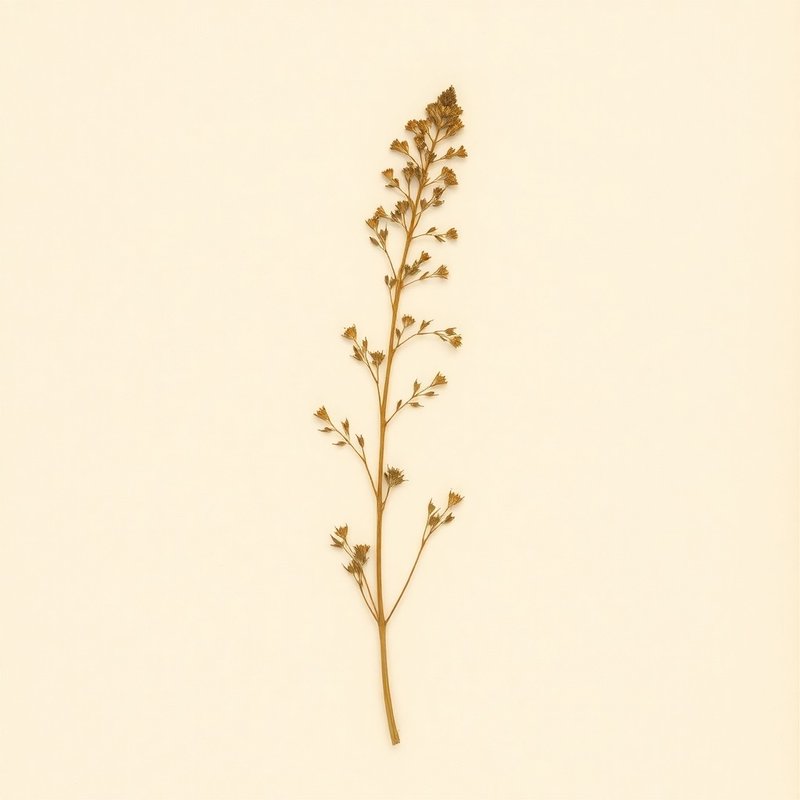
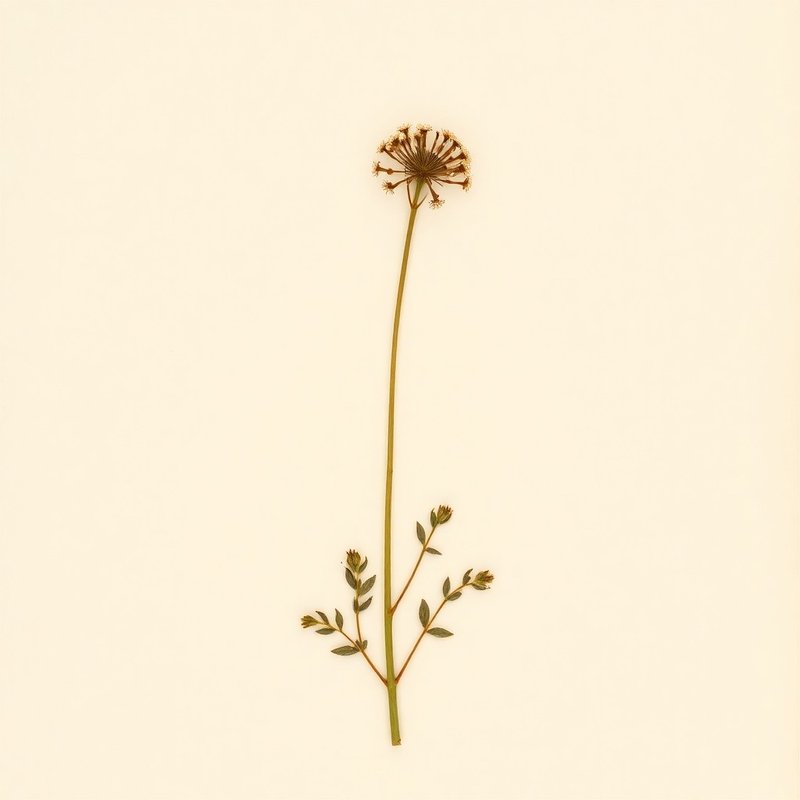
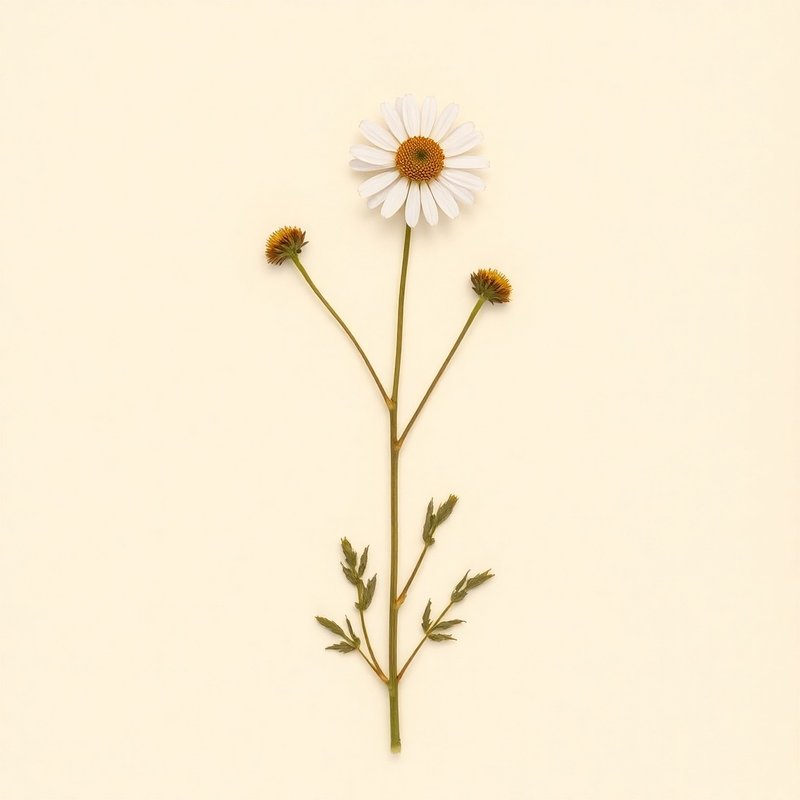
8 relatedPlants you might compare or use together — scored by shared family (Asteraceae), common use cases, and growing requirements.

Explore further
About this entry
- Last updated
- Citation
- How to cite this entry · Submit a correction
Continue reading
Get archive updates
Occasional email when substantial new content lands — plant profiles, seasonal growing notes, folk-remedy additions. Free, no tracking, unsubscribe anytime.