
Sporobolus pallidus
Sporobolus pallidusfam. Poaceae
Educational content — not medical, botanical, or professional advice. Plant identification, safety, and edibility depend on local conditions, cultivars, and correct identification. Consult a qualified botanist or forager before consuming or handling wild specimens. How we source & review →
Garden journal pausedUse profile notes below
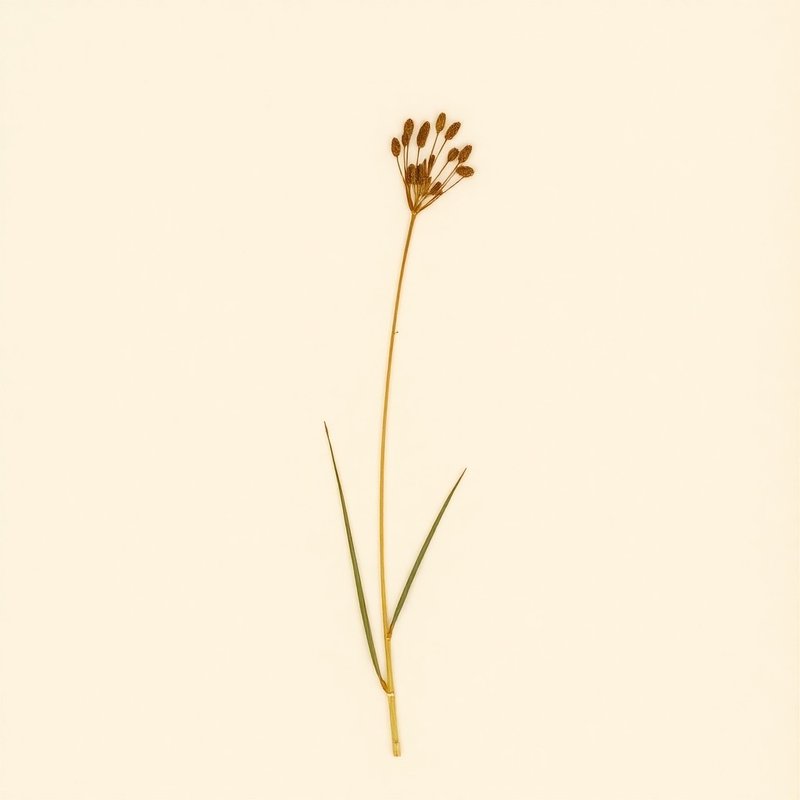
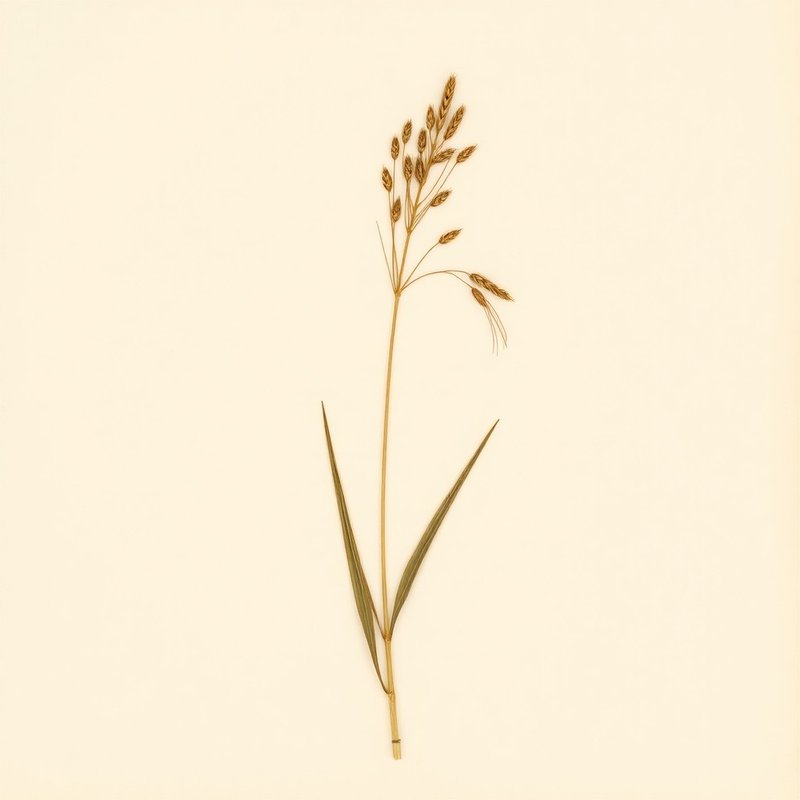
Pl. 9F2B — Sporobolus pallidus
Sporobolus pallidusSporobolus pallidusSporobolus pallidusSporobolus pallidusSporobolus pallidusSporobolus pallidusSporobolus pallidusSporobolus pallidusSporobolus pallidusSporobolus pallidusSporobolus pallidusSporobolus pallidusSporobolus pallidusSporobolus pallidus
IOverview
Overview
Sporobolus pallidus is a perennial, rhizomatous grass in the family Poaceae. It grows as a graminoid, or grass-like plant, spreading by underground rhizomes and producing green, medium-textured foliage with brown flower and seed heads. Its growth rate is moderate. The species is native to Australia, recorded across New South Wales, the Northern Territory, Queensland, South Australia, Victoria, and Western Australia, where it occurs in a range of dry to moist situations. In cultivation the plant prefers full sun and light, sandy to medium soils with a pH between 6 and 8. Although sources describe it as tolerating both dry and moist conditions, the supplied data does not list it as strongly drought resistant, so it is best understood as a grass of varied moisture rather than a dedicated arid-site plant. Its main edible value lies in its seed, which is recorded as edible and may be eaten raw or cooked. The seeds are harvested from the plant and have been used in culinary preparations, though no specific methods are described in the available data. Beyond its seed, the species has ornamental appeal through its grass-like form, medium green foliage, and brown seed heads. No medicinal uses, active compounds, or health benefits are recorded in the supplied data, and the plant should not be treated as a medicinal species. As with any wild grass, correct identification is essential before any edible use, and nothing here should be read as advice to consume it.
Quick answers
What is Sporobolus pallidus?
Sporobolus pallidus is a perennial, rhizomatous grass in the family Poaceae. It grows as a graminoid, or grass-like plant, spreading by underground rhizomes and producing green, medium-textured foliage with brown flower and seed heads. Its growth rate is moderate.
Growingconditions · propagation · uses
VCultivation
Cultivation
Sporobolus pallidus thrives in full sun and prefers well-draining soils that are light (sandy) to medium-textured. It is drought-tolerant but can also handle moist conditions. This perennial graminoid is hardy in temperate regions, making it suitable for gardens across various climates. Propagate via seed, which can be harvested from the plant and sown directly into the garden bed. Soil pH should range between 6 and 8 for optimal growth.
Light
Full sun
Water
Dry, Moist
Soil
Light (sandy), Medium
Life cycle
Perennial
Habit
Graminoid
Soil pH
6–8
For first-time growers
How to grow Sporobolus pallidus for the first time
8steps
Start with Sporobolus pallidus by planting it in a sunny spot and providing minimal care.
- 1
What you'll need
A packet of Sporobolus pallidus seeds, a trowel, and a watering can.
- 2
Best time to plant
Plant in spring or autumn when the weather is mild.
- 3
Soil and container prep
Choose a location with well-draining soil. Amend heavy soils with sand if necessary.
- 4
Sowing or transplanting
Direct sow seeds 1/4 inch deep, spacing them about 6 inches apart. Water gently after planting.
- 5
First two weeks
Keep the soil moist until germination occurs, which takes about 2-3 weeks.
- 6
Ongoing care
Water sparingly once established and provide full sun exposure. Avoid overwatering to prevent root rot.
- 7
Harvest or pruning
Prune dead foliage in late winter to maintain the plant's health and appearance.
- 8
Common mistakes
Overwatering, planting in heavy soil without amending, and not providing enough sunlight.
VIEdible & utility
Edible & utility
Edible parts:Seed
Edible uses: The seeds of Sporobolus pallidus are edible and can be consumed raw or cooked. They are often harvested from the plant and used in various culinary preparations, though specific methods are not detailed in the provided data.
Contextrange · companions · related
VIIDistribution
131 native · 0 introduced
Distribution
131 native · 0 introducedDistribution across5 continents· 131 native
Europe1 region
native (1)Cyprus
Asia16 regions
native (16)BangladeshCambodiaChinaGeorgiaIndiaIranJapanOmanPakistanPhilippinesSri LankaTaiwanThailandTurkeyVietnamYemen
Americas19 regions
native (19)BahamasBelizeColombiaCosta RicaCubaDominican RepublicEcuadorFrench GuianaGuatemalaGuyanaHaitiHondurasJamaicaNicaraguaPeruPuerto RicoSurinameUnited StatesVenezuela
Africa24 regions
native (24)AngolaBeninCabo VerdeComorosCôte d'IvoireGabonGhanaGuineaGuinea-BissauKenyaLiberiaMadagascarMauritaniaMauritiusMozambiqueNamibiaSenegalSeychellesSierra LeoneSomaliaTanzaniaTogoWestern SaharaZimbabwe
Oceania2 regions
native (2)FijiNew Caledonia
Broader regions
native:Alabama, Aldabra, Andaman Is., Aruba, Bermuda, Brazil North, Brazil Northeast, Brazil South, Brazil Southeast, Cape Provinces, Caroline Is., Cayman Is., Chagos Archipelago, Chile North, Christmas I., Congo, East Aegean Is., Florida, Galápagos, Gulf of Guinea Is., Hainan, Jawa, KwaZulu-Natal, Lebanon-Syria, Leeward Is., Lesser Sunda Is., Louisiana, Malaya, Maluku, Marianas, Marquesas, Marshall Is., Maryland, Mexico Gulf, Mexico Northeast, Mexico Northwest, Mexico Southeast, Mexico Southwest, Mississippi, Mozambique Channel I, Nansei-shoto, Netherlands Antilles, New Guinea, New South Wales, Norfolk Is., North Carolina, Northern Provinces, Northern Territory, Ogasawara-shoto, Panamá, Queensland, Rodrigues, South Australia, South Carolina, South China Sea, Southwest Caribbean, Sulawesi, Sumatera, Tasmania, Texas, Trinidad-Tobago, Turks-Caicos Is., Venezuelan Antilles, Victoria, Virginia, West Himalaya, Western Australia, Windward Is., Zaïre
IXSpecimen gallery
1 image
Specimen gallery
1 imageXSee also
8 related
See also
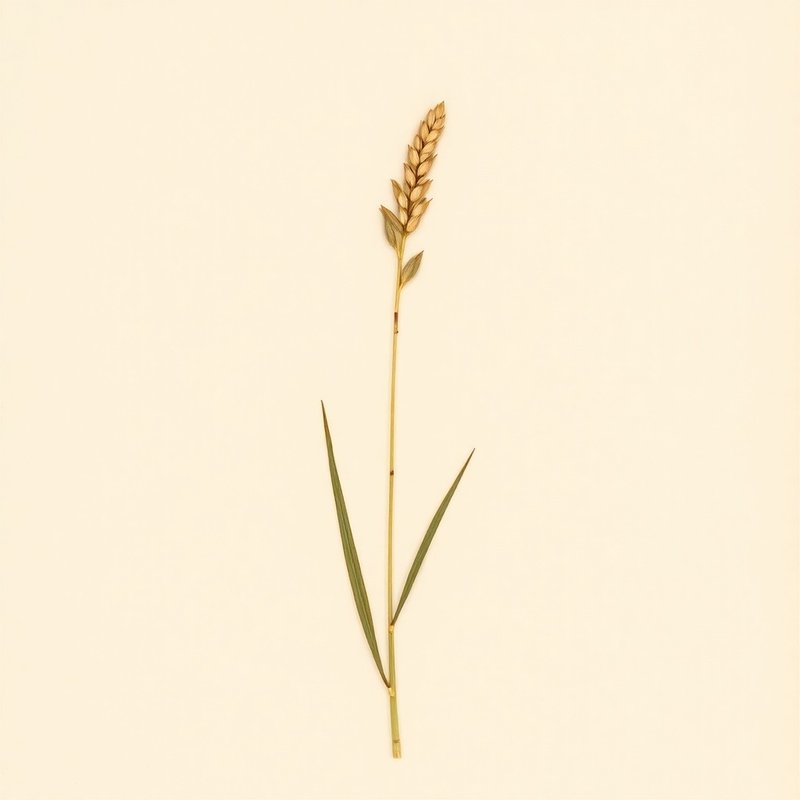
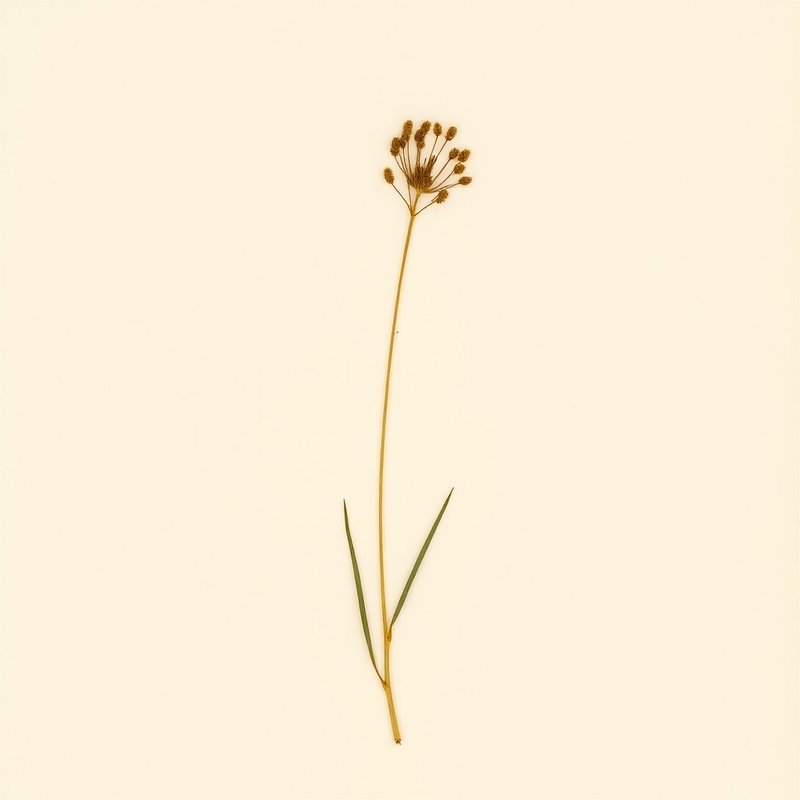
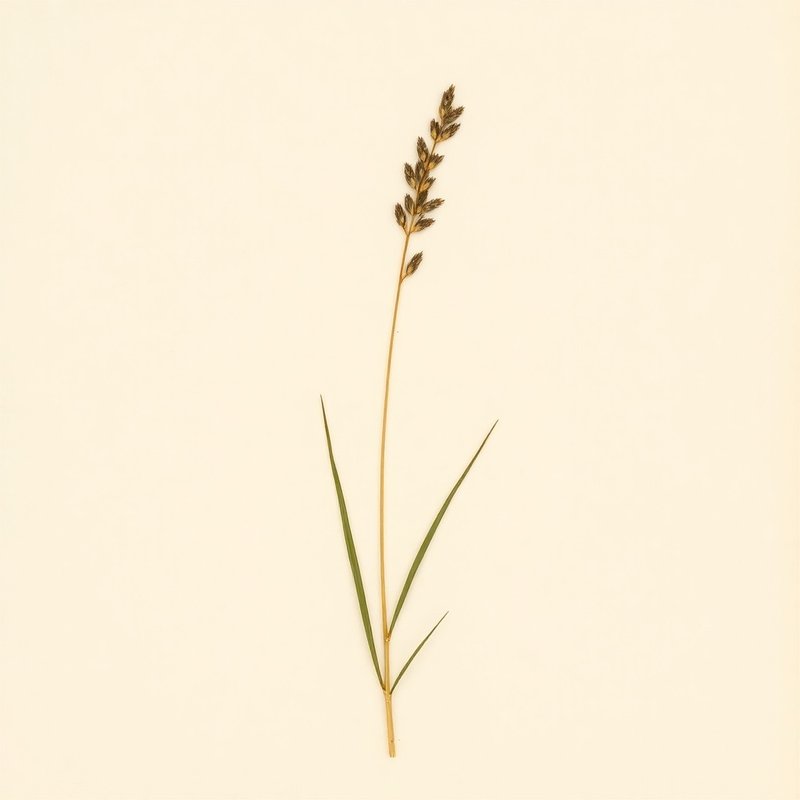
8 relatedPlants you might compare or use together — scored by shared family (Poaceae), common use cases, and growing requirements.
same family · Poaceae
Botanical relatives — often share phytochemistry + growing needs.
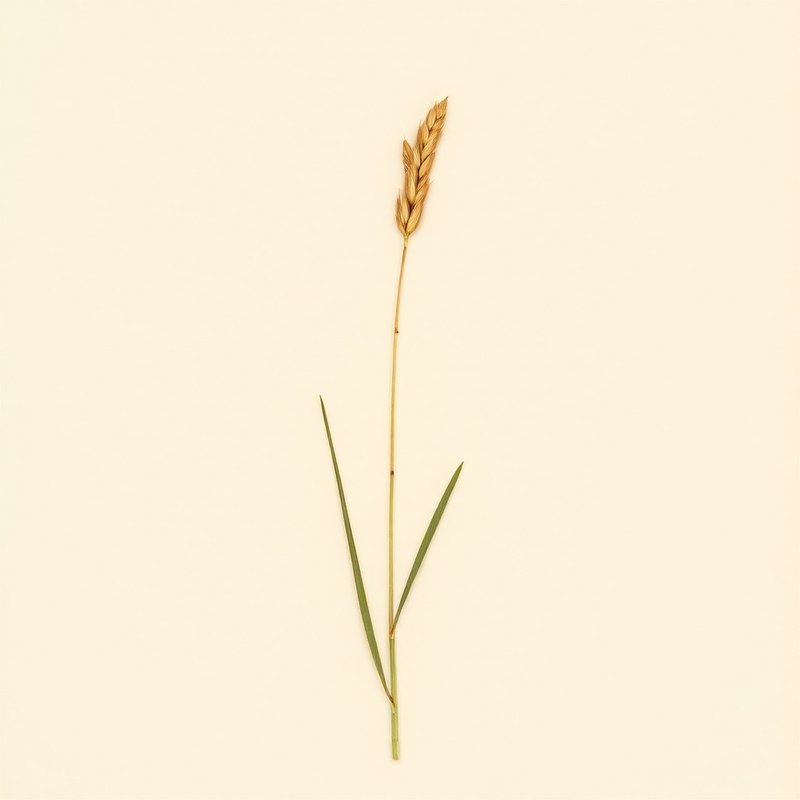
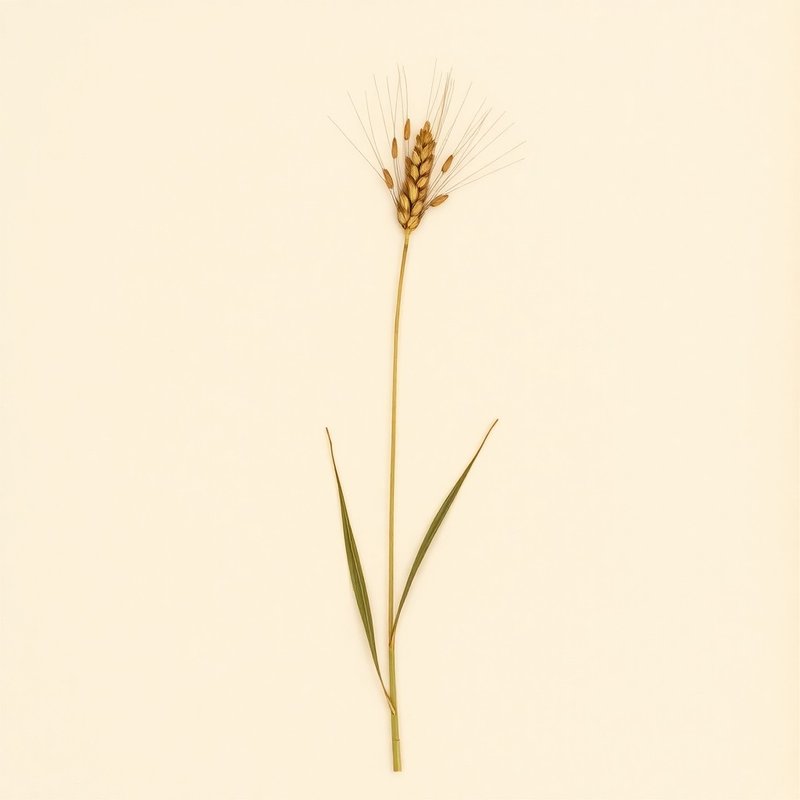
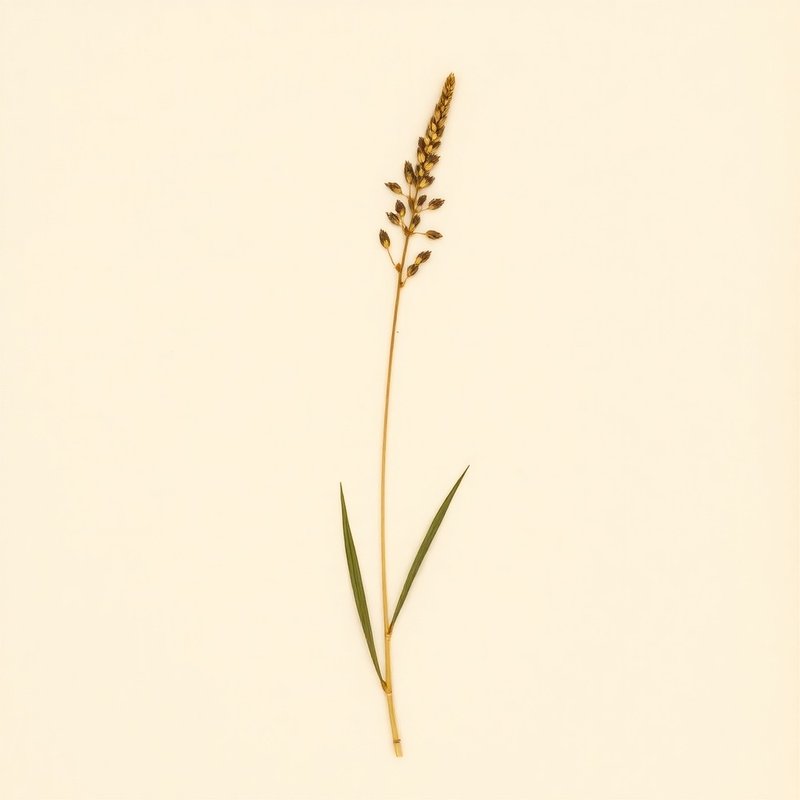
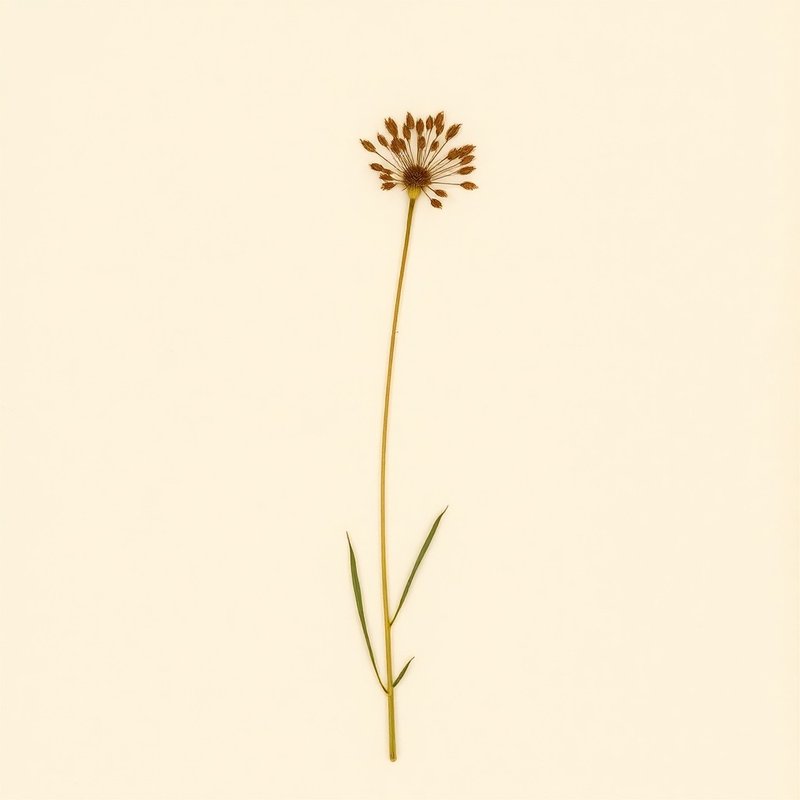
XI
Explore further
Companion planting
Compare with similar plants
Native to
XII
About this entry
- Last updated
- Citation
- How to cite this entry · Submit a correction
Back to the cataloguePlant id · 9f2b9935-8083-4440-bd2b-bd5cd94c868e
Decision aid
Choosing between Sporobolus pallidus and something else?
Continue reading
❦❦❦❦
Endpaper · archive updates
Get archive updates
Occasional email when substantial new content lands — plant profiles, seasonal growing notes, folk-remedy additions. Free, no tracking, unsubscribe anytime.
Newsletter returning soon.
We are rebuilding the update list around a lightweight editorial workflow. New dispatches will resume after the next content review cycle.