
California Sea Blite
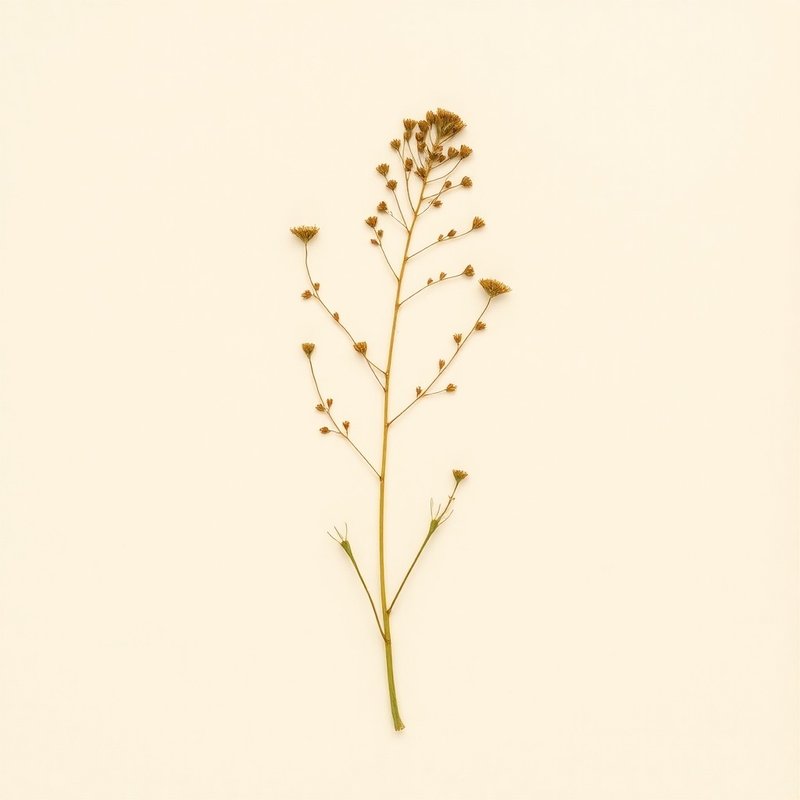
IOverview
Overview
California Sea Blite (Suaeda californica), a subshrub or shrub belonging to the Amaranthaceae family, is native to the coastal regions of California and northwestern Mexico. This plant thrives in a variety of soil types, including light (sandy), medium, and heavy (clay) soils, and requires full sun exposure. Growing to a height of about 0.6 meters, California Sea Blite is both edible and ornamental, making it a versatile addition to gardens and landscapes. The leaves and seeds of California Sea Blite are edible. The leaves can be consumed fresh or cooked, adding a unique flavor to dishes, while the seeds can be harvested and used in various preparations such as grinding into flour or adding to soups and stews. In traditional Chinese medicine, the plant is known for its use in digestive issues, particularly for soothing an upset stomach and alleviating diarrhea and dysentery. A decoction of the leaves may provide relief. While the plant is generally hardy and can grow in diverse soil conditions, it requires moist soil to thrive. It is not drought-resistant, so regular watering is necessary, especially during establishment. California Sea Blite is a valuable resource for those seeking edible and medicinal plants, offering both culinary and traditional medicinal benefits.
What is California Sea Blite?
California Sea Blite (Suaeda californica), a subshrub or shrub belonging to the Amaranthaceae family, is native to the coastal regions of California and northwestern Mexico. This plant thrives in a variety of soil types, including light (sandy), medium, and heavy (clay) soils, and requires full sun exposure.
What is California Sea Blite used for?
Traditionally used for digestion. Each claim is evidence-rated — see Section II for full citations.
IIBenefits & evidence
1 claim · traditional-use context
Benefits & evidence
1 claim · traditional-use context- California Sea Blite, like other Suaeda species, has been traditionally used in Chinese medicine for digestive issues such as diarrhea and dysentery. A decoction of the leaves may help soothe an upset stomach.
The mechanism is not fully characterised but likely involves anti-inflammatory compounds that reduce gut inflammation and promote intestinal health.
▲ ModerateDigestion →
IV·bMixology suggestions
1 draft
Mixology suggestions
1 draftVCultivation
Cultivation
How to grow California Sea Blite for the first time
Start with California Sea Blite as a simple, low-maintenance plant for your garden.
- 1
What you'll need
Seeds or small plants, potting soil, containers or garden space.
- 2
Best time to plant
Plant in spring after the last frost or in fall before the first freeze.
- 3
Soil and container prep
Use well-draining soil; mix sand with your potting mix for containers.
- 4
Sowing or transplanting
Direct sow seeds 0.5 cm deep, or start indoors and transplant when large enough to handle.
- 5
First two weeks
Water regularly until plants are established; keep soil moist but not waterlogged.
- 6
Ongoing care
Provide full sun exposure and regular watering. Prune occasionally for shape.
- 7
Harvest or pruning
Prune to maintain size and remove dead foliage; harvest leaves and seeds as needed.
- 8
Common mistakes
Overwatering, planting in heavy soil, neglecting sun exposure, not pruning regularly.
VIEdible & utility
Edible & utility
VIIDistribution
2 native · 0 introduced
Distribution
2 native · 0 introducedIXSpecimen gallery
1 image
Specimen gallery
1 imageXSee also
8 related
See also
8 relatedPlants you might compare or use together — scored by shared family (Amaranthaceae), common use cases, and growing requirements.
Explore further
About this entry
- Last updated
- Citation
- How to cite this entry · Submit a correction
Continue reading
Get archive updates
Occasional email when substantial new content lands — plant profiles, seasonal growing notes, folk-remedy additions. Free, no tracking, unsubscribe anytime.