
Trifolium incarnatum
IOverview
Overview
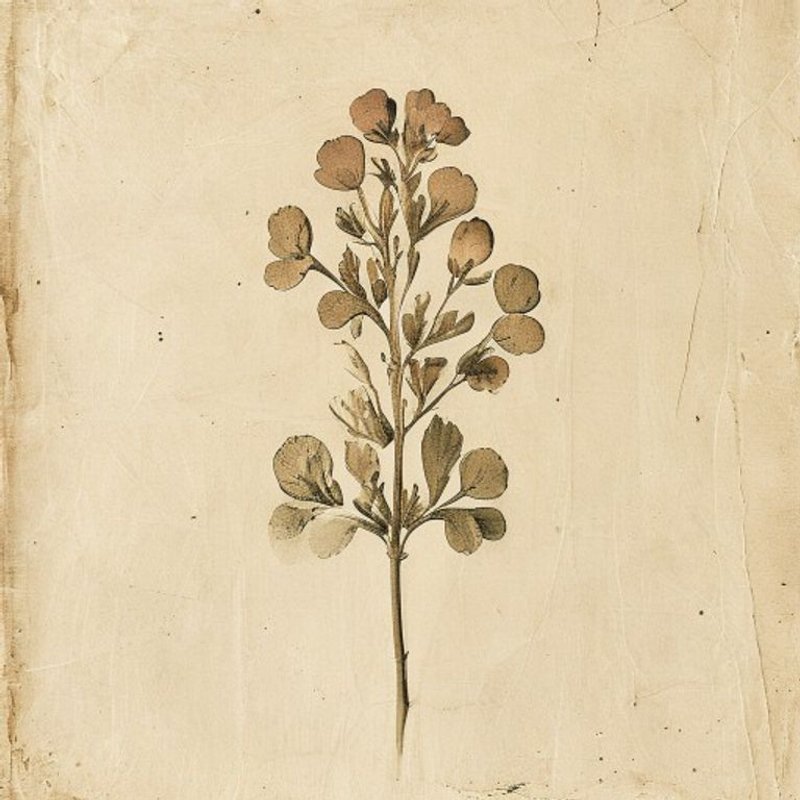
Trifolium incarnatum, commonly known as purple clover, is an annual plant belonging to the Fabaceae family. Native to a wide range of European countries including Albania, Austria, Belgium, Bulgaria, and others, this plant can also be found in parts of Asia and North America. Purple clover thrives in moist, light soil types, both sandy and clay, and grows to a height of 0.5 meters with a width of 0.9 meters. It prefers full sun and is hardy in zones 3-9. This plant has both edible and medicinal uses. The seeds can be consumed directly or used in various culinary applications, while the plant is also known for its potential medicinal benefits. Purple clover is valued as a cover crop and soil reclamation plant, acting as a dynamic accumulator and nitrogen fixer. It is particularly useful for improving soil health and preventing erosion. However, it should be noted that purple clover has the potential to become a weed in some areas. The distinctive feature of purple clover is its vibrant purple flowers, which contrast beautifully with its green foliage. This plant is not only useful for its practical applications but also for its ornamental value. Its adaptability to various soil types and climatic conditions makes it a valuable addition to gardens and agricultural settings in temperate regions.
What is Trifolium incarnatum?
Trifolium incarnatum, commonly known as purple clover, is an annual plant belonging to the Fabaceae family. Native to a wide range of European countries including Albania, Austria, Belgium, Bulgaria, and others, this plant can also be found in parts of Asia and North America.
IV·bMixology suggestions
1 draft
Mixology suggestions
1 draftVCultivation
Cultivation
How to grow Trifolium incarnatum for the first time
Start with Skip by planting seeds in a sunny spot and giving it regular care.
- 1
What you'll need
Skip seeds, a small trowel, and a watering can.
- 2
Best time to plant
Plant Skip in early spring or late summer for best results.
- 3
Soil and container prep
Choose a location with well-draining soil that's light (sandy), medium, or heavy. Ensure the area gets full sun.
- 4
Sowing or transplanting
Direct sow seeds 0.5 cm deep in rows spaced about 30 cm apart. Keep the soil moist until germination.
- 5
First two weeks
Water regularly to keep the soil consistently moist but not waterlogged. Thin out seedlings if they grow too close together.
- 6
Ongoing care
Provide regular watering, especially during dry spells. Mulch around plants to retain moisture and suppress weeds.
- 7
Harvest or pruning
Prune Skip after flowering to encourage a bushier growth habit and prevent self-seeding.
- 8
Common mistakes
Overwatering, planting in heavy shade, neglecting to thin seedlings.
VIEdible & utility
Edible & utility
VIIDistribution
30 native · 45 introduced
Distribution
30 native · 45 introducedIXSpecimen gallery
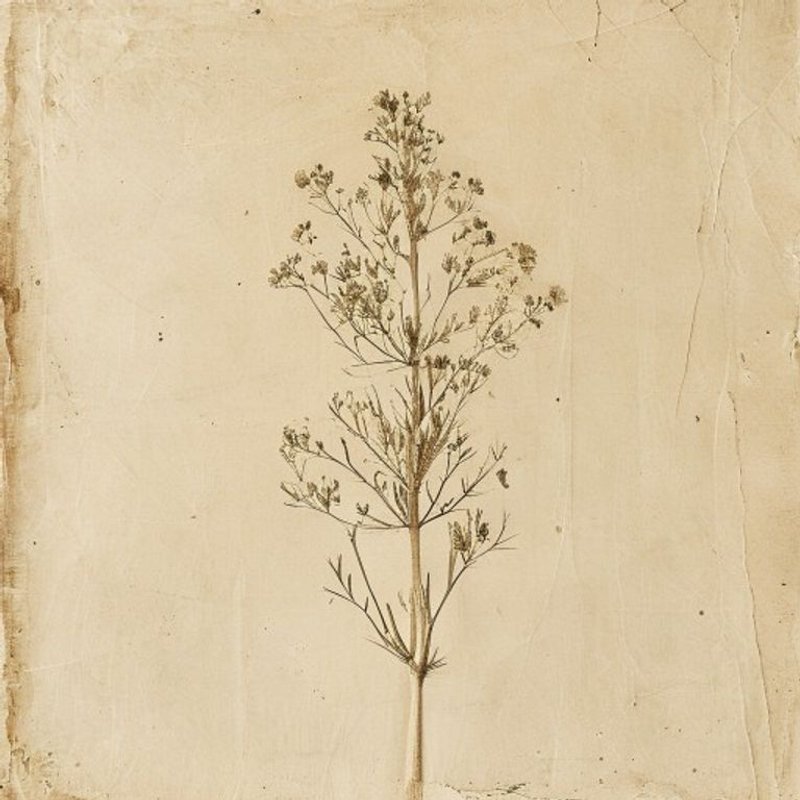
1 image
Specimen gallery
1 imageXSee also
8 related
See also
8 relatedPlants you might compare or use together — scored by shared family (Fabaceae), common use cases, and growing requirements.


Explore further
About this entry
- Last updated
- Citation
- How to cite this entry · Submit a correction
Continue reading
Get archive updates
Occasional email when substantial new content lands — plant profiles, seasonal growing notes, folk-remedy additions. Free, no tracking, unsubscribe anytime.