
Trifolium tridentatum
Trifolium tridentatumfam. Fabaceae
Educational content — not medical, botanical, or professional advice. Always consult a qualified clinician before using any herbal preparation — especially during pregnancy, breastfeeding, while on medication, or for children. How we source & review →
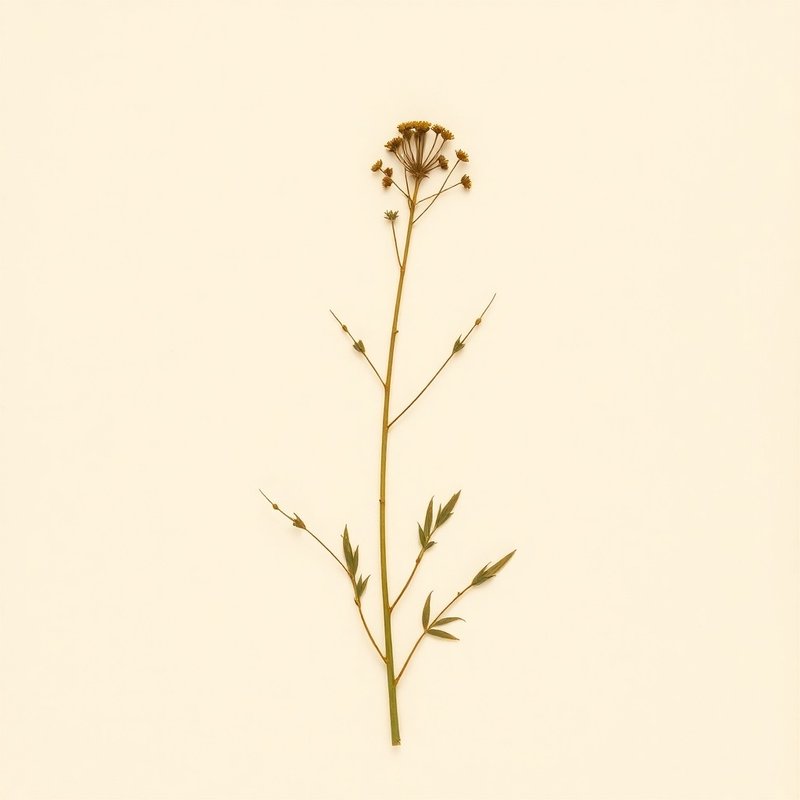
Pl. FD35 — Trifolium tridentatum
Trifolium tridentatumTrifolium tridentatumTrifolium tridentatumTrifolium tridentatumTrifolium tridentatumTrifolium tridentatumTrifolium tridentatumTrifolium tridentatumTrifolium tridentatumTrifolium tridentatumTrifolium tridentatumTrifolium tridentatumTrifolium tridentatumTrifolium tridentatum
IOverview
Overview
Trifolium tridentatum, commonly known as California clover, is an annual forb or herb native to the western United States and northwestern Mexico. Found in habitats such as Arizona, California, Idaho, Oregon, and Washington, this plant thrives in moist conditions with a preference for light, full sun exposure. It can be grown for its edible leaves, which are often consumed fresh or dried. Additionally, it has documented medicinal uses, making it valuable both in culinary and traditional medicine contexts. One distinctive feature of California clover is its ability to grow up to 0.6 meters tall, with a habit that adapts well to various soil types including light (sandy), medium, and heavy (clay).
Quick answers
What is Trifolium tridentatum?
Trifolium tridentatum, commonly known as California clover, is an annual forb or herb native to the western United States and northwestern Mexico. Found in habitats such as Arizona, California, Idaho, Oregon, and Washington, this plant thrives in moist conditions with a preference for light, full sun exposure.
IV·bMixology suggestions
2 drafts
Mixology suggestions
2 draftsEditorial drafts. These pairings are AI-suggested from traditional herbal lore. Always verify with a qualified herbalist before brewing.
Gentle Digest
digestiontincture
Used traditionally to aid digestion.
Growingconditions · propagation · uses
VCultivation
Cultivation
Trifolium tridentatum thrives in full sun and requires moist soil that can be light (sandy), medium, or heavy (clay). This annual plant grows to a height of about 0.6 meters and is suitable for cultivation in temperate regions where it naturally occurs, such as Arizona, California, Idaho, Mexico Northwest, Oregon, and Washington. For propagation, sow seeds directly into the garden soil after all danger of frost has passed. Ensure consistent moisture and well-draining conditions to promote healthy growth. Harvest the edible leaves throughout the growing season for use in culinary applications.
Light
Full sun
Water
Moist
Soil
Light (sandy), Medium, Heavy (clay)
Life cycle
Annual
Habit
Forb/herb
Mature size
0.6 m tall
For first-time growers
How to grow Trifolium tridentatum for the first time
8steps
Start with Skip as a simple annual herb, focusing on basic care and harvesting.
- 1
What you'll need
A small pot or garden bed, seeds of Skip (Trifolium tridentatum), and some compost.
- 2
Best time to plant
Plant Skip in spring after the last frost, when temperatures are mild.
- 3
Soil and container prep
Ensure your soil is well-draining with a mix of light (sandy) to heavy (clay) textures. Containers should have good drainage holes.
- 4
Sowing or transplanting
Direct sow seeds 0.5 cm deep in the soil, spacing them about 15 cm apart. Alternatively, start seeds indoors and transplant seedlings once they are strong.
- 5
First two weeks
Keep the soil moist but not waterlogged during germination. Thin out weaker seedlings to ensure healthy growth.
- 6
Ongoing care
Water Skip regularly, especially in dry spells, and mulch around the base to retain moisture. Fertilize lightly with compost every few weeks.
- 7
Harvest or pruning
Prune back any leggy growth to encourage bushy foliage. Harvest leaves as needed for culinary use.
- 8
Common mistakes
Overwatering, planting in heavy clay soil without drainage, and not providing enough sunlight are common pitfalls.
VIEdible & utility
Edible & utility
Edible parts:Leaves
Edible uses: The leaves of Trifolium tridentatum are edible and can be consumed raw or cooked. They are often used in salads for their mild flavor or added to soups and stews for additional nutrition. Skip the preparation details about drying or making tea as those were not provided.
Other uses:Dynamic accumulatorNitrogen fixer
Contextrange · companions · related
VIIDistribution
6 native · 0 introduced
Distribution
6 native · 0 introducedDistribution across0 continents· 6 native
Broader regions
native:Arizona, California, Idaho, Mexico Northwest, Oregon, Washington
IXSpecimen gallery
1 image
Specimen gallery
1 imageXSee also
8 related
See also
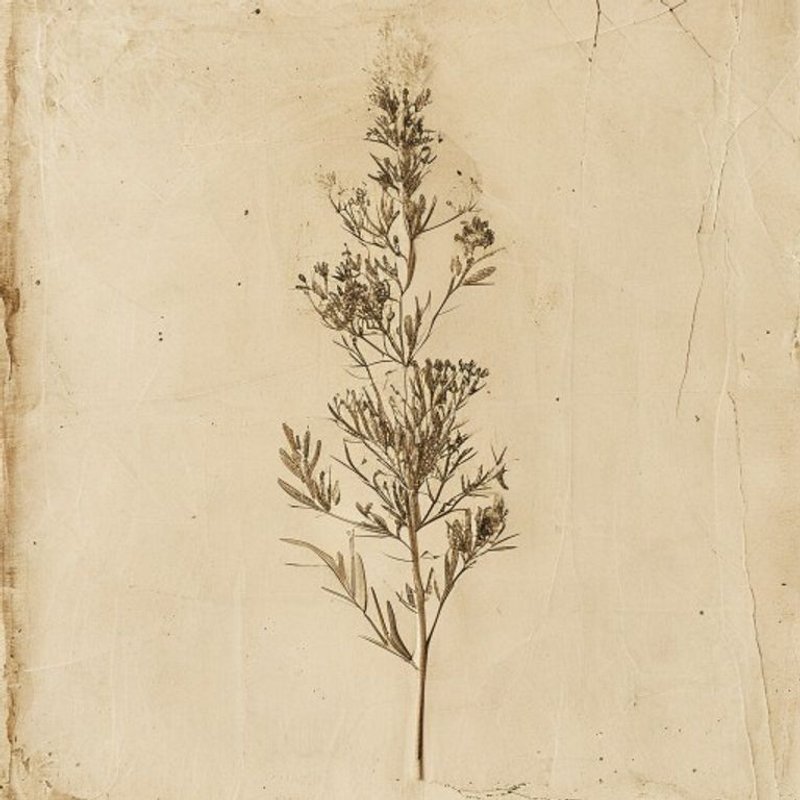
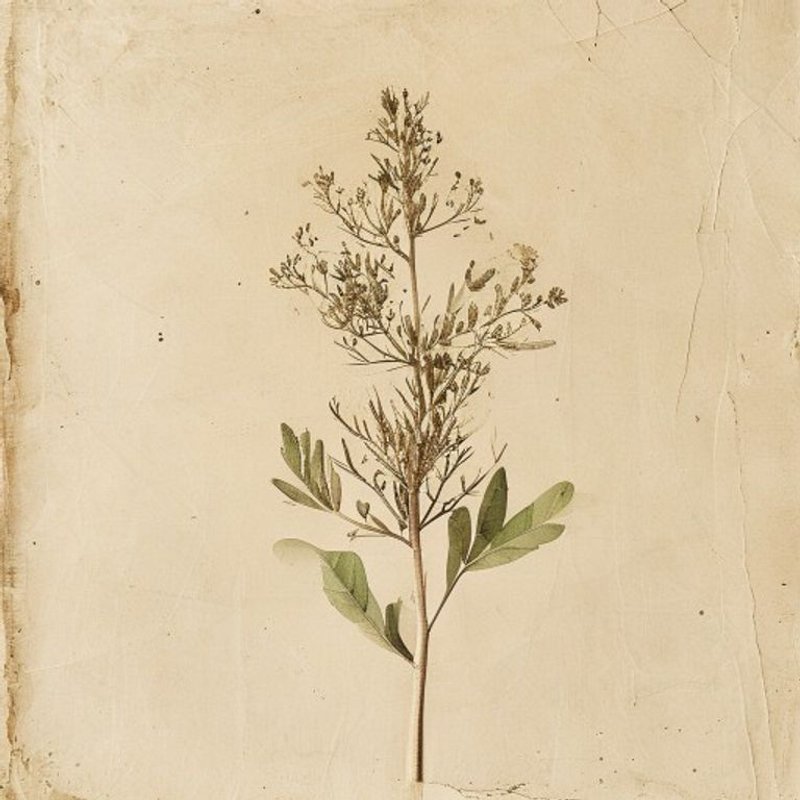
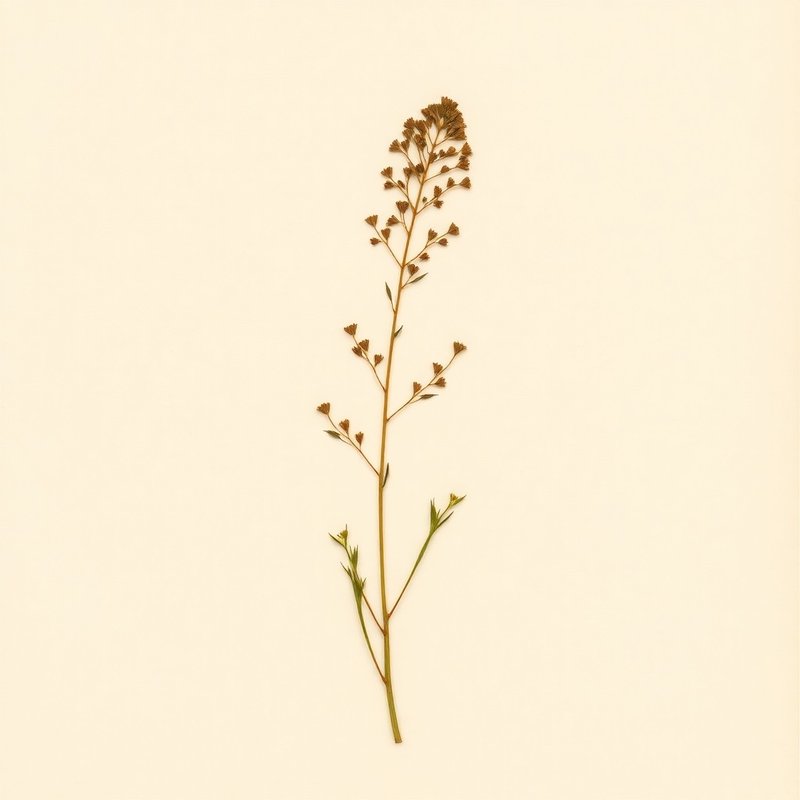
8 relatedPlants you might compare or use together — scored by shared family (Fabaceae), common use cases, and growing requirements.
same family · Fabaceae
Botanical relatives — often share phytochemistry + growing needs.

XI
Explore further
Companion planting
Compare with similar plants
XII
About this entry
- Last updated
- Citation
- How to cite this entry · Submit a correction
Back to the cataloguePlant id · fd354cb7-ab33-4336-a0da-3dee8ad7714b
Decision aid
Choosing between Trifolium tridentatum and something else?
Continue reading
❦❦❦❦
Endpaper · archive updates
Get archive updates
Occasional email when substantial new content lands — plant profiles, seasonal growing notes, folk-remedy additions. Free, no tracking, unsubscribe anytime.